
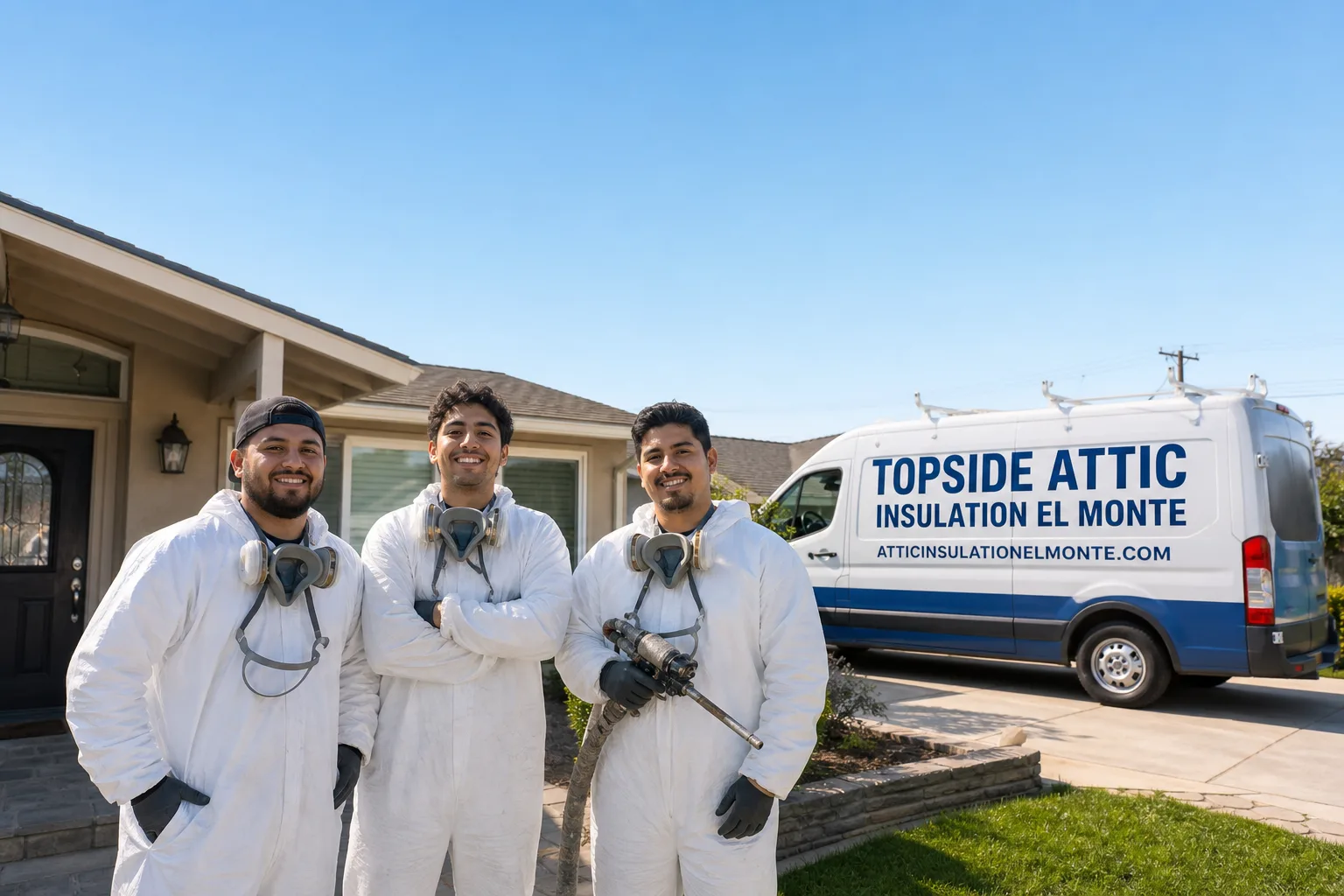
Fast, Reliable Blown-In Insulation Across West Covina
Most blown-in insulation jobs in West Covina run $1,800-$4,200 for a typical 1,200-1,800 square foot attic, and our crews usually complete them in a single day. We dispatch from our Los Angeles office and carry enough GreenFiber cellulose and Owens Corning fiberglass on every truck to handle the full scope without a return trip. That’s important here, because West Covina’s 1950s-1970s ranch stock presents the same predictable problems block after block, and we plan for them before we arrive. Call (626) 415-3454 for a written price before any work starts.
We’ve sealed and insulated more than 9,000 homes since 2016, and the east- and north-side neighborhoods of West Covina are where we see some of the most dramatic before-and-after blower-door readings in the San Gabriel Valley. The combination of thin original insulation, shallow vented attics, and summer attic temperatures exceeding 150°F creates a climate load these homes were never built to handle. Our Blown-In Insulation team treats every job as a building-envelope repair, not just a material installation.
Why Topside Attic Insulation El Monte Is West Covina’s Preferred Blown-In Insulation Company
West Covina homeowners research thoroughly before they call. They read three-star reviews with the same attention they give five-star ones, and they want documentation, not promises. We publish before-and-after blower-door numbers on every applicable job - a pressurization reading that shows, in one figure, how much conditioned air your home was losing before we started and how much it retains after we leave. Under Haven Standard Clause 1, you get that written price, written scope, and written warranty before anyone lifts a tool.
Our response time to West Covina is typically same-day or next-day, because these are the homes we know. The 1961 ranch off East Cameron Avenue, the 1968 split-level near Amar Road, the 1957 tract house north of the 10 Freeway - we’ve worked on their identical floor plans dozens of times. Calls are answered by a live person 24/7, and our technicians are background-checked, uniformed, and named in the text we send when they’re on the way.
We also offer a Free Second Opinion on any written estimate. Bring us a competing quote and we’ll read it with you, line by line, and show you where the scope differs from what your home actually needs.
Our Blown-In Insulation Services in West Covina
Blown-In Cellulose
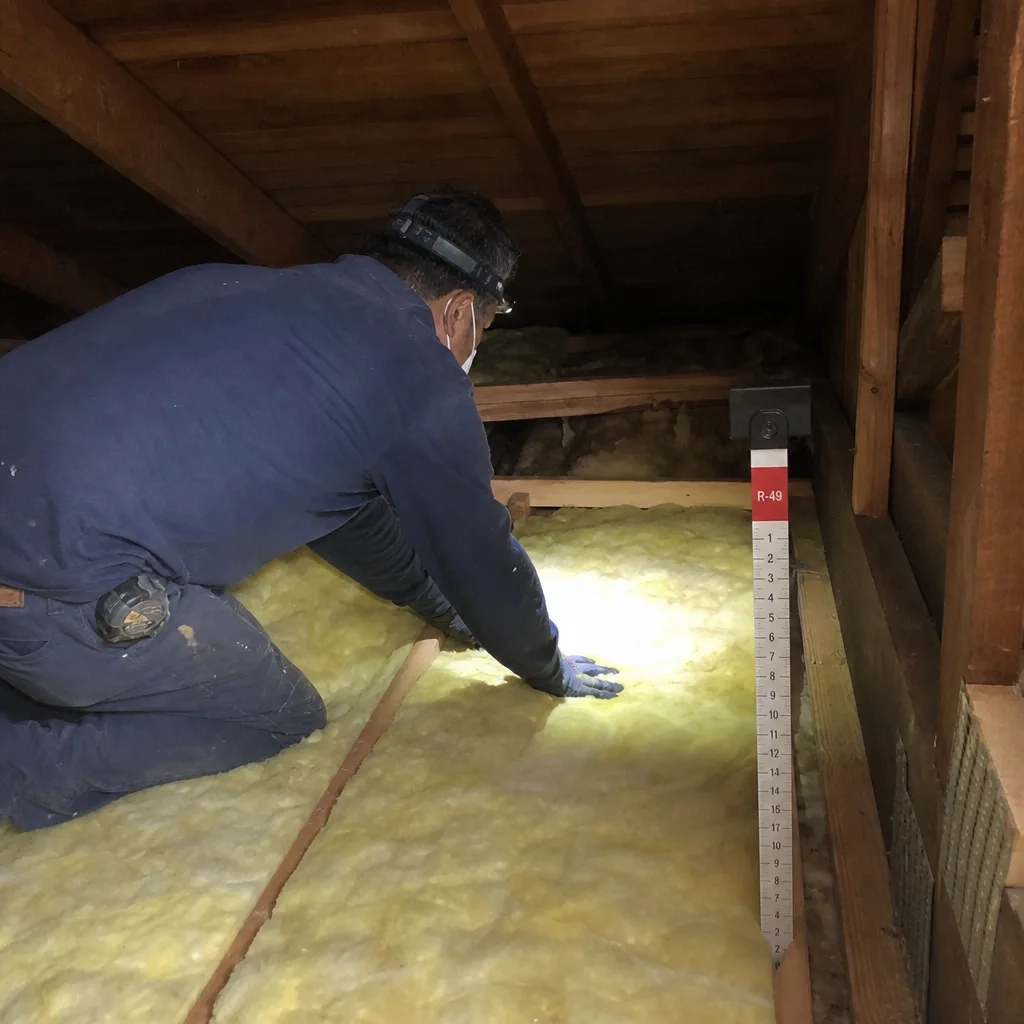
We use GreenFiber cellulose for most West Covina attic restorations because it performs well in the extreme heat cycles of the eastern San Gabriel Valley. Cellulose is treated with borate fire retardant and settles less than older fiberglass batts, which matters when your attic hits 150°F for weeks each summer. A typical full attic replacement with blown-in cellulose in West Covina runs $2,400-$3,800, including air sealing of top plates and penetrations before the material goes in. We never blow over an unsealed attic floor - that’s Haven Standard, not an upsell.
Blown-In Fiberglass
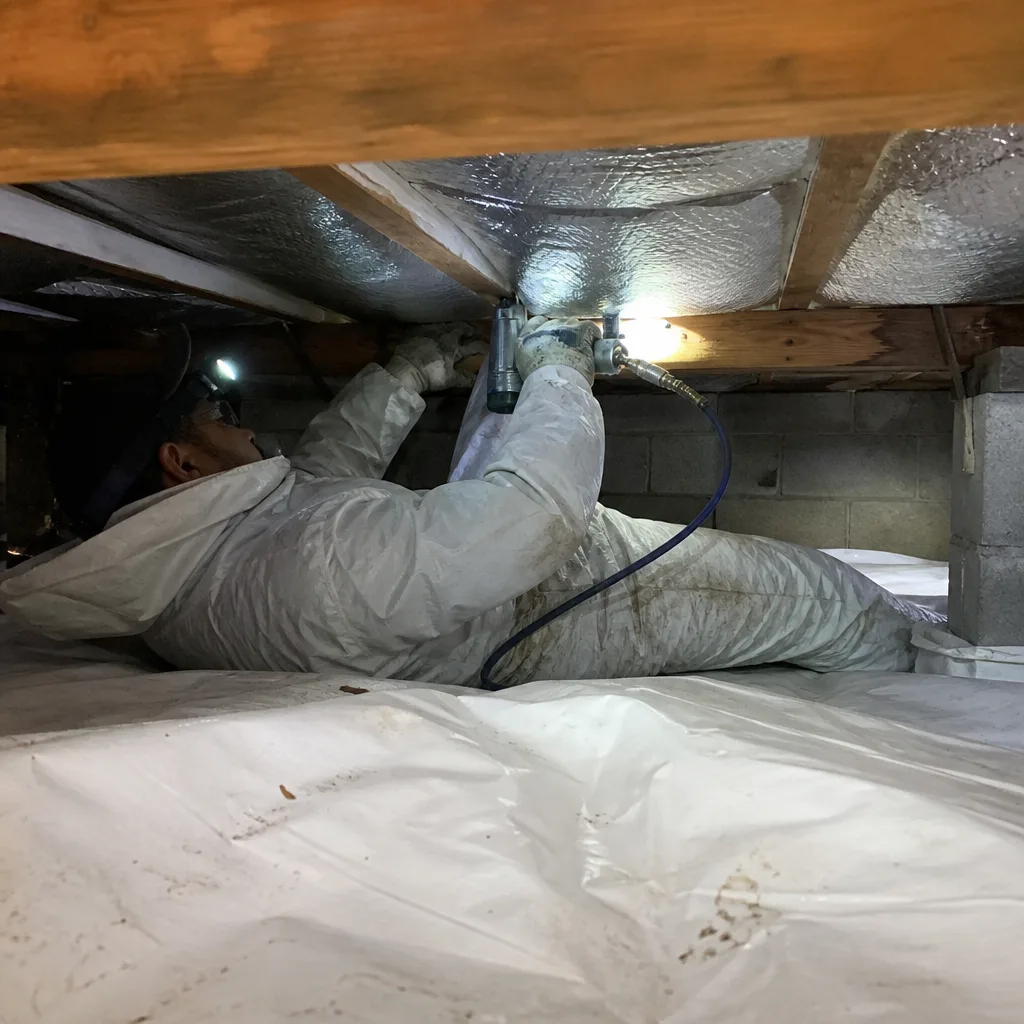
For homeowners who prefer synthetic material or have specific allergy concerns, we blow Owens Corning fiberglass to the depth required for current R-value. In West Covina’s shallow post-war attics, this often means building a raised dam around the access hatch and extending vent baffles to prevent wind-washing from the gable vents common in these tract builds. Blown-in fiberglass jobs here typically fall between $2,200 and $3,600 for a full attic.
Dense-Pack Wall Insulation
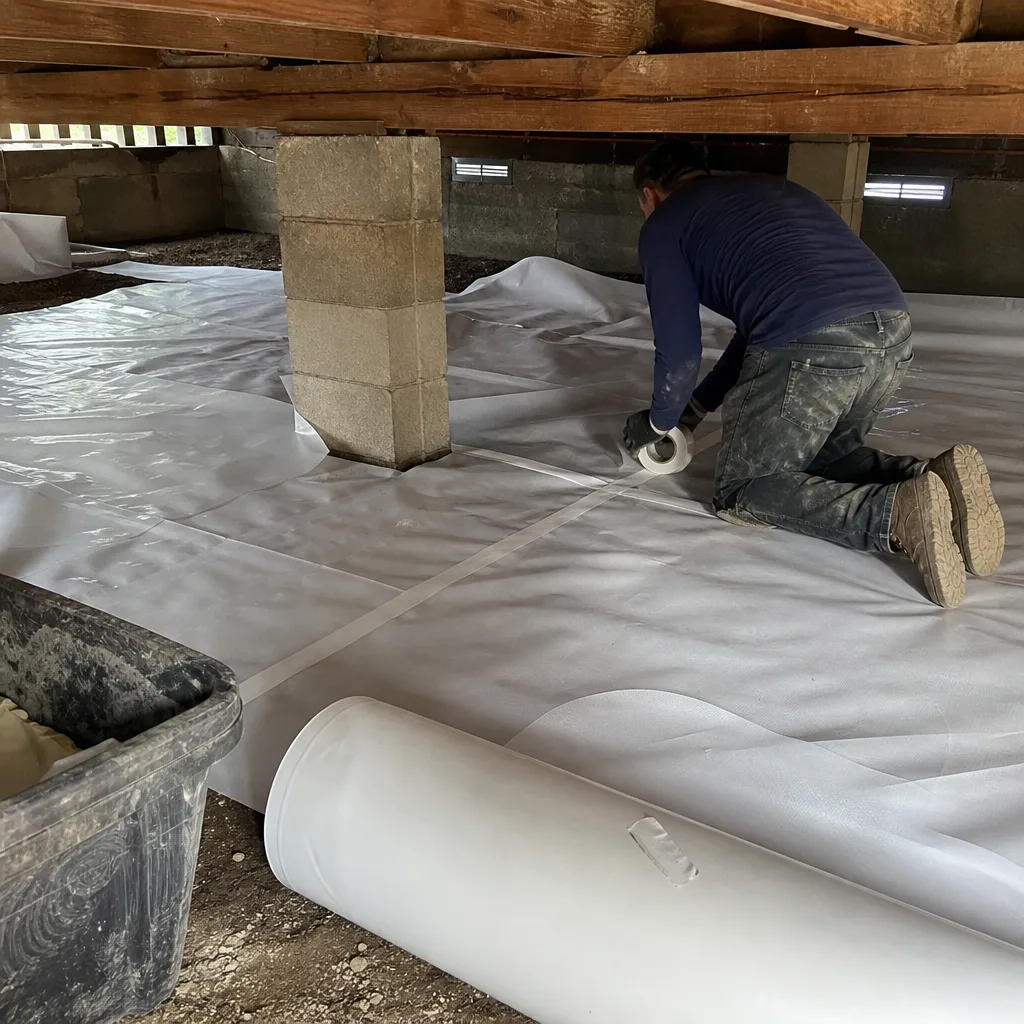
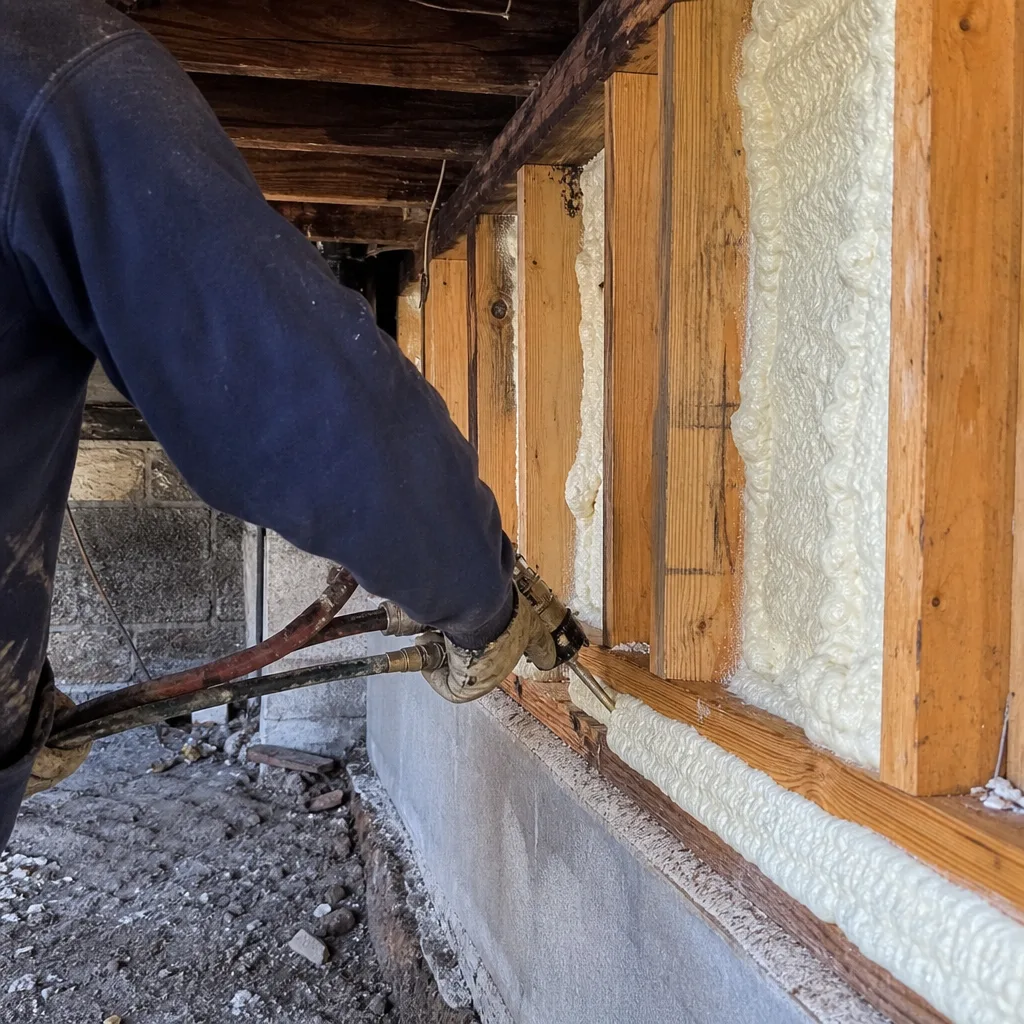
This is where we solve the problems that blow-over contractors miss. West Covina’s 1953-1972 ranches often have uninsulated knee walls behind master closets, bare garage-to-house partition walls, and room additions with no cavity fill at all. We dense-pack these closed cavities with GreenFiber cellulose at 3.5 pounds per cubic foot, which stops air movement through the wall without settling over time. Dense-pack wall work in West Covina runs $800-$1,800 depending on cavity count and access.
Blown-In Top-Up
If your existing insulation is in decent shape but has settled below current code, a blown-in top-up is the most cost-effective upgrade. In West Covina, we see this most often in homes where the original R-11 batts have compressed to R-7 or lower over sixty years. A top-up to R-38 or R-49 typically costs $1,800-$2,800 and includes spot air sealing of the worst leaks we find during inspection. But we won’t top up over a completely degraded layer - if the original material is contaminated or compressed beyond recovery, we’ll show you the photos and quote a full replacement.
What happens when you call
- 1
A real person answersNo phone trees - you reach a local pro.
- 2
You get an upfront price rangeHonest numbers before anyone is dispatched.
- 3
A background-checked tech heads outLicensed & insured, dispatched right away.
- 4
You approve before work beginsNothing starts until you say go.
 Before
 After
AfterTrusted Brands We Service in West Covina
We source materials from Owens Corning, Johns Manville, Knauf, and GreenFiber - no proprietary lock-in, no house brand with a markup disguised as exclusivity. Our trucks carry GreenFiber cellulose and Owens Corning fiberglass as standard stock, which means no waiting on a special order when your attic is hitting 150°F and your AC won’t cycle off. For dense-pack wall work, we use GreenFiber’s stabilized cellulose specifically because it performs consistently in the irregular, narrow cavities common in West Covina’s post-war framing. Every bag is documented in your photo record, so you know exactly what went into your home.
Common Blown-In Insulation Problems We See in West Covina Homes
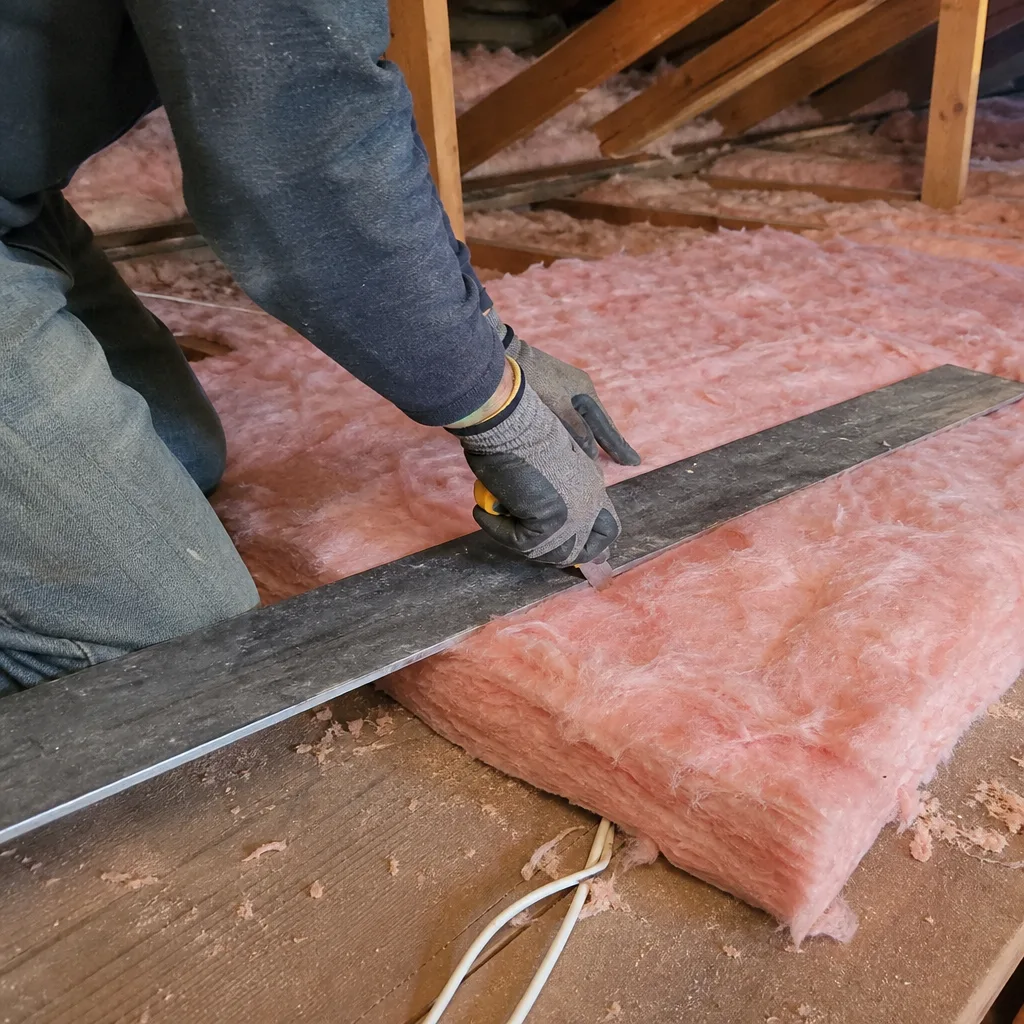
- Settled R-7 to R-11 batts in shallow, poorly vented attics. The original fiberglass in these 1950s-1970s ranches has compressed to a thin, ineffective layer after decades of heat cycling. A straight blow-over without first correcting ventilation just bakes the new material against the roof deck.
- Missing vapor barriers under post-war room additions. On the east and north sides of West Covina, converted patios and slab additions often have no vapor barrier and gaps at the roof-to-wall junction. Blown-in cellulose drifts into these gaps and can absorb moisture from the slab below.
- Uninsulated knee walls repeated block after block. Because so many of these homes were built from identical plans, we find the same bare knee wall behind the master closet in house after house on the same street. It’s not a fluke - it’s the blueprint.
- Heat-degraded attic hatch seals and warped access doors. Attic temps above 150°F don’t just ruin insulation - they warp lightweight hatch frames and cook foam weatherstrip. Conditioned air pours back through openings we didn’t air-seal, undoing the work.
Pricing for Blown-In Insulation in West Covina, CA
| Service | Typical Range in West Covina |
|---|---|
| Blown-In Top-Up (to R-38/R-49) | $1,800 - $2,800 |
| Full Attic Replacement - Cellulose | $2,400 - $3,800 |
| Full Attic Replacement - Fiberglass | $2,200 - $3,600 |
| Dense-Pack Wall Insulation | $800 - $1,800 |
| Air Sealing + Blower-Door Test (add-on) | $600 - $1,200 |
What moves you within these ranges? Attic square footage, current insulation condition, accessibility, and whether we need to build vent baffles or raised dams for proper depth. Every West Covina job starts with a written price - no work starts without it - and includes a Documented Photo Record. Call (626) 415-3454 for your exact number; estimates are free.
We Also Serve Cities Near West Covina
Our crews work throughout the eastern San Gabriel Valley, including West Covina, La Puente, Baldwin Park, El Monte, and Arcadia. Dispatch and scheduling are coordinated from our Los Angeles office, but the trucks that roll to your door carry the material and tooling for your specific housing stock.
Serving West Covina, CA - Our Local Coverage Area
We’re based in the West Covina area and know this community well. Use the map below to see our service coverage - if you’re nearby, we can almost certainly help.
FAQs - Blown-In Insulation in West Covina
Yes. Your 1964 ranch was built before California had meaningful residential insulation requirements, and the original R-11 batts have likely settled to R-7 or lower after sixty years of heat cycling. In West Covina’s inland climate, where attic temperatures exceed 150°F and Santa Ana winds push daytime highs past 105°F, that thin layer is costing you hundreds in excess cooling each summer. Call (626) 415-3454 and we’ll show you exactly what’s up there - estimates are free.
Because West Covina’s east- and north-side tract homes were built in a tight 1953-1972 window under the same builders repeating identical floor plans, we can almost guarantee that the insulation defect we find in one attic exists in the same spot on nearly every other house on that block. The uninsulated knee wall behind the master closet, the missing vapor barrier over the slab addition, the bare garage-to-house partition - these are blueprint problems, not maintenance failures. We’ve documented the same pattern on entire streets.
We can, but only after we fix the ventilation first. Blowing cellulose into a shallow, unvented West Covina attic traps heat against the roof deck and accelerates material degradation. Our crews install vent baffles at the eaves and verify exhaust flow before any insulation goes in. On a 1961 ranch off East Cameron Avenue on West Covina’s east side, our crew found the original fiberglass batts settled to a thin R-9 layer and a completely bare knee wall behind the master closet. We dense-packed the wall cavity with GreenFiber cellulose and blew Owens Corning fiberglass across the full attic to bring it up to current R-value in one trip, and the homeowner told us the back bedrooms stopped cooking by mid-afternoon even during that week’s 104°F Santa Ana heat.
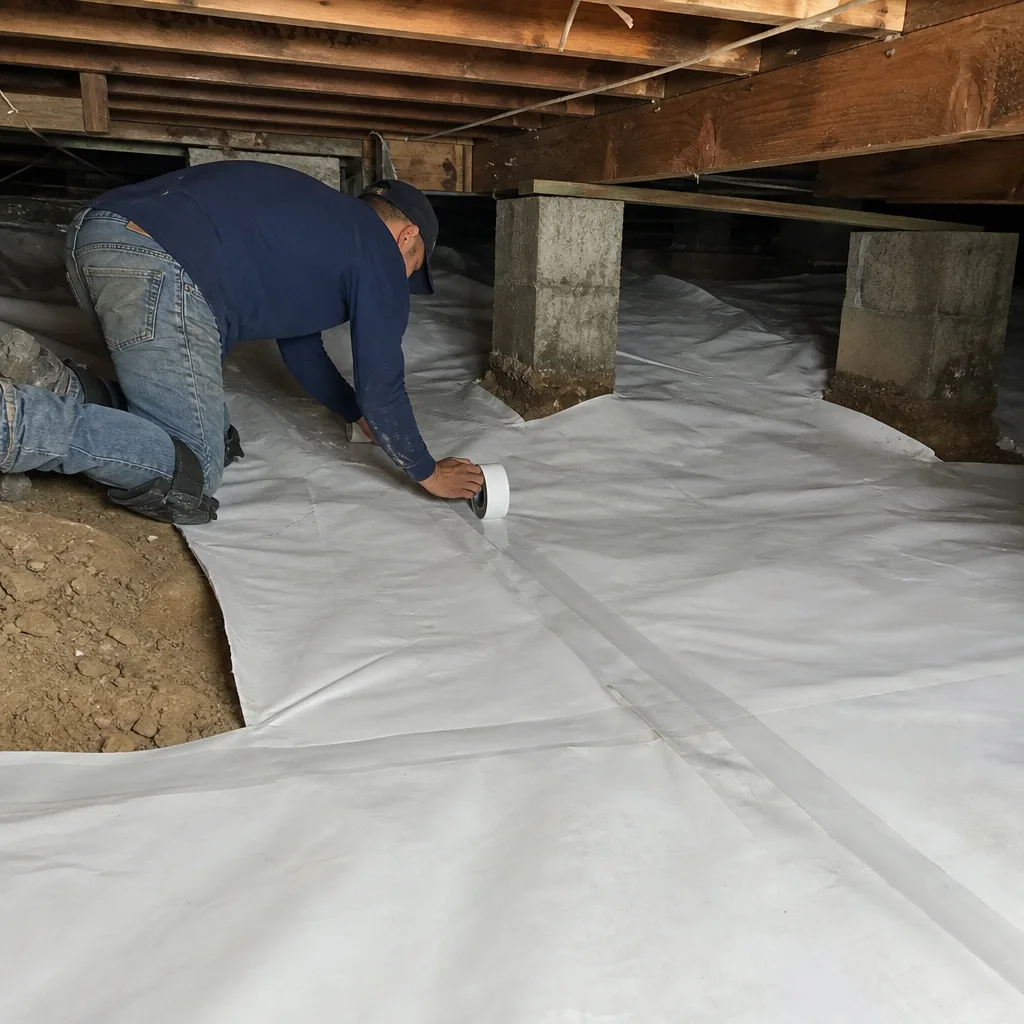
We dense-pack closed wall cavities with GreenFiber cellulose at 3.5 pounds per cubic foot, which fills irregular framing and stops air movement without settling. For vented crawl spaces under slab additions, we typically install a vapor barrier first, then dense-pack or apply rigid board depending on access and moisture conditions. Every approach is documented in your written scope before work starts.
Santa Ana winds can spike West Covina temperatures from 85°F to 105°F within hours, and the dry, pressurized air pulls moisture from exposed wood and degrades older batt facings. We time material delivery to avoid leaving bags in direct truck-bed heat, and we verify that all attic vents are screened to prevent wind-borne debris from entering during the work. The bigger issue is what those winds reveal: if your home can’t maintain temperature during a Santa Ana event, your insulation and air sealing are failing under real load. Call (626) 415-3454 for a blower-door test that measures exactly how much conditioned air you’re losing.
Written by Wes Okafor, Owner at Envelope Insulation Co., serving West Covina since 2016 under The Haven Standard.