
Last updated September 24, 2026
Insulation Cost Breakdown: The El Monte Homeowner’s Reference for 2026
The cheapest attic insulation quote in El Monte is usually priced per bag of blown material, which tells you nothing about installed depth, air sealing, or whether the existing insulation was in any condition to build on. In our experience across more than 9,000 homes since 2016, the lowest number on paper routinely produces the highest number on the next utility bill. This guide breaks down what each line item actually costs so you can compare bids that are genuinely comparable, not just nominally similar.
Quick Answer
Most complete attic insulation jobs in El Monte run between $2.80 and $5.50 per square foot for blown-in fiberglass or cellulose at R-38 to R-49, including air sealing, removal of degraded material where needed, and documentation. Spray foam ranges from $4.50 to $8.00 per square foot for open-cell and $6.50 to $12.00 for closed-cell, depending on thickness and accessibility. The 40 to 60 percent price spread between competing quotes typically reflects differences in scope, not markup, so comparing line items matters more than comparing bottom lines.
Table of Contents
- Why Insulation Quotes in El Monte Vary by 40-60% for the Same Job
- Blown-In Insulation Costs in El Monte for 2026
- Spray Foam Insulation Costs in El Monte for 2026
- What Air Sealing Actually Adds to Your Bill
- Insulation Removal: When It’s Necessary and What It Costs
- Permits, HERS Verification, and El Monte Code Requirements
- How to Read a Line-Item Quote: Documentation and Hidden Extras
- Common Mistakes to Avoid
- When to Call a Professional
- Frequently Asked Questions
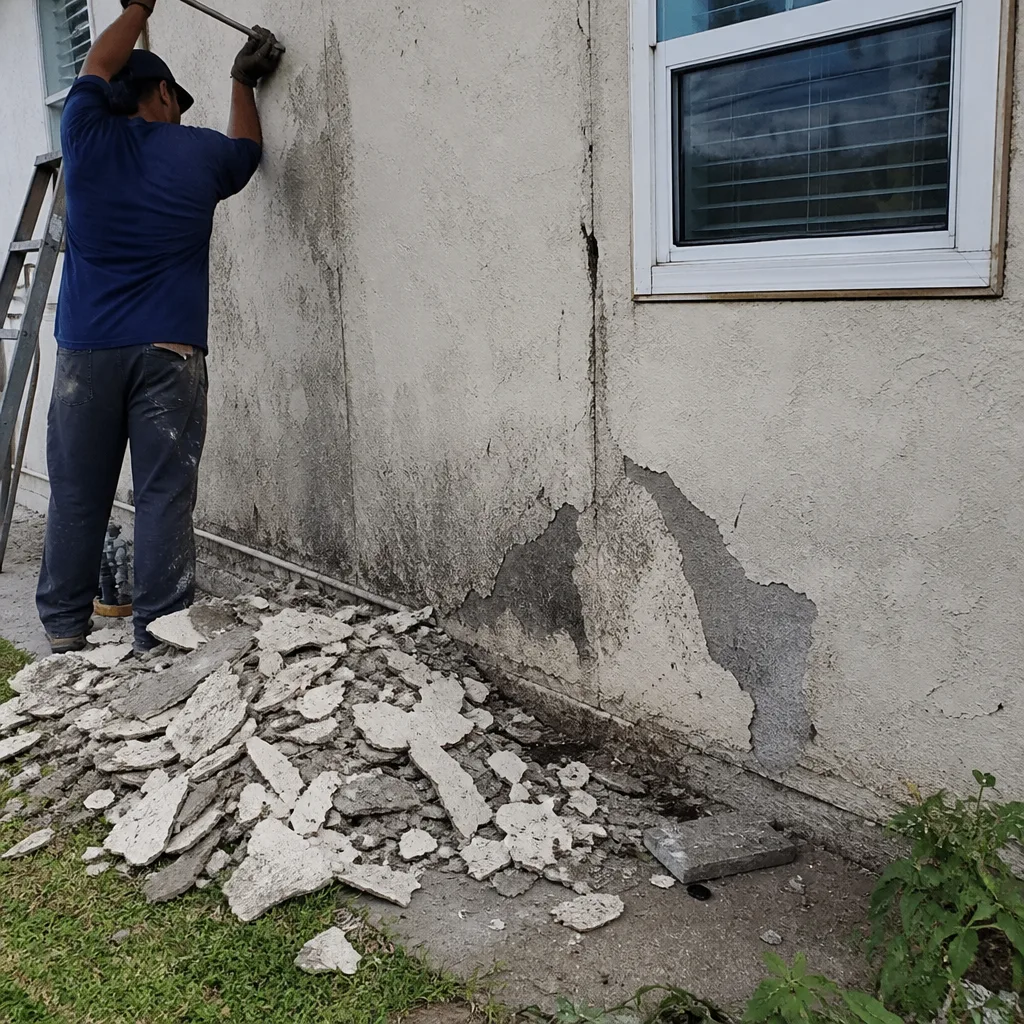 Before
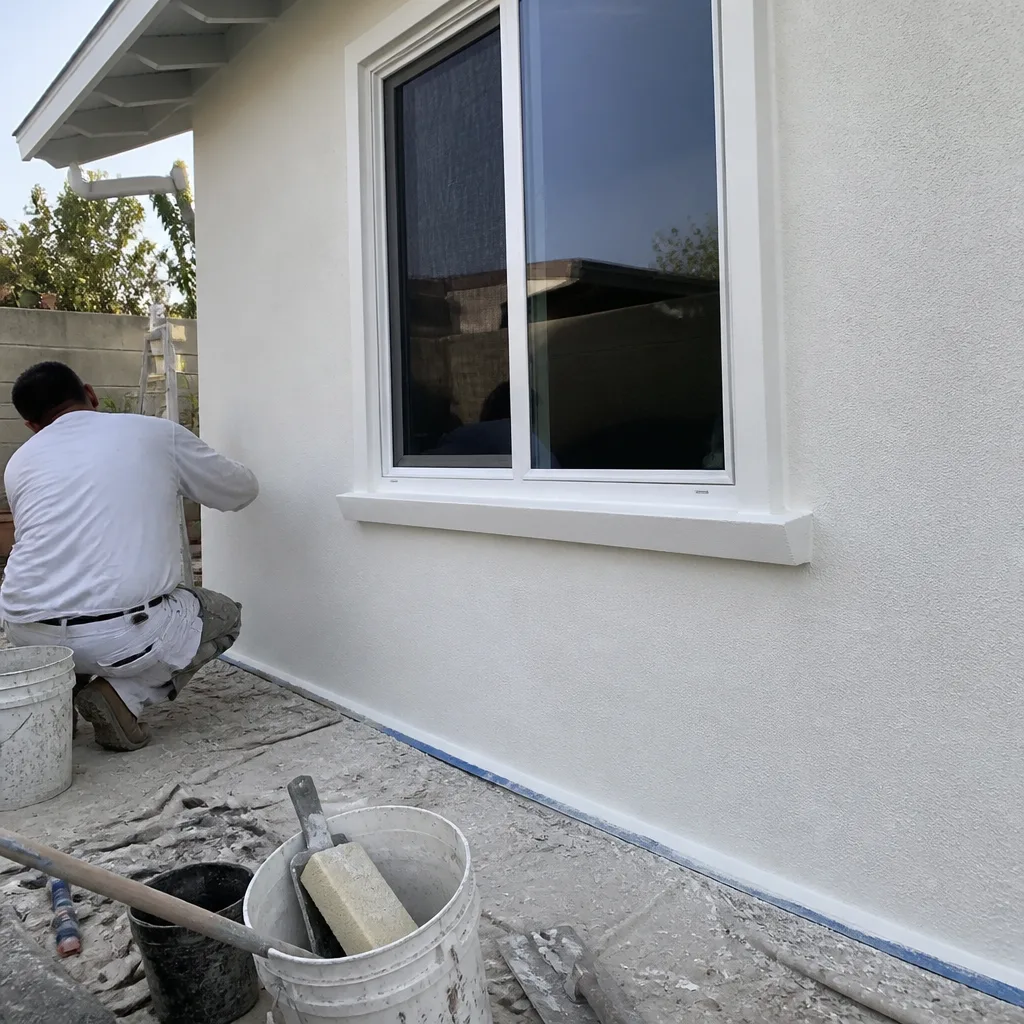 After
AfterWhy Insulation Quotes in El Monte Vary by 40-60% for the Same Job
We’ve reviewed thousands of competing quotes brought in for our Free Second Opinion service, and the pattern is consistent. One contractor quotes $1,800 for “attic insulation, 1,200 sq ft.” Another quotes $3,400 for what appears to be the same job. The homeowner naturally assumes the second is overcharging. Usually, the opposite is true: the first quote is under-scoped.
Here is what the lower quote typically omits:
- Air sealing of top plates, can lights, plumbing penetrations, and chimney chases - the gaps that allow conditioned air to bypass insulation entirely
- Removal of existing insulation that is compressed, moisture-damaged, or contaminated
- Installation of baffles to maintain soffit ventilation, required by California Title 24
- Damming around heat-producing fixtures to prevent fire hazard
- Blower-door test before and after work to measure actual air leakage reduction
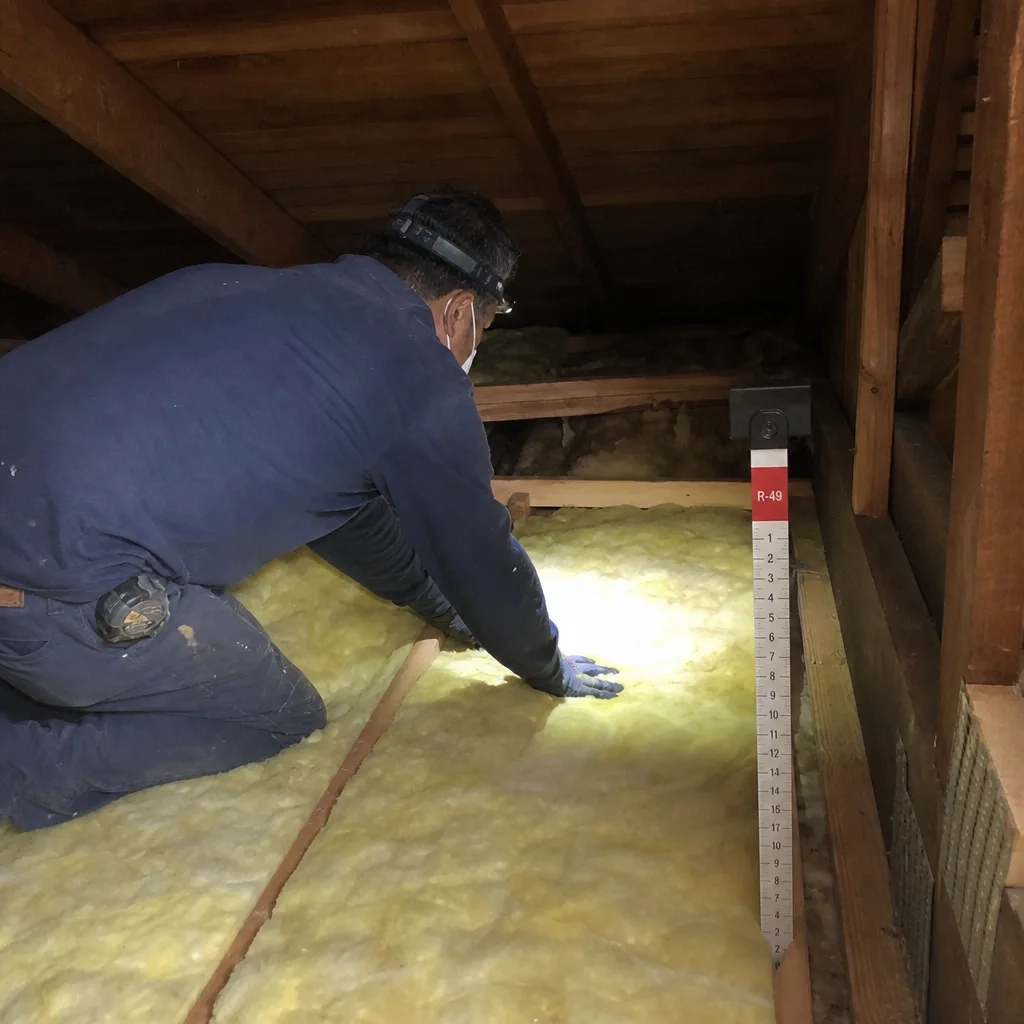
- Photo documentation of installed depth and coverage
- CF2R form completion for HERS verification if the job is part of an energy upgrade
In El Monte’s climate zone, CZ_8, summers regularly exceed 95°F and winter nights dip into the high 30s. A home with unsealed top plates and can lights can lose 30 to 40 percent of its conditioned air through the attic plane regardless of how deep the insulation is. Blowing new material over these leaks is like pouring water into a bucket with holes in the bottom. The R-value on the bag means nothing if air moves freely through the assembly.
The 40 to 60 percent spread breaks down roughly as follows. A bare-bones “blow and go” job prices only material and labor for installation: typically $1.50 to $2.20 per square foot for blown fiberglass at minimum depth. A complete job adds air sealing labor ($300 to $700), removal where needed ($500 to $1,500), baffles and damming ($150 to $400), and documentation ($0 to $300 depending on whether blower-door testing is included). The total lands at $2.80 to $5.50 per square foot. The homeowner who chooses the lower quote gets a warmer attic floor but the same leaky building envelope they started with.
Under Haven Standard: Have it in writing, every job we perform begins with a written scope that lists each of these elements separately so the homeowner knows exactly what is included before anyone lifts a tool.
Blown-In Insulation Costs in El Monte for 2026
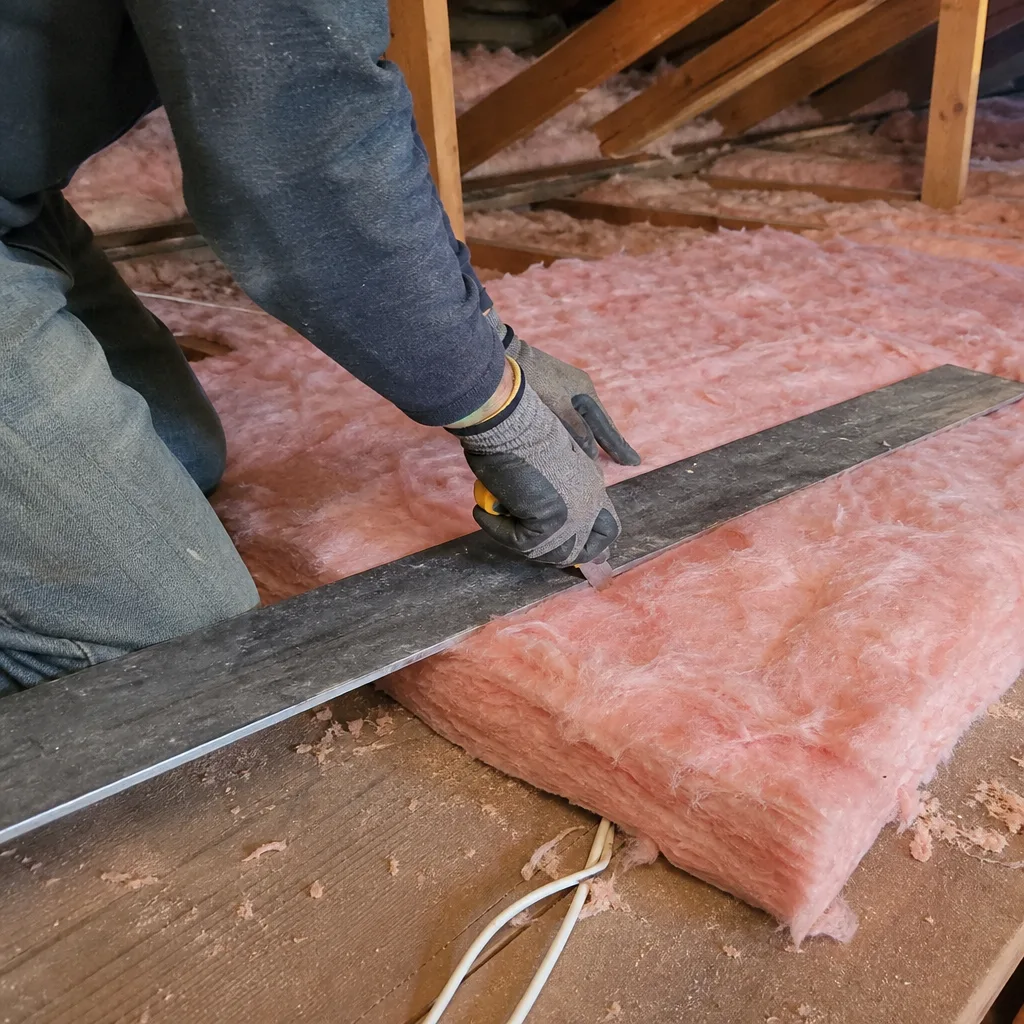
Blown-in insulation, loose-fill material pneumatically installed to achieve consistent depth and coverage, remains the most common attic treatment in El Monte’s single-family housing stock. The city has significant postwar construction from the 1940s through 1970s, much of it with original insulation well below modern standards or absent entirely.
Current installed costs for 2026, including material, labor, and basic preparation but excluding air sealing and removal:
| Material | R-Value Target | Cost per Sq Ft | Typical Total (1,200 sq ft attic) |
|---|---|---|---|
| Blown fiberglass (Owens Corning AttiCat or Johns Manville Climate Pro) | R-38 | $1.60 - $2.40 | $1,920 - $2,880 |
| Blown fiberglass | R-49 | $2.00 - $2.80 | $2,400 - $3,360 |
| Blown cellulose (GreenFiber or similar) | R-38 | $1.40 - $2.10 | $1,680 - $2,520 |
| Blown cellulose | R-49 | $1.80 - $2.50 | $2,160 - $3,000 |
| Blown mineral wool (Rockwool) | R-38 | $2.20 - $3.00 | $2,640 - $3,600 |
| Blown mineral wool | R-49 | $2.60 - $3.50 | $3,120 - $4,200 |
These figures assume standard attic access, clear working space, and no significant obstructions. Several factors push El Monte jobs toward the higher end of these ranges:
- Steeper roof pitches common in the Garvey and Cherrylee neighborhoods reduce mobility and increase labor time
- Tight attics with limited headroom, typical of 1950s ranch homes south of Valley Boulevard, require more laborious installation
- Multiple HVAC ducts running through the attic plane demand careful damming and sealing around each penetration
- Knob-and-tube wiring still present in some pre-1960 homes requires electrical evaluation before insulation contact
California Title 24, Part 6 requires minimum R-38 for attic insulation in climate zone 8 for new construction and significant alterations. For retrofit work without triggered requirements, R-38 is the practical minimum we recommend for El Monte given cooling load dominance. R-49 provides measurable additional benefit for homes with aging HVAC systems or west-facing roof planes that experience significant solar gain.
Material selection matters beyond price. Cellulose has slightly higher settled density and better resistance to air movement at a given R-value, which matters in El Monte’s wind patterns. Fiberglass does not settle as readily and is more forgiving of imperfect installation. Mineral wool provides the highest fire resistance rating and is specified in some multi-family applications. We source from Owens Corning, Johns Manville, Knauf, and Rockwool depending on the specific application and homeowner preference, with no proprietary lock-in.
Spray Foam Insulation Costs in El Monte for 2026
Spray foam insulation, a two-component chemical mixture that expands on application to create both insulation and air barrier in a single step, is increasingly specified for El Monte homes with complex attic geometries, conditioned attic conversions, or severe air leakage that would be labor-prohibitive to seal manually.
Current installed costs for 2026:
| Foam Type | Thickness | R-Value Achieved | Cost per Sq Ft | Typical Total (1,200 sq ft attic) |
|---|---|---|---|---|
| Open-cell (Icynene or Demilec) | 5.5″ | R-19 to R-21 | $4.50 - $6.50 | $5,400 - $7,800 |
| Open-cell | 8″ | R-28 to R-32 | $6.00 - $8.00 | $7,200 - $9,600 |
| Closed-cell (Demilec or similar) | 2″ | R-12 to R-14 | $6.50 - $9.00 | $7,800 - $10,800 |
| Closed-cell | 3″ | R-18 to R-21 | $9.00 - $12.00 | $10,800 - $14,400 |
Open-cell foam is vapor-permeable and requires a separate vapor retarder in some applications. Closed-cell is vapor-impermeable and provides structural rigidity, but at significantly higher cost per R-value. For El Monte’s climate, where cooling dominates heating, open-cell at roof deck thickness sufficient to meet Title 24 is typically the most cost-effective spray foam approach for conditioned attics.
Critical considerations specific to El Monte:
- Roof deck condition: Many homes in the Mountain View area have original wood shake or early composite shingles with limited remaining service life. Installing spray foam at the roof deck creates a conditioned attic but complicates future roof replacement. The foam must be cut back at the perimeter, a labor cost often omitted from initial quotes.
- Combustion safety: Homes with natural draft water heaters or furnaces in the attic cannot be converted to conditioned attic space without mechanical ventilation or equipment replacement. We’ve encountered three El Monte homes in the past two years where a competitor installed spray foam without evaluating combustion air requirements.
- Shrinkage and off-gassing: Proper installation requires temperature-controlled application and adequate curing time before occupancy. Reputable contractors document temperature and humidity conditions during installation.
The spray foam insulation in El Monte page details specific applications where foam outperforms blown-in alternatives.
What Air Sealing Actually Adds to Your Bill
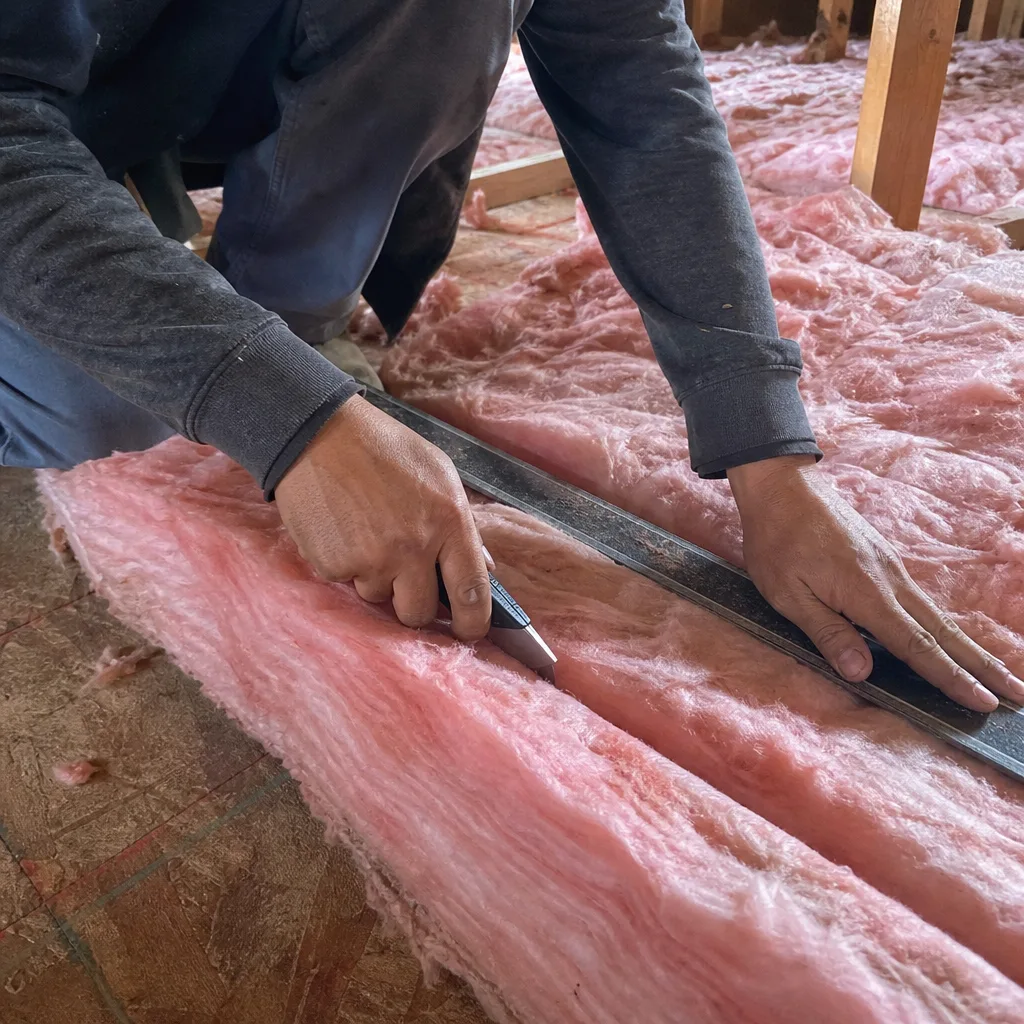
Air sealing, the systematic closure of gaps and penetrations in the building envelope before insulation installation, is the single most consequential scope difference between competing quotes. Yet it is rarely listed as a separate line item, making it invisible to homeowners comparing bottom-line prices.
In a standard El Monte attic, 1,000 to 1,500 square feet with typical penetration density, professional air sealing adds:
- Labor: 4 to 8 hours for a two-person crew at $75 to $120 per hour = $300 to $960
- Materials: Caulk, spray foam, rigid foam board, fire-rated sealant, weatherstripping for access hatch = $80 to $200
- Total typical range: $380 to $1,160
Most complete jobs fall between $450 and $700 for air sealing alone. The variance depends on:
- Number of can lights - each recessed fixture requires a sealed enclosure or replacement with ICAT-rated unit
- Top plate continuity - balloon framing common in 1940s El Monte construction has no top plate, requiring extensive sealing at stud bays
- Chimney and flue penetrations - fire-rated sealant and proper clearance requirements add material cost
- Duct boot connections - flex duct connections to ceiling registers often leak 15 to 20 percent of conditioned air
Skipping air sealing produces a job that performs at 60 to 70 percent of its rated R-value in practice, according to Department of Energy field studies and our own blower-door measurements. We’ve tested El Monte homes with R-49 fiberglass over unsealed can lights that leaked 3,800 CFM50 - equivalent to leaving a window open year-round. After sealing, the same homes measured 2,200 CFM50 with no change to insulation depth.
Under Haven Standard, we will never blow insulation over an unsealed attic floor. The sequence is fixed: seal first, then insulate. This is not an upsell. It is the minimum condition for the insulation to function as specified.
The attic insulation in El Monte page shows how this sequencing works on typical local homes.
Insulation Removal: When It’s Necessary and What It Costs
Existing insulation removal is the most frequently unnecessary upsell in the industry, and the most frequently necessary omission in low bids. The decision criterion is physical condition, not age. We’ve found 40-year-old fiberglass in acceptable condition and 10-year-old material that required complete removal.
Removal is necessary when:
- Moisture content exceeds 15 percent by weight - tested with a moisture meter at multiple locations
- Rodent contamination is present - droppings, nesting material, or urine saturation create health hazards and odor issues
- Insulation is compressed below 50 percent of original thickness, typically from storage or foot traffic
- Mold growth is visible on insulation surface or underlying drywall
- Fire or smoke damage has occurred
Removal is not necessary when:
- Insulation is simply old but maintains loft and shows no moisture damage
- Minor debris or dust is present - this is addressed during preparation, not removal
- Homeowner preference for “fresh start” without physical justification
Current removal costs in El Monte for 2026:
| Scenario | Cost per Sq Ft | Typical Total (1,200 sq ft attic) |
|---|---|---|
| Light debris, minimal contamination, vacuum extraction | $0.80 - $1.20 | $960 - $1,440 |
| Moderate compaction, some rodent activity, bagged removal | $1.20 - $1.80 | $1,440 - $2,160 |
| Heavy contamination, HEPA containment, disposal documentation | $1.80 - $2.50 | $2,160 - $3,000 |
Disposal fees in Los Angeles County add $150 to $300 depending on volume and contamination level. Some competitors quote removal without specifying whether disposal is included.
In El Monte’s older neighborhoods, particularly south of the 10 Freeway, we’ve encountered vermiculite insulation in homes built before 1980. This material may contain asbestos and requires specialized abatement at $15 to $25 per square foot - a dramatically different scope than standard removal. Any contractor recommending removal without first identifying material type is negligent.
Permits, HERS Verification, and El Monte Code Requirements
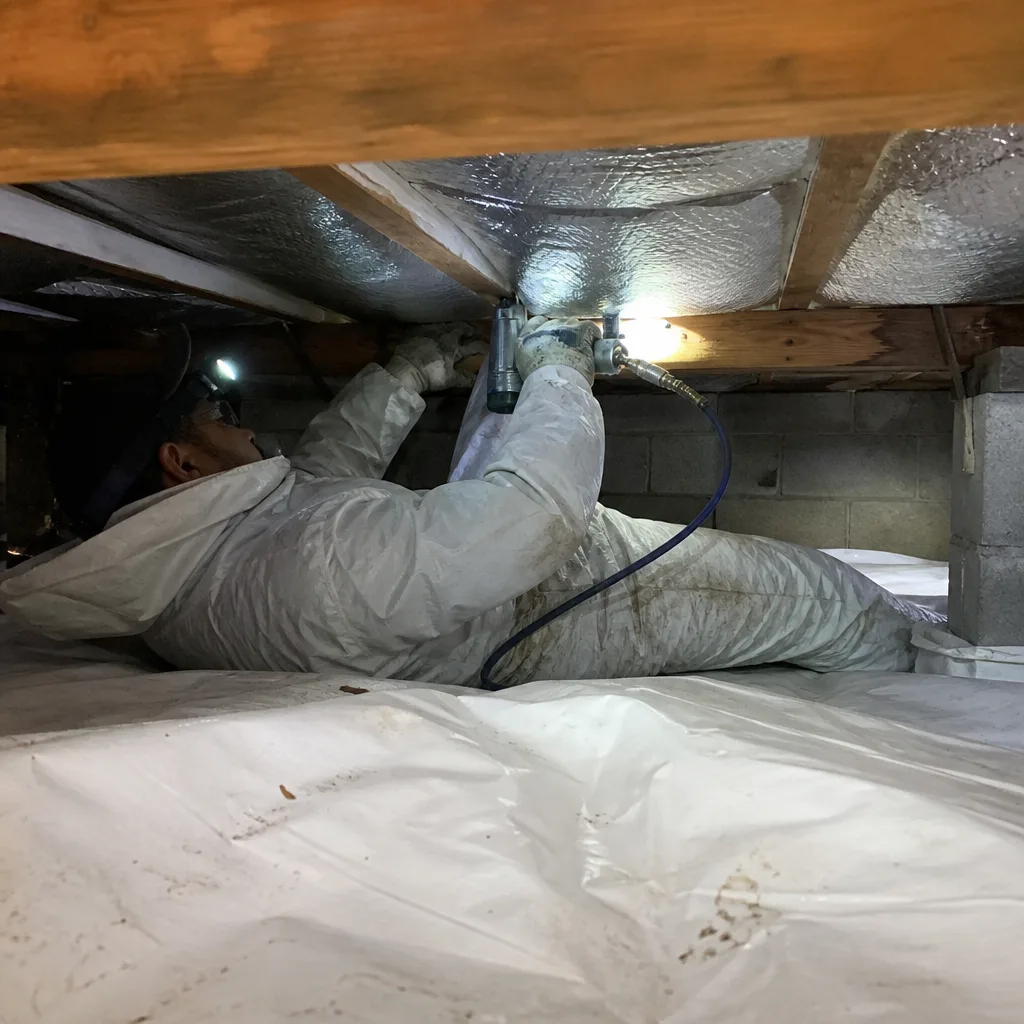
Insulation work in El Monte falls under the jurisdiction of the City of El Monte Building and Safety Division. Understanding Insulation Permits, Codes & Inspections in CA: What You Need to Know - when permits are required, what they cost, and how HERS verification fits in - protects homeowners from both code violations and unnecessary fees.
When permits are required:
- New construction and additions - always
- Alterations exceeding $1,000 in valuation where insulation is part of the scope
- Roof replacements where insulation is modified or added
- Any work participating in a utility rebate program (SGIP, Energy Upgrade California, etc.)
When permits are not typically required:
- Retrofit insulation over existing finish in attics and crawl spaces where no structural modification occurs
- Like-for-like replacement of damaged insulation under repair valuation thresholds
Current City of El Monte permit fees for insulation-only work:
| Item | Fee |
|---|---|
| Building permit (valuation-based, typical attic job) | $180 - $350 |
| Plan check fee (if required) | $85 - $150 |
| HERS rater verification (third-party, not city fee) | $250 - $450 |
| CF2R form completion and registration | $75 - $125 |
HERS, the Home Energy Rating System, requires third-party verification for certain energy improvements. In El Monte, HERS verification is triggered when:
- The work is part of a Title 24 compliance path for new construction or alterations
- A utility rebate program requires it
- The homeowner requests it for documentation of improvement
The HERS rater conducts field verification of installed insulation R-value, air sealing measures, and duct sealing where applicable. They complete the CF2R form - Certificate of Field Verification and Diagnostic Testing - which registers the work in the state database. This documentation is valuable for resale and for proving compliance with energy improvement commitments.
Some contractors offer “permit-free” work by keeping valuation below thresholds or characterizing work as repair. This is legal in some cases but risky if the work is later found to require permitting. Unpermitted work can complicate home sales, insurance claims, and rebate eligibility. We discuss permit requirements during our initial evaluation and include permit costs in our written price when they apply.
How to Read a Line-Item Quote: Documentation and Hidden Extras
The written scope is the only protection against scope disagreement. Under Haven Standard: Have it in writing, every job we perform begins with a flat price, written scope, and written warranty before anyone lifts a tool. Here is what to look for when evaluating any insulation quote in El Monte.
Essential line items that should appear:
- Pre-work evaluation and blower-door test - baseline air leakage measurement in CFM50. Cost if separate: $200 to $400. Should be included in complete jobs.
- Air sealing scope - specific locations: top plates, can lights, penetrations, chimney chase, duct boots, access hatch. Vague language like “seal as needed” allows unlimited interpretation.
- Insulation material specification - brand, product line, installed depth, and resulting R-value. “Blown fiberglass, R-38” is insufficient; “Owens Corning AttiCat, minimum 14 inches installed depth, R-38 per Title 24” is specific.
- Preparation and protection - floor and wall protection, containment for living space, baffle installation for soffit ventilation.
- Removal scope if applicable - square footage, disposal included or separate, contamination handling protocol.
- Post-work documentation - blower-door test, installed depth photos, CF2R form if HERS triggered.
- Warranty terms - duration, coverage scope, transferability, claim process.
Red flags in quote language:
- “Price per bag” without installed depth specification - bags cover different square footage at different depths
- “R-value up to X” - the minimum installed depth determines actual performance, not maximum potential
- “Additional charges may apply for unforeseen conditions” without defined trigger conditions
- No mention of ventilation baffles - required by code, frequently omitted in low bids
- “HERS verification available” without specification of whether it is included or extra
Our Documented Photo Record, included on every job, shows installed depth measurements at multiple locations, completed air sealing at critical penetrations, and before-and-after conditions. The homeowner receives this documentation at job completion, not on request. Blower-door readings, when applicable, are recorded on the same document with both numbers visible: the starting CFM50 and the ending CFM50.
The Topside Attic Insulation El Monte home page explains our full evaluation process.
Common Mistakes to Avoid
- Comparing bottom-line prices without comparing scopes. A $2,200 quote for “attic insulation” and a $3,800 quote for “attic insulation with air sealing, removal of contaminated existing material, baffles, and blower-door verification” are not comparable services. Itemize before comparing.
- Assuming deeper is always better. Beyond R-49 in El Monte’s climate zone, additional blown insulation yields diminishing returns while increasing structural load and potentially blocking ventilation. R-60 is rarely cost-justified.
- Ignoring the access hatch. An uninsulated, unsealed attic access hatch creates a thermal bypass that undermines the entire job. Proper treatment - rigid foam insulation, weatherstripping, and latch seal - adds $80 to $150 and is frequently omitted.
- Permitting based on contractor advice alone. Verify permit requirements independently with the City of El Monte Building and Safety Division. Contractors who routinely avoid permits may be avoiding scrutiny, not just saving you fees.
- Accepting “we’ll match any quote” without scope verification. Matching a lower price by silently reducing scope produces the same underperforming job at a higher perceived value. Demand written confirmation that all line items remain identical.
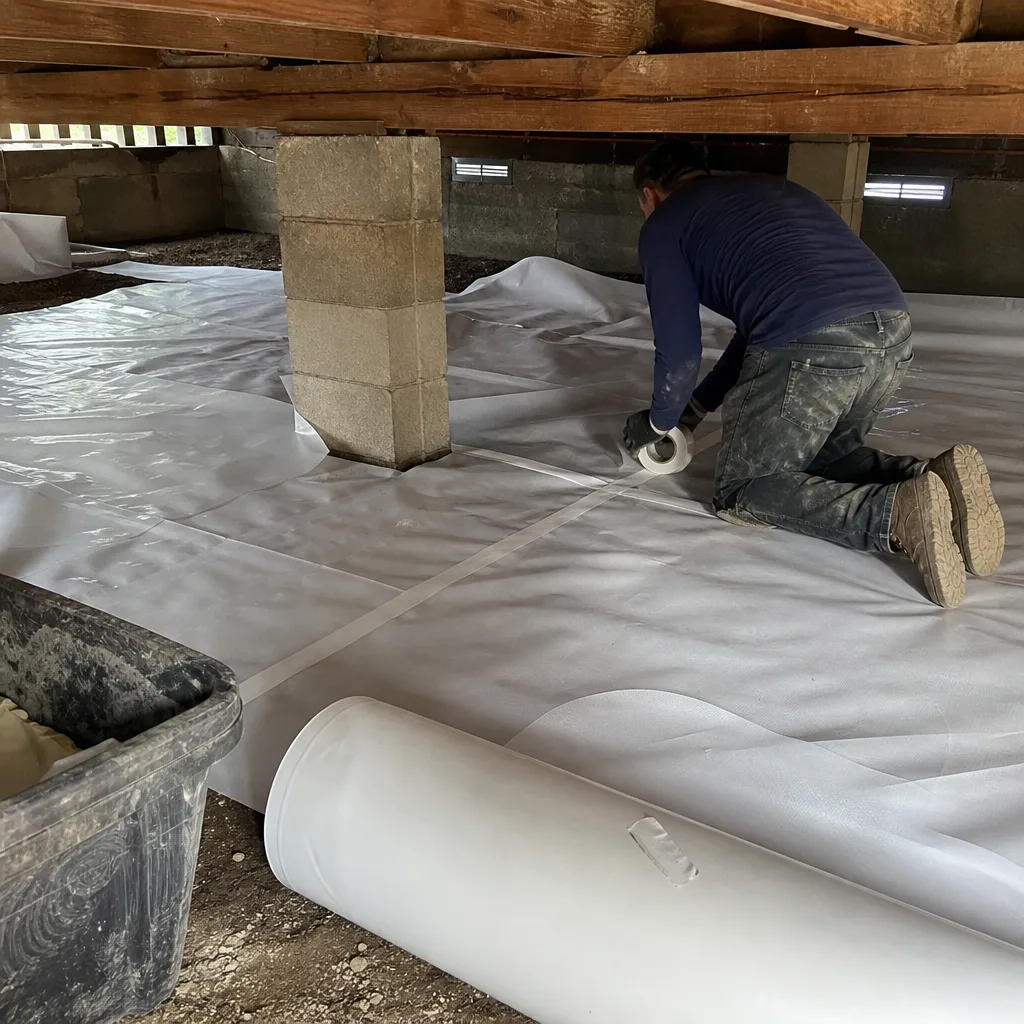
- Neglecting crawl space evaluation. In El Monte’s 1950s and 1960s slab-on-grade homes with perimeter crawl spaces, uninsulated crawl space walls create significant thermal bridging. The crawl space encapsulation and vapor barrier in El Monte page addresses this interaction.
When to Call a Professional
Call a qualified insulation contractor when your attic insulation is below R-30, when you feel drafts from ceiling fixtures or the access hatch, when energy bills spike without usage change, or when you’re planning any roof work that will expose the attic plane - see our Insulation Warning Signs: A El Monte Homeowner’s Reference Guide for the full checklist. In El Monte’s climate, these conditions cost measurable money every cooling season.
Topside Attic Insulation El Monte offers free estimates in El Monte - call (626) 415-3454. Every estimate includes a written scope with line-item pricing, no obligation. We also provide a Free Second Opinion on any written estimate from another contractor; bring us their quote and we will review it with you, line by line, to identify scope differences and potential issues.
Frequently Asked Questions
Most complete attic insulation jobs in El Monte run $2.80 to $5.50 per square foot for blown-in fiberglass or cellulose at R-38 to R-49, including air sealing and documentation. For tips on maintaining performance year-round, see our Seasonal Insulation Care for El Monte: Year-Round Homeowner’s Guide. Spray foam ranges from $4.50 to $8.00 per square foot for open-cell and $6.50 to $12.00 for closed-cell. The exact figure depends on material choice, attic accessibility, whether removal is needed, and whether permits and HERS verification are triggered. Call (626) 415-3454 for a written estimate specific to your home - estimates are free.
Repair, meaning adding new material over old, is cheaper when the existing insulation is dry, uncompressed, and uncontaminated - typically saving $1,000 to $2,000 in removal costs. Replacement is necessary and ultimately cheaper than layering over damaged material when moisture content exceeds 15 percent, rodent contamination is present, or compression has reduced thickness below 50 percent of original. The wrong choice produces odor, mold risk, and performance that never meets specification. We test moisture content during every evaluation and document the finding.
No, and any contractor who offers same-day installation without evaluation is performing a “blow and go” that skips critical scope steps. Our process requires attic access evaluation, moisture testing, combustion safety check where applicable, and written scope confirmation before scheduling. This typically takes 45 to 90 minutes on site, with installation scheduled within 3 to 5 business days for standard jobs. Emergency situations, such as insulation saturated by roof leaks, can be expedited.
Professional air sealing adds $300 to $700 for a standard El Monte attic, covering 4 to 8 hours of labor and $80 to $200 in materials. This seals top plates, can lights, plumbing and electrical penetrations, chimney chases, and duct boot connections. Skipping this step produces a job that performs at 60 to 70 percent of rated R-value. The cost is recovered through energy savings, typically within 2 to 4 years in El Monte’s climate.
Permits are required for new construction, additions, alterations exceeding $1,000 valuation, roof replacements with insulation modification, and work participating in utility rebate programs. Simple retrofit over existing finish typically does not require permitting. City of El Monte permit fees run $180 to $350 for typical insulation work, plus $85 to $150 for plan check if required. HERS rater verification, when triggered, adds $250 to $450 for third-party field verification and CF2R form completion.
Look for specific line items: “pre-work blower-door test, CFM50” and “post-work blower-door test, CFM50” with documentation, or “installed depth photo record.” Vague language like “quality assurance included” or “we test our work” means nothing without specified metrics. If these are listed as optional extras, expect $200 to $400 for blower-door testing and $100 to $200 for comprehensive photo documentation. Our Documented Photo Record and blower-door readings are included on every applicable job, not available on request.
The Bottom Line
Insulation cost in El Monte is not a single number but a function of scope decisions that determine whether the job performs or merely exists. The 40 to 60 percent spread between competing quotes reflects real differences in air sealing, removal, documentation, and code compliance, not arbitrary markup. A homeowner who understands line-item pricing can compare genuinely comparable bids and choose the scope that matches their performance goals. The cheapest quote is rarely the least expensive over the life of the home. Start with a written scope that specifies material, depth, air sealing, and documentation, and verify that what is promised is what is delivered.
Written by Wes Okafor, Owner at Topside Attic Insulation El Monte, serving El Monte since 2016.