
How Much Does Attic Insulation Cost in El Monte?
Attic Insulation Near Me in El Monte, CA typically costs between $1,400 and $3,800 for a standard single-family home, with most jobs landing around $1,900 to $2,600 depending on attic square footage, existing insulation condition, and whether air sealing is done first. Homes in El Monte’s older tracts – particularly those built before 1980 in neighborhoods like North El Monte and the areas east of Tyler Avenue – often need old insulation removed before anything new goes in, which adds $600 to $1,200 to the total. Get a written price before any work begins; that number should be flat, scoped, and signed before a crew lifts a tool.
Attic Insulation Cost Breakdown (2026)
Most attic insulation jobs in El Monte break down into a handful of line items. The table below reflects what homeowners in this market are actually paying in 2026, based on typical San Gabriel Valley labor rates and material costs from brands like Owens Corning, Johns Manville, and GreenFiber.
| Service / Component | Typical Price Range (El Monte, 2026) | Notes |
|---|---|---|
| Blown-in fiberglass insulation (per sq ft) | $1.20 – $2.10 | Common in 1,000-1,800 sq ft attics |
| Blown-in cellulose insulation (per sq ft) | $1.00 – $1.80 | GreenFiber and similar; good thermal and sound performance |
| Spray foam insulation – open cell (per sq ft) | $1.60 – $2.80 | Icynene or Demilec product lines; best for air sealing at rafters |
| Spray foam insulation – closed cell (per sq ft) | $3.00 – $5.50 | Higher R-value per inch; used selectively in conditioned attic builds |
| Attic air sealing (top plates, can lights, penetrations) | $350 – $900 | Should always precede blown-in insulation – not optional |
| Old insulation removal (blown-out or damaged) | $600 – $1,400 | Bags, vacuum, haul – pricing scales with access and depth |
| Radiant barrier installation | $500 – $1,100 | Reflective foil stapled to rafters; reduces summer attic temps significantly in El Monte’s heat |
| Attic cleaning and rodent proofing | $400 – $1,000 | Common in older El Monte homes near the Rio Hondo channel and Garvey Avenue corridor |
| Full job – air seal + blown-in insulation (1,200 sq ft attic) | $1,900 – $2,800 | Most common project size in El Monte residential market |
| Full job – removal + air seal + new insulation (1,200 sq ft) | $2,800 – $4,200 | Typical for pre-1980 homes with degraded or rodent-damaged material |
A few things drive these numbers up or down in El Monte specifically. Access is one. Some of the craftsman-era and post-war homes in South El Monte have low-pitch roofs and tight attic hatches that require extra labor time and sometimes a smaller crew configuration. That shows up in the quote. Attic square footage is the biggest single variable – a 900 sq ft attic costs meaningfully less than a 1,600 sq ft one, even with the same material and labor rates. And material choice matters: a Knauf or Johns Manville blown fiberglass job at R-38 will price differently than an open-cell spray foam application along the roofline, because the installation method, equipment, and curing time are different processes entirely.
One number that rarely gets discussed upfront: the blower-door test – a pressurization reading that shows, in one number, how much air your building envelope is losing. At Envelope Insulation Co., operating as Attic Insulation in El Monte under the Topside brand, we publish before-and-after blower-door numbers on every applicable job. If a crew seals your top plates and can lights and the reading doesn’t change, you deserve to know that before the invoice is signed. That’s why the blower-door result is part of the documented record we leave with you, not a detail you have to request.
What Affects Attic Insulation Pricing in El Monte
El Monte is not a generic Southern California suburb when it comes to insulation work. The housing stock ranges from 1940s rental cottages near the 10 freeway to 1990s stucco tract homes in the Norwood neighborhood, and each type comes with its own cost profile. Here are the factors that move the price most.
- Existing insulation condition: Homes in the Garvey Avenue and Valley Boulevard corridors built before 1975 frequently have original rock wool or early fiberglass batts that have compressed, moisture-wicked, or been disturbed by rodents. Removing that material – vacuuming it out in bags, sealing the attic floor, then starting clean – adds $600 to $1,400 before a single inch of new insulation goes in. If your attic floor looks like gray felt and you haven’t touched it since you bought the house, budget for removal.
- Air sealing completeness: This is where a lot of El Monte homeowners get undersold. Blowing insulation over an unsealed attic floor is like stuffing a drafty window with fiberglass – the R-value rating on the bag is real, but the thermal performance in the house is not. Top plates, recessed can lights, plumbing and electrical penetrations, and attic hatches all need to be sealed with fire-rated caulk or foam before insulation goes on top. Air sealing adds $350 to $900 to a job, but it’s the reason the blower-door reading improves. We treat it as a hard prerequisite, not a line item you can remove.
- Target R-value: California’s Title 24 energy code requires R-38 in climate zone 9, which covers El Monte. Some older homes still have R-13 or R-19 – getting to code from that baseline requires more material and more installation time. Moving from R-19 to R-38 with blown fiberglass typically adds one to two inches of depth and runs $0.50 to $0.90 per square foot more than a top-off to R-30.
- Attic access and geometry: Homes on the east side of El Monte near Peck Road with low hip roofs or multiple HVAC penetrations require a crew that can work around obstructions. Access hatches smaller than 22 by 30 inches slow the process and can change crew configuration. Tight geometry is labor, and labor is part of the flat price you receive before anyone starts.
- Material type: Blown cellulose from GreenFiber costs less per square foot than blown fiberglass from Owens Corning or Johns Manville, and both cost less per inch than open-cell spray foam from Icynene or Demilec. Closed-cell spray foam costs more per inch than open-cell but delivers a higher R-value in less depth, which matters in low-clearance applications. There’s no single right answer – the right material depends on attic geometry, budget, and whether you’re insulating a vented or unvented attic assembly.
- El Monte summer heat load: The San Gabriel Valley heat pattern – where El Monte regularly sees temperatures 8 to 12 degrees Fahrenheit higher than coastal zones during summer – means radiant barriers are a practical addition, not a premium upsell. A reflective foil barrier stapled to the underside of the rafters before blown-in insulation goes down can reduce attic temperatures by 20 to 30 degrees on a 100-degree day. That’s not a marketing claim; it’s physics. Adding a radiant barrier typically costs $500 to $1,100 and changes the long-term comfort calculation for a home that runs air conditioning from May through October.
 Before
 After
AfterEl Monte Permit and Code Requirements for Attic Insulation
El Monte falls under the Los Angeles County Department of Regional Planning for unincorporated areas and the City of El Monte’s Building and Safety Division for incorporated parcels. Attic insulation work – particularly when it involves new construction, attic conversions, or change in assembly type – may require a building permit under California Building Code Section R806 and the current version of Title 24, Part 6.
For a straightforward Attic Insulation Top-Up in a vented attic with no structural changes, no permit is typically required by the City of El Monte’s Building and Safety Division. But if work involves changing the attic from vented to unvented – a conditioned attic assembly using closed-cell spray foam along the roofline, for example – a permit is required, and the assembly must meet Title 24 Part 6 prescriptive requirements. R-38 is the minimum for climate zone 9 ceiling assemblies; if you’re building a conditioned attic, the roofline assembly must hit R-19 minimum with closed-cell foam under CEC prescriptive tables.
We pull permits where required. The written scope you receive before any work starts identifies whether a permit applies to your specific job. If it does, the permit cost is included in the flat price – not added later.
How to Save on Attic Insulation in El Monte
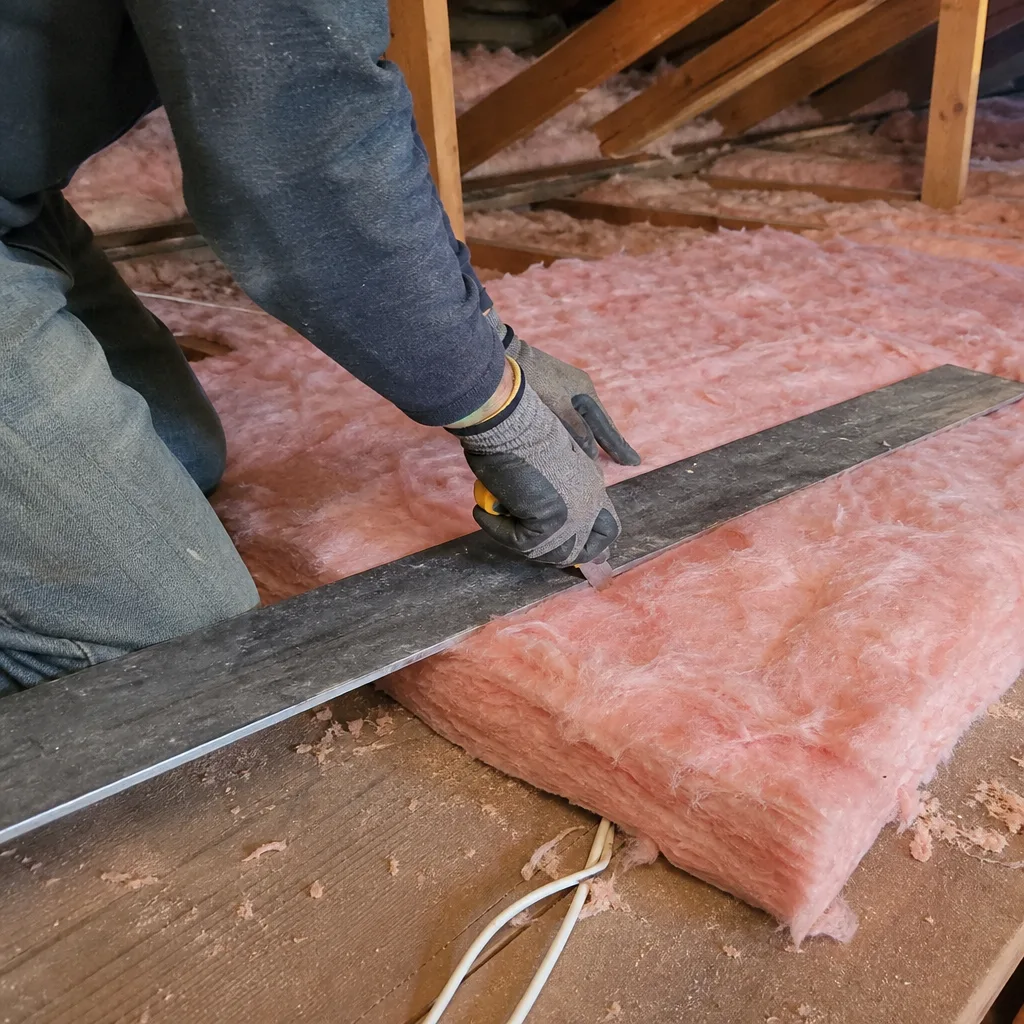
The most effective way to reduce the cost of attic insulation is to combine it with air sealing in a single mobilization. Running two separate crews on two separate days – one for air sealing and one for insulation – costs more in labor than handling both at once. Most of the jobs we complete in El Monte run air sealing in the morning and blown-in insulation the same afternoon, which keeps the mobilization cost to one trip and the attic disruption to one day.
A few other practical ways to reduce what you spend:
- Use the available utility rebates. Southern California Edison offers rebates for attic insulation upgrades that meet Title 24 R-38 thresholds – the current program year offers up to $250 for qualifying insulation installs. SoCalGas has separate programs for gas-heated homes. These rebates don’t appear automatically on a contractor’s quote; you apply for them separately, but the installed scope needs to meet program specifications. Ask for confirmation in writing that your job qualifies before scheduling.
- Don’t over-spec the material. Closed-cell spray foam at R-6.5 per inch is the right call for specific assemblies, but it’s not always the right call for a standard vented attic in El Monte. Blown fiberglass or cellulose at R-38 accomplishes the same thermal goal at a fraction of the cost per square foot. The right material question is about assembly type and geometry, not prestige.
- Address rodent entry points before the insulation job, not after. Replacing insulation that was contaminated or disturbed by rats costs the same as the first installation – plus removal of the contaminated material. Homes near the Rio Hondo flood control channel and the older commercial strips on Valley Boulevard and Garvey Avenue have higher rodent pressure than most of the rest of the San Gabriel Valley. Sealing exterior penetrations and doing attic cleaning before the insulation goes in is cheaper than replacing it in two years.
- Get a second opinion on any written estimate. If you have a quote from another contractor, we’ll read it with you at no charge. Under Haven Standard Clause 1, a written price before any work starts is the baseline – not a negotiating tactic. A free second opinion means you compare apples to apples before you commit.
- Schedule in fall or early spring. Labor availability in El Monte and the broader San Gabriel Valley shifts seasonally. Summer scheduling – when HVAC contractors and insulation crews are both running at capacity – can push lead times out. Fall and early spring typically have shorter scheduling windows and, in some cases, more flexibility on mobilization timing.
For a written price specific to your attic’s square footage and current condition, call (626) 415-3454. Wes Okafor and the team at Topside Attic Insulation El Monte give free estimates with a written scope – no work starts without it, and there’s no cost to getting the number on paper.
What the Job Looks Like, Start to Finish
A lot of the anxiety homeowners have about attic insulation comes from not knowing what the crew is doing up there. Here’s what a standard El Monte job looks like under The Haven Standard.
Before the crew arrives, you get a text with the technician’s name. No anonymous vans, no guessing if it’s the right crew. The technician who shows up is background-checked and in uniform. That’s not a marketing point; it’s how we document chain of custody for the work being performed.
The job starts with a blower-door test – a pressurization reading that tells us, before we touch anything, exactly how much air the building envelope is losing. That number gets recorded. Then the attic floor is inspected visually and photographed. If there’s existing insulation that’s compressed, contaminated, or R-value-deficient, the Attic Insulation Replacement conversation happens before any work is scoped. You see the photos.
Air sealing comes next. Top plates – the framing members at the ceiling-attic interface where walls meet the attic floor – are sealed with fire-rated foam and caulk. Recessed can lights, plumbing vent stacks, electrical penetrations, and the attic hatch get the same treatment. This is the step that most contractors skip or treat as optional. We don’t. It’s in the written scope, and it’s a hard prerequisite before any insulation goes in. Once sealing is complete, the blower-door reads again. You’ll see both numbers.
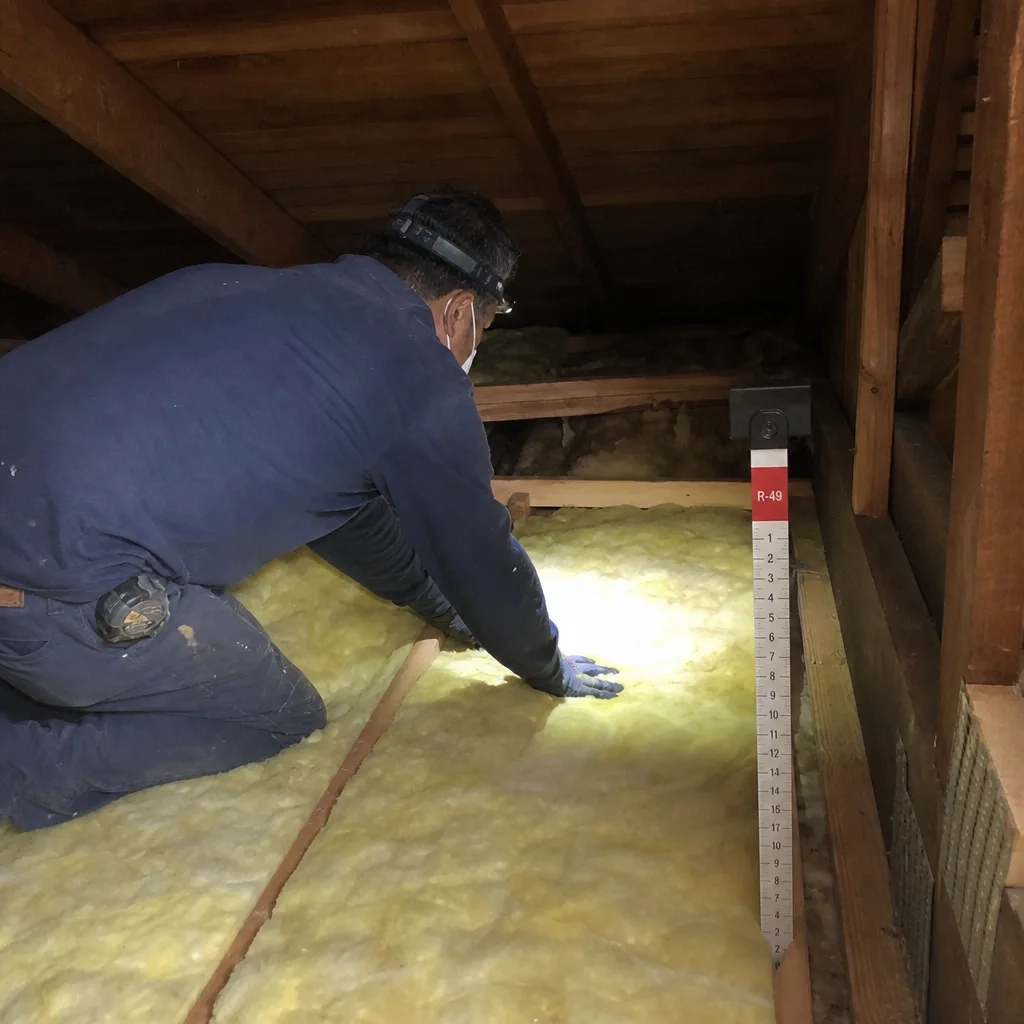
Blown-in insulation – fiberglass, cellulose, or the specified material – goes in to the depth that hits the contracted R-value. For most El Monte attics targeting R-38, that’s approximately 13 to 15 inches of blown fiberglass or 10 to 12 inches of cellulose at settled depth. If a radiant barrier was scoped, that goes in before the blown-in material, stapled to the underside of the rafters.
When the crew leaves, you have a documented photo record of the before and after, both blower-door readings (before seal and after seal), and the written warranty under the 365-Day Done Right Promise. If something isn’t right within that window, we make it right. That’s not a slogan; it’s a written commitment in the scope you received before we started.
Why Air Sealing Before Insulation Is Not Optional in El Monte
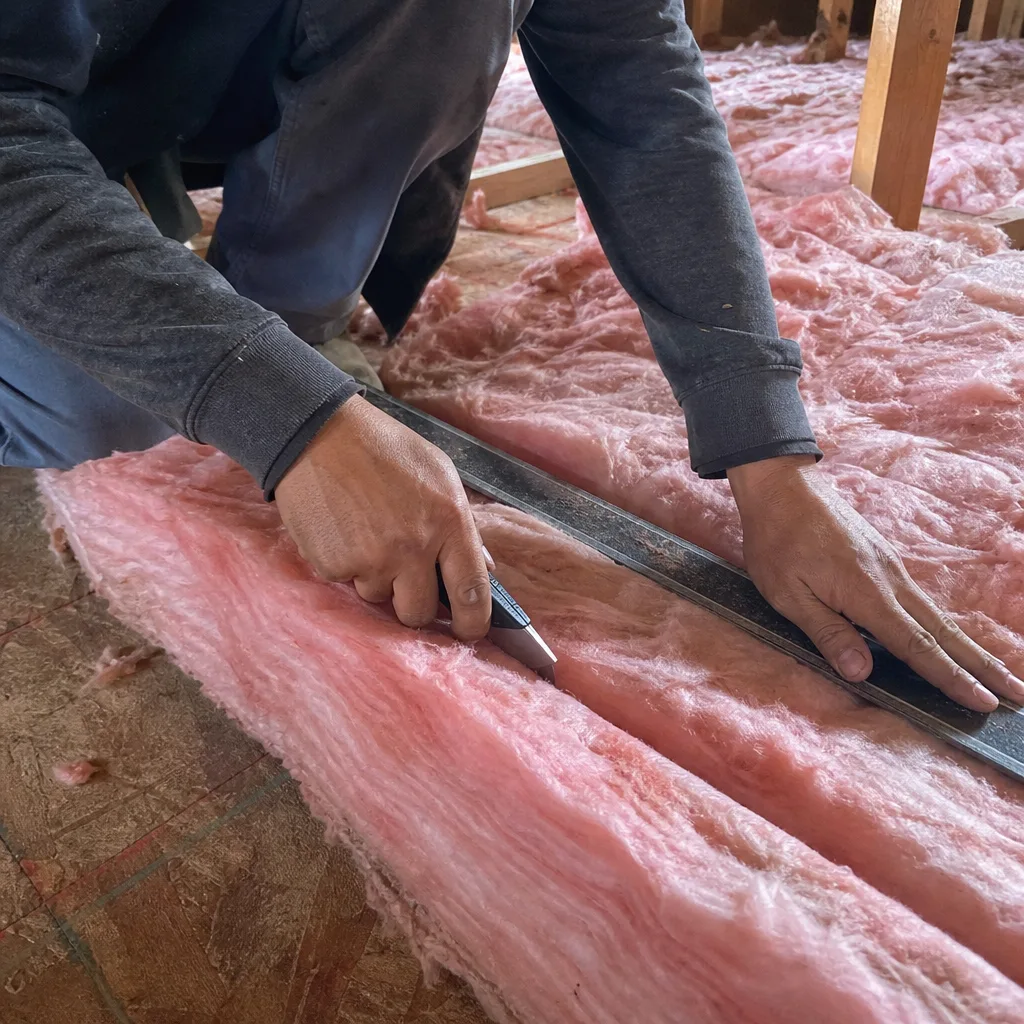
El Monte sits in a climate zone where summer attic temperatures routinely exceed 140 degrees Fahrenheit on a 100-degree day. That temperature differential creates stack effect pressure – warm air rises and pushes through every gap in the ceiling plane into the conditioned space below. Blown-in insulation slows conductive heat transfer. It does almost nothing to stop air movement through gaps. The two mechanisms are different, and addressing only one of them leaves half the problem unsolved.
Every older home we’ve worked on in El Monte – particularly the 1950s and 1960s tract construction that dominates the area between Valley Boulevard and the 10 freeway – has had meaningful air leakage at the top plates, around can lights, and at attic hatches. On some jobs, the blower-door reading before sealing was 3,800 CFM50 or higher. After sealing the same attic floor, that number dropped to 2,100 or below – roughly a 45% reduction in air loss – before a single bag of insulation was blown in. That improvement is what drives the utility savings you’re expecting from the project.
Insulation alone, without air sealing, sometimes produces no measurable change in blower-door readings at all. We publish both numbers because the data tells the story more clearly than any contractor copy can.
Comparing Insulation Types for El Monte’s Climate
El Monte’s climate zone 9 designation puts it in the same thermal band as most of the San Gabriel Valley – hot dry summers, mild winters, with a meaningful heating demand in December and January that coastal homeowners don’t deal with. The right insulation material for a vented attic here is different from what you’d specify for a home in Pasadena with a finished attic or a home in Torrance near the coast.
Blown-in Fiberglass
Materials from Owens Corning and Johns Manville are the workhorses of the San Gabriel Valley attic insulation market. R-value per inch runs roughly 2.2 to 2.7, so hitting R-38 requires 14 to 17 inches of settled depth. It’s non-combustible, doesn’t absorb moisture, and installs fast in open vented attics. Cost per square foot is in the middle of the range – typically $1.20 to $2.10 installed. This is the right call for most standard vented attic configurations in El Monte.
Blown-in Cellulose
GreenFiber and similar cellulose products offer slightly better air resistance than fiberglass at the same R-value – the denser material packs more tightly around obstructions. It costs slightly less per square foot than fiberglass in most El Monte jobs, running $1.00 to $1.80 installed. The main consideration: cellulose can absorb moisture if the attic has a ventilation problem, and El Monte’s periodic marine-layer intrusions in late spring can raise attic humidity enough to matter. Confirm attic ventilation is adequate before specifying cellulose.
Open-Cell Spray Foam
Icynene and Demilec open-cell products are used primarily in unvented or hybrid attic assemblies where the foam is applied to the underside of the roof deck rather than the attic floor. R-value per inch is lower than closed-cell – roughly 3.5 to 3.7 – so you need more depth to hit code minimums. Installed cost runs $1.60 to $2.80 per square foot for the attic floor application. The air-sealing performance is excellent; open-cell foam fills irregular gaps better than any blown-in product. But it’s not the default choice for a standard vented attic.
Closed-Cell Spray Foam
At R-6.0 to R-6.5 per inch, closed-cell foam from Icynene or Demilec hits R-38 in about 6 inches, which matters when attic clearance is limited. It also functions as a vapor barrier and adds structural rigidity to the assembly. The tradeoff is cost: $3.00 to $5.50 per square foot installed makes it the most expensive option by a significant margin. The right application in El Monte is a conditioned attic build or a home with specific moisture control requirements, not a standard top-off project.
Radiant Barrier
A reflective foil barrier from CertainTeed or similar manufacturers doesn’t add R-value in the traditional sense, but it reflects radiant heat from the roof deck before it can conduct into the attic space. In El Monte’s summer climate, this can reduce attic air temperature by 20 to 30 degrees, which meaningfully reduces the cooling load on the air handler. It’s most effective in homes with duct systems running through the attic – a common configuration in San Gabriel Valley tract construction. Cost runs $500 to $1,100 for most attic sizes and is often combined with a blown-in insulation project in the same mobilization.
FAQs – Attic Insulation Cost in El Monte
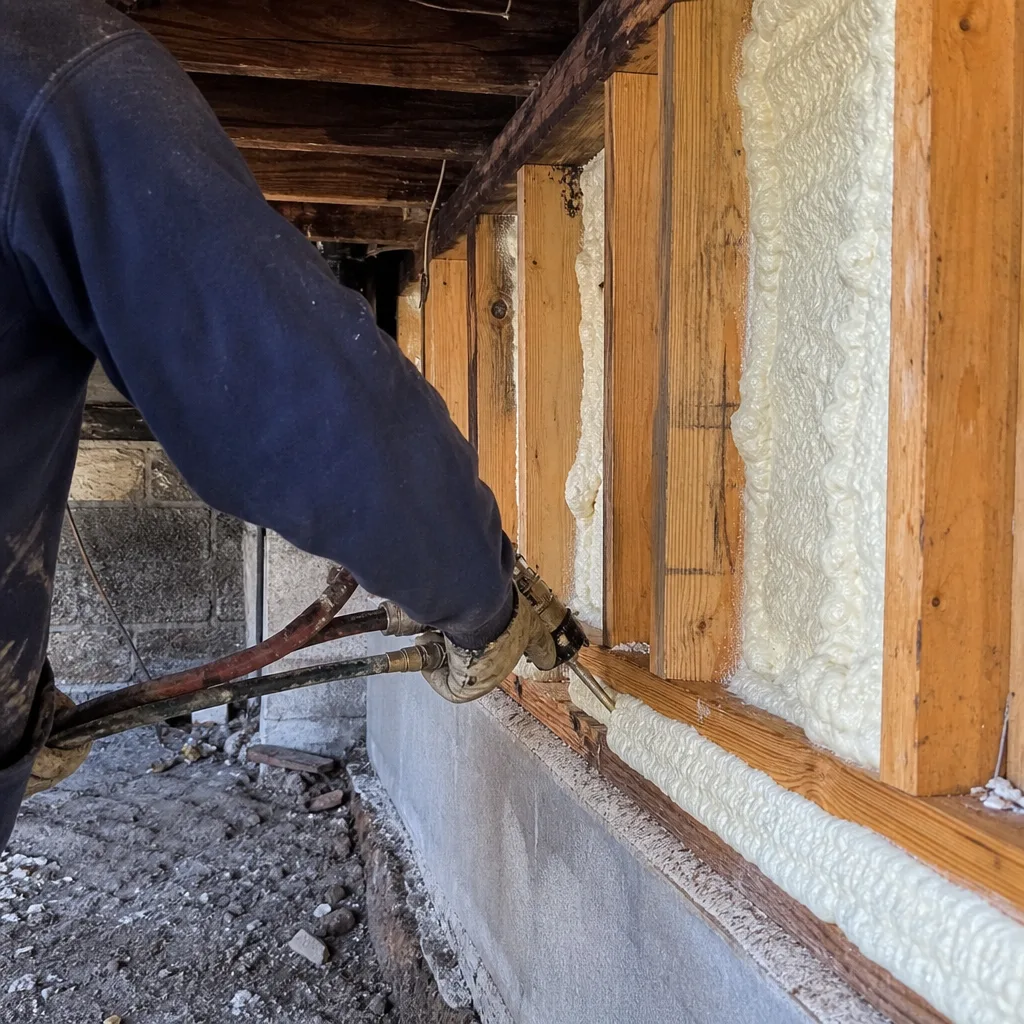
How much does attic insulation cost in El Monte, CA?
Most attic insulation jobs in El Monte run between $1,400 and $3,800, with the most common project – air sealing plus blown-in insulation in a 1,000 to 1,400 square foot attic – landing between $1,900 and $2,600. Homes needing old insulation removed first typically run $2,800 to $4,200 for the full scope. For a flat price specific to your attic, call (626) 415-3454 – the estimate is free and the written price comes before any work starts, every time.
Does attic insulation require a permit in El Monte?
A standard blown-in insulation top-off in a vented attic generally does not require a permit from the City of El Monte’s Building and Safety Division. Work that changes the attic assembly type – converting a vented attic to an unvented conditioned assembly with spray foam at the roofline, for example – requires a permit and must meet Title 24 Part 6 prescriptive requirements for climate zone 9, including R-19 minimum for unvented rooflines with closed-cell foam. We identify permit requirements in the written scope before any work starts.
How long does attic insulation installation take in El Monte?
Most single-family attic insulation projects in El Monte complete in one day. A standard 1,200 square foot attic – air sealing in the morning, blown-in insulation in the afternoon – is typically a 4 to 6 hour job for a two-person crew. Removal of existing material adds 2 to 4 hours. Larger homes with complex geometry or significant attic access limitations can run into a second day, and that timeline is stated in the written scope before scheduling.
Is it cheaper to repair or replace attic insulation in El Monte?
If the existing insulation is above R-19 and shows no contamination, compression below 60% of original depth, or moisture damage, our Attic Insulation services include a top-off to R-38 as the cheaper path at $1.20 to $2.10 per square foot for blown-in material. If the existing material is rodent-contaminated, moisture-damaged, or falls below R-13, replacement is almost always the more cost-effective long-term decision – contaminated insulation continues to off-gas and loses R-value, so patching over it extends the problem. Removal adds $600 to $1,400, but it’s the correct starting point when the existing material is compromised.
Can I get utility rebates for attic insulation in El Monte?
Yes. Southern California Edison serves most of El Monte and offers rebates for qualifying attic insulation installs that meet or exceed R-38 in climate zone 9 – the current program year rebate for insulation upgrades runs up to $250 for qualifying residential projects. SoCalGas offers separate incentives for homes on natural gas heat. Rebate eligibility depends on specific program requirements that change year to year; confirm in writing with your contractor that the installed scope qualifies before scheduling. We note rebate eligibility in the written scope when the job meets program specifications.
What R-value do I need for attic insulation in El Monte?
California Title 24, Part 6, climate zone 9 – which covers El Monte – requires R-38 minimum for ceiling insulation in conditioned homes. Many El Monte homes, particularly those built before 1980, still have R-13 to R-19 in the attic. Getting from R-19 to R-38 with blown fiberglass requires adding approximately 7 to 8 inches of settled depth on top of the existing material, assuming the existing layer is clean and not compressed. If you’re starting from bare drywall, R-38 from scratch requires approximately 14 to 17 inches of blown fiberglass or 10 to 12 inches of cellulose at settled depth.
Key Takeaways
- Most El Monte attic insulation projects cost $1,400 to $3,800, with the typical air-seal-plus-blown-in job running $1,900 to $2,600.
- Homes needing old insulation removed first should budget $2,800 to $4,200.
- California Title 24 requires R-38 for attic assemblies in El Monte’s climate zone 9.
- Air sealing top plates, can lights, and penetrations before insulation is not optional – it’s the step that changes the blower-door number and the thermal performance.
- Before-and-after blower-door readings are documented on every applicable job and included in the written record you receive when the crew leaves.
- Southern California Edison rebates of up to $250 may apply to qualifying R-38 insulation installs.
- A radiant barrier is worth adding in El Monte’s climate if you have HVAC equipment or ducts in the attic – summer attic temps above 140 degrees directly affect cooling costs.
- Written price before any work starts, 365-Day Done Right Promise, and a documented photo record are included on every job – not available on request.
Get a Written Price for Your El Monte Attic
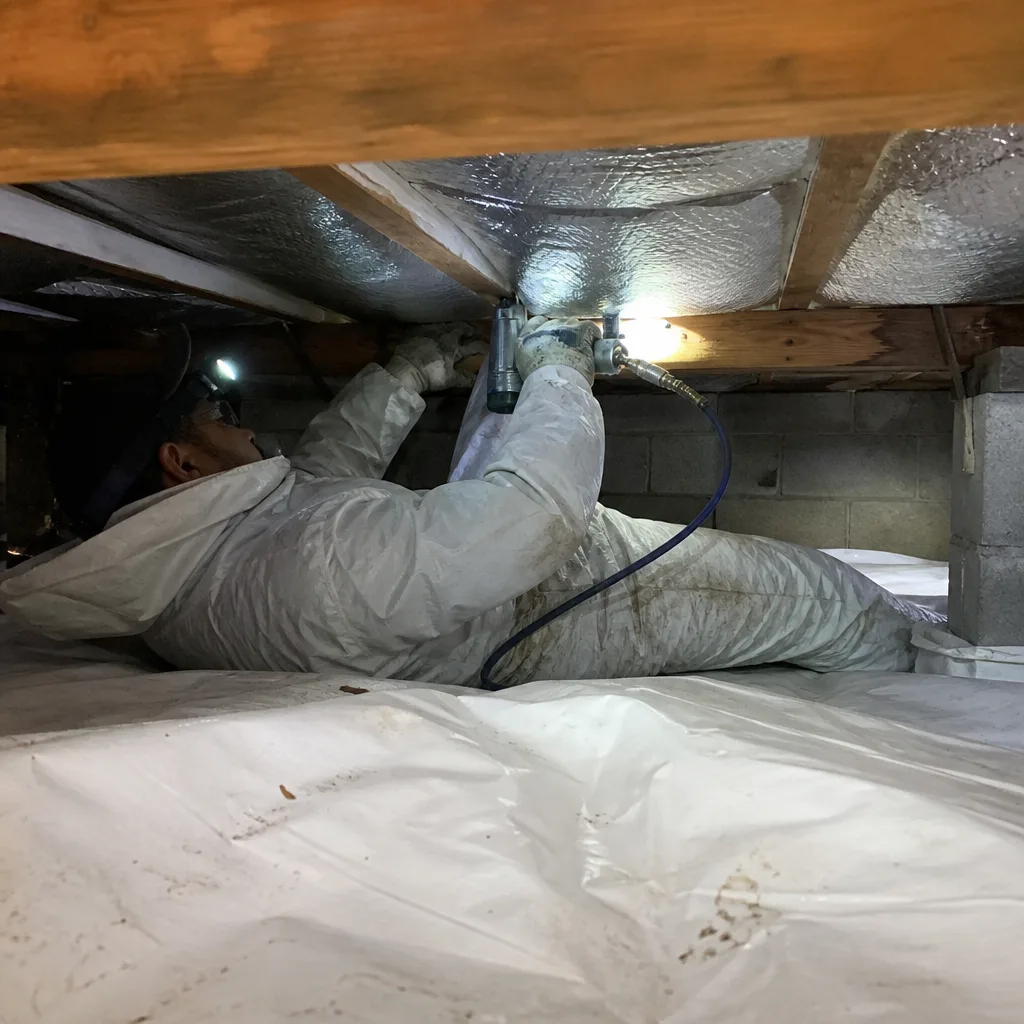
If you want a flat, written number for your specific attic – square footage, current insulation condition, R-value target, and whether air sealing and removal are part of the scope – call (626) 415-3454. The estimate is free. Wes Okafor leads the team at Topside Attic Insulation El Monte, and the written price comes before any work starts, without exception. That’s Haven Standard Clause 1, and it applies to every job we take on in El Monte.
You can also learn more about what’s included on a standard job by visiting our home page, or go straight to the service detail on Attic Insulation in El Monte to see what the full scope looks like from inspection to documented close-out.
Written by Wes Okafor, Owner at Topside Attic Insulation El Monte, serving El Monte, CA since 2016.
Pricing reflects the El Monte market as of 2026. Topside Attic Insulation El Monte offers free estimates – call (626) 415-3454.
What Our Customers Say
"The winter gas bill dropped by about a third. They had estimated a quarter, so they under-promised."
- Genevieve R."Turned up on time, protected the hallway, and the written scope matched what was actually done."
- Bruno S."Two other companies quoted to blow more insulation on top of what was there. These were the only ones who said the existing material had to come out first, and explained why."
- Clifford E.