
Attic Batt Insulation in El Monte, CA
Attic batt insulation in El Monte typically costs between $1,400 and $3,200 for a standard single-story home, installed in a single day with no existing insulation to remove. Batts – pre-cut fiberglass or mineral wool panels sized to fit between joists – are the right choice when your attic framing is clean, accessible, and on regular spacing. When those conditions exist, batts go in fast, stay in place without settling, and deliver a measurable R-value that holds over time.
At Topside Attic Insulation El Monte, we don’t start with the insulation. We start with the air. Every batt job begins with an air-sealing pass – top plates, can-light penetrations, plumbing stacks, wiring chases – because fiberglass batts do not stop air movement on their own. Skipping that step and laying batts over an unsealed attic floor is one of the most common installation mistakes we document in El Monte homes, and it’s why so many homeowners replace insulation twice instead of once. This approach is part of every job we take on under The Haven Standard, and it hasn’t changed since 2016.
If you’re comparing options or just want a number before committing, call us at (626) 415-3454. A live person answers. You’ll have a written price before any work starts – that’s Haven Standard Clause 1, not a line we added to sound good. You can also read more about the full scope of what we cover under Attic Insulation in El Monte if you want context before deciding which approach fits your home.
When You Need Attic Batt Insulation
Batts aren’t the answer for every attic, but when the conditions line up, they’re hard to beat for consistency and longevity. Here’s what typically points homeowners in El Monte toward this option:
- Rooms that won’t cool down, even with the AC running hard. El Monte summers push attic temperatures past 140°F regularly. If your second floor or ceiling rooms feel 8 to 12 degrees warmer than the rest of the house by mid-afternoon, degraded or absent attic insulation is almost always involved. Batt installation directly above those rooms can cut that delta measurably within the first billing cycle.
- Attic joists on standard 16-inch or 24-inch spacing. Batts are manufactured to those dimensions. If your framing is irregular – common in older South El Monte additions or converted garages – blown-in insulation fills the gaps that batts can’t. A quick attic assessment tells us which situation you’re in.
- New construction or post-renovation attic access. When a contractor has just framed an addition or the attic floor is otherwise clear, batts install cleanly without disrupting existing material. We see this frequently in Norwood and Pell neighborhoods where homeowners are adding square footage.
- Existing batts that are compressed, water-damaged, or rodent-contaminated. Compressed fiberglass loses R-value proportionally – a batt rated R-30 that has been flattened to half its designed thickness may be performing at R-15 or less. If rodent activity has matted or soiled the material, removal comes first, then air sealing, then new installation. We document all of it with photos before and after.
- High energy bills with no clear mechanical explanation. If your HVAC equipment tests fine and your duct system is intact, the building envelope is usually next. In El Monte’s dry climate, the attic is the biggest thermal weak point in most single-story homes built before 1995.
- You’re upgrading from an older R-11 or R-19 installation. California’s current Title 24 guidelines call for R-38 minimum in climate zone 10, which covers El Monte. Many homes we inspect are sitting at R-11 or R-19 from the original 1970s or 1980s install. Bringing that up to code – or past it to R-49 for better long-term performance – is a straightforward batt upgrade in most cases.
Our Attic Batt Insulation Process
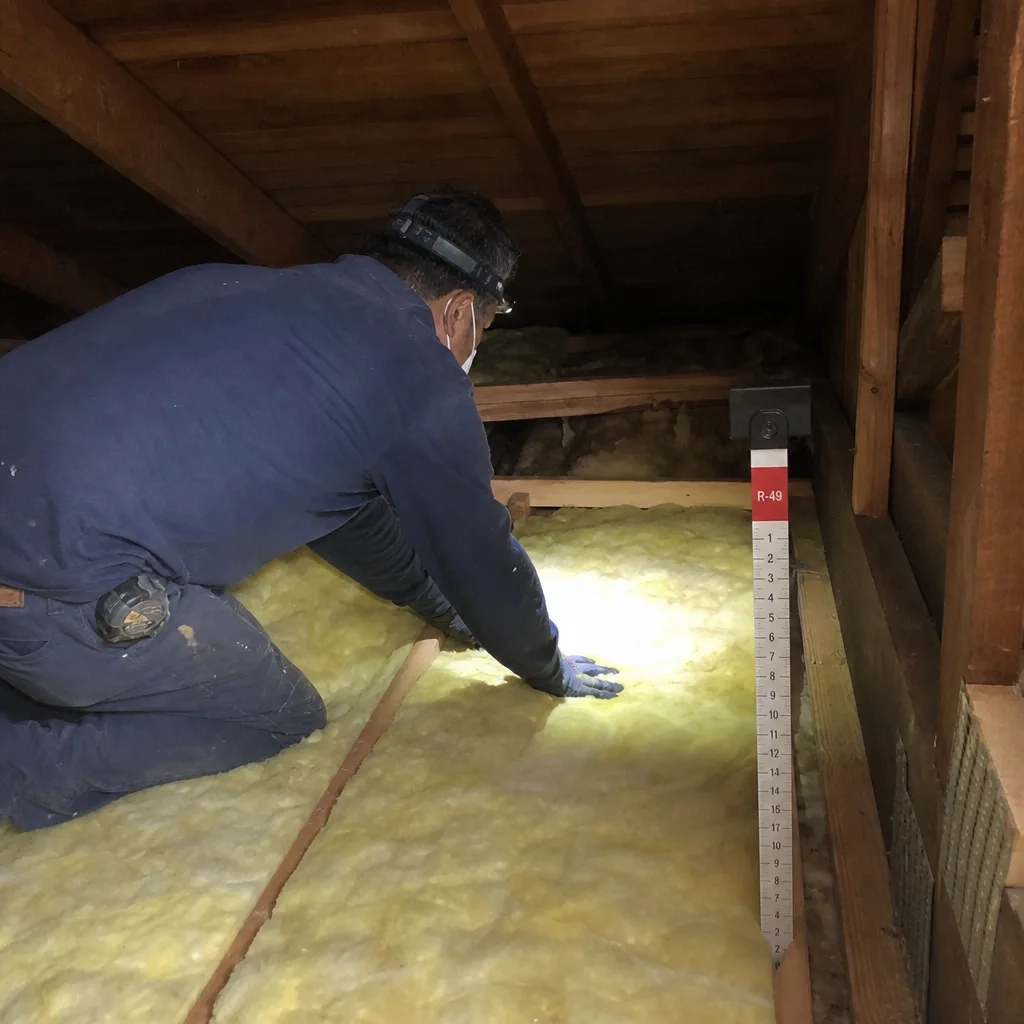
Every step below happens on every job, in this order. Nothing gets skipped to save time.
- Written scope and price before the job begins. We measure your attic, note the joist spacing, check existing R-value with a depth probe, and identify any obvious air bypasses. You get a flat written price with a named scope of work. Under Haven Standard Clause 1, no one picks up a tool until that document is in your hands. This is not a verbal estimate followed by a written invoice – the written price comes first.
- Blower-door baseline – pre-work air leakage reading. We run a blower-door test before touching the attic. This pressurization measurement gives us a CFM50 number – cubic feet per minute of air the home is losing at 50 pascals of pressure. In El Monte homes we’ve tested, pre-work readings commonly range from 3,000 to 6,500 CFM50. That number is documented and given to you. It’s the “before” figure you’ll compare to the “after.”
- Air sealing – top plates, penetrations, can lights, chases. This is non-negotiable. We seal every opening in the attic floor using spray foam and fire-rated caulk before any insulation is placed. Recessed can lights get air-tight covers where applicable. Plumbing stacks and wiring penetrations get sealed at the top plate. In El Monte homes built in the 1960s through 1980s, this step alone commonly drops the blower-door reading by 25 to 40 percent before a single batt goes in.
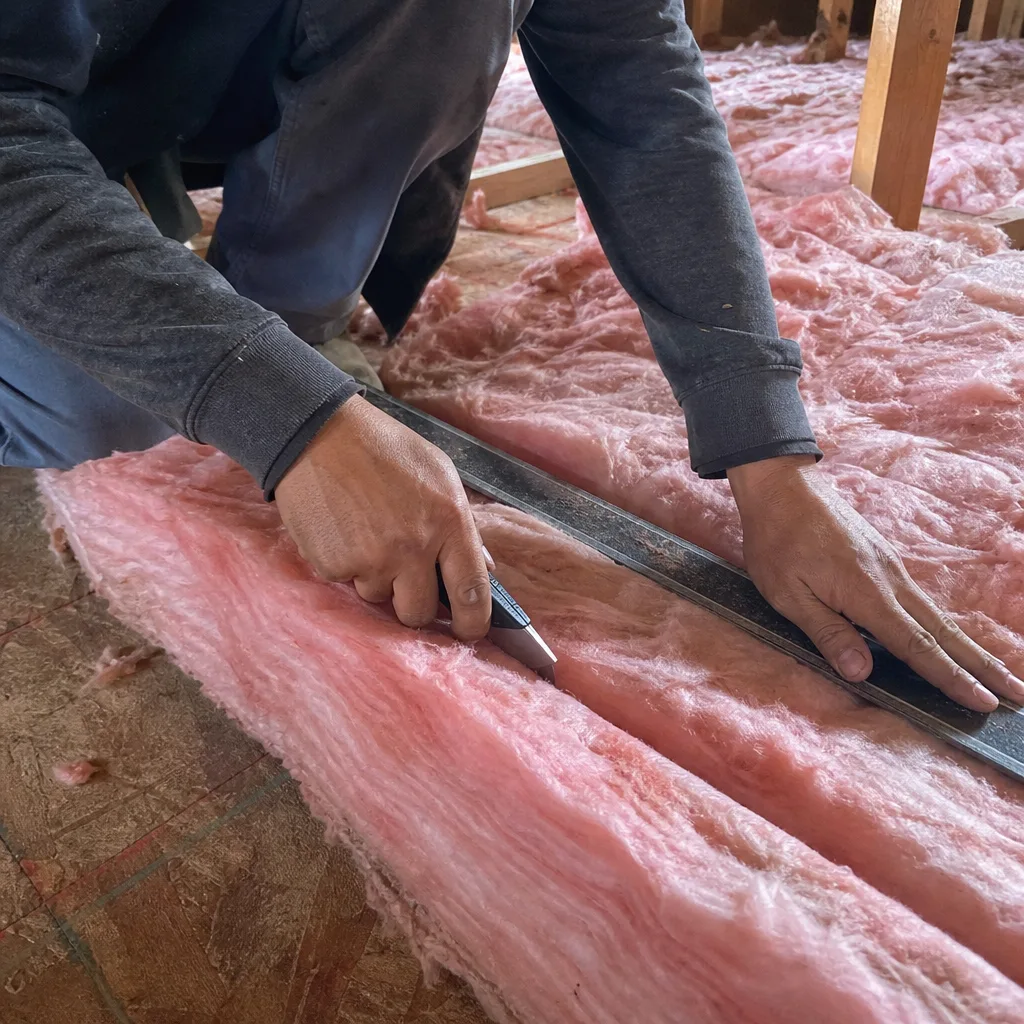
- Batt installation to specified R-value. We cut and fit batts to the framing cavities – no gaps at the edges, no compression at the edges or ends, no stacking batts in ways that trap moisture. For most El Monte attics targeting R-38, we use unfaced batts in the depth the framing allows and top them with a perpendicular layer where the joist depth won’t get you there in one run. Material comes from manufacturers like Owens Corning or Johns Manville depending on availability and specification – we don’t lock you into a single product line.
- Post-install blower-door reading. After the batts are in and the hatch is sealed, we run the blower-door again. The after number goes into your documentation alongside the before number. In a well-sealed attic, that number should drop. If it doesn’t move the way we projected, we find out why before we leave.
- Documented photo record and written warranty handoff. You receive a full photo record of the work – before, during, and after. The written warranty under the 365-Day Done Right Promise is included in the same package. If anything isn’t right within that year, we make it right. Not a callback window measured in weeks – we make it right.
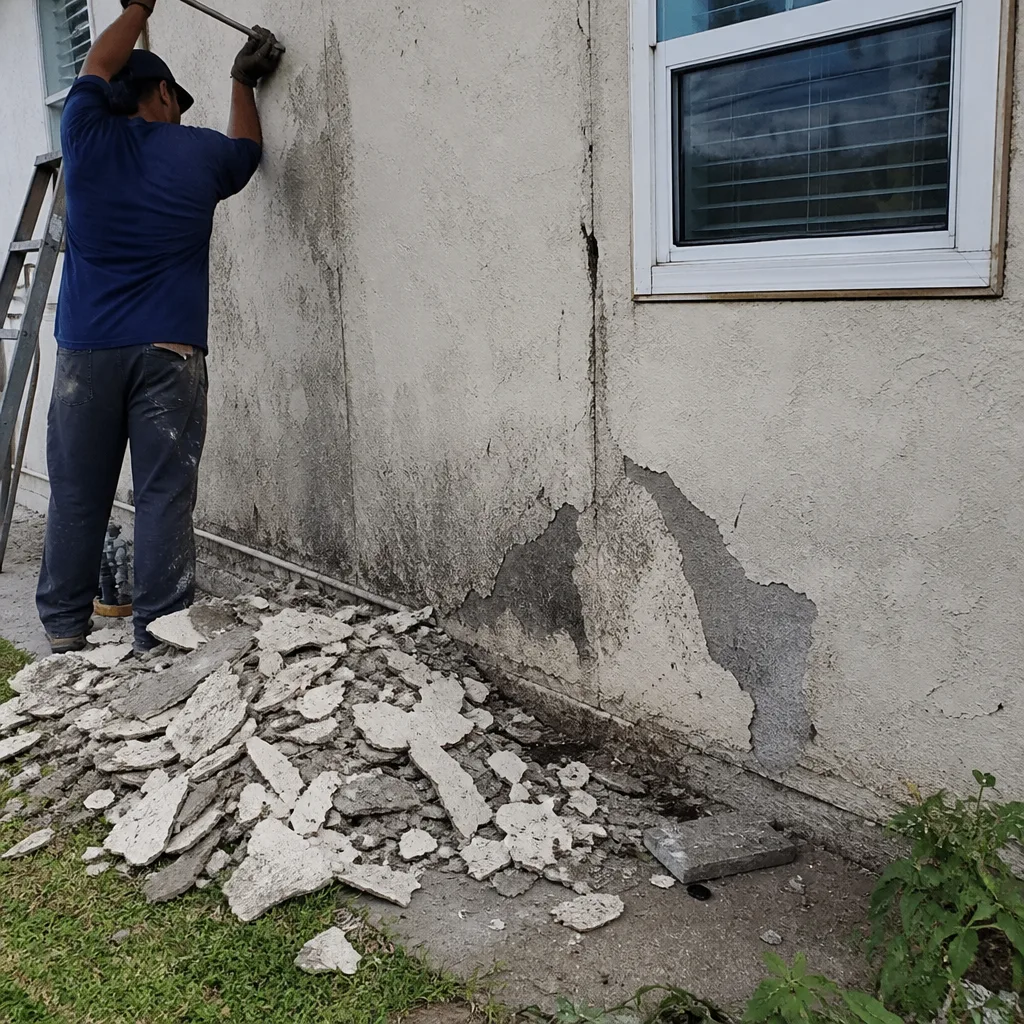 Before
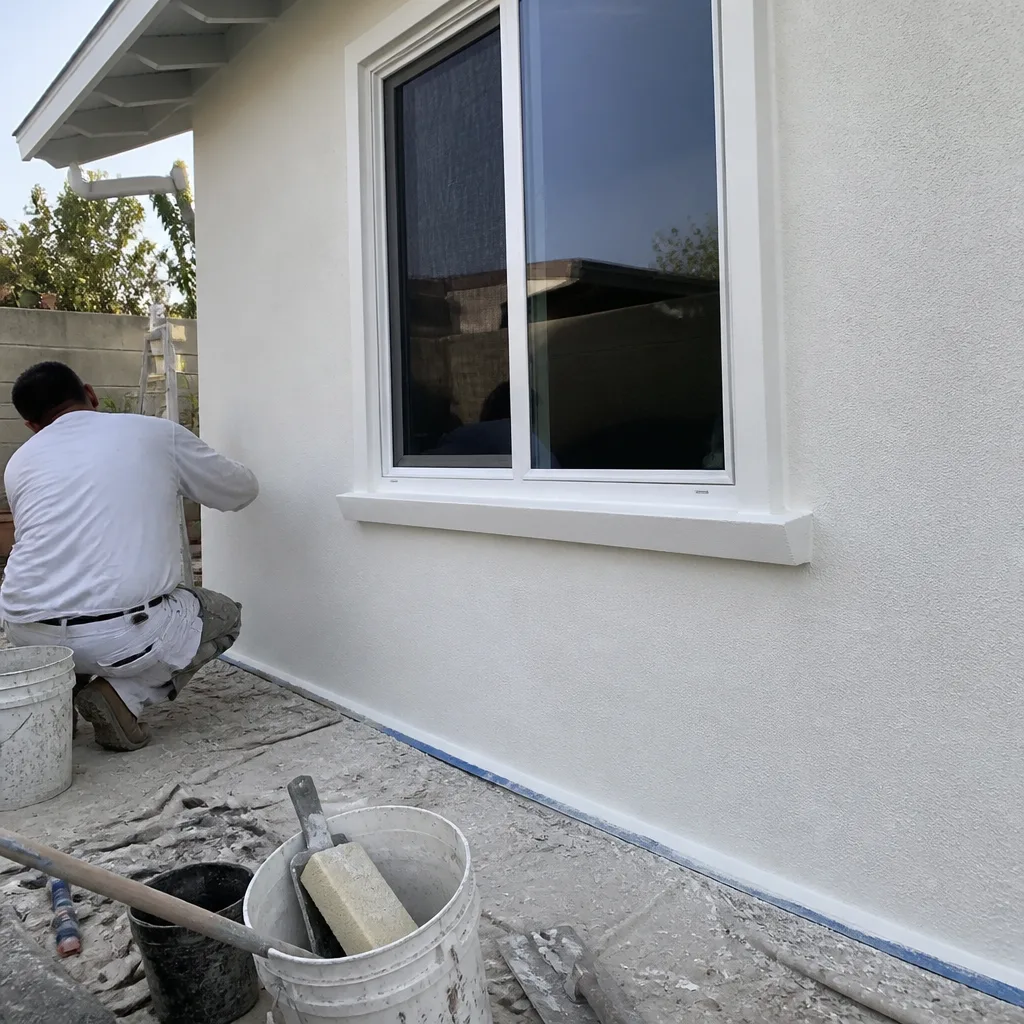 After
AfterAttic Batt Insulation Pricing in El Monte
Most attic batt insulation jobs in El Monte land between $1,400 and $3,200 for a standard single-story home with accessible framing and no existing material to remove. Here’s how the variables break down:
| Scope | Typical Range |
|---|---|
| Batt installation only, clean attic, up to 1,000 sq ft, R-30 | $1,400 – $1,800 |
| Batt installation with air sealing, 1,000-1,500 sq ft, R-38 | $1,900 – $2,600 |
| Full upgrade including air sealing, batt removal, and reinstall, 1,500+ sq ft, R-49 | $2,600 – $3,800+ |
| Blower-door test (pre and post, both readings documented) | Included on applicable jobs |
| Documented photo record | Included on every job |
A few things move the number up or down:
- Attic accessibility. Low-pitch rooflines common in older El Monte ranch homes reduce how fast a crew can move through the space. Tight clearances add time, and time is part of the cost.
- Existing material removal. If there are old, matted, or rodent-contaminated batts in place, they come out first. Removal and disposal typically adds $400 to $900 depending on depth and attic square footage.
- Air sealing complexity. A 1970s El Monte home with 30 open can-light penetrations and unblocked wall cavities takes longer to seal than a newer home with minimal bypasses. We count and price the penetrations during the assessment – you see that number before we start.
- Target R-value. R-38 and R-49 both meet or exceed California Title 24 for climate zone 10, but the material volume differs. We’ll tell you what the performance gap between the two actually means for your specific home, not just quote both and let you guess.
We offer a free second opinion on any written estimate you’ve already received. Bring us a competing quote and we’ll read it with you – line by line – so you understand what’s included and what’s not. Call (626) 415-3454 to set that up. No pressure, no obligation.
FAQs – Attic Batt Insulation in El Monte
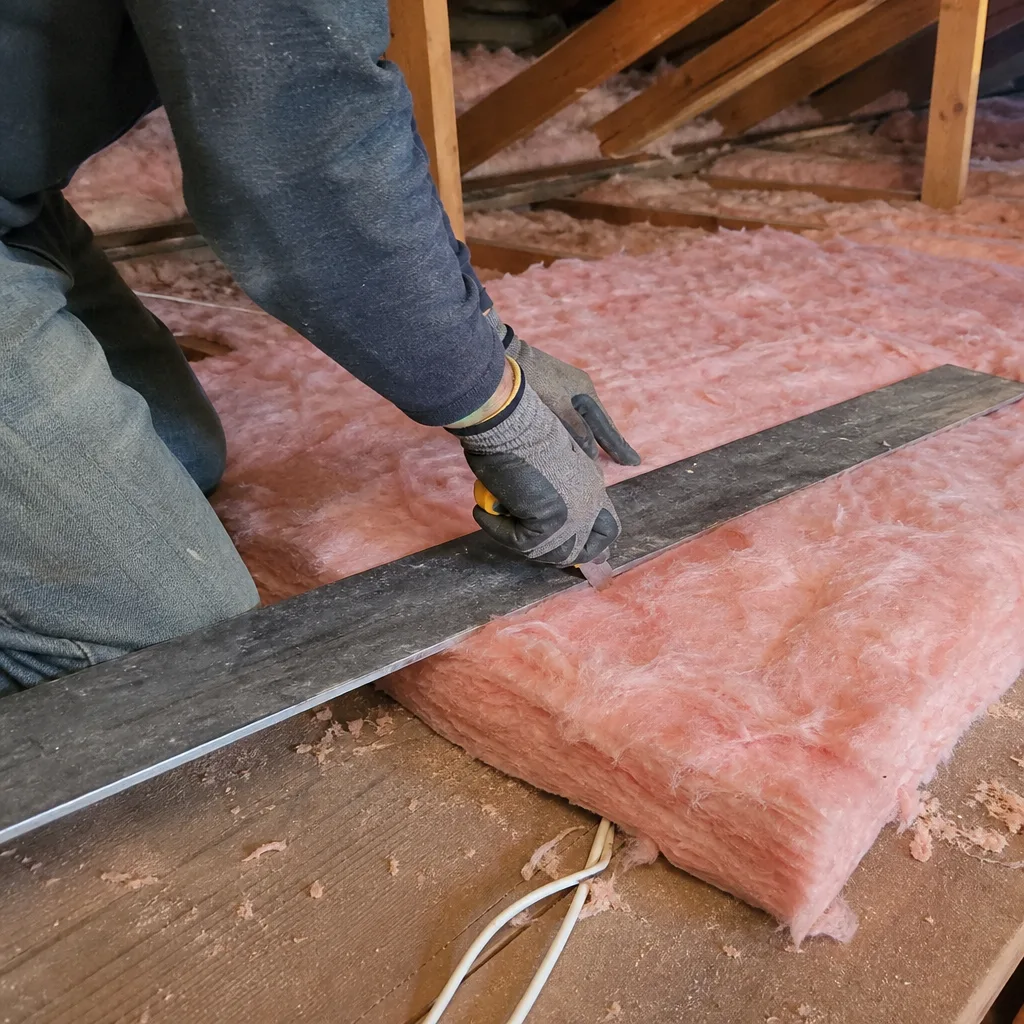
How long does attic batt insulation installation take in El Monte?
Most attic batt insulation jobs in El Monte are completed in one day – typically 4 to 8 hours depending on attic size and the extent of air sealing required. A 1,200-square-foot attic with moderate penetrations and no existing material to remove usually takes a crew about 5 hours from setup to photo documentation. Larger attics or homes with significant debris or rodent-damaged material may run into a second day. We tell you the expected timeline in writing before the job begins, so there are no surprises when the crew shows up.
What R-value do I need for attic batt insulation in El Monte?
California Title 24 sets a minimum of R-38 for attic insulation in climate zone 10, which covers El Monte. Most homes we inspect in the area – particularly those built between 1960 and 1990 – are sitting at R-11 to R-19 from the original install. We typically recommend R-38 as the practical floor and R-49 for homes where the attic runs especially hot or where the HVAC system is undersized for the load. The difference in material cost between R-38 and R-49 is usually $200 to $400 on a standard single-story home – we’ll show you both numbers so you can decide. Call (626) 415-3454 and we’ll assess your current R-value at no charge during the estimate visit.
Can I add batt insulation over existing insulation in my El Monte attic?
Sometimes yes, sometimes no – and the answer depends on what’s already there and what condition it’s in. If the existing batts are dry, intact, and sitting at their full designed thickness, adding a perpendicular layer of unfaced batts on top is a legitimate alternative to full attic insulation replacement. If the existing material is compressed, moisture-damaged, or contaminated by rodents (a common finding in El Monte homes near the San Gabriel River greenbelt), it needs to come out before anything goes over it. Laying new insulation over compromised material traps the problem and reduces the effective R-value of the new install. We check the condition of existing insulation during the estimate and document what we find with photos – so you’re making the decision based on what’s actually in your attic, not a guess.
Is batt insulation or blown-in insulation better for an El Monte attic?
Batts are better when your attic joists are on standard 16-inch or 24-inch spacing and the framing is clean and accessible – they install faster, cost slightly less per R-value point, and don’t require a blower machine. Blown-in insulation (typically fiberglass or cellulose) is better when the framing is irregular, the attic has obstructions, or you’re topping up an existing layer. In El Monte, we see a lot of older homes with non-standard framing in additions – particularly in the Garvey and Tyler neighborhoods – where blown-in fills gaps that cut batts can’t. After we look at your attic, we’ll tell you which approach fits and why, and price both if the answer isn’t clear-cut. That recommendation is included in the free estimate – no charge to walk the attic and give you a real answer.
Key Takeaways
- Attic batt insulation in El Monte typically costs $1,400 to $3,200 installed, depending on attic size, existing material, and target R-value.
- California Title 24 requires R-38 minimum for attic insulation in El Monte (climate zone 10). Many homes we inspect are at R-11 or R-19.
- Air sealing – not batt installation – is the first step on every job. Batts don’t stop air movement on their own.
- Before-and-after blower-door readings are documented on every applicable job so you can see the performance change in a single number.
- You receive a written price before any work starts, a documented photo record when the crew leaves, and a 365-Day Done Right Promise on the completed work.
- Material comes from manufacturers including Owens Corning and Johns Manville – no single-brand lock-in.
Get a Written Price for Your El Monte Attic
If your home is losing conditioned air through an underinsulated attic, attic insulation services offer a measurable and usually straightforward fix. Wes Okafor and the Topside Attic Insulation El Monte team have been assessing and insulating El Monte homes under The Haven Standard since 2016 – over 9,000 jobs completed, every one with a written price before work started and a documented record when the crew left.
Call (626) 415-3454 to schedule your free attic assessment. You’ll get a written price, a named technician, and a text when they’re on the way. No voicemail loops, no callback windows. If you already have a written estimate from another contractor, bring it – we’ll read it with you and tell you what it does and doesn’t include.
Written by Wes Okafor, Owner at Topside Attic Insulation El Monte, serving El Monte since 2016.