
How Much Does Attic Air Sealing Cost in El Monte?
Attic air sealing in El Monte, CA typically costs between $950 and $2,800 for a single-family home, with most jobs landing in the $1,200 to $1,800 range when the attic is accessible and the existing insulation can stay in place. Homes in El Monte’s older stock – the post-war ranches in North El Monte, the 1960s split-levels near Tyler Avenue, and the stucco bungalows south of Valley Boulevard – regularly test between 3,800 and 5,500 CFM50 before sealing, and most come down to under 2,000 CFM50 after a thorough sealing job, according to blower-door readings our crews document on every applicable visit.
If you want a written price before anyone touches your attic, that is exactly how Attic Air Sealing in El Monte works at Envelope Insulation Co. – flat price, written scope, written warranty before work starts, no exceptions under the Haven Standard.
Attic Air Sealing Cost Breakdown (2026)
Attic air sealing in El Monte is priced by the scope of the work, not by the square foot of your floor plan. A 1,200-square-foot house with a clean, accessible attic and a handful of can lights is a different job than a 1,800-square-foot house with a dropped soffit, an HVAC platform, and twenty years of re-roofing penetrations. The table below reflects what we see in the current El Monte market – these are not national averages.
| Scope of Work | Typical Price Range (El Monte, 2026) | What’s Included |
|---|---|---|
| Basic air sealing only (small home, accessible attic, few penetrations) | $950 – $1,200 | Top-plate sealing, 10-15 can-light boots, minor penetrations; blower-door before/after |
| Standard single-family home (1,200-1,800 sq ft, moderate penetrations) | $1,200 – $1,800 | Top plates, can lights, HVAC chases, plumbing and electrical penetrations; documented photo record; blower-door readings |
| Larger or complex home (1,800-2,500 sq ft, multiple HVAC drops, dropped soffits) | $1,800 – $2,400 | Full penetration inventory, attic hatch, dropped-soffit air sealing, multiple HVAC boots and returns |
| High-complexity job (2,500+ sq ft, low pitch, rodent damage, insulation removal required first) | $2,400 – $2,800+ | May include partial insulation removal, remediation of compromised materials, full re-seal; separate insulation replacement quoted separately |
| Air sealing bundled with attic insulation installation | Saves $200-$450 vs. separate visits | Air sealing completed first, then insulation blown in over sealed attic floor – this is the only order we do it |
| Blower-door test only (standalone diagnostic) | $250 – $400 | Before-and-after CFM50 readings; written report; no materials |
What Pushes the Price Up
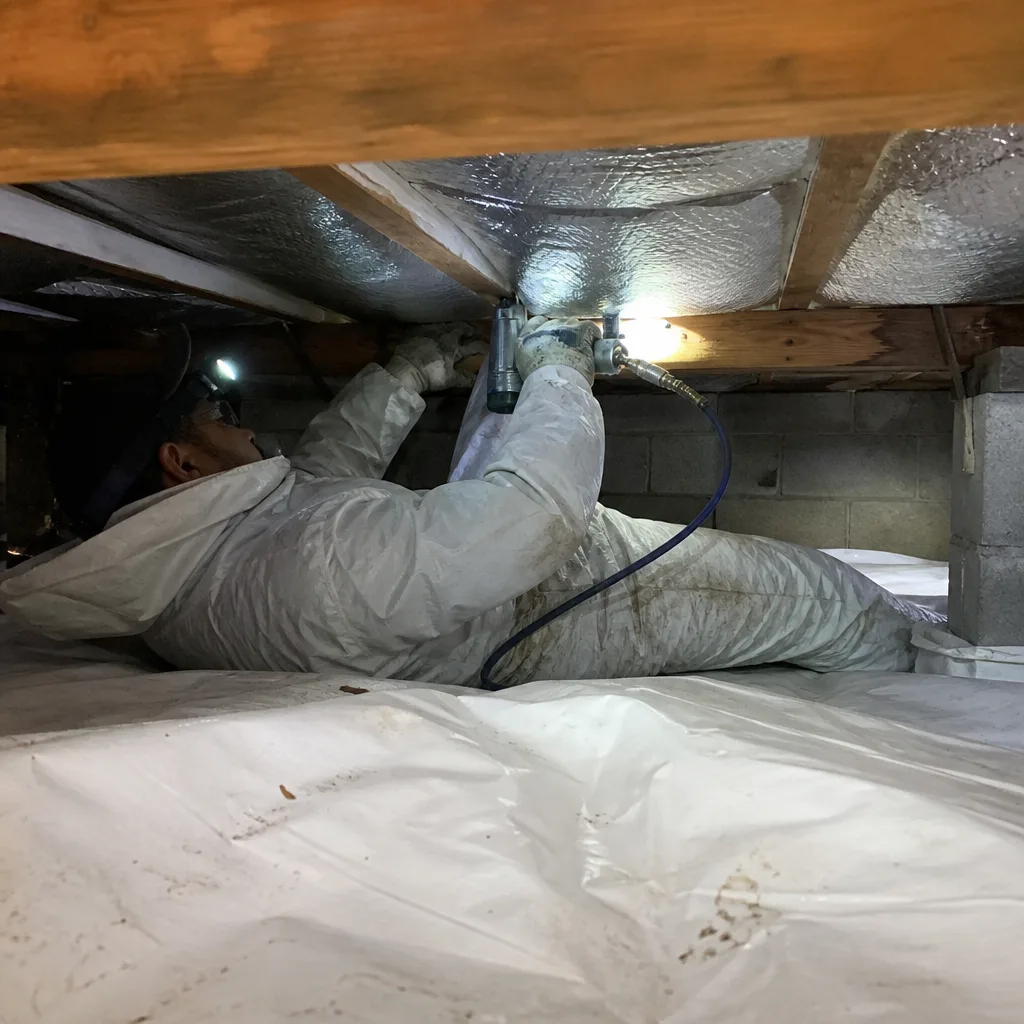
The biggest cost driver in El Monte’s housing stock is attic access. A lot of the 1950s and 1960s construction in this city used shallow 18-inch crawl spaces above dropped ceilings, and getting a technician into that space to seal top plates properly takes significantly more time than a full-height attic. When a crew has to work on their side with a headlamp and a caulk gun rather than standing upright with a two-part foam kit, the labor hours climb.
Second biggest driver: can lights. Older recessed lighting – the kind common in El Monte homes remodeled between 1985 and 2005 – used non-IC-rated fixtures that are essentially open holes to the attic. Each one needs a sealed, insulated box built around it before any insulation goes down. In a house with twenty of those lights, that work alone adds $300-$500 to the job.
Insulation removal is the other major variable. If the existing insulation is contaminated by rodent activity (common in El Monte homes near the Rio Hondo corridor and the older parcels along Garvey Avenue), it has to come out before any air sealing starts. That is quoted as a separate line item – typically $1.50-$2.50 per square foot for removal – and is not bundled into the sealing price without being written out explicitly.
What Keeps the Price Down
Bundling air sealing with a new insulation installation is the most reliable way to reduce your per-visit costs. When one crew completes both scopes in a single mobilization, there is no second setup charge, no second blower-door mobilization fee, and the technicians are already in the attic for the sealing work when the insulation equipment arrives. Most El Monte homeowners who bundle save $200-$450 compared to scheduling the two services separately.
Accessible, full-height attics with a clean insulation substrate also mean less labor time, which shows up directly in a lower quote. If your attic has an interior pull-down stair rather than a wall hatch, and if there is at least 30 inches of clearance at the peak, your job will come in at the lower end of the range for your home’s size.
What Affects Attic Air Sealing Pricing in El Monte
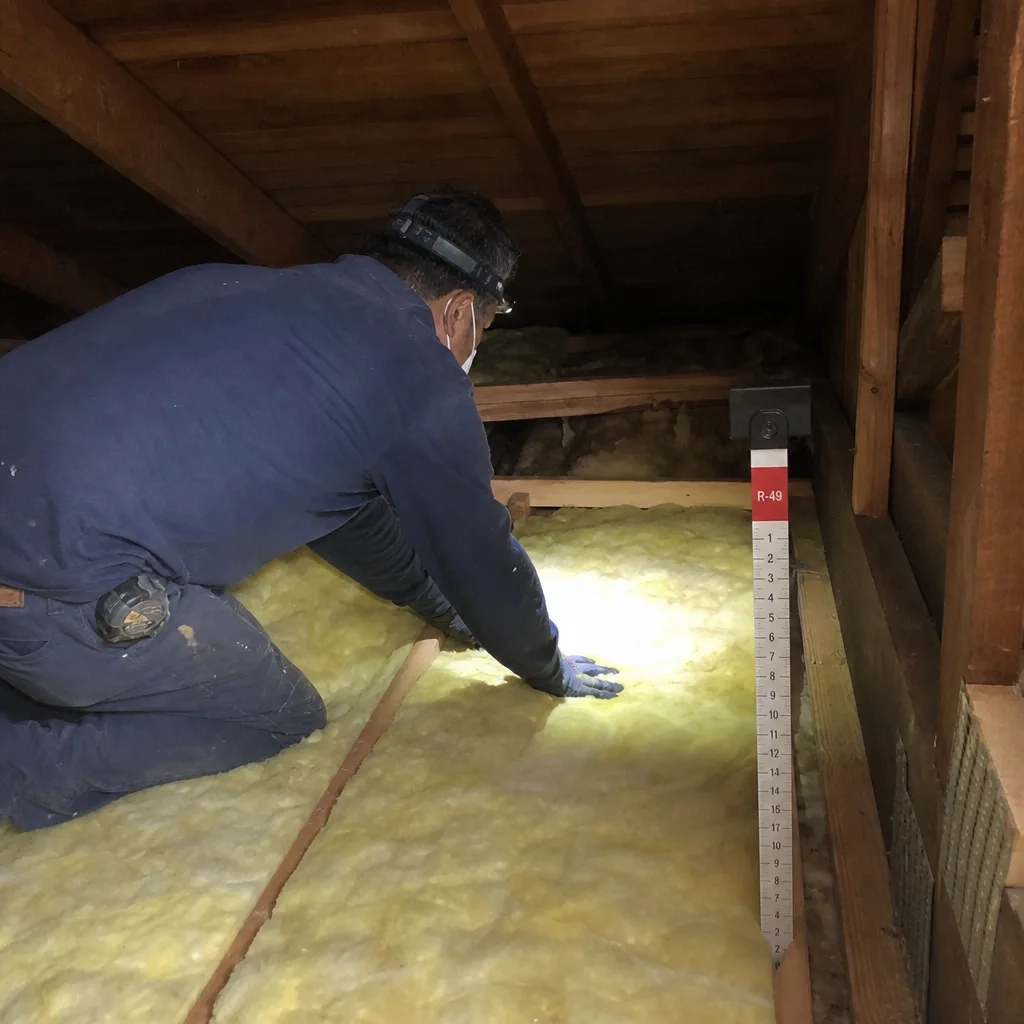
- Home age and construction era: El Monte’s pre-1978 housing stock – the bulk of what you’ll find in the neighborhoods around Ramona Boulevard, in central El Monte near the city hall corridor, and in South El Monte – was built before modern energy codes. These homes typically have uninsulated top plates, open framing cavities at every interior wall, and no thought given to air barriers at the attic floor. More penetrations per square foot means more material and more labor hours to seal them properly.
- Number and type of attic penetrations: Every pipe, wire, duct, chimney chase, and recessed light fixture is a potential air leak path. A blower-door test reads the aggregate effect of all of them in one number, but each one still has to be addressed individually during the sealing work. Homes in El Monte that have had electrical upgrades, additions, or kitchen remodels without air sealing work following them tend to have the highest penetration counts.
- Attic access and geometry: Low-slope roofs – common on the flat-roof commercial-influenced residential construction you see along Lower Azusa Road and on some of the larger lots near Peck Road – severely limit what a technician can physically reach. Restricted access adds labor time and sometimes requires the use of extension tools or remote-application foam systems that carry a materials premium.
- HVAC equipment in the attic: If your furnace or air handler sits in the attic, the area around the unit platform, the return air plenum, and every supply and return penetration through the attic floor all need to be sealed. In El Monte, a lot of the 1970s-era homes converted from wall heaters to forced-air systems and the ductwork was run through the attic without any sealing at the penetrations. That is a significant amount of additional work in some of these houses.
- Condition of existing insulation: If the insulation already in the attic is contaminated, wet, or compressed to the point of no thermal value, it has to be removed before sealing can start. Insulation that is structurally sound and free of contamination can usually stay in place – the crew works around it and replaces it over the sealed surfaces. El Monte homes near the older flood-channel properties sometimes have moisture-damaged insulation from historic storm water intrusion, and that affects the total project scope.
- Whether a blower-door test is included: At Envelope Insulation Co., every applicable attic air sealing job includes before-and-after blower-door readings – that is part of the documented record the homeowner receives when the crew leaves. Some competitors quote air sealing without any diagnostic measurement, which means you have no way to verify the work changed anything. The blower-door test – a pressurization measurement that reduces the building to a single air-loss figure in CFM50 (cubic feet per minute at 50 pascals of pressure) – is how you confirm the job actually worked. On standalone diagnostic bookings, the testing fee is quoted separately at $250-$400.
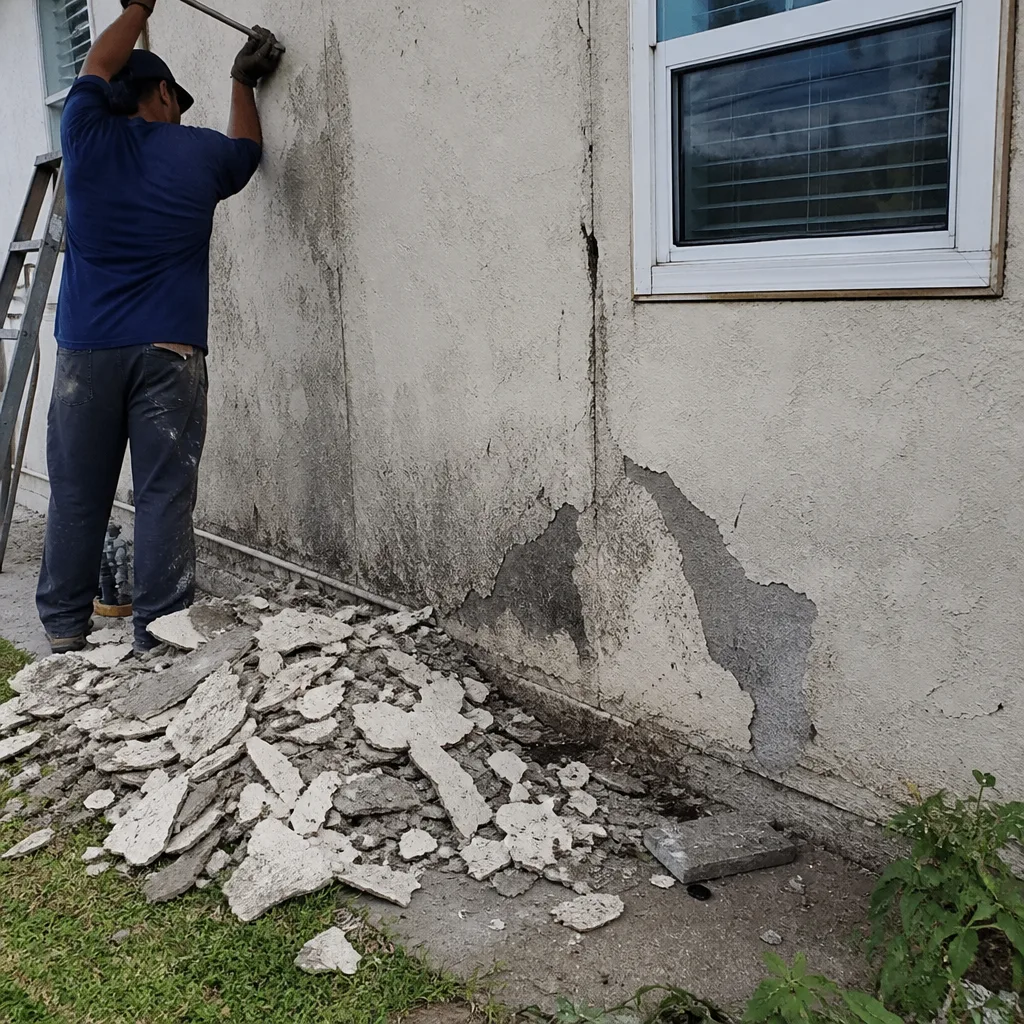 Before
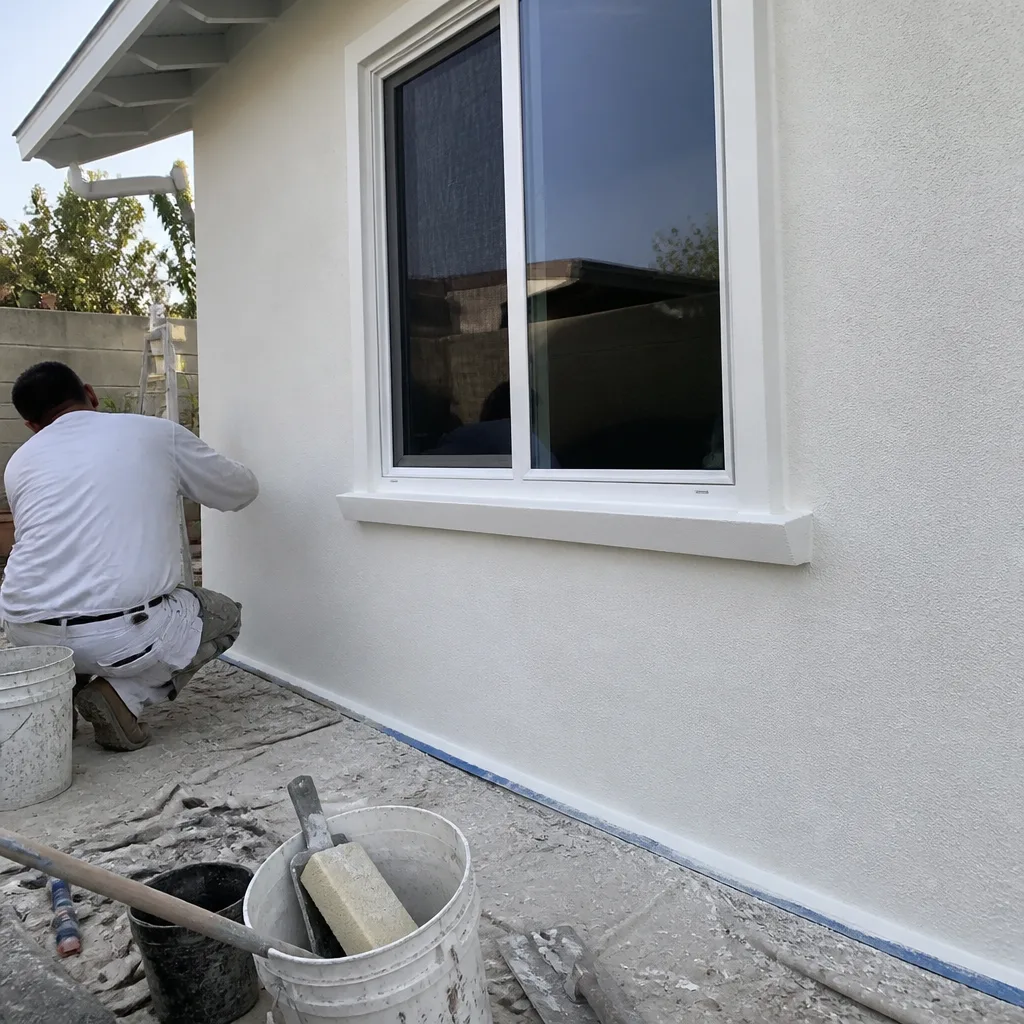 After
AfterHow to Save on Attic Air Sealing in El Monte
Bundle Air Sealing with Insulation Installation
The single most effective way to reduce your total cost is to schedule air sealing and insulation in the same visit. This is not just a pricing convenience – it is actually the correct technical sequence. At Envelope Insulation Co., sealing comes first and insulation goes in after, every time. Blowing insulation over an unsealed attic floor traps the air leaks underneath the insulation where they still lose conditioned air, they are just harder to address later. When you bundle, you pay one mobilization, you get one blower-door measurement series, and you end up with a properly sealed and properly insulated attic floor rather than an insulated-but-leaky one. The bundled savings in El Monte typically run $200-$450 off what two separate visits would cost.
Get a Written Quote Before Committing
El Monte has a fairly active energy efficiency contractor market, and quote quality varies. Some contractors quote air sealing as a line item with no description of what penetrations will actually be addressed. A quote that says Attic Air Sealing services without specifying top plates, can lights, plumbing penetrations, and HVAC boots is not a price you can compare to anything. Under Haven Standard Clause 1 at Envelope Insulation Co., the written scope specifies every sealing location before anyone starts work. If you have already received a written estimate from another contractor, the free second opinion offer means we will review it with you – no charge, no pressure.
Check for Local and State Utility Rebates
Southern California Edison and SoCalGas both run rebate programs for air sealing work in Los Angeles County, and eligibility in El Monte for 2026 depends on your utility account and whether the work is paired with an insulation upgrade. The rebate amounts change, so check current SCE and SoCalGas program pages directly rather than relying on a contractor’s summary of what was available last year. Some rebate programs require a before-and-after blower-door test from a certified auditor as documentation – which is part of what Envelope Insulation Co. provides on every applicable job, so the documentation requirement is already covered.
Don’t Delay Attic Air Sealing Past Summer
This one is practical, not a sales pitch. El Monte sits in the San Gabriel Valley floor, where summer temperatures regularly exceed 95 degrees and the urban heat island effect from the surrounding concrete and commercial development pushes attic temperatures to 140-150 degrees during July and August. Every unsealed top plate and can-light boot is moving that hot attic air directly into your conditioned space during peak cooling hours. The longer the sealing work waits, the more cooling load you’re paying for. Scheduling in late winter or early spring – before the San Gabriel Valley heat season starts – means you get the benefit through the full summer rather than catching up in September.
Get a Free Estimate – Written Price Before Any Work Starts
Call (626) 415-3454 to schedule a free attic assessment for your El Monte home. We’ll give you a written price before any work starts – that is not a policy we bend. If you have already received a competing written estimate, bring it. We will read it with you as part of the free second opinion and explain exactly what is and is not included.
FAQs – Attic Air Sealing Cost in El Monte
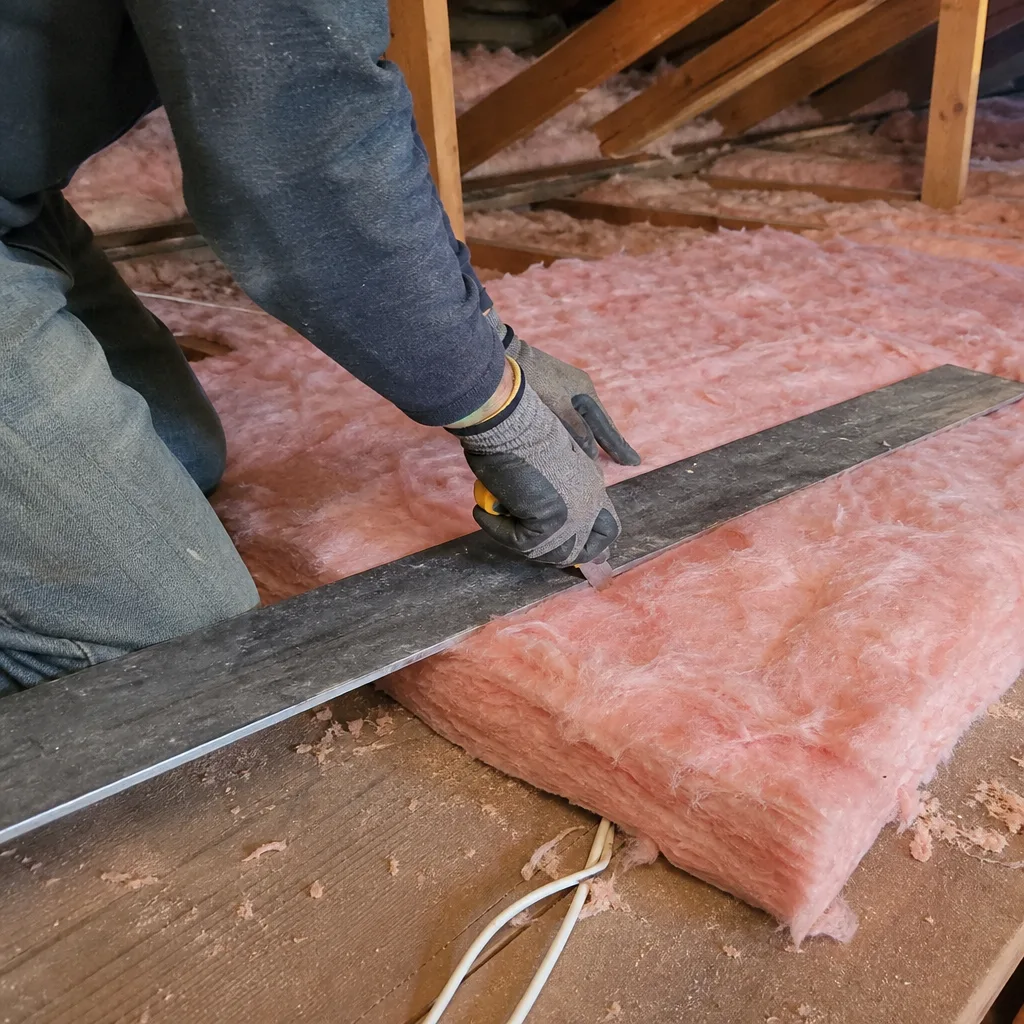
How much does attic air sealing cost in El Monte, CA?
Most attic air sealing jobs in El Monte run between $1,200 and $1,800 for a standard single-family home with moderate penetrations and accessible attic space. Smaller homes with simple attics can come in at $950-$1,200. Complex homes over 2,000 square feet with HVAC equipment in the attic, many can lights, or contaminated insulation that needs to be removed first typically land in the $2,000-$2,800 range. Call (626) 415-3454 for a written estimate – we give you a flat price before any work starts.
Is attic air sealing worth the cost in El Monte?
Yes, and the blower-door numbers make the case more clearly than any general claim. El Monte homes we have tested that started at 4,500-5,500 CFM50 (cubic feet per minute at 50 pascals – the standard measure of whole-building air leakage) typically come down to 1,800-2,500 CFM50 after sealing. That reduction represents a direct cut in the volume of conditioned air escaping through the building envelope every hour. In a climate where air conditioning runs from May through October, and where San Gabriel Valley summer temperatures push attic spaces to 140 degrees or more, reducing that air exchange rate translates directly to lower utility bills. Most El Monte homeowners recover the cost of air sealing within two to four cooling seasons, depending on home size and pre-existing leakage rate. The before-and-after blower-door numbers we publish on every applicable job let you verify the result rather than take that estimate on faith.
How long does attic air sealing take in a typical El Monte home?
Most standard attic air sealing jobs in El Monte are completed in 4 to 7 hours for a 1,200-1,800 square foot home. A larger or more complex home – one with a low-slope attic, multiple HVAC drops, or more than 20 recessed light fixtures – may run 8 hours or stretch into a second half-day. When air sealing is bundled with blown-in insulation installation, the combined scope typically takes one full day. The blower-door test is done at the start and again at the end of the sealing work, so before the crew leaves, you already have documented confirmation of the result. We give you the written photo record and blower-door readings the same day.
Can I just add more insulation instead of air sealing?
Adding insulation without sealing first is the most common attic energy mistake we see in El Monte, and it does not solve the problem. Insulation slows heat transfer through conduction – it does not stop air movement. An unsealed top plate or can light continues to move hot attic air directly into your living space regardless of how many inches of blown-in insulation sit on top of it. Adding R-38 over an air-leaky attic floor is a bit like putting on a thick sweater with the zipper open. The insulation has real value, but without the air sealing underneath, you will not see the energy performance you paid for. This is why our crews seal every top plate, can light, and penetration before any insulation goes in – the sequence is not optional, and it is non-negotiable under the Haven Standard.
Does attic air sealing require a permit in El Monte?
Attic air sealing in El Monte generally does not require a building permit when the scope is limited to sealing penetrations and top plates in the existing attic space without structural modifications. However, if the scope includes insulation removal, HVAC repositioning, or any work that modifies the thermal or fire envelope of the structure, permit requirements can apply. El Monte falls under Los Angeles County and City of El Monte building codes, which align with the California Building Energy Efficiency Standards (Title 24). We confirm permit requirements during the assessment phase and note any applicable requirements in the written scope before work starts. If a permit is needed, we document that requirement explicitly – nothing proceeds under Haven Standard Clause 1 without the written scope being accurate.
How do I know if my El Monte home needs attic air sealing?
The clearest sign is a blower-door reading above 2,000-2,500 CFM50 for a standard-size home – that is a measurable, documented number, not a guess. Short of a formal blower-door test, the practical indicators in El Monte homes include: rooms that feel stuffy or noticeably warmer than the thermostat setting on summer afternoons, utility bills that climb disproportionately in June-September versus neighboring homes of similar size, visible gaps around recessed lights in the ceiling below the attic, and dust patterns along ceiling perimeters (which often indicate air moving through top-plate gaps). Homes built before 1990 in El Monte are almost always candidates – the construction era pre-dates meaningful residential air sealing requirements in California. A free attic assessment will tell you what the actual leakage count looks like before you commit to anything. Call (626) 415-3454 and we will schedule it at no charge.
Why El Monte Homes Leak More Than the National Average
El Monte’s housing stock skews older than the broader Los Angeles metro. The city’s residential development peaked in the 1950s and 1960s, and a large share of single-family homes were built under construction standards that predated California’s Title 24 energy code by two decades. That means original top plates were left open, interior wall cavities were left unblocked at the ceiling plane, and recessed lighting – when added in later remodels – was installed without any thought to the air connection it created between the living space and the attic.
El Monte’s climate amplifies the consequences. The city sits in the inland portion of the San Gabriel Valley, which heats significantly faster than coastal Los Angeles during summer. The National Weather Service records for El Monte and surrounding Rosemead and Temple City show average July high temperatures in the low-to-mid 90s, with inland heat events pushing readings past 100 degrees multiple times each summer. At those outdoor temperatures, an uninsulated and unsealed attic can reach 145-155 degrees by early afternoon. That superheated air mass is separated from your conditioned living space only by the attic floor – and every unsealed top plate, can light, and plumbing penetration is a direct connection between the two.
The result is that El Monte homes we assess regularly show pre-sealing blower-door numbers between 3,500 and 6,000 CFM50, with the highest readings coming from the 1960s-era homes in North El Monte and the older properties in the Garvey Avenue corridor. After sealing, those same homes typically test in the 1,500-2,500 CFM50 range – a reduction that shows up in the air conditioning runtime and eventually in the utility bill.
None of that is hypothetical. Every attic air sealing job Envelope Insulation Co. completes includes a before-and-after blower-door reading, documented in writing, so the homeowner has a number to point to rather than a promise to believe.
What Happens During an Attic Air Sealing Visit in El Monte
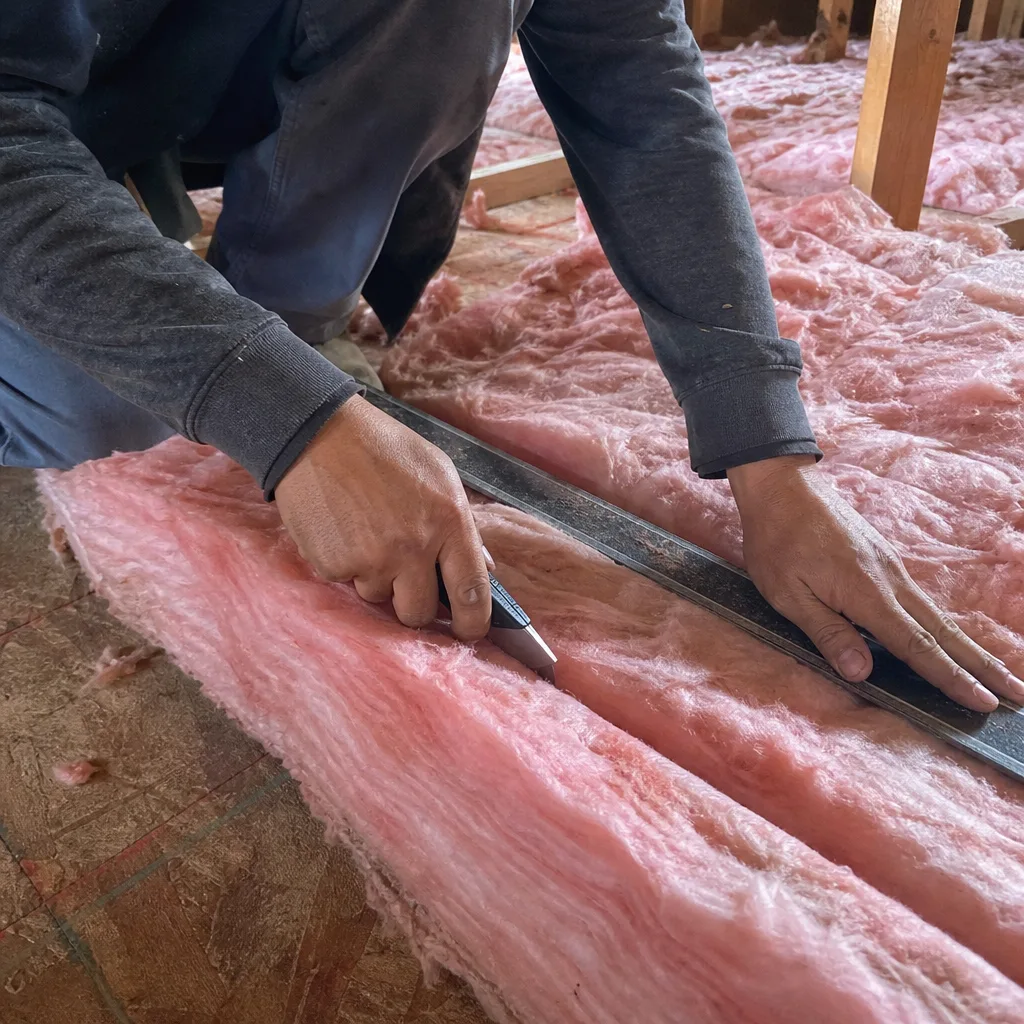
Pre-Work: The Blower-Door Test
Before a technician enters the attic, a blower-door test establishes the baseline. A calibrated fan is mounted in an exterior doorframe, the house is depressurized to 50 pascals, and a CFM50 reading is recorded. That number is the starting point for the job. It tells the technician how leaky the building envelope currently is and gives both parties a reference point to measure the work against when it is done.
The Sealing Work
The technician enters the attic and works systematically across the attic floor, starting with the top plates at interior walls (the horizontal framing members that sit at the top of every interior stud wall – open to the attic in most older construction). Two-part spray foam or fire-rated caulk is applied at each top plate gap. Recessed light fixtures are addressed next: non-IC-rated can lights get a sealed, insulated box (an IC-cover or airtight trim assembly); IC-rated fixtures that were installed without an airtight gasket get caulked at the ceiling plane. Every pipe penetration, wire chase, and HVAC boot that passes through the attic floor gets sealed with the appropriate material – typically foam for larger gaps, fire-rated caulk for electrical penetrations.
Materials used depend on the penetration type. Two-part closed-cell spray foam (sourced from Icynene or Demilec on our jobs) handles larger irregular gaps at top plates and around duct chases. Fire-rated acoustic sealant handles electrical penetrations. Rigid foam board cut to fit caps larger open chases before foam is applied over the perimeter. Nothing is left to “probably be okay” – every identified penetration on the inventory list is addressed before the crew comes down from the attic.
Post-Work: The Second Blower-Door Test and Documentation
When the sealing work is complete, the blower-door runs again. The post-sealing CFM50 reading is recorded alongside the pre-sealing reading, and both numbers go into the written documentation the homeowner receives before the crew leaves. The photo record – taken in the attic during the work – shows the sealed penetrations. The written scope confirms what was addressed. The 365-Day Done Right Promise applies from the moment the documentation is signed: if the sealing work fails, we come back and make it right, in writing.
If the post-sealing number is higher than we expected – which occasionally happens when a previously hidden penetration opened during the work, or when the existing insulation concealed a larger gap than the initial assessment identified – the crew addresses it before the job is marked complete. A blower-door reading does not lie, and we do not leave a job with a result we cannot document.
Attic Air Sealing vs. Full Insulation Replacement in El Monte: What Should You Do First?
The answer is almost always the same: seal first, then decide on insulation. The reason is straightforward – if the existing insulation is in acceptable condition (no contamination, not severely compressed, no moisture damage), air sealing can go in under it or alongside it without requiring a full replacement. After sealing, the existing insulation performs closer to its rated R-value because the air movement that was undermining it is no longer present.
If the existing insulation is damaged, contaminated by rodents (a common finding in El Monte’s older properties near the flood-control channels), or wet from a historic roof leak, it needs to come out before sealing starts. In that case, the project sequence is: remove damaged insulation, seal all penetrations on the now-exposed attic floor, then install new insulation over the sealed surface. That combined scope is quoted as one written price covering all three phases.
What we will never do is blow new insulation over an unsealed attic floor. The insulation buries the air leaks, makes them harder to address later, and gives the homeowner a false sense of performance improvement. Envelope Insulation Co. has operated that way since 2016 – sealed first, then insulated. It is in the written scope on every job.
If you are trying to decide between partial and full insulation replacement for your El Monte home, the free attic assessment is the right first step. A technician will document what is currently in the attic, run the blower-door baseline, and give you a written scope for each realistic path. You leave with numbers and a written price, not a verbal recommendation you have to remember later.
For more on our full service offering and how air sealing fits into a complete building envelope approach, the home page covers every service we provide in El Monte and surrounding cities.
Key Takeaways
- Attic air sealing in El Monte costs $950-$2,800 depending on home size, attic access, and number of penetrations. Most standard homes land at $1,200-$1,800.
- El Monte’s pre-1980 housing stock is disproportionately leaky – unsealed top plates and unprotected can lights are the most common sources.
- Every Envelope Insulation Co. job includes a before-and-after blower-door test, a documented photo record, and a written scope – you know what the work accomplished before we leave your driveway.
- Air sealing must happen before insulation is installed. Blowing insulation over unsealed leaks buries the problem and reduces the value of the insulation investment.
- Bundling air sealing with insulation installation saves $200-$450 versus two separate visits.
- The 365-Day Done Right Promise applies in writing – if the sealing work fails within the year, we return and correct it.
- Free estimates include a written price before any work starts – Haven Standard Clause 1 applies to every job in El Monte.
Get a Written Price for Attic Air Sealing in El Monte
If you want to know what attic air sealing actually costs for your specific El Monte home – not a national average, not a ballpark, but a flat written number covering your attic’s actual penetrations – call (626) 415-3454. Wes Okafor and the Envelope Insulation Co. team have been documenting attic conditions and publishing blower-door results in El Monte since 2016. The assessment is free, the written price comes before any work starts, and the post-job documentation gives you numbers to verify the result rather than a feeling about it.
If you already have a written estimate from another contractor, bring it. The free second opinion means we will read it with you, identify what is and is not specified, and give you a comparison that is actually useful.
Call (626) 415-3454 to schedule your free attic assessment in El Monte today.
Pricing reflects the El Monte market as of 2026. Topside Attic Insulation El Monte offers free estimates – call (626) 415-3454.
Written by Wes Okafor, Owner at Envelope Insulation Co., serving El Monte since 2016.
What Our Customers Say
"The winter gas bill dropped by about a third. They had estimated a quarter, so they under-promised."
- Genevieve R."Turned up on time, protected the hallway, and the written scope matched what was actually done."
- Bruno S."Two other companies quoted to blow more insulation on top of what was there. These were the only ones who said the existing material had to come out first, and explained why."
- Clifford E.