
Attic Baffles & Ventilation Prep in El Monte, CA
Attic baffles are cardboard, foam, or rigid plastic channels installed between roof rafters to keep soffit vents clear so outside air can flow up and out through ridge or gable vents – even after insulation is blown in. In El Monte, where summer attic temperatures routinely push past 140°F and homes built during the 1950s and 1960s tract-housing boom often have shallow rafter bays and minimal original ventilation, skipping this step before insulation means the new insulation itself becomes the blockage. Ventilation prep – baffle installation plus verification that every soffit, ridge, and gable vent is open and unobstructed – is the work that makes an insulation job perform the way it’s supposed to.
At Topside Attic Insulation El Monte, we treat ventilation prep as a hard prerequisite to any insulation installation, not an optional add-on. That’s the same standard applied across every job we run under The Haven Standard since 2016: air flow and air sealing first, then insulation. You can see how this fits into the full scope of work on our Attic Insulation in El Monte page. To talk through what your attic specifically needs, call us at (626) 415-3454 – a live person picks up, any time of day.
Wes Okafor has led every job under this protocol since the company’s founding, and the principle doesn’t change: we will not blow insulation into an attic that hasn’t been properly vented and sealed first. The documentation you receive at the end – photos of every baffle installed, every vent cleared, written scope, and where applicable, before-and-after blower-door readings – reflects that commitment in writing, not just in words.
When You Need Attic Baffles & Ventilation Prep
Not every El Monte homeowner knows their attic has a ventilation problem until they’re looking at a high utility bill or a moisture stain on the ceiling. Here are the clearest signs that baffles and ventilation prep belong on the job before any insulation work starts:
- Your existing insulation is pushed against the eaves. In many El Monte homes – particularly the post-war ranches in the Garvey and Norwood neighborhoods – blown-in insulation from a previous job drifts into the soffit area and covers the vent openings entirely. Baffles create a physical channel so that doesn’t happen again.
- You’re seeing moisture, mold, or dark staining on the underside of the roof deck. Condensation forms when warm interior air hits a cool surface and can’t escape. In El Monte’s mild-but-damp winters, this shows up as dark streaking on the OSB sheathing – a sign that the attic isn’t moving air the way it should.
- Rooms directly under the roof feel noticeably hotter in summer. Without a clear ventilation path, attic heat stays trapped and radiates down through the ceiling. Homes along Tyler Avenue and in the Mountain View neighborhood regularly see this problem in June through September when afternoon temperatures push into the mid-90s outside and far higher inside the attic.
- Your rafter bays have no baffles installed. If we go into the attic and the rafter bays are open – no cardboard chutes, no foam channels, nothing between the insulation and the soffit – ventilation prep is required before we add a single inch of new material.
- You have shallow rafter bays (typically 2×6 or 2×4 construction). Older El Monte construction frequently used 2×6 rafters, which leaves very little room between the top of the insulation and the underside of the roof deck. Without baffles, there’s no airway left at all. A proper baffle installation reclaims that channel before insulation depth is increased.
- An inspector or energy auditor flagged inadequate attic ventilation. If a home energy audit – the kind that includes a blower-door test and thermal imaging – identified ventilation as a gap, that finding needs to be resolved before the insulation scope is priced and scheduled. We offer home energy audits and can run that assessment as part of the initial visit.
Our Attic Baffles & Ventilation Prep Process
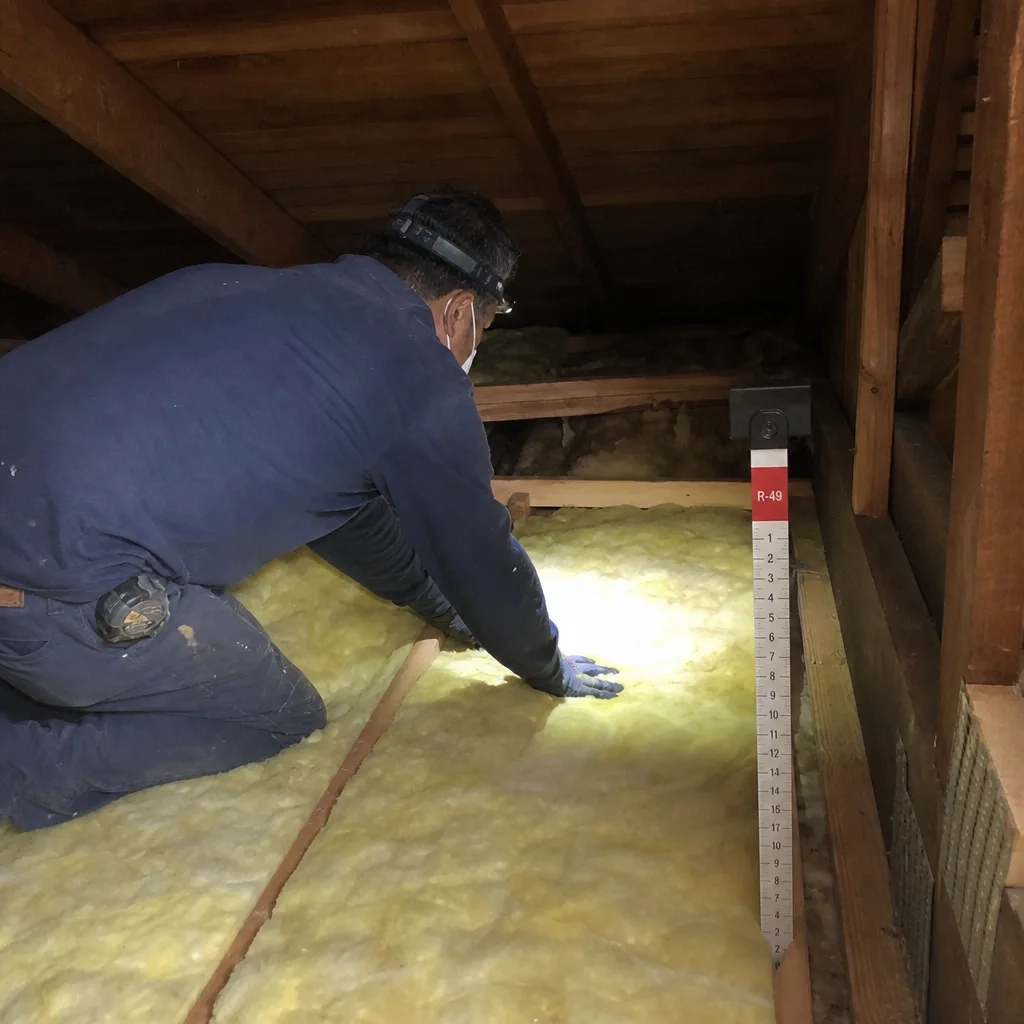
The steps below are what actually happen on a Topside Attic Insulation El Monte job before a single bag of GreenFiber or Owens Corning product is opened. The sequence matters: skipping ahead is how ventilation problems get buried under new insulation.
- Written scope and flat price before anyone enters the attic. Under Haven Standard Clause 1, you receive a written price and written scope before any work begins – no estimates that shift after the crew arrives. The baffle installation and ventilation prep scope is itemized separately from the insulation so you can see exactly what you’re paying for each phase.
- Full attic inspection with photo documentation. The technician photographs every rafter bay, soffit area, ridge vent, gable vent, and any existing baffles (or the absence of them). This baseline photo set becomes part of your Documented Photo Record – included on every visit, not available on request. We note the rafter bay depth, existing insulation depth, and any ventilation hardware that needs replacement or clearing.
- Vent clearing and hardware verification. Soffit vents that are painted over, blocked by debris, or simply undersized get addressed here. We verify that ridge vents are unobstructed along their full length and check that any gable vents – common on El Monte’s older Spanish-style and mid-century ranch homes – are functional and properly screened. If a vent is beyond clearing and needs replacement, that’s noted in writing before any work proceeds.
- Baffle installation in every rafter bay at the eave. Baffles – typically rigid foam or heavy-duty cardboard chutes, depending on rafter bay depth – are installed at the base of each rafter bay and secured so they won’t shift when insulation is blown in. The channel they create runs from the soffit opening to above the top-plate line, maintaining at least a one-inch clear airway. In tight 2×6 bays, we use a lower-profile baffle to preserve that clearance without compromising the final insulation depth.
- Air sealing of top plates, penetrations, and can lights. Ventilation prep and air sealing happen in the same visit – they’re not two separate jobs. Top plates, electrical penetrations, plumbing chases, and recessed light housings are sealed with appropriate materials before any insulation goes in. This is the step that produces the before-and-after blower-door difference: a pressurization reading taken before sealing and again after insulation is installed shows, in one number, what the air-sealing work actually did. We publish those numbers.
- Final photo set and documentation handoff. After baffles are installed and air sealing is complete, we photograph every rafter bay again – the completed baffle channels visible, the sealed penetrations documented, the vent paths confirmed clear. This closing photo set, combined with your written scope and (where applicable) the blower-door readings, is what you receive before the crew leaves. You don’t have to ask for it.
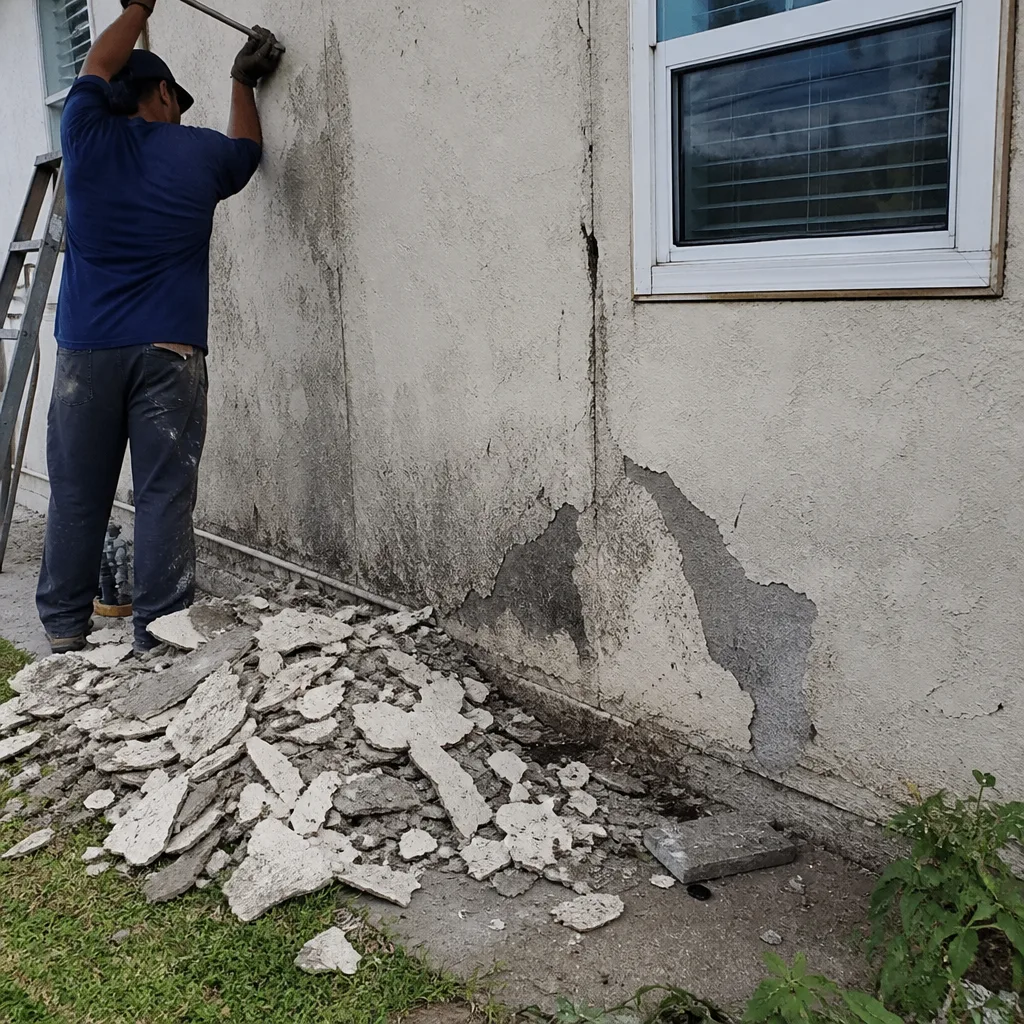 Before
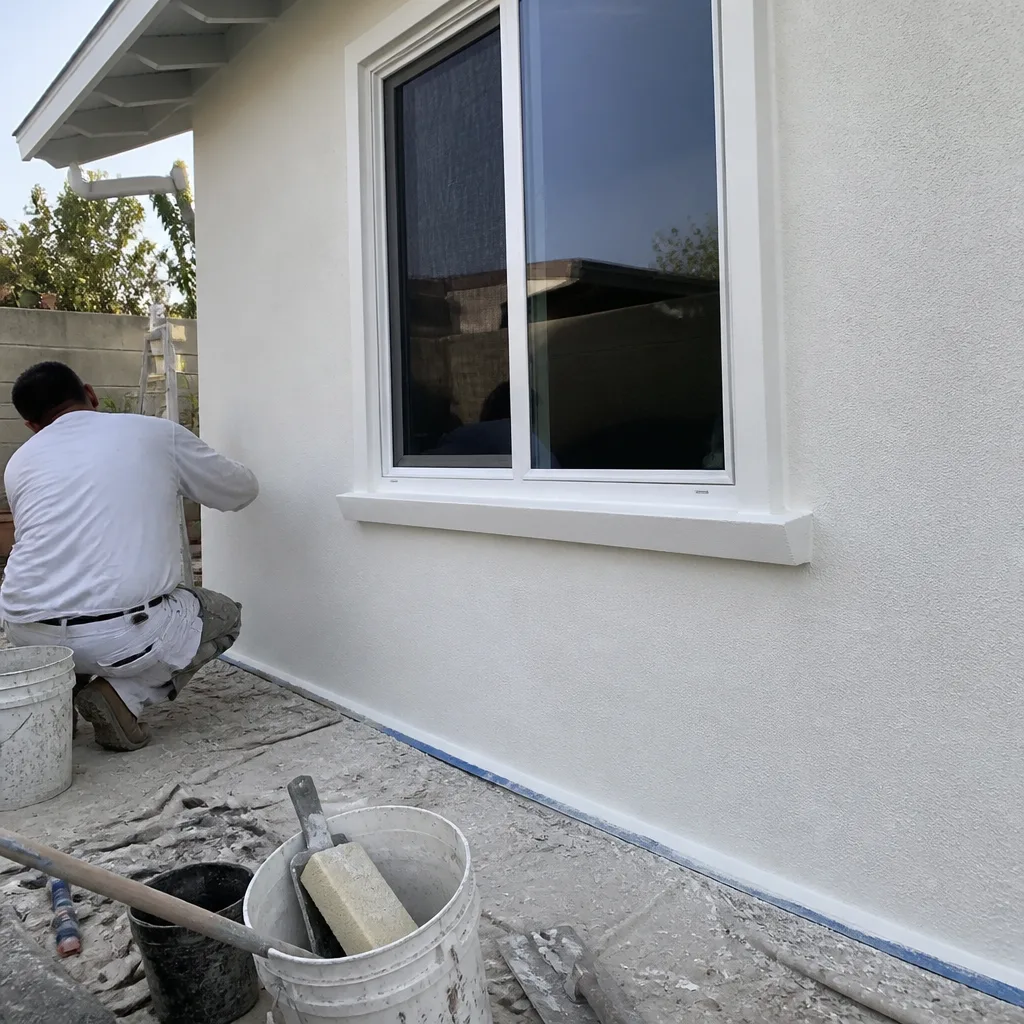 After
AfterAttic Baffles & Ventilation Prep Pricing in El Monte
Baffle installation and ventilation prep in El Monte typically runs between $350 and $950 as a standalone scope, depending on the attic size, rafter bay count, and the condition of existing ventilation hardware. Most single-story El Monte homes with a standard gable or hip roof fall in the $400 to $650 range for a full baffle installation with vent clearing included. When ventilation prep is bundled with Attic Insulation services – which is how we almost always do it – the combined project cost is lower than if you schedule them separately.
| Scope Item | Typical El Monte Price Range |
|---|---|
| Baffle installation only (full attic, 1,000-1,400 sq ft footprint) | $350 – $650 |
| Baffle installation + vent clearing + hardware check | $450 – $850 |
| Ventilation prep bundled with full insulation install | Included in insulation quote – itemized separately |
| Individual soffit vent replacement (per vent, if needed) | $35 – $85 per vent |
| Air sealing (top plates, penetrations, can lights) added to prep scope | $280 – $550, depending on penetration count |
What moves the price up: a two-story home with a more complex rafter layout, an attic with zero existing baffles and heavily blocked soffits, or significant ventilation hardware that needs replacement rather than cleaning. What keeps it lower: a straightforward gable-roof attic where soffits are accessible and baffles can be installed without obstructions. In either case, you see the flat price in writing before any work begins – that’s not a policy we apply selectively.
We also offer a Free Second Opinion on any written estimate you’ve already received. If another contractor quoted ventilation prep at a number that surprised you – in either direction – bring that written estimate and we’ll read it with you and explain what you’re looking at.
To get a written price for your El Monte home, call (626) 415-3454. A live person answers.
Why Ventilation Prep Can’t Wait Until After Insulation Is In
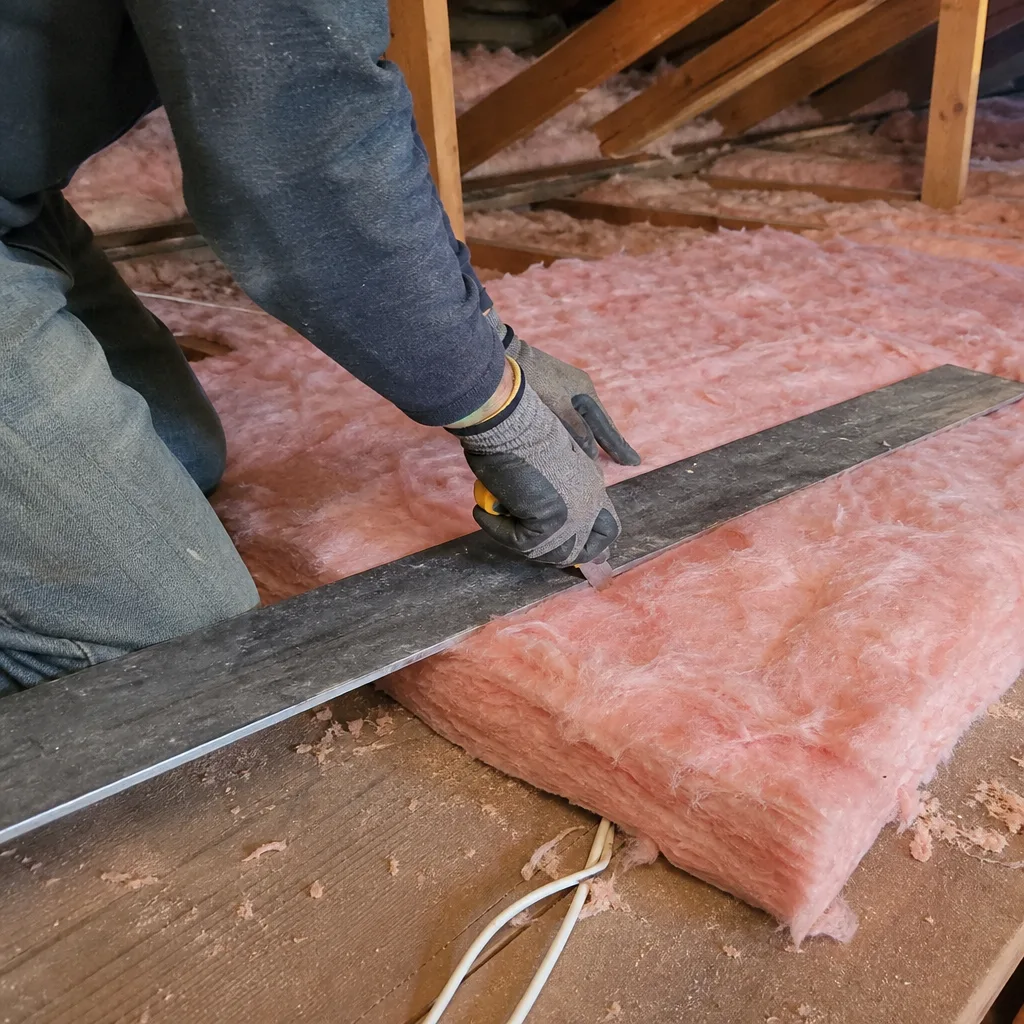
This question comes up often enough that it’s worth addressing directly. The logic seems reasonable from the outside: add the insulation now, deal with ventilation later. The problem is that once blown-in insulation fills the rafter bays, installing baffles means disturbing – and in many cases removing and replacing – insulation that was just installed. In practical terms, doing it in the wrong order costs more, not less.
There’s also a performance issue. Insulation that blocks soffit airflow creates a thermal and moisture trap. The insulation itself becomes saturated over time in high-moisture conditions, loses R-value, and can compress. In El Monte, where winter mornings bring enough overnight humidity to matter, an unvented attic insulation job degrades faster than the same job done with proper airflow in place. The blower-door numbers we publish before and after a job reflect the air-sealing work specifically – but proper ventilation is what makes those numbers hold over time.
The full picture of how ventilation prep connects to the broader home building envelope performance is something we walk through during the initial visit. It’s not a sales conversation – it’s a technical one, and we bring the measurement tools to show the before state so you can evaluate the after on its actual merits.
El Monte Attic Conditions That Make Ventilation Prep More Critical
El Monte sits in the San Gabriel Valley floor at roughly 290 feet elevation – surrounded by the San Gabriel Mountains to the north and bounded by freeways that trap summer heat. The urban heat island effect is real here: surface temperatures on a July afternoon in El Monte can run 8 to 12 degrees higher than readings at higher elevations in the foothills. That temperature differential drives stronger convective airflow through a properly vented attic – and makes a poorly vented attic significantly hotter.
The housing stock adds another layer. A substantial portion of El Monte’s residential inventory was built between 1945 and 1970, during a period when attic ventilation requirements were minimal and rafter depths were frequently 2×6 or even 2×4. We see 2×6 rafter bays throughout the Garvey, Norwood, and central El Monte neighborhoods – bays where even modest insulation depth can eliminate the airway entirely if baffles aren’t installed first. The Owens Corning Attic Batt Insulation products we use are designed to perform at rated R-value only when airflow above the insulation layer is maintained. Without baffles, rated performance is a theoretical number, not what the home actually gets.
Title 24 – California’s building energy code – doesn’t specify a required number of baffles per se, but it does require that ventilation net free area ratios be maintained after insulation is installed. Passing a permit inspection in El Monte after an insulation job means demonstrating that the ventilation path is intact. We document that with photos, not promises.
FAQs – Attic Baffles & Ventilation Prep
What exactly is an attic baffle and what does it do?
An attic baffle is a channel – usually rigid foam or heavy cardboard – installed between roof rafters at the eave end of the rafter bay to keep the soffit vent opening clear after insulation is added. Without a baffle, blown-in insulation fills the rafter bay all the way to the soffit and blocks the air intake. The baffle holds a clear pathway so outside air enters at the soffit, travels up the rafter bay, and exits at the ridge or gable vent – which is the ventilation cycle the attic needs to function correctly. In shallow-rafter-bay construction common in El Monte’s older neighborhoods, baffles are not optional: they’re the only way to maintain an airway at all. Call (626) 415-3454 to find out what your rafter bays currently look like.
How much does baffle installation cost for a typical El Monte home?
Baffle installation for a typical single-story El Monte home with a 1,000 to 1,400 square foot roof footprint runs between $400 and $650, including vent clearing. Larger homes, two-story layouts, or attics with heavily blocked soffits and no existing baffles fall toward the higher end of that range, up to around $850 to $950 for a full ventilation prep scope. When ventilation prep is part of a complete insulation installation – which is the standard approach – it’s itemized within the How Much Does Attic Insulation Cost? (2026 Price Guide) - El Monte, CA overall job price rather than billed separately, and the per-job cost is lower. You’ll see a flat written price before any work starts. For a specific number on your home, call (626) 415-3454.
Can you just add insulation without installing baffles first?
We don’t, and we won’t. Blowing insulation into a rafter bay without baffles in place blocks the soffit vent opening – sometimes completely – and creates a ventilation problem that the new insulation directly caused. Fixing it afterward means disturbing the insulation, which costs more than doing it correctly in sequence. Beyond the cost issue, California’s Title 24 energy code requires that attic ventilation ratios be maintained after insulation is installed, so a job without proper baffles can fail a permit inspection. The sequence at Topside Attic Insulation Near Me in El Monte, CA is always ventilation prep and air sealing first, then insulation – no exceptions.
How do I know the ventilation prep was actually done correctly?
Every visit includes a Documented Photo Record – photographs taken before any work starts and again after the scope is complete. For the ventilation prep phase, the closing photos show each rafter bay with the baffle installed and the airway channel visible, plus the cleared soffit and ridge vents. On applicable jobs, a before-and-after blower-door reading – a pressurization test that produces a single number showing how much air the building envelope was losing – documents the air-sealing result specifically. The written scope, photos, and blower-door data (where applicable) are handed to you before the crew leaves. Under the 365-Day Done Right Promise, if anything in that documented scope isn’t performing as written, we make it right.
Key Takeaways
- Attic baffles maintain the soffit-to-ridge airway after insulation is added – skipping them blocks the vent and traps heat and moisture.
- El Monte’s older housing stock (1945-1970, frequent 2×6 rafter bays) makes baffle installation especially important before any depth increase in insulation.
- Ventilation prep and air sealing happen before insulation at Topside Attic Insulation El Monte – always, not selectively.
- Pricing for a full ventilation prep scope typically runs $400 to $850 for a single-story El Monte home; bundled with insulation, the per-job cost is lower.
- You receive a flat written price before work starts, a Documented Photo Record when the crew leaves, and blower-door data on applicable jobs – all included, not optional.
- The 365-Day Done Right Promise applies: if the scope isn’t performing as documented, we fix it.
To schedule a ventilation assessment and get a written price for your El Monte attic, call Topside Attic Insulation El Monte at (626) 415-3454. A live person answers. There’s no voicemail loop, no callback window, no pressure – just a straight conversation about what your attic needs and what the work will cost before anyone touches anything. See the full scope of our Attic Insulation in El Monte services to understand how ventilation prep fits into the complete job.
Written by Wes Okafor, Owner at Topside Attic Insulation El Monte, serving El Monte since 2016.