
How Much Does Attic Cleaning & Rodent Proofing Cost in El Monte?
Attic cleaning and rodent proofing in El Monte, CA typically runs between $1,200 and $4,800 for a standard single-family home, with most jobs landing in the $1,800-$3,200 range once contaminated insulation removal, sanitizing, and full exclusion work are included. Smaller jobs – a modest 1,000-square-foot attic with light soiling and one or two entry points – can come in closer to $900, while a heavily infested 2,500-square-foot attic with decades of settled insulation and multiple gnawed soffit gaps will push toward $5,500 or beyond. If you want a number tied to your specific attic before any work starts, call (626) 415-3454 – we provide a written price before anyone lifts a tool, no exceptions.
Attic Cleaning & Rodent Proofing Cost Breakdown (2026)
The table below reflects actual pricing in the El Monte market as of 2026. These are not national averages copied from a cost aggregator – they account for local labor rates in the San Gabriel Valley, the energy rebate landscape through Southern California Edison and LADWP (for homes on the eastern LA County service boundary), and the specific rodent pressures El Monte homeowners deal with year-round.
| Service Component | Typical Price Range (El Monte, 2026) |
|---|---|
| Attic inspection & rodent activity assessment | Free with written estimate / $95-$150 standalone |
| Contaminated blown-in insulation removal (per 1,000 sq ft) | $600-$1,100 |
| Contaminated batt insulation removal (per 1,000 sq ft) | $450-$850 |
| Attic debris & rodent dropping cleanup / vacuuming | $300-$700 |
| Sanitizing & deodorizing treatment | $200-$500 |
| Rodent-proofing / exclusion work (sealing entry points) | $400-$1,200 |
| Air sealing of top plates, can lights, and penetrations | $350-$900 |
| New blown-in insulation installation (R-38, per 1,000 sq ft) | $700-$1,400 |
| New batt insulation installation (R-38, per 1,000 sq ft) | $550-$1,100 |
| Full-service package (removal + clean + seal + re-insulate, 1,500 sq ft attic) | $2,800-$4,500 |
| Full-service package (removal + clean + seal + re-insulate, 2,000 sq ft attic) | $3,500-$5,800 |
A few things drive those ranges. The biggest variable is the condition of the existing insulation. In El Monte’s older neighborhoods – particularly the blocks of mid-century ranch homes north of Valley Boulevard and the denser housing stock near Tyler Avenue – we regularly find original fiberglass batts that have been compressed, rodent-nested, and saturated with urine to the point where they carry near-zero R-value. Pulling that material out takes longer than removing a clean blown-in layer, and the disposal cost is higher because it’s treated as contaminated waste. The second big variable is exclusion complexity: a newer home with a tight roofline might have two or three identifiable entry points; a 1960s home with a built-up fascia, multiple utility penetrations through the top plate, and original wood soffits can have fifteen or more gaps that need hardware cloth, foam, and flashing before any new insulation goes in.
One cost item that sometimes surprises homeowners: air sealing is listed as a separate line above, and that’s intentional. At Envelope Insulation Co., air sealing of top plates, can lights, and penetrations is completed before any insulation is installed – not skipped, not offered as an optional add-on. This sequence matters because blowing insulation over an unsealed attic floor traps the heat loss pathway under the new material. You get the R-value on paper but not in practice. We measure the difference with a blower-door test – a pressurization reading that shows, in one number, how much conditioned air your building envelope was losing before and after the work – and we publish both numbers for every applicable job.
What Affects Attic Cleaning & Rodent Proofing Pricing in El Monte
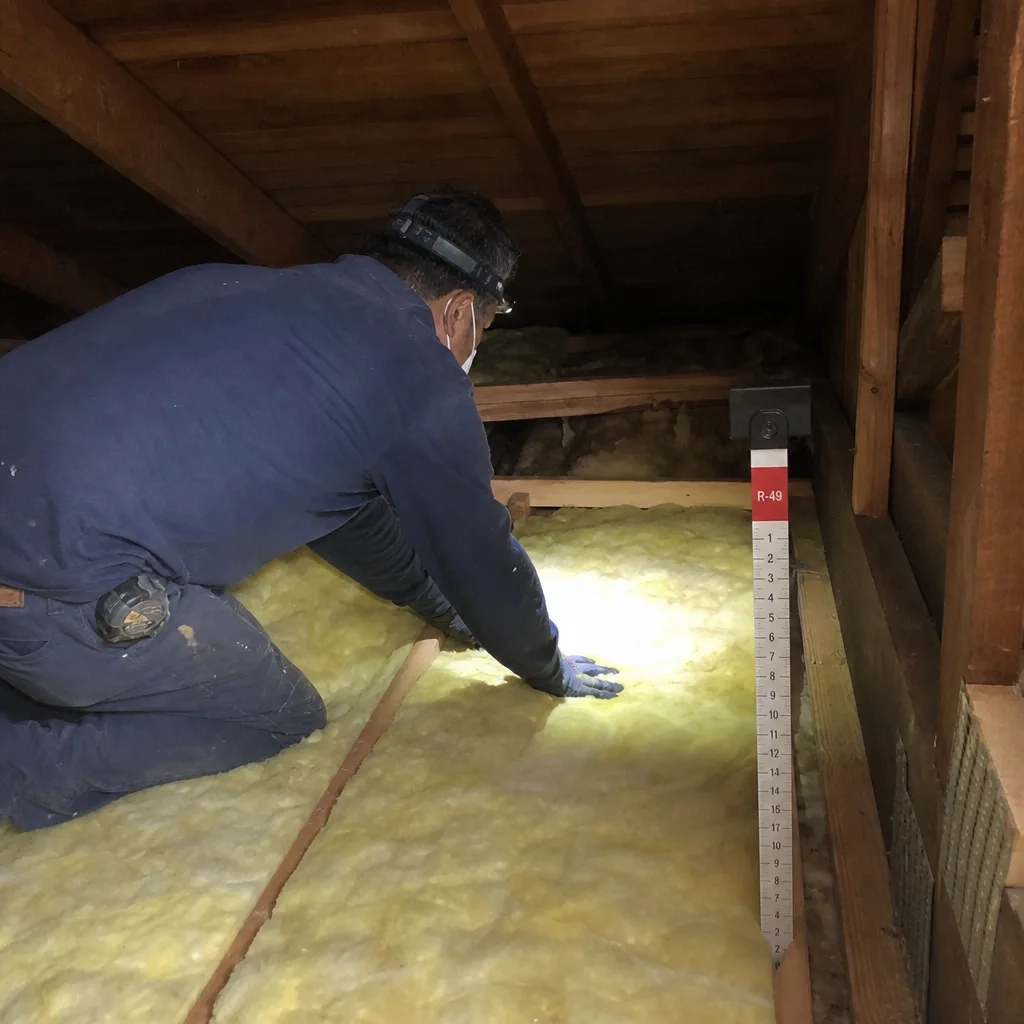
- Attic square footage and access difficulty. A 1,200-square-foot attic with a full-size hatch over a hallway takes half the time of a 2,400-square-foot attic accessed through a 20-inch opening above a closet shelf. In El Monte, a significant portion of the ranch-style homes built in the 1950s and 1960s have shallow attic pitches – sometimes as low as 3-in-12 – which means crew members are working on their sides in 14-inch clearances. That adds labor time and affects the final price.
- Severity and type of infestation. Norway rats and roof rats are both active in El Monte, and their nesting behaviors differ. Roof rats tend to nest at the perimeter near the soffit line; Norway rats often tunnel into the insulation layer toward the center of the attic. A heavy roof rat infestation with multiple active nests requires more thorough removal and a more systematic exclusion sweep. We see particularly heavy activity in homes backing up to the Rio Hondo flood control channel and the older tree canopy along Garvey Avenue – rodents follow water and vegetation corridors, and El Monte’s geography puts a lot of homes right on those routes.
- Amount and type of existing insulation. Older blown-in cellulose compacts significantly over time and becomes dense and heavy – it takes longer to remove and costs more to dispose of than a thinner, lighter layer. Some El Monte homes still have original vermiculite-like blown material from the 1970s; if there is any suspicion of asbestos-containing materials, testing is required before removal begins, which adds to the timeline and cost. We flag this in the inspection and will tell you in writing before any scope is agreed upon.
- Number and complexity of exclusion points. Rodent exclusion is not just plugging the obvious holes. A thorough job means inspecting every pipe penetration through the top plate, every gap at a rafter tail, every soffit vent screen, and every junction between the fascia board and the roof decking. A home with simple roofline geometry might have six points to address; a home with additions, dormers, or HVAC penetrations added at different eras can have thirty or more. Each additional point adds material and labor cost.
- Sanitizing requirements. Light dropping contamination can be addressed with a HEPA-vacuum pass and an enzyme-based deodorizing spray. Heavy urine saturation – common when a colony has occupied an attic for more than a year or two – sometimes requires fogging, extended dwell time, and a second treatment pass. In El Monte’s warm climate, where attic temperatures regularly reach 140-160 degrees Fahrenheit in summer, odor compounds bake into the wood framing and are harder to neutralize without a more aggressive protocol.
- Whether air sealing and re-insulation are included. Cleaning and exclusion alone address the hygiene and re-entry problem. Adding air sealing and new insulation addresses the energy performance problem at the same time. Bundling these services in a single mobilization saves money versus scheduling them separately, and it avoids the situation where new insulation gets installed before the exclusion work is fully verified – a sequencing mistake that we see corrected on call-backs at other companies.
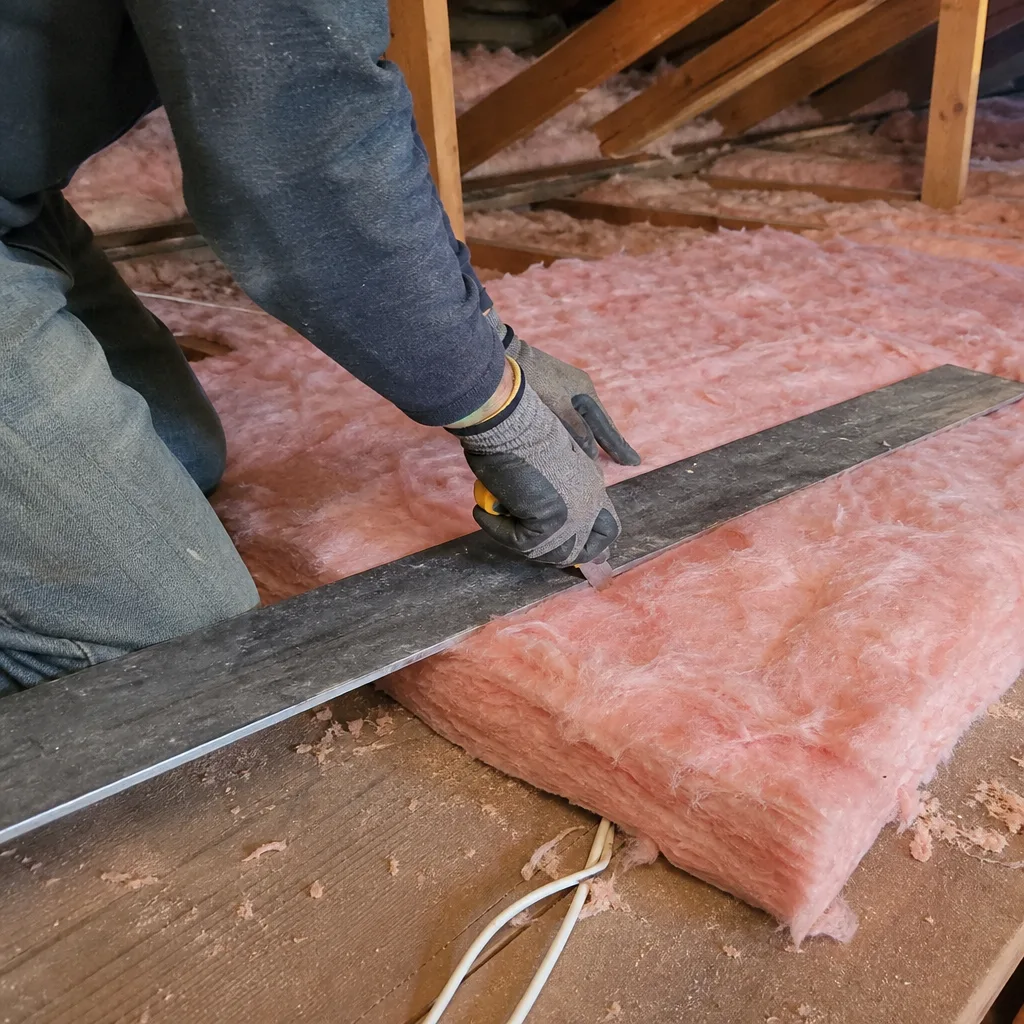
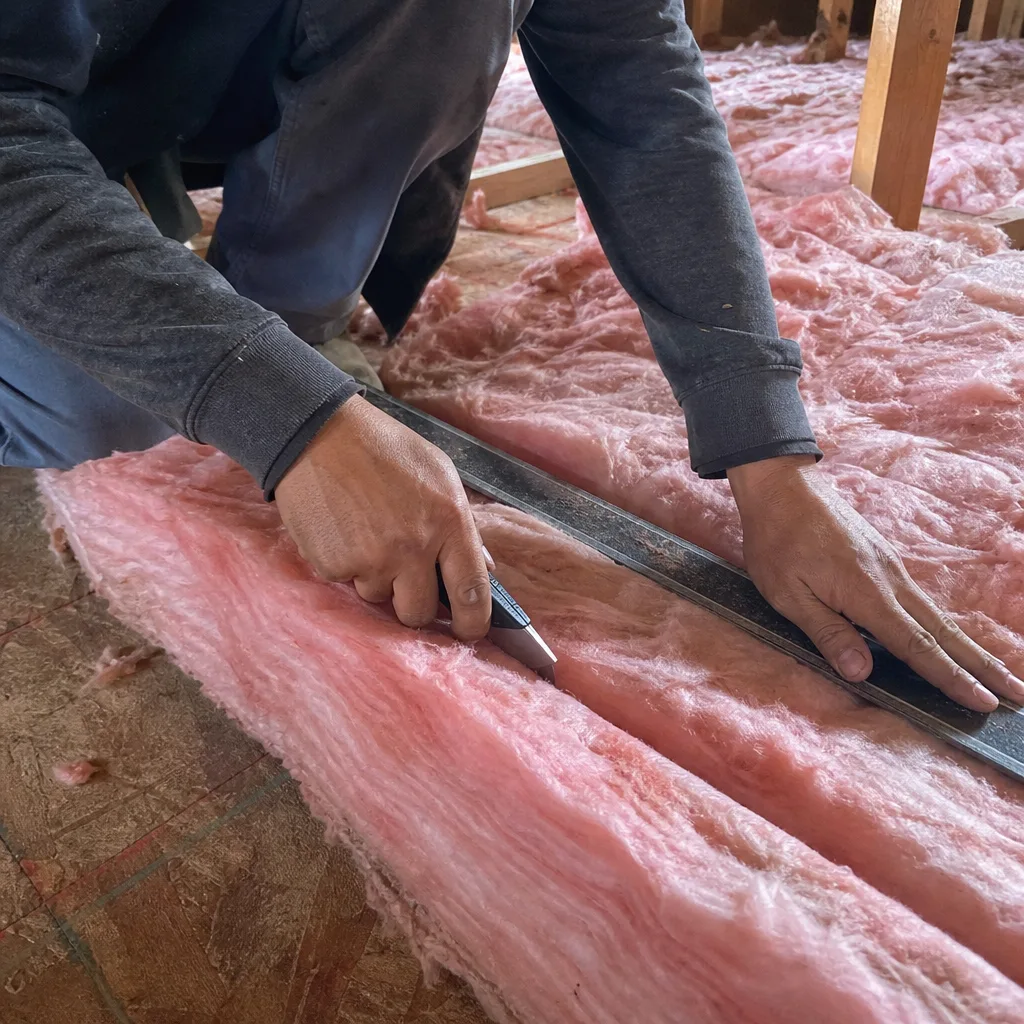
 Before
 After
AfterHow to Save on Attic Cleaning & Rodent Proofing in El Monte
The most practical way to reduce the total cost of an Attic Cleaning & Rodent Proofing project is to schedule it before the infestation becomes structural. A colony that has occupied an attic for six months does less damage than one that has been there for three years. If you’re hearing scratching sounds in the ceiling at night – particularly around dusk and just after dawn, which is when roof rats are most active in El Monte – getting an inspection done now will almost always cost less than waiting until the insulation is fully compromised.
A few other ways to keep the number lower:
- Bundle services in one mobilization. If your insulation is already past its useful life or was damaged by the infestation, doing the removal, exclusion, air sealing, and re-installation in a single visit costs less than scheduling each phase separately. Travel, setup, and containment time are spread across a larger job rather than paid four times over.
- Get a written estimate – and a second opinion on any written estimate. Under Haven Standard Clause 1, we provide a flat written price before any work begins. If you’ve already received a written estimate from another contractor, bring it to us: we offer a free second opinion on any written estimate and will read it with you line by line. That’s not a sales tactic – it’s a way to verify that the scope you were quoted is actually complete.
- Check Southern California Edison and LADWP rebate eligibility. Homes in El Monte that replace contaminated insulation and upgrade to current California Title 24 standards may qualify for rebates on the insulation portion of the work. Eligibility depends on existing R-value, the type of insulation installed, and your utility provider. We can walk through what documentation is required, but the rebate application is filed directly with the utility – we don’t mark up or manage rebate submissions on your behalf.
- Don’t pay for trapping as a separate service if exclusion is included. Some contractors quote a low cleaning price and then add ongoing trapping contracts as a recurring revenue line. Proper exclusion – sealing every entry point so rodents physically cannot re-enter – eliminates the need for ongoing trapping inside the attic. If a quote includes a multi-month trapping contract but does not include a full exclusion sweep, ask specifically what entry points are being sealed and get the answer in writing.
- Request a documented photo record. This is included on every Envelope Insulation Co. job – before photos, during photos, and after photos. This protects you when verifying that exclusion points were actually addressed and gives you documentation if you need to make a warranty claim. A contractor who does not provide photo documentation makes it harder to confirm that the work scope was completed.
For a free written estimate specific to your home in El Monte, call (626) 415-3454. We’ll schedule an inspection, identify every entry point and contamination zone, and hand you a flat written price before any work is discussed further.
FAQs – Attic Cleaning & Rodent Proofing Cost
How much does attic cleaning and rodent proofing cost in El Monte, CA?
Most attic cleaning and rodent proofing projects in El Monte run between $1,800 and $3,200 for a 1,200-1,800 square foot attic when all phases – contaminated insulation removal, debris cleanup, sanitizing, and full exclusion work – are included. Smaller, lightly contaminated attics can come in around $900-$1,200. Larger homes or heavily infested attics with multiple rodent entry points and saturated insulation can reach $5,000 or more. The price depends heavily on attic size, infestation severity, and whether re-insulation is needed after cleaning. Call (626) 415-3454 for a written estimate specific to your El Monte home – the estimate is free and there is no obligation.
Is attic cleaning different from rodent proofing, and do I need both?
Yes, they address different problems, and in most cases you need both. Attic cleaning removes the contaminated material – droppings, nesting debris, soiled insulation, and the biological matter that carries disease risk and odor. Rodent proofing (exclusion) seals the entry points so rodents cannot return. Doing one without the other is a short-term fix: cleaning an attic without sealing it means re-contamination, typically within weeks in an active area like El Monte. Sealing without cleaning leaves the existing health hazard and odor in place. Most jobs in El Monte bundle both, and the per-service cost is lower when they’re done together than when scheduled separately.
How long does attic cleaning and rodent proofing take?
A typical El Monte job – 1,500-square-foot attic, moderate infestation, blown-in insulation removal plus exclusion – takes one full day, sometimes extending into a second morning if the exclusion work is extensive or if re-insulation is included. Very large attics or severely compacted contaminated insulation can require two full days. We give you a realistic timeline in writing before the job starts, so there are no surprises about when your home will be accessible. Jobs do not drag across multiple weeks the way some larger general contractors schedule them.
Does homeowners insurance cover attic cleaning and rodent proofing in El Monte?
Occasionally, but the majority of standard homeowners insurance policies in California classify rodent damage as a maintenance exclusion rather than a covered peril. Some policies with broader “sudden and accidental” language have covered the insulation replacement cost when the damage was discovered unexpectedly, but pest-related contamination is almost always excluded from the base policy. The inspection report and documented photo record we provide can support an insurance claim if your adjuster is willing to review the scope. We recommend calling your insurer before the job starts to understand your coverage – not after, when the damaged material is already in a dumpster.
Can you just clean the attic without replacing the insulation?
Yes, if the insulation is structurally intact, dry, and retains usable R-value, removal is not always required. We assess the existing insulation condition during the inspection: insulation that’s been lightly soiled but is otherwise intact can sometimes be HEPA-vacuumed and sanitized in place, then covered with a new layer after air sealing. But in most El Monte homes where an active rodent colony has been present for more than a few months, the insulation is compressed, urine-saturated, and no longer performing at its rated R-value – at which point removal is the practical choice. We tell you what we find and give you the option in writing; we don’t remove insulation that doesn’t need to come out.
What is the difference between air sealing and rodent proofing?
They overlap in some materials and locations, but they solve different problems. Rodent proofing focuses on gaps large enough for a rodent to enter – typically 3/8 inch or larger – and uses hardware cloth, metal flashing, and foam to close those openings. Air sealing targets a wider range of gaps, including small penetrations around electrical wiring, plumbing stacks, and top-plate openings that are too small for rodents but large enough to allow significant conditioned air to escape. At Envelope Insulation Co., air sealing is completed before any new insulation is installed – not as a separate upsell after the fact. We measure the result with a blower-door test and provide both the before and after readings so you can see, in a single number, what the sealing work actually accomplished. In El Monte homes with original drywall ceiling penetrations and decades of HVAC modifications, the air sealing step consistently produces the largest measurable energy performance improvement on a per-dollar basis.
What the Full Process Looks Like at Envelope Insulation Co.
Understanding what you’re paying for – step by step – is part of how you evaluate whether a quote is reasonable. Here is exactly how we handle an Attic Cleaning & Rodent Proofing in El Monte job from first contact to final documentation.
Step 1: Inspection and Written Estimate
A technician comes to your El Monte home, accesses the attic, photographs every zone of contamination and every visible entry point, and measures the attic square footage. You receive a written estimate with a flat price broken out by service component. No work starts until you’ve signed off on the written scope – this is Haven Standard Clause 1, and there are no exceptions. The estimate visit is free.
Step 2: Containment and Removal
Before the first bag of contaminated insulation moves through your home, the access hatch and any interior openings are sealed with plastic containment barriers and a negative-pressure HEPA vacuum system is set up to prevent cross-contamination into living areas. All contaminated material is bagged, sealed, and removed from the property as regulated waste – not left in your driveway or staged in your garage.
Step 3: HEPA Vacuuming and Sanitizing
Once the bulk material is out, the attic floor – joists, top plates, and decking – is HEPA-vacuumed to remove fine particulate matter, then treated with an enzyme-based sanitizer and deodorizer. In cases of heavy urine saturation, a second treatment pass with a longer dwell time is scheduled. We document this with photographs before and after treatment.
Step 4: Air Sealing (Required Before Any Insulation)
This is the step that most general pest-control companies skip and that most homeowners don’t know to ask for. Every top-plate penetration, can light housing, plumbing chase, and electrical wire entry point is sealed with fire-rated caulk or two-component spray foam before any new insulation material is installed. We run a blower-door test before this step and again after, and both readings go into your job documentation. On a typical El Monte home built before 1990, this step alone reduces conditioned-air loss by 30-50 percent, measurable in CFM50 (cubic feet per minute at 50 Pascals of pressure).
Step 5: Rodent Exclusion
With the attic clean and the floor sealed, we address every identified rodent entry point along the exterior: soffit vents, rafter tails, fascia gaps, gable vents, and any pipe or conduit penetration through the roof plane or exterior walls. Hardware cloth (galvanized steel mesh with openings no larger than 1/4 inch) is used at vent openings; gaps at structural members are sealed with copper mesh and two-component foam or metal flashing, depending on the geometry. We photograph every sealed point and include it in the documented record you receive.
Step 6: Re-insulation (If Included in Scope)
New insulation – sourced from materials including Owens Corning, Johns Manville, Knauf, and GreenFiber, depending on the application – is installed to current California Title 24 standards. For most El Monte homes, that means a minimum of R-38 in the attic floor. We do not install new insulation over an unsealed attic floor. This is not a policy we make exceptions to.
Step 7: Documented Photo Record and Warranty Delivery
Before the crew leaves, you receive: a complete before-and-after photo record of every service phase, the blower-door readings from before and after air sealing (on applicable jobs), and written documentation of the 365-Day Done Right Promise. If anything is not right within 365 days of the completed job, we return and make it right – in writing, not verbally.
Why El Monte Attics Have Specific Challenges
El Monte sits in the San Gabriel Valley at roughly 290 feet elevation, bordered by the Rio Hondo to the west and the San Gabriel River to the east. Those flood control corridors – lined with dense vegetation, water access, and minimal human foot traffic – function as rodent highways. Roof rats and Norway rats move along the riverbanks and into residential neighborhoods on both sides of Valley Boulevard year-round, not just seasonally. Homes within three or four blocks of either channel see measurably higher re-infestation rates after incomplete exclusion work, which is why the exclusion phase on those jobs typically requires more materials and more time.
The housing stock adds another layer. A large share of El Monte’s single-family homes were built between 1945 and 1975, which means original wood soffits, older HVAC retrofits with gaps at every penetration, and insulation that may be original cellulose or fiberglass from fifty years ago. That material has often settled to an effective R-value well below R-11, even if it was installed at R-19 or R-22 decades ago. In the summer, attic temperatures in these homes regularly exceed 150 degrees Fahrenheit – not because El Monte’s climate is extreme, but because the combination of poor air sealing, compressed insulation, and dark roof surfaces creates a heat-trapping effect that’s entirely preventable.
We’ve completed work throughout El Monte’s neighborhoods – near Garvey Avenue, along Peck Road, in the older tract developments east of Santa Anita Street, and in the denser residential corridors south of the 10 Freeway. Each part of the city has its own attic character, and the inspection findings reflect that. A home near the Rio Hondo requires a different exclusion emphasis than a home in a newer subdivision near Ramona Boulevard, even if they’re the same square footage.
If you want to understand the full scope of what we do in this market beyond cleaning and rodent proofing, you can start from our home page, which covers the complete building-envelope service line we offer in El Monte and the surrounding San Gabriel Valley.
Key Takeaways
- Attic cleaning and rodent proofing in El Monte costs $1,800-$3,200 for most single-family homes; the full range is $900-$5,800+ depending on size and severity.
- The biggest cost drivers are attic square footage, infestation severity, existing insulation condition, and the number of exclusion points.
- Air sealing before re-insulation is not optional – it’s the step that determines whether new insulation actually performs at its rated R-value.
- El Monte’s proximity to the Rio Hondo and San Gabriel River flood channels creates above-average rodent pressure; exclusion work needs to be thorough, not cursory.
- Every job at Envelope Insulation Co. starts with a written flat price and ends with a documented photo record and a 365-day written warranty – before-and-after blower-door readings are included on all applicable jobs.
- Southern California Edison and LADWP rebates may be available for insulation upgrades when replacing contaminated material – ask about documentation requirements during the estimate visit.
Get a Written Estimate for Your El Monte Attic
If you’re dealing with rodent damage, contaminated insulation, or an attic that hasn’t been inspected since you bought the home, the most useful next step is a documented inspection with a flat written price. No callbacks from an answering service, no pricing discussed only over the phone, no work starting until you’ve seen the number in writing. That’s how every job starts under the Haven Standard, and it’s how every job in El Monte has started since 2016.
Call (626) 415-3454 to schedule your free inspection and written estimate. A live person answers – not a voicemail, not a callback queue. We’ll give you a named technician and a text when they’re on the way.
Written by Wes Okafor, Owner at Envelope Insulation Co., serving El Monte, CA since 2016. Pricing reflects the El Monte market as of 2026. Topside Attic Insulation El Monte offers free estimates – call (626) 415-3454.
What Our Customers Say
"They photographed rodent damage in the old insulation that we had no idea about, and priced the exclusion work separately so we could decide."
- Harriet N."Fixed price, clean work, and they hauled the old material away as agreed."
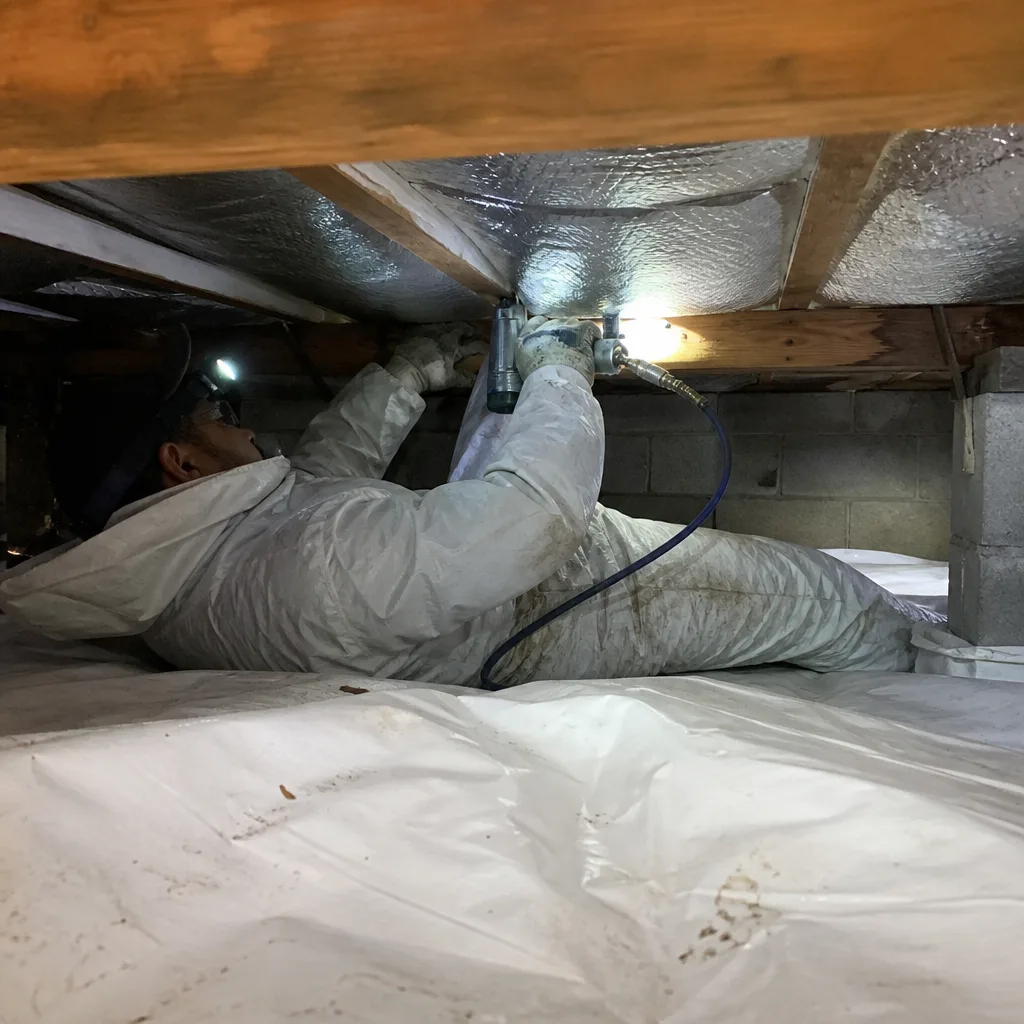
- Todd M."Crawl space encapsulation done properly. Photographs of the vapour barrier at every seam, and the damp smell in the hallway is gone."
- Ainsley P.