
Last updated September 24, 2026
How to Hire a Insulation Contractor in El Monte: A Step-by-Step Guide
California’s Contractors State License Board shows that insulation work can legally be performed under a C-2 (insulation), B (general building), or in some cases C-20 (HVAC) license - and each license holder has a different definition of what “complete” means. A C-2 contractor knows vapor barriers and R-values; a B contractor might see insulation as one line item in a larger remodel; a C-20 might treat it as ductwork-adjacent. In El Monte, where summer highs push attic temperatures past 140°F and winter nights dip into the 40s, that distinction matters. The wrong hire leaves you with bags of material in the attic and no measurable change in how your home performs. This guide walks you through verifying credentials, reading estimates like a technician, and demanding documentation that proves the work was done to spec - not just done - while our Insulation Warning Signs: A El Monte Homeowner’s Reference Guide covers what to watch for before calling a contractor.
Quick Answer
To hire an insulation contractor in El Monte, verify their CSLB license class matches the work you need, demand a written scope that lists materials by brand and installed R-value with air sealing locations specified, and require before-and-after documentation - blower-door numbers, installed depth readings, and photos - before anyone signs. Most reputable contractors in the San Gabriel Valley provide this within 24 hours of a site visit; those who won’t should be declined.
Table of Contents
- Step 1: Verify License, Bond, and Workers’ Comp in Five Minutes
- Step 2: Ask the Five Questions That Reveal Whether Air Sealing Is Included
- Step 3: Read the Written Estimate Like a Technician
- Step 4: Demand Before-and-After Documentation Before Signing
- Step 5: Spot the Red Flags Specific to El Monte and the San Gabriel Valley
- What Insulation Work Costs in El Monte
- Common Mistakes to Avoid
- When to Call a Professional
- Frequently Asked Questions
- The Bottom Line
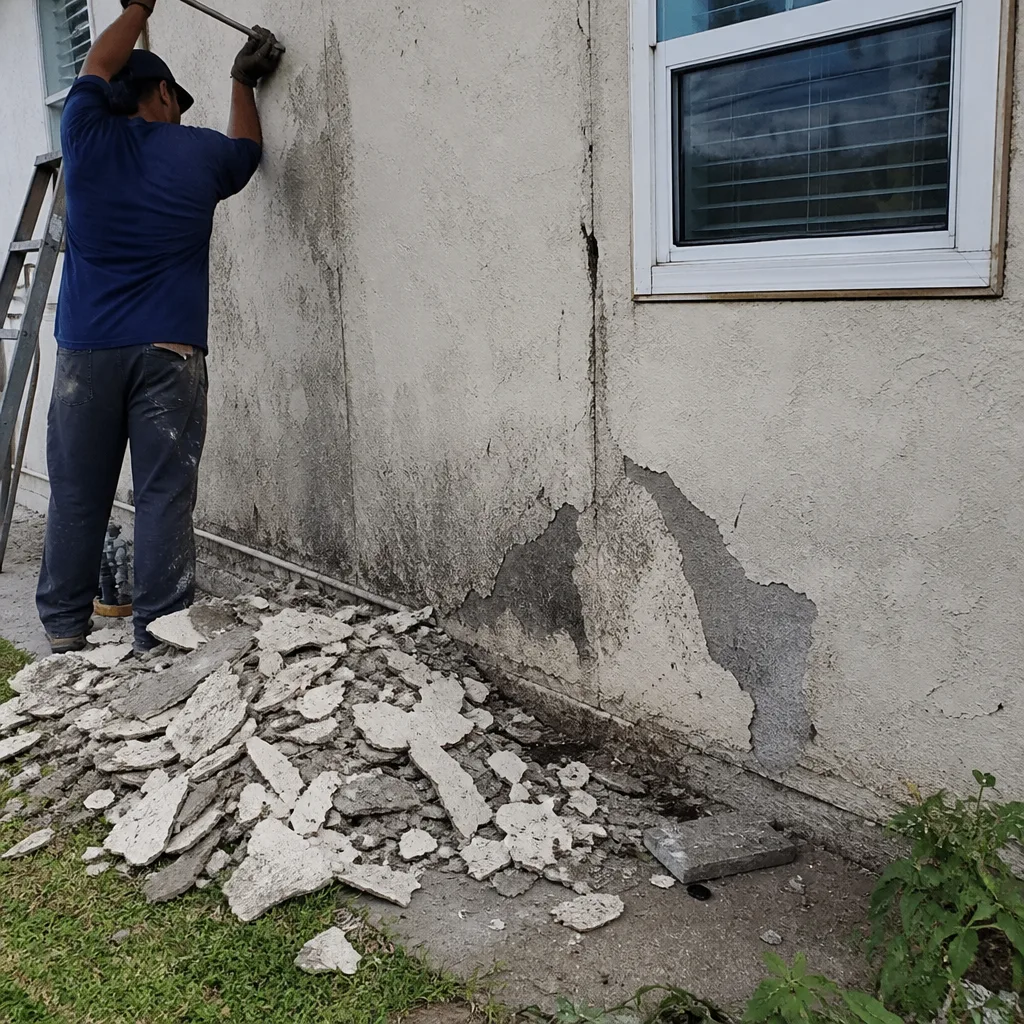 Before
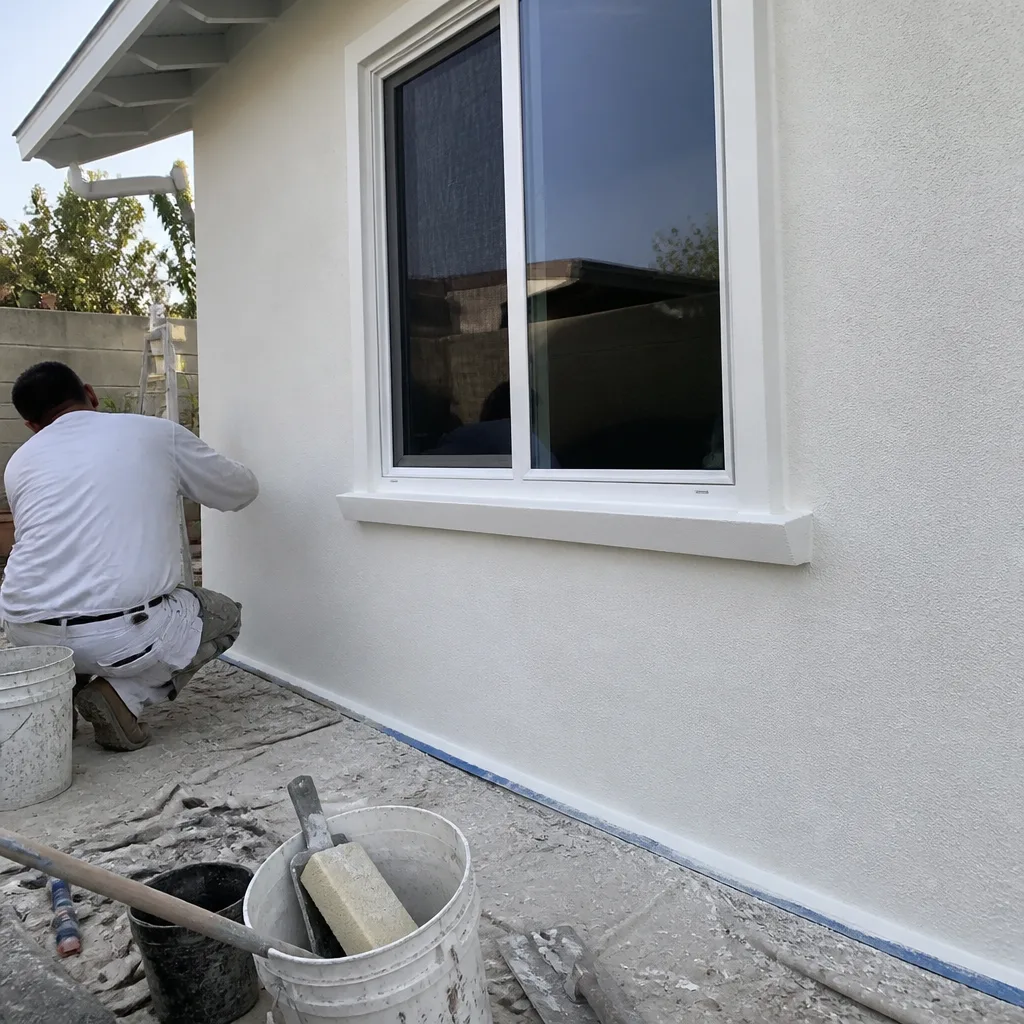 After
AfterStep 1: Verify License, Bond, and Workers’ Comp in Five Minutes
Every legitimate insulation contractor in El Monte must carry three documents: a current CSLB license, an active surety bond, and a valid workers’ compensation certificate. Here’s how to check each in under five minutes, and what missing documentation actually costs you.
Check the CSLB License Class
Go to cslb.ca.gov and enter the contractor’s license number. Look at the classification:
- C-2 - Warm-Air Heating, Ventilating and Air-Conditioning: Wait - that’s not right. The C-2 is actually Warm-Air Heating, Ventilating and Air-Conditioning. For insulation specifically, look for C-2 Limited Specialty - Insulation and Acoustical, which covers thermal and acoustic insulation installation.
- B - General Building Contractor: Can perform insulation as part of a larger project, but cannot hold themselves out as insulation specialists unless the work is incidental to a broader contract.
- C-20 - Warm-Air Heating, Ventilating and Air-Conditioning: May handle insulation adjacent to HVAC work, but their expertise is mechanical systems, not building envelope performance.
What this means in practice: a B contractor quoting attic insulation as a standalone job in El Monte is operating outside their license scope unless it’s part of a remodel or addition. A C-2 specialty contractor can bid insulation directly and should demonstrate deeper knowledge of vapor drive, stack effect, and conditioned attic assemblies.
Verify Bond Status
On the same CSLB page, check “Bond” status. California requires a $25,000 bond for active licenses. If the bond shows inactive or expired, the contractor cannot legally start work. For you, this means no recourse through the CSLB complaint process if the job goes wrong.
Confirm Workers’ Compensation
Click “Workers’ Compensation Information” on the CSLB record. If the contractor has employees, coverage must show active. If they claim exemption (common for sole operators), verify they truly work alone - an uninsured crew member falling through your ceiling in a 1940s El Monte bungalow becomes your homeowner’s insurance problem, and many policies cap secondary liability at levels that won’t cover a major injury.
What you should receive before work starts: a printed or PDF copy of the license page, bond certificate, and workers’ comp declaration page. Any contractor who hesitates at this request has already told you something.
Step 2: Ask the Five Questions That Reveal Whether Air Sealing Is Included
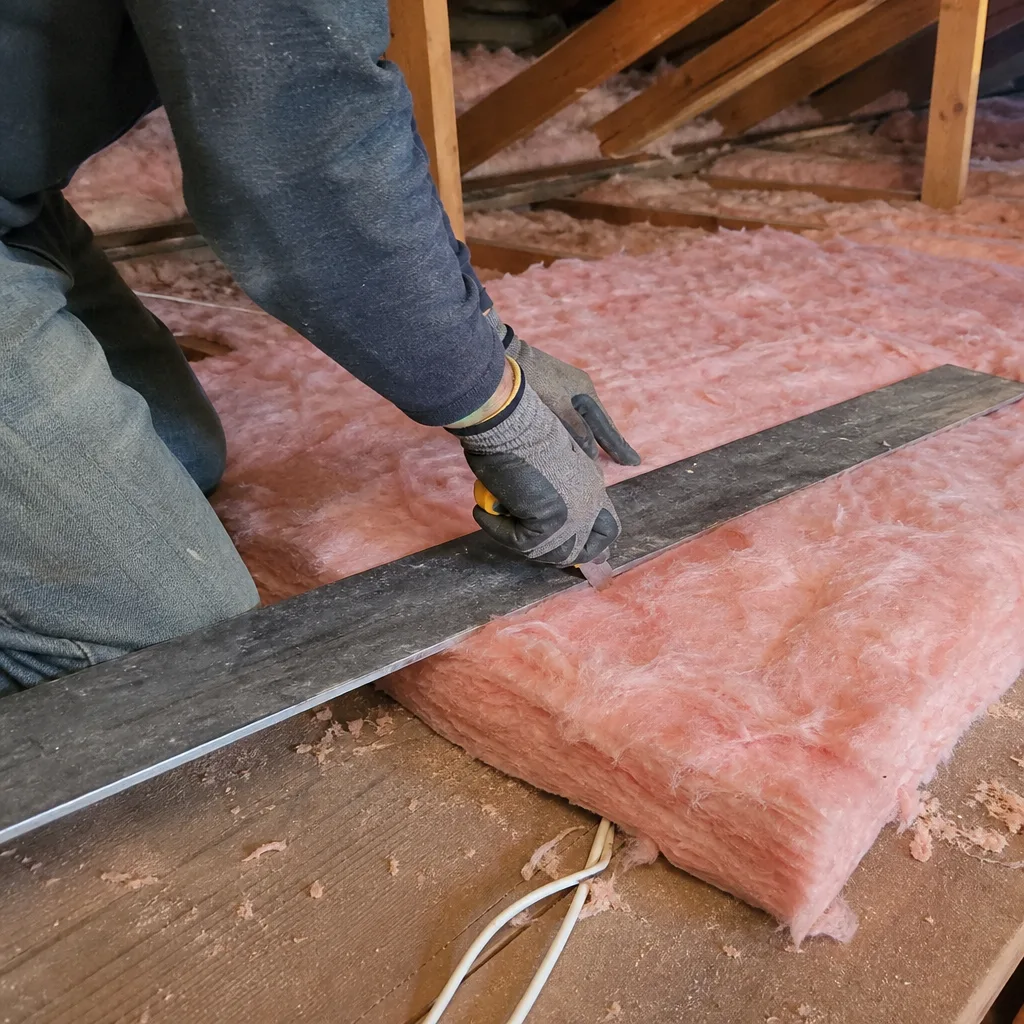
Insulation without air sealing is a blanket with holes. In El Monte’s climate - hot, dry summers with significant diurnal temperature swings - unsealed top plates and can light penetrations let conditioned air escape continuously. The five questions below expose whether a contractor treats air sealing as prerequisite or upsell.
- “Where exactly do you seal before you blow insulation?” The answer should include: top plates where interior walls meet the attic floor, electrical and plumbing penetrations, can light housings rated for insulation contact (IC) or the boxes around non-IC fixtures, the attic hatch or scuttle, and chimney chases or flue penetrations. “We spray foam the big gaps” is not specific enough.
- “Do you move existing insulation to seal underneath it, or blow over it?” Blowing over existing insulation without lifting it to seal the deck beneath is standard practice for low-bid crews in the San Gabriel Valley. The correct answer: “We rake back existing material, seal the deck and penetrations, then reinstall or add new insulation to the specified depth.”
- “How do you handle recessed lighting?” Non-IC (insulation contact) rated fixtures require a dam or box to maintain clearance; IC-rated fixtures can be covered directly but still need airtight gaskets. A contractor who says “we just blow around them” is creating fire risk and thermal bypass.
- “What do you do with the attic hatch?” The hatch is the largest unsealed opening in most El Monte attics. Weatherstripping the frame and adding rigid insulation to the hatch itself should be automatic, not optional. “Takes too long” is a disqualifying answer - we’ve heard it in the field.
- “Do you test for airtightness before and after?” A contractor who measures is a contractor who can prove results. The answer should reference a blower-door test - a pressurization reading that shows, in one number, how much air your building envelope is losing - or at minimum a smoke pencil or theatrical fog inspection of major leaks.
At Topside Attic Insulation El Monte home, we seal first, then insulate - in that order. Air sealing of top plates, can lights, and penetrations is completed before any insulation is added. This isn’t an upgrade; it’s the foundation of the job.
Step 3: Read the Written Estimate Like a Technician
A legitimate written scope of work for insulation in El Monte should read like a specification, not a sales pitch. Here’s what belongs in the document, line by line, versus what signals a contractor who plans to figure it out on the day.
What a Proper Scope Includes
| Element | Specific, Acceptable | Vague, Unacceptable |
|---|---|---|
| Insulation material | “Owens Corning ProCat blown-in fiberglass, R-38 installed depth per manufacturer spec for El Monte climate zone” | “Premium blown-in insulation to code” |
| Air sealing locations | “Top plates, electrical penetrations, plumbing stacks, can light housings, attic hatch weatherstrip and rigid insulation cap, chimney chase” | “Air sealing as needed” |
| Installed R-value | “R-38, verified by depth markers at minimum 5 locations per 1,000 sq ft” | “R-38 equivalent” |
| Ventilation inspection | “Soffit baffle inspection and replacement where blocked; ridge vent and gable vent flow verification” | “Ventilation check” |
| Prep and protection | “Floor protection, containment for blown material, post-job HEPA cleanup, photo documentation” | “Clean up after” |
| Warranty | “365-Day Done Right Promise - material and installation coverage with written claim procedure” | “Satisfaction guaranteed” |
Under Haven Standard: Have it in writing. Every job begins with a written price, a written scope, and a written warranty before anyone lifts a tool. The written price is flat - not an estimate that drifts upward once the crew is in your attic.
The One-Line Quote Problem
Estimates that read “Blow attic to R-38: $X” are common in El Monte’s competitive market. They leave every variable open: what material, what depth verification method, what prep, what happens to the old insulation, whether air sealing is included. Contractors who write this way are either inexperienced or intentionally vague to allow change orders. Decline both.
Step 4: Demand Before-and-After Documentation Before Signing
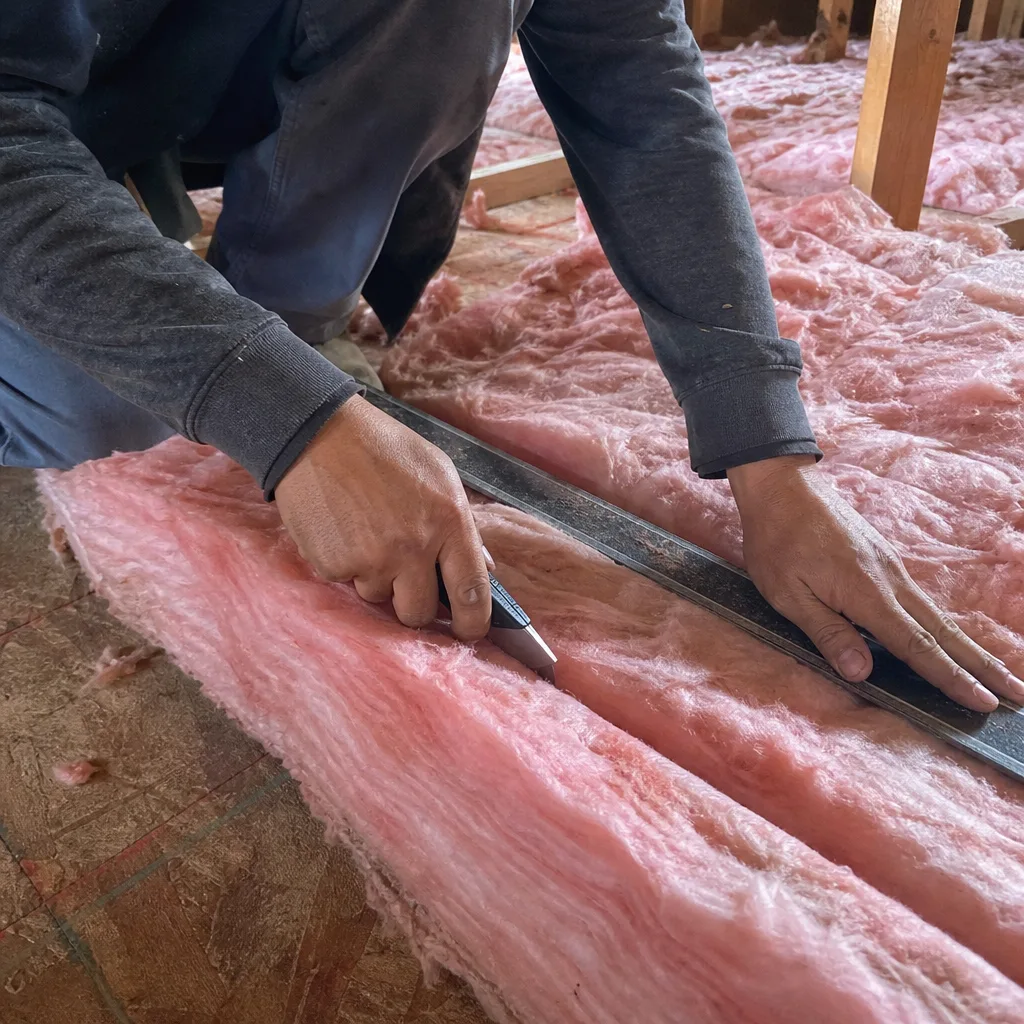
Insulation is a performance product sold by the promise of future comfort and lower bills. Without documentation, you have no proof the performance was delivered. Here’s what to request and how to read it.
Blower-Door Numbers
A blower-door test - a pressurization reading that shows, in one number, how much air your building envelope is losing - is the single most valuable metric for verifying air-sealing work. The test is performed before and after work, with the house depressurized to -50 Pascals.
What the numbers mean for El Monte homes:
- Pre-work reading above 4,000 CFM50: Significant leakage, typical of pre-1980 construction with minimal original air sealing.
- Pre-work reading 2,500-4,000 CFM50: Moderate leakage, common in 1980-2005 construction with some weatherization.
- Post-work reduction of 20-40%: Good air sealing result; insulation can now perform as rated.
- Post-work reduction under 20%: Sealing was incomplete or bypassed major leak paths.
We publish before-and-after blower-door numbers on every applicable job. The homeowner receives the readings in writing, with the pre-work number, post-work number, percentage improvement, and the test date and technician signature.
Installed Depth Readings
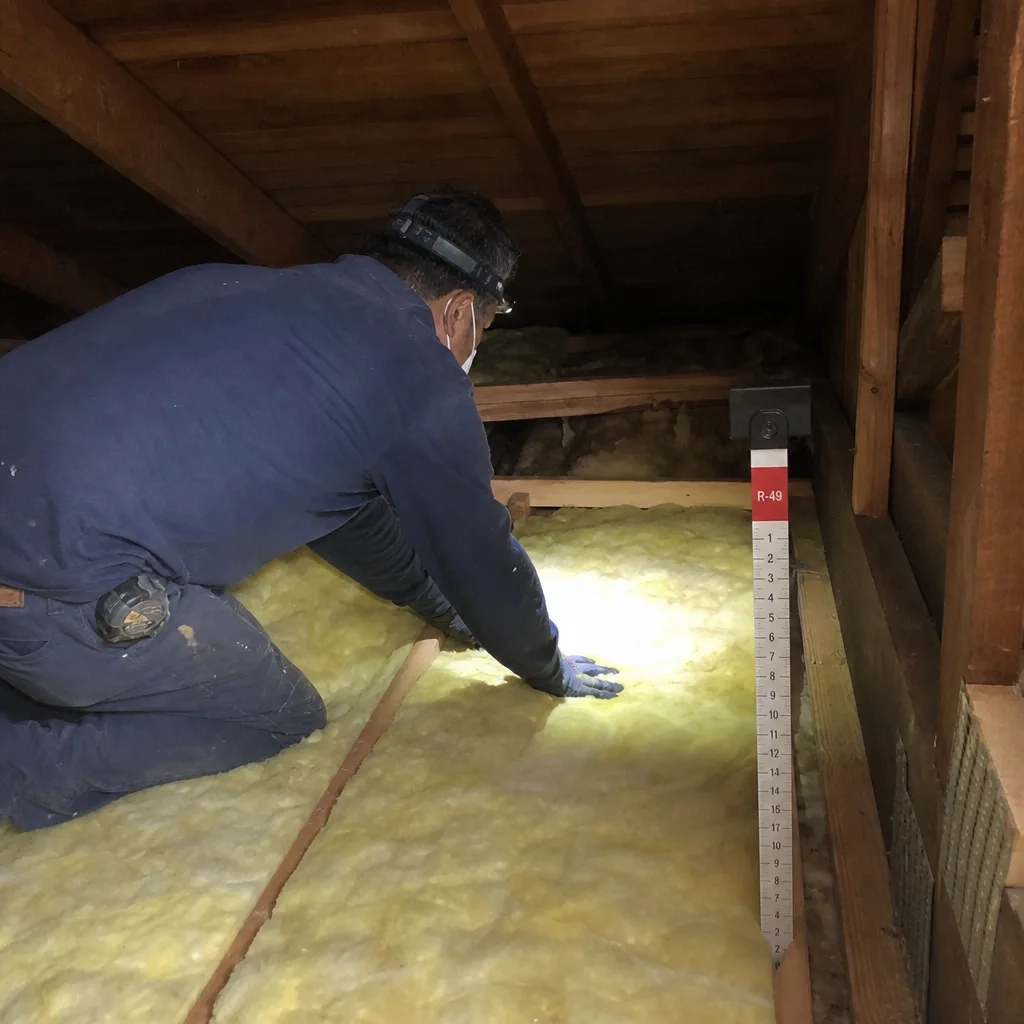
R-value for blown insulation depends entirely on installed depth and density. Depth markers - cardboard rulers stapled to trusses or joists - should be placed at minimum five locations per 1,000 square feet. The contractor should photograph each marker and provide the images. In El Monte’s Climate Zone 10, R-38 requires approximately 12-14 inches of blown fiberglass or 10-12 inches of blown cellulose, depending on product spec.
Photo Documentation
A Documented Photo Record on Every Visit - included on every job, not available on request - should show: attic condition before work, air sealing in progress with material visible at each location type, depth markers at installed height, and attic condition after work. This is your evidence if settling, moisture, or performance issues arise later.
Materials we source include Owens Corning, Johns Manville, Knauf, and GreenFiber - no proprietary product lock-in, so the scope specifies what’s best for your assembly, not what our supplier needs to move.
Step 5: Spot the Red Flags Specific to El Monte and the San Gabriel Valley
Local market conditions create specific failure modes. These five red flags are more common in the San Gabriel Valley than elsewhere in Southern California.
- Quoting by the bag, not by installed R-value. A “20-bag special” tells you nothing about final depth, coverage, or performance. Insulation is sold by the square foot at specified R-value; bags are an input, not an output. Contractors who quote this way are competing on material cost, not result.
- Skipping the attic hatch weatherstrip because “it takes too long.” We’ve encountered this explicitly in El Monte and surrounding cities. The hatch is typically 5-10% of total attic area and the leakiest square foot per square foot. A crew that won’t spend 20 minutes on it won’t spend time on hidden top plates either.
- No mention of El Monte’s specific ventilation requirements. The city’s location in a valley basin with summer inversion layers means attics need active ventilation management. A contractor who doesn’t inspect soffit baffles and ridge vent flow is ignoring moisture risk.
- Pressure to decide during the first visit. “I can do it for 15% less if you sign today” violates Haven Standard Clause 1. Written price, written scope, time to review. No exceptions.
- Inability to name the material brand and product line. “Fiberglass” or “recycled cellulose” is insufficient. Owens Corning ProCat, GreenFiber All Borate, Icynene open-cell - specific products have specific performance data sheets. A contractor who can’t name what they install can’t stand behind it.
What Insulation Work Costs in El Monte
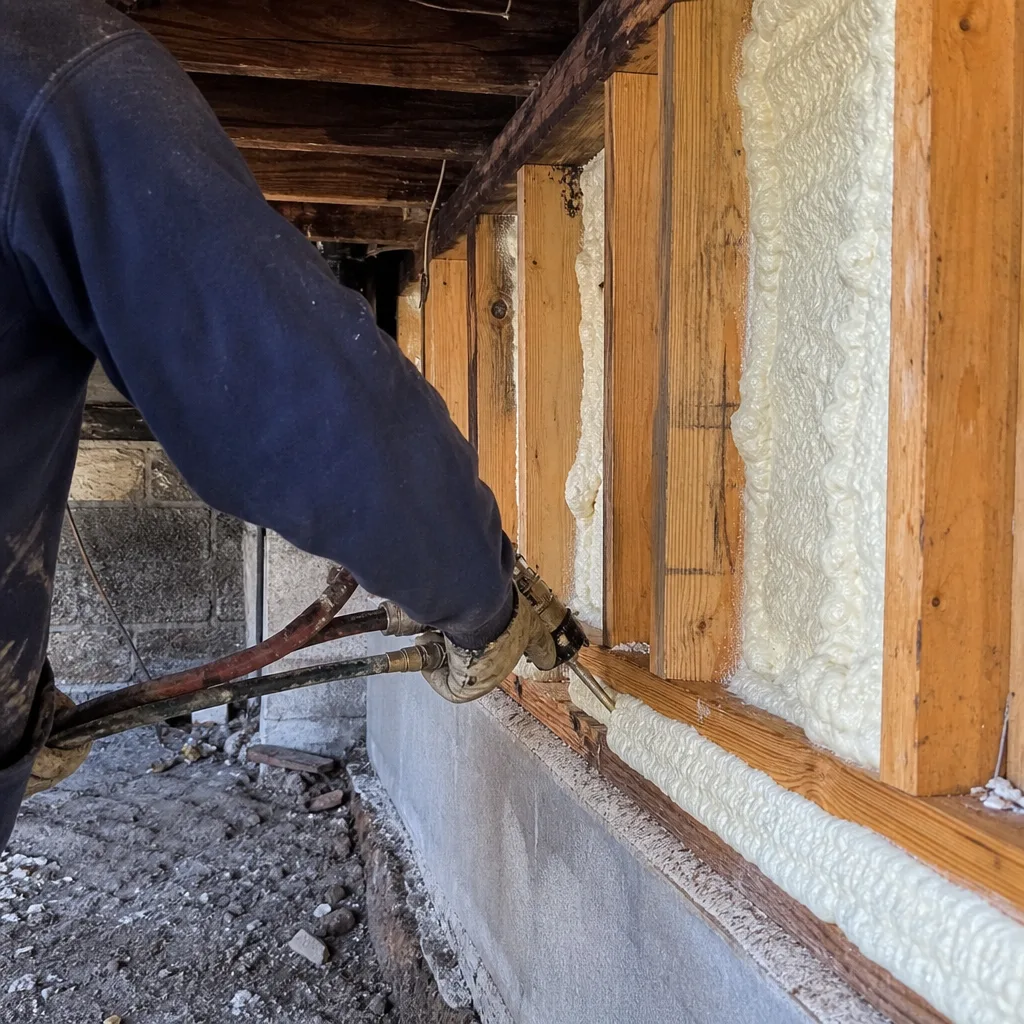
Most attic insulation jobs in a typical El Monte single-family home - 1,200-1,800 square feet of attic floor - run between $2,800 and $5,400 for complete air sealing plus blown insulation to R-38; see our Insulation Cost Breakdown: The El Monte Homeowner’s Reference for 2026 for full pricing factors. The range reflects access difficulty, existing insulation condition, and whether removal is required.
| Service | Typical Range in El Monte | What Affects Price |
|---|---|---|
| Attic air sealing only | $1,200-$2,400 | Attic height, number of penetrations, hatch condition |
| Air sealing + blown fiberglass to R-38 | $2,800-$4,200 | Square footage, access, existing material handling |
| Air sealing + blown cellulose to R-38 | $2,600-$3,900 | Density requirements, fire-retardant treatment spec |
| Existing insulation removal + replacement | Add $1,000-$2,200 | Contamination level, disposal fees, deck repairs |
| Spray foam insulation (open-cell, roofline) | $4,500-$8,500 | Roof pitch, square footage, ventilation strategy |
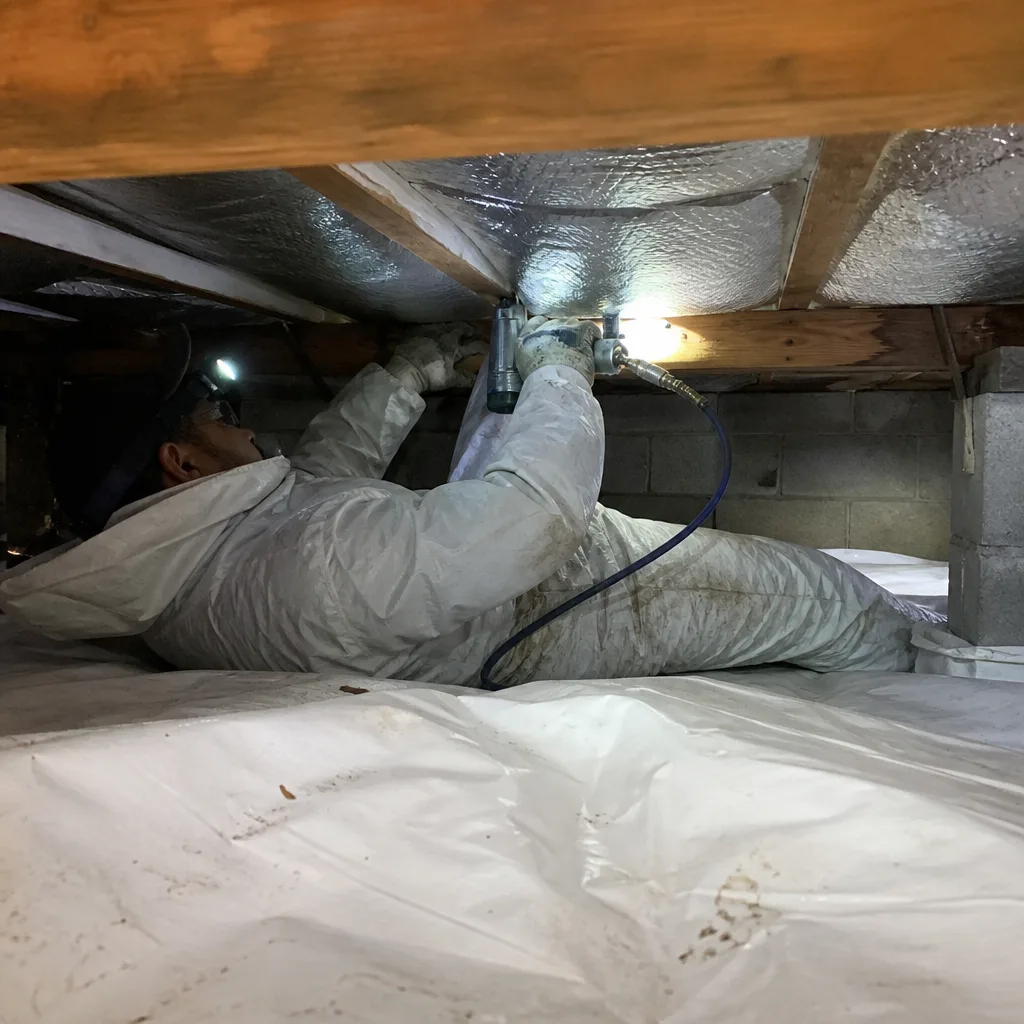
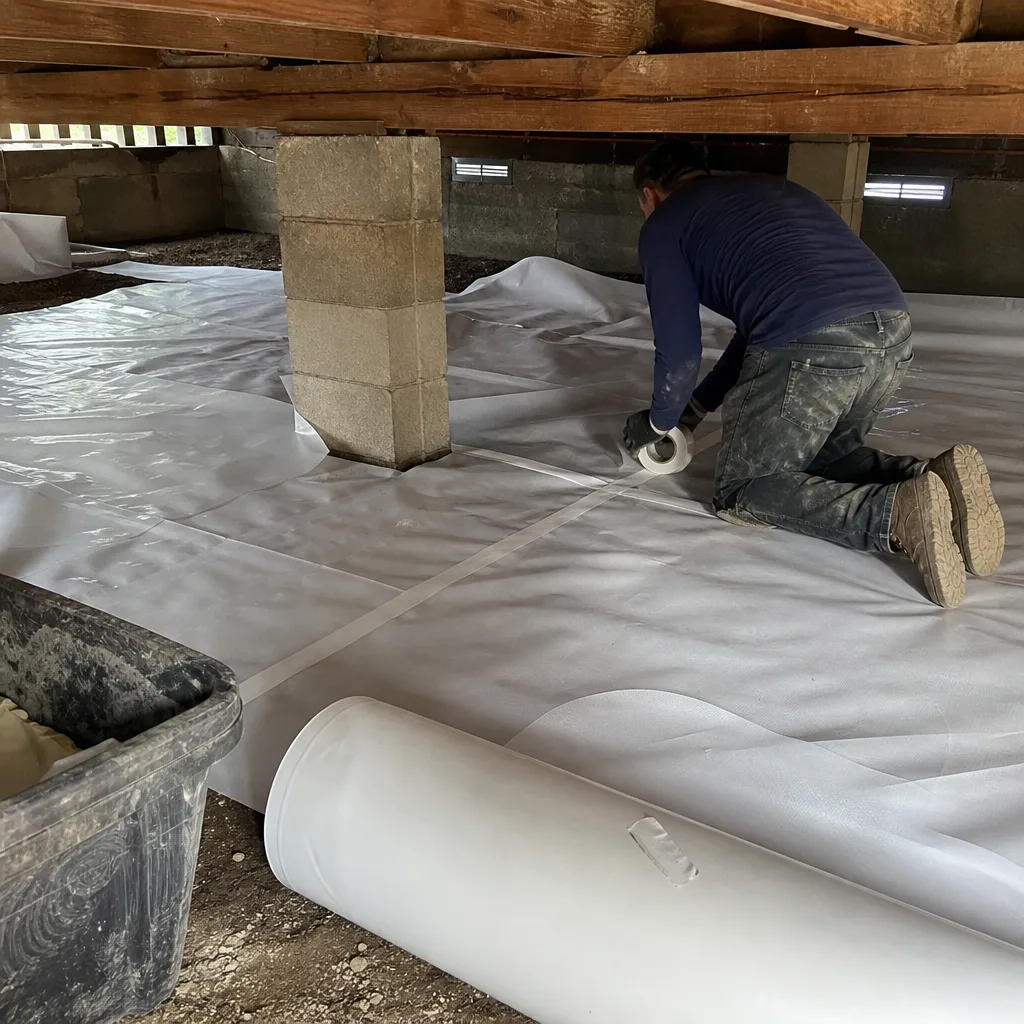
| Crawl space encapsulation | $3,500-$7,000 | Linear footage, vapor barrier mil thickness, conditioning |
These ranges reflect El Monte’s market specifically - labor rates, permit requirements, and material availability in the San Gabriel Valley. For Spray Foam Insulation in El Monte, the roofline application requires additional ventilation planning that can push the upper end of the range.
Under Haven Standard: Written Price Before Any Work Starts (Always). The price we write is the price you pay. We also offer a Free Second Opinion on Any Written Estimate - bring us a competing quote and we will read it with you, line by line.
Common Mistakes to Avoid
- Hiring based on lowest bid without reading the scope. A $2,200 quote that omits air sealing and depth verification will cost more in energy bills over five years than a $3,800 quote that includes both. The cheaper job is more expensive.
- Assuming all insulation contractors measure performance. Most don’t. Ask directly: “What number will you give me that proves the house is tighter?” If the answer is “you’ll feel the difference,” the contractor has no quality control.
- Ignoring the license class. A B contractor doing standalone insulation in El Monte without a C-2 specialty is operating outside scope. If the job fails, the CSLB may decline jurisdiction.
- Accepting verbal warranties. “We’ll come back if there’s a problem” is not a warranty. A written warranty with procedure, timeline, and coverage limits is. Under Haven Standard, you receive this before work starts.
- Neglecting to ask about material sourcing. Contractors who buy from unnamed suppliers may use reclaimed, off-spec, or improperly stored material. We source from Owens Corning, Johns Manville, Knauf, Rockwool, CertainTeed, Icynene, Demilec, and GreenFiber - brands with published performance data and quality control.
- Scheduling during El Monte’s extreme heat without prep. Attic work in July and August requires early-morning starts, hydration protocols, and crew rotation. A contractor who doesn’t mention this is either inexperienced or indifferent to worker safety - which predicts their care for your home.
- Not checking three-star reviews specifically. Five-star reviews tell you who the contractor can satisfy; three-star reviews tell you where their process breaks. Look for patterns: missed appointments, scope disputes, cleanup issues. These predict your experience more accurately than the average rating.
When to Call a Professional
Call an insulation contractor when your attic insulation is below current depth, when rooms have persistent temperature stratification, when energy bills spike without rate changes, or when you’re completing any roof or HVAC work that exposes the attic floor. In El Monte, where summer cooling dominates energy costs, an underinsulated attic can add 25-35% to annual conditioning expense.
Specific scenarios that warrant immediate professional assessment: visible moisture or mold on attic sheathing (indicates ventilation failure), rodent activity in insulation (requires removal and sanitization before replacement), and any home built before 1980 with original insulation (likely R-11 or less, degraded, and unsealed). Attic Insulation in El Monte from Topside Attic Insulation El Monte includes a full envelope assessment to distinguish insulation deficiency from air leakage, duct loss, or ventilation failure.
Topside Attic Insulation El Monte offers free estimates in El Monte - call (626) 415-3454. Every estimate includes a written scope, and our 365-Day Done Right Promise applies to all completed work.
Frequently Asked Questions
Visit cslb.ca.gov, enter the license number, and confirm the classification matches your project - C-2 for insulation specialty, B only if insulation is part of larger construction. Check that “License Status” shows Active, the bond is current, and workers’ compensation is active or a valid exemption is on file. The entire check takes under five minutes and protects you from unlicensed operators who can’t be held accountable through state channels; for deeper regulatory context, see Insulation Permits, Codes & Inspections in CA: What You Need to Know. Call (626) 415-3454 if you want us to walk through a competitor’s quote with you - estimates are free.
Air sealing is prerequisite, not upsell. In El Monte’s climate zone, unsealed attics lose 30-50% more conditioned air than sealed attics with identical R-value insulation. Blowing insulation over an unsealed deck traps air movement paths inside the new material, reducing effective R-value and creating moisture risk. Any contractor who treats air sealing as optional is either uninformed or padding a low bid with change orders later. At Envelope, we seal first, then insulate - no exceptions.
Most complete attic jobs - air sealing plus blown insulation to R-38 - run $2,800-$5,400 for typical El Monte homes. The lower end covers straightforward access, clean existing material, and fiberglass; the upper end reflects removal needs, cellulose density requirements, or complex rooflines. Spray foam at the roofline ranges $4,500-$8,500. Every quote from Topside Attic Insulation El Monte is a flat written price, not an estimate that changes. Call (626) 415-3454 for a specific quote - no charge, no obligation.
A blower-door test is a pressurization reading that shows, in one number, how much air your building envelope is losing. A powerful fan mounts in an exterior door frame, depressurizes the house to -50 Pascals, and measures airflow in cubic feet per minute (CFM50). Before-and-after numbers prove air sealing worked - a 20-40% reduction is typical for quality work. Without this test, you’re buying a promise, not a result. We publish blower-door numbers on every applicable job.
Most attic insulation projects - air sealing plus blown material - complete in one day for homes under 2,500 square feet. Two days if removal, significant deck repair, or spray foam curing is required. El Monte’s summer heat can shift start times earlier; we schedule 6:00 AM arrivals July through September to protect crew safety and material performance. You’ll receive a named technician and a text when they’re en route - Haven Standard: Arrive on schedule.
Remove old insulation if it’s contaminated (rodent activity, water damage, mold), compressed below 50% of original depth, or installed before 1990 (potential asbestos - require testing first). If existing material is clean and merely thin, rake it back, seal the deck beneath, then add new material to achieve specified total R-value. Removal adds $1,000-$2,200 in El Monte’s market but is essential for health and performance when contamination exists. We assess this during every site visit and document the condition with photos.
The Bottom Line
Hiring an insulation contractor in El Monte is not like hiring a plumber. You’re buying a performance outcome - measured in CFM50 reduction, installed R-value verification, and documented depth - that won’t be visible once the crew leaves. The right hire gives you paperwork that proves the work: license verification, written scope with materials specified, and before-and-after numbers. The wrong hire gives you bags in the attic and a promise that “you’ll notice the difference.” Verify credentials, read estimates for specificity, demand measurement, and decline any contractor who won’t put the scope, price, and warranty in writing before starting. For more guides & resources on protecting your home investment, explore our blog. In a market where anyone with a truck and a blower can call themselves an insulation contractor, documentation is the only protection that lasts.
Written by Wes Okafor, Owner at Topside Attic Insulation El Monte, serving El Monte since 2016.