
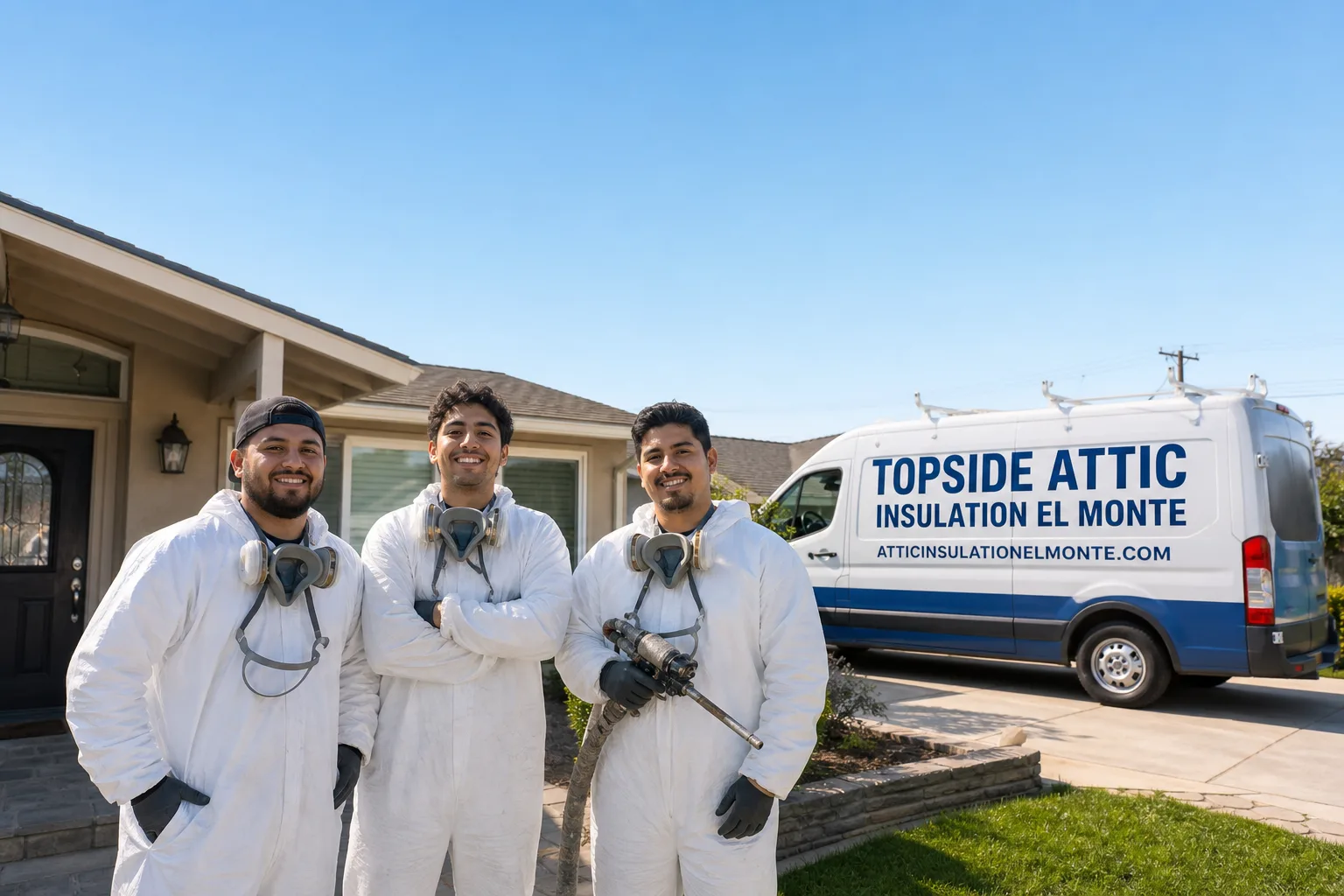
Fast, Reliable Blown-In Insulation Across Temple City
Blown-in insulation in Temple City typically runs $1.80-$3.20 per square foot for attic work and $2.50-$4.50 per square foot for dense-pack wall fills, with most single-family jobs completed in one day. We’re familiar with the specific thermal challenges of Temple City’s 1950s-1960s tract housing stock, and our crews are dispatched locally from the Los Angeles office with same-day response to calls throughout the Temple City grid. If your west-facing bedrooms are cooking by 3 p.m. or your energy bills are climbing through the San Gabriel Valley summer, call us at (626) 415-3454. We’ll give you a written price before any work starts, and you’ll get the before-and-after documentation to prove what changed.
Why Topside Attic Insulation El Monte Is Temple City’s Preferred Blown-In Insulation Company
We’ve worked on enough Temple City homes to know the pattern before we pull into the driveway: original attic batts compressed to half their labeled thickness, wall cavities that were never filled, and a thermal load from that inland heat corridor that the original builders never anticipated. Our Blown-In Insulation team has sealed and insulated over 9,000 homes since 2016, and the documentation we deliver - written scope, written price, photo record, and blower-door numbers where applicable - is what brings Temple City homeowners back when they’re ready for the next phase of work.
Calls are answered by a live person 24/7, not a voicemail loop. Our technicians are background-checked and uniformed, and you’ll get a text when your named technician is en route. Under Haven Standard: Arrive on schedule, you get a named technician and a text when they are on the way.
We publish our before-and-after blower-door numbers on every applicable job. That pressurization reading - measured in CFM50 - shows, in one figure, how much conditioned air your home was losing before we started and how much less it’s losing after we’re done. Temple City homeowners see those numbers. They know what they paid for.
Our Blown-In Insulation Services in Temple City
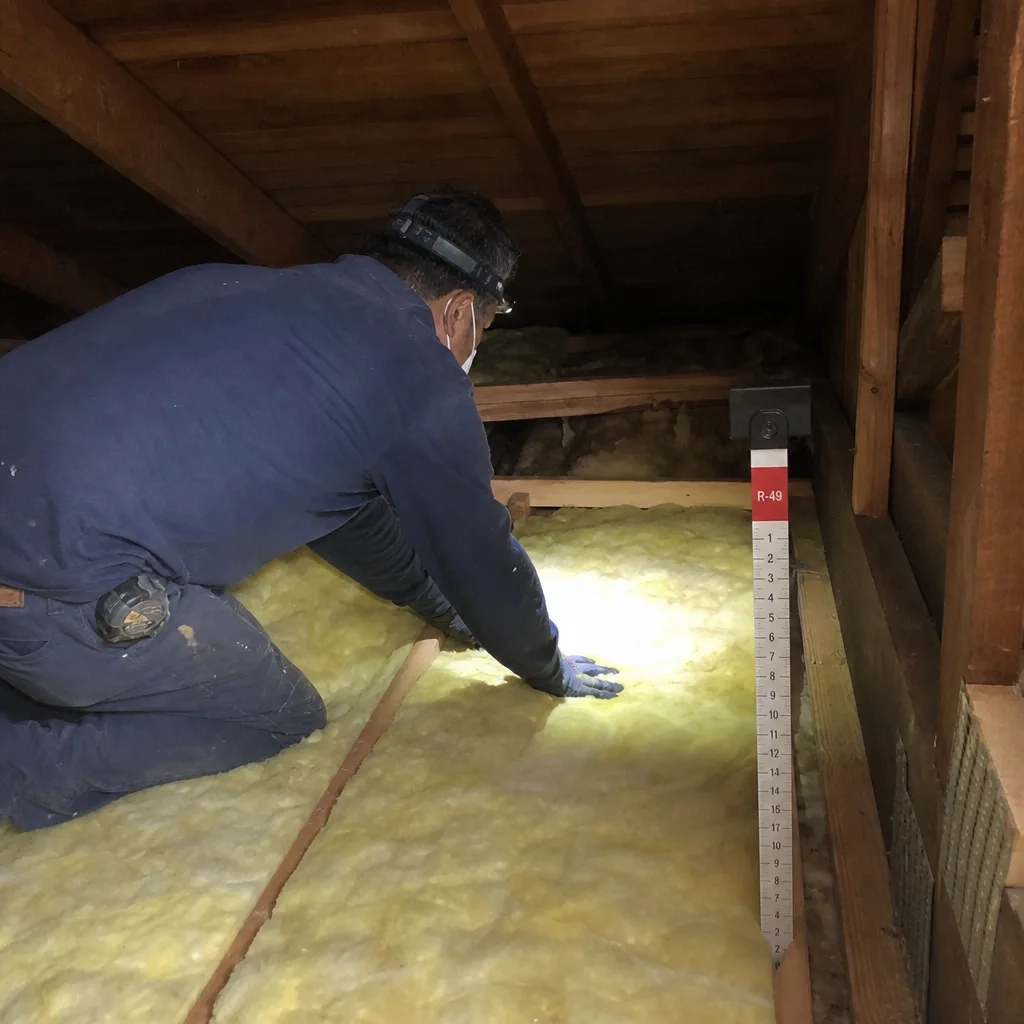
Blown-In Cellulose
We blow GreenFiber cellulose in Temple City attics to R-38 or higher, filling over the degraded original batts after air sealing is complete. Cellulose handles the San Gabriel Valley’s temperature swings well - it doesn’t slump in heat the way some materials can, and its density helps with sound transmission from Lower Azusa Road traffic or barking dogs on those tight Temple City lots. Most attic top-ups with cellulose run $1.80-$2.80 per square foot in this market.
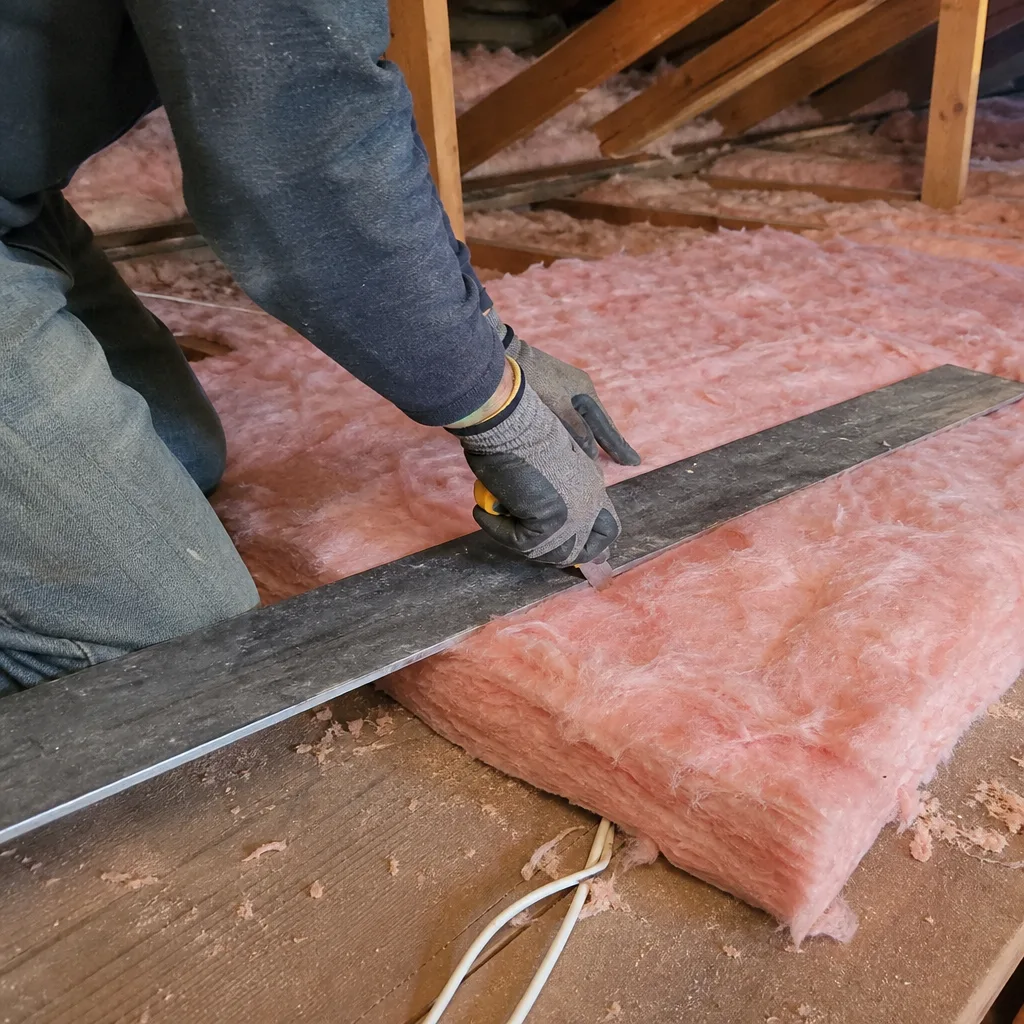
Blown-In Fiberglass
For homeowners who prefer fiberglass, we stock Owens Corning and Johns Manville loose-fill products. Fiberglass works particularly well in Temple City’s vented attics where moisture management is already functional and the priority is pure thermal performance. We’ll tell you straight if your attic conditions favor fiberglass over cellulose - it’s not a default choice, it’s a diagnostic one.
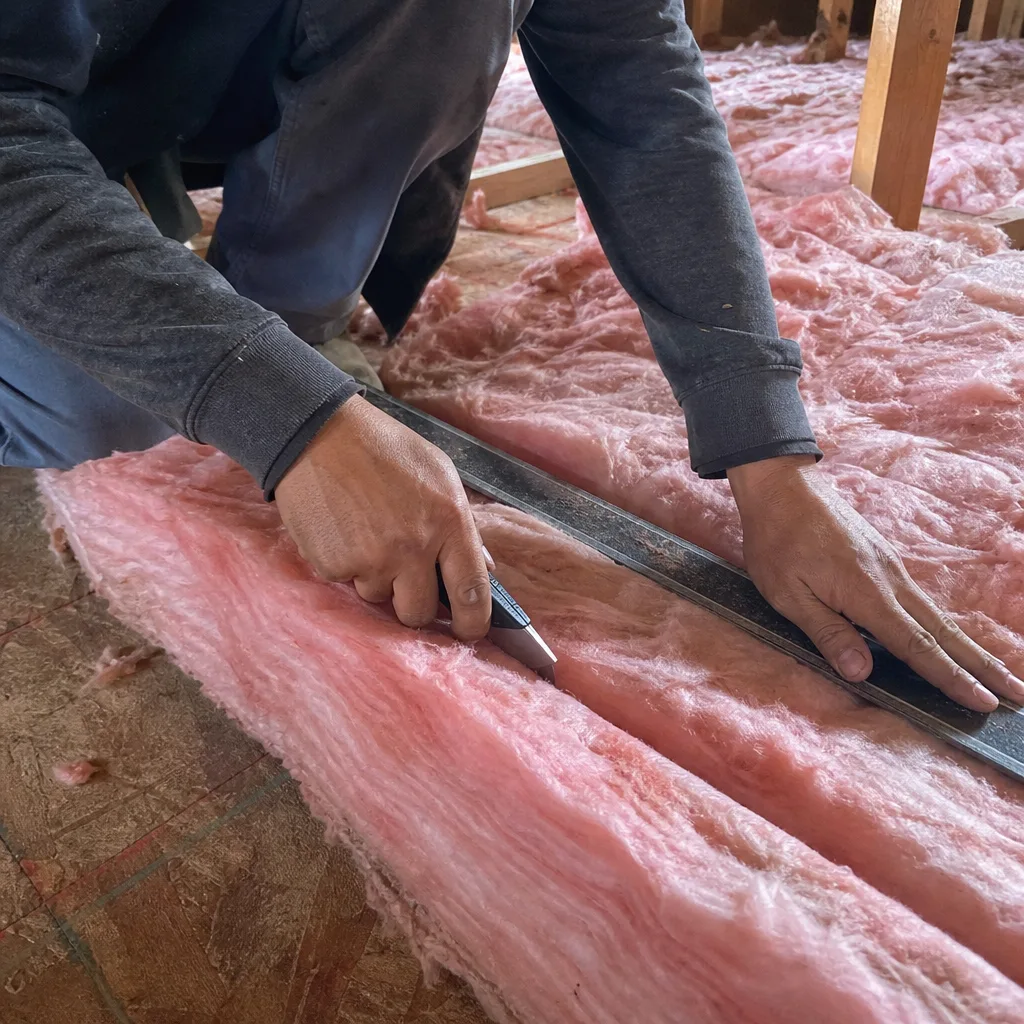
Dense-Pack Wall Insulation
This is where we spend a lot of our time in Temple City. Those 1950s-1970s wood-frame tract homes on Las Tunas Drive and around Temple City Park? The wall cavities were often built empty. When a multi-generational remodel or ADU addition opens the drywall, we dense-pack those stud bays with cellulose at 3.5-4.0 pounds per cubic foot, creating a continuous thermal barrier that stops the thermal bridging you can feel as cold spots in winter and heat gain in summer. Dense-pack wall work runs $2.50-$4.50 per square foot depending on cavity depth and access.
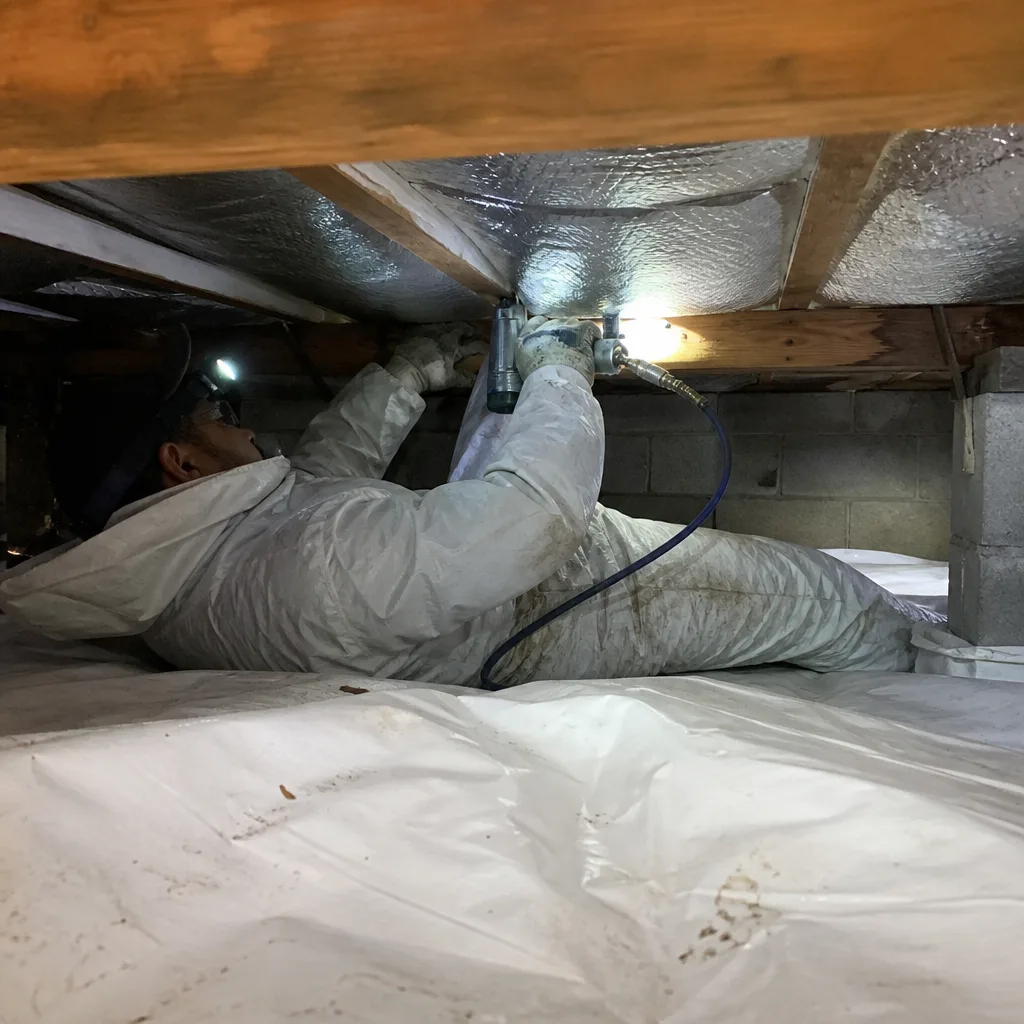
Blown-In Top-Up
Not every Temple City home needs a full removal. If your existing batts are merely compressed and not contaminated, we air seal the attic floor first - top plates, can lights, plumbing and electrical penetrations - then blow new material over the old to bring the assembly to current R-value. It’s the highest-ROI path for many of the 1,200-square-foot ranch homes that dominate this city’s grid. A typical blown-in top-up in Temple City runs $1,200-$2,400 for a full attic.
What happens when you call
- 1
A real person answersNo phone trees - you reach a local pro.
- 2
You get an upfront price rangeHonest numbers before anyone is dispatched.
- 3
A background-checked tech heads outLicensed & insured, dispatched right away.
- 4
You approve before work beginsNothing starts until you say go.
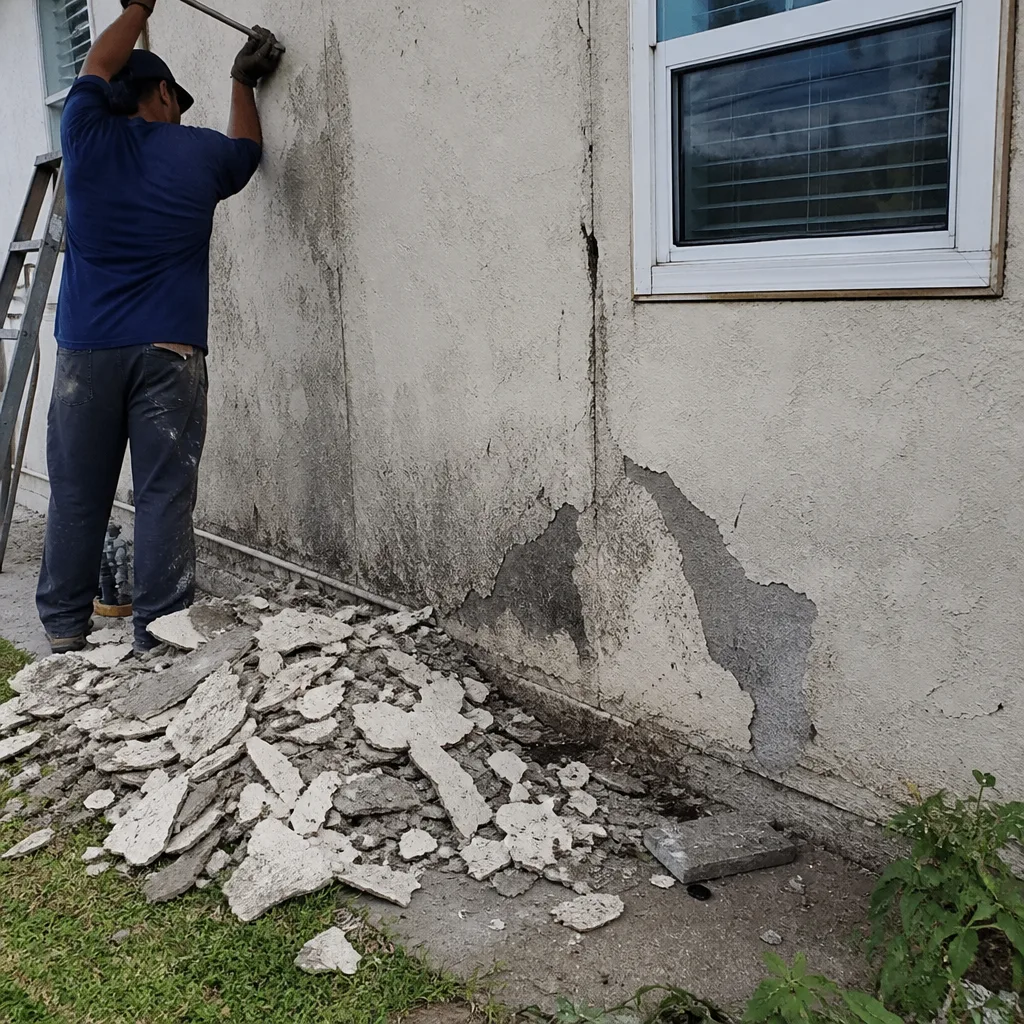 Before
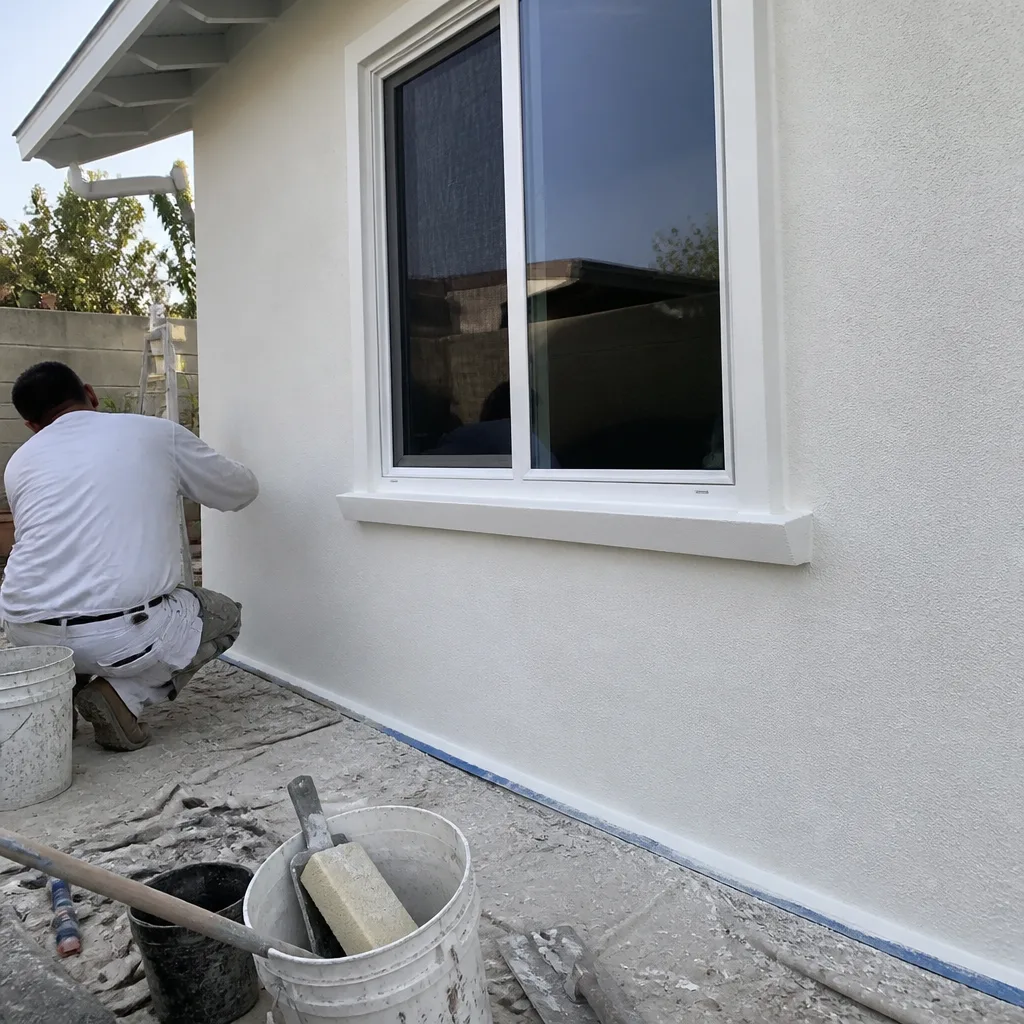 After
AfterTrusted Brands We Service in Temple City
We source materials from Owens Corning, Johns Manville, Knauf, and GreenFiber - no proprietary lock-in, no mystery products. If your home has existing insulation from one of these manufacturers, we can match the assembly or recommend a compatible upgrade based on what we find. Our Los Angeles office stocks common densities and blower configurations for Temple City jobs, so we’re not waiting on delivery while your project sits. You get a named material spec in your written scope, and we stick to it.
Common Blown-In Insulation Problems We See in Temple City Homes
- Compressed attic batts from the original 1950s build. On a 1958 tract home off Lower Azusa Road near Temple City Park, we pulled back original attic batts that had compressed to roughly two inches and found bare stud cavities behind the living-room wall once the drywall came down for an ADU-adjacent remodel. We blew GreenFiber cellulose to R-38 over the existing assembly and dense-packed the opened walls back to full cavity fill before the drywall crew returned; the homeowner’s west-facing bedrooms stopped cooking by mid-afternoon.
- Wall cavities that were never insulated at all. Pre-1975 wood-frame tract homes throughout Temple City - particularly the neighborhoods north of Las Tunas Drive and west of Rosemead Boulevard - routinely show completely empty stud bays when renovation opens them. The occupants have been heating and cooling the wall cavities themselves for decades.
- Detached garage conversions with zero thermal envelope. The surge of garage conversions and backyard ADU additions in Temple City’s tight residential grid consistently exposes a local pattern: detached garages built in the 1950s with concrete slabs, no vapor control, and zero wall insulation are being converted into living space, requiring a full thermal envelope buildout from scratch before any drywall goes up.
- Thermal bridging at every joist in attic assemblies with thin original coverage. Those 2-3 inch original batts leave the wood framing exposed, creating a heat highway that undermines whatever cooling your HVAC is trying to deliver during a 100°F August afternoon in the San Gabriel Valley.
Pricing for Blown-In Insulation in Temple City, CA
Most blown-in insulation jobs in Temple City fall into these ranges:
| Service | Typical Range |
|---|---|
| Attic blown-in cellulose or fiberglass (R-38) | $1.80-$3.20/sq ft |
| Attic blown-in top-up over existing | $1,200-$2,400 total |
| Dense-pack wall insulation (open cavity) | $2.50-$4.50/sq ft |
| Detached garage/ADU full envelope buildout | $3,500-$7,500 total |
What moves you within these ranges: attic accessibility (steep roof pitch or limited hatch size adds labor), whether removal of old material is required, and the extent of air sealing needed before insulation goes in. We never blow insulation over an unsealed attic floor - that’s Haven Standard, not an upsell. Every job starts with a written price, flat scope, and written warranty before anyone lifts a tool. Call (626) 415-3454 for your free estimate; we’ll read any competing quote with you as part of our Free Second Opinion.
We Also Serve Cities Near Temple City
Our crews work throughout the San Gabriel Valley, including Temple City and neighboring El Monte, San Gabriel, Arcadia, and Rosemead. Dispatch and scheduling are coordinated from our Los Angeles office, with local crews serving each community.
Serving Temple City, CA - Our Local Coverage Area
We’re based in the Temple City area and know this community well. Use the map below to see our service coverage - if you’re nearby, we can almost certainly help.
FAQs - Blown-In Insulation in Temple City
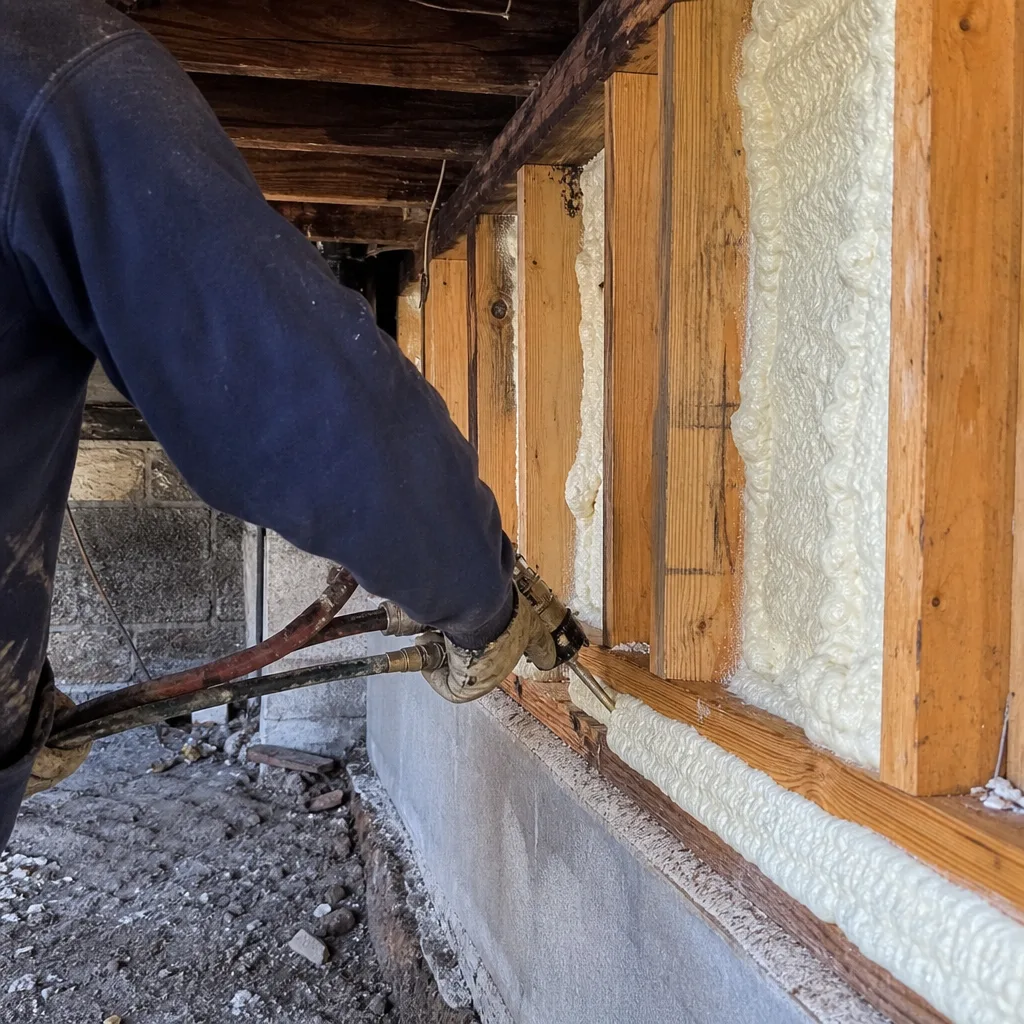
Yes, we can dense-pack existing closed walls from the exterior or interior through small access holes, though the best results come when renovation has already opened the drywall. In a typical 1958 Temple City tract home, we drill 2-inch holes at stud-bay spacing, blow cellulose to 3.5 pounds per cubic foot to eliminate settling, then patch and texture-match. The R-value gain is real - usually R-13 to R-15 in a 2×4 wall - but we won’t pretend it’s identical to a fully opened cavity where we can verify complete fill. Call (626) 415-3454 and we’ll assess your specific wall construction; estimates are free.
Current California Title 24 standards call for R-38 to R-49 in attics for this climate zone, and we specify R-38 as the minimum for Temple City homes given that 10-15°F inland heat penalty versus coastal LA. Most 1950s-1960s tract homes here started with R-11 or less. The blower-door test - a pressurization reading that shows, in one number, how much air your building envelope is losing - tells us whether the attic is the priority or whether wall cavities and air sealing matter more for your specific house.
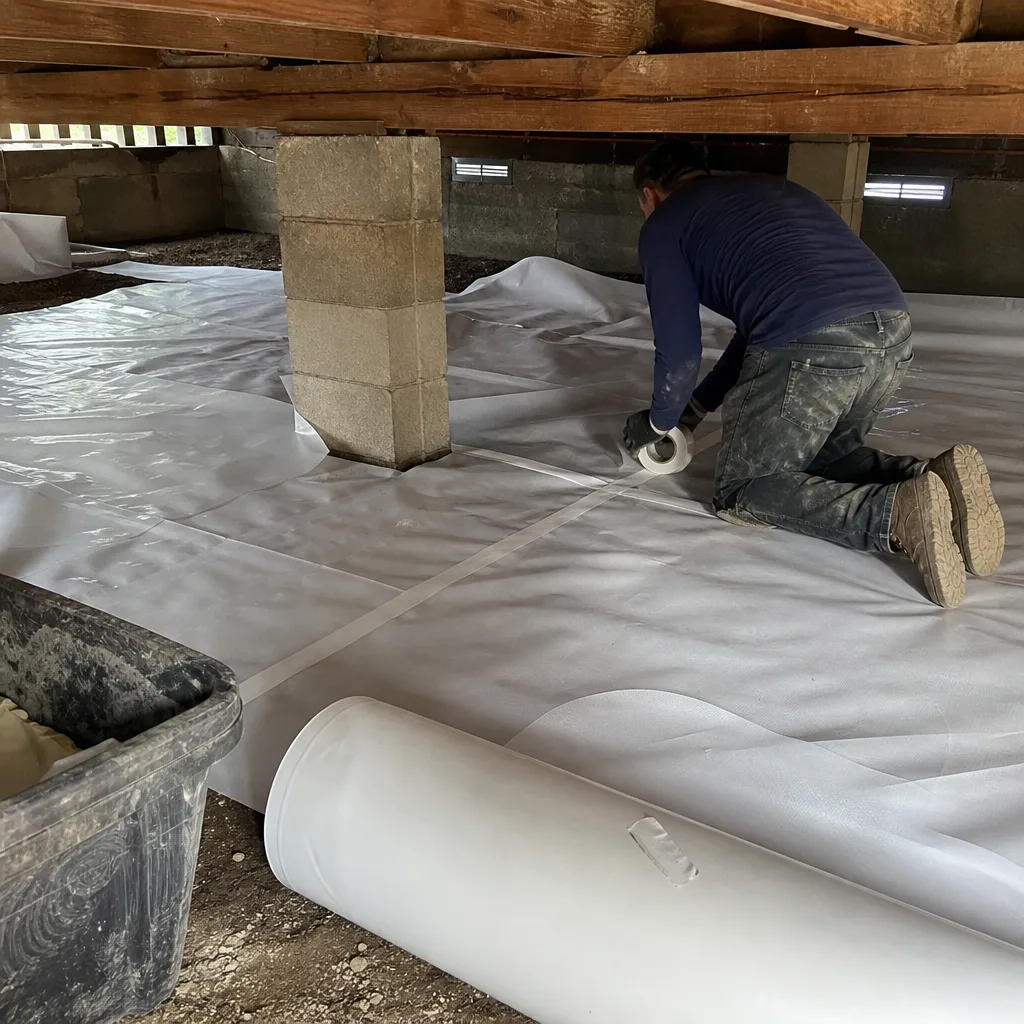
A full thermal envelope buildout: vapor barrier over the concrete slab, rigid foam or framed wall insulation to full cavity depth, air sealing at all penetrations, and blown-in attic insulation if you’re adding a roof assembly. Most Temple City garage conversions we see started life in the 1950s with bare concrete, no vapor control, and zero wall insulation. We document the before condition with photos, build out the envelope, and provide blower-door numbers where the assembly allows so you can verify the result. Typical range for a single-car garage conversion: $3,500-$7,500 for the insulation and air sealing scope.
Cellulose usually wins for Temple City’s 1950s-1970s housing stock because it air seals better at installation density, handles the San Gabriel Valley’s temperature swings without settling, and performs well in attics where some roof leakage history is common. Fiberglass is the better choice if your attic has active moisture management concerns or if you’re topping up existing fiberglass without removal. We specify the material in your written scope - no bait-and-switch - and we’ll explain the diagnostic reason for the recommendation when we deliver your Written Price Before Any Work Starts.
Yes. Southern California Edison and SoCalGas both run rebate programs targeting the inland valley region that includes Temple City, and the economics are particularly strong for homes moving from R-11 or less to R-38 or higher. We don’t process rebates directly - that’s between you and your utility - but we document the before-and-after R-values and provide the photos and specs you’ll need for the application. Under Haven Standard, you get a written scope that utility auditors can read and verify. Call (626) 415-3454 to discuss timing your insulation upgrade with current rebate windows.
Written by Wes Okafor, Owner at Envelope Insulation Co., serving Temple City since 2016 under The Haven Standard.