
GreenFiber Attic Insulation: The El Monte Owner’s Guide
Most GreenFiber blown-in cellulose attic insulation jobs in El Monte run between $1.80 and $2.40 per square foot installed, with typical whole-attic projects landing between $2,800 and $4,500 for homes under 1,800 square feet. We stock GreenFiber cellulose on every truck and can usually inspect, price, and begin work same-day if you call before noon. Homeowners usually discover their GreenFiber insulation is failing when they notice hot second-floor ceilings in August, find settled material well below the original depth markers, or spot rodent disturbance after our mild winters fail to kill off roof-rat populations the way a Chicago freeze would.
Which GreenFiber Models This Applies To
GreenFiber’s residential blown-in cellulose line - sold under the Low Dust, Sanctuary, and All Borate specs - all perform the same function but carry different fire-retardant loadings and settled-density ratings. The Sanctuary line runs about 1.6 pounds per cubic foot settled, while Low Dust is closer to 1.4; this matters if your original installer left depth-rod markings without noting which product was used, because R-value per inch shifts slightly between them. You can identify what you have by checking for a GreenFiber bag remnant in the attic (most installers leave one tucked against a baffle), or by looking for a stapled R-value certificate on the attic hatch - though in our experience across El Monte’s 1950s-1980s housing stock, fewer than one in five attics still has that certificate legible.
We are an independent insulation contractor - not affiliated with GreenFiber - and we source their cellulose through standard distribution alongside Owens Corning, Johns Manville, and Rockwool. For GreenFiber specifically, we do not recommend aftermarket cellulose substitutes unless the homeowner is matching an existing layer for a partial top-off; the borate treatment ratio and fiber length affect how the material blows and settles, and mixing specs can create density gaps that show up on thermal imaging. If you’re doing a full removal and replacement, we quote GreenFiber by name or specify an equivalent-density alternative with the settled-weight documented in writing before we load the hopper.
Signs Your GreenFiber Attic Insulation Is Failing
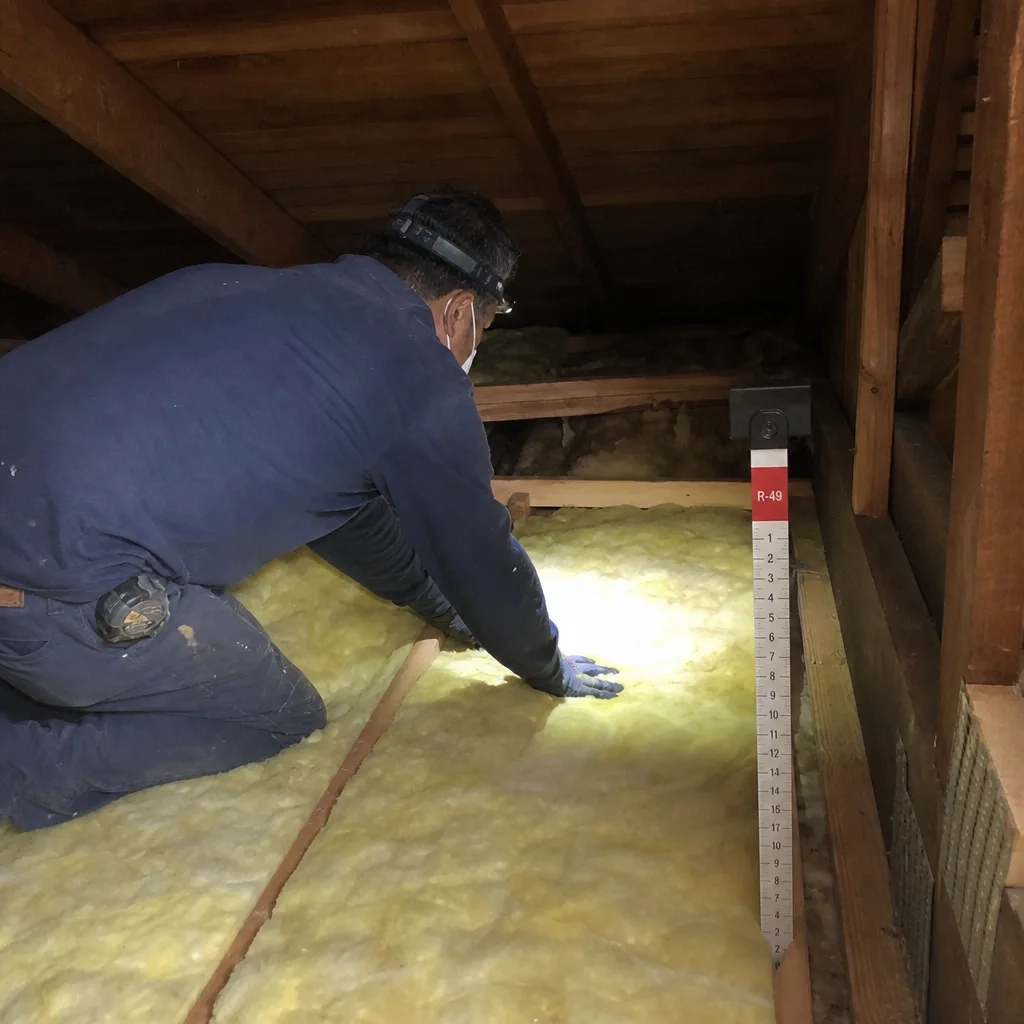
- Hot ceilings and uneven room temperatures. GreenFiber cellulose settles over time, and in El Monte’s dry heat that settling accelerates if the original installer skipped baffles or over-filled against the roof deck. What reads as 12 inches at installation can compress to 8 inches in five to seven years, dropping your effective R-value from R-38 to roughly R-25.
- Visible gaps or thin spots near eaves and light fixtures. These are almost never the insulation’s fault - they’re bypasses that were never sealed before the blower truck arrived. Conditioned air escapes through top-plate gaps and can-light housings, carrying cellulose with it or creating thermal wash that degrades the material in patches.
- Moisture staining on the attic side of drywall. GreenFiber’s borate treatment resists mold, but it cannot compensate for a bathroom vent dumping humid air into the attic or a compromised roof membrane. In El Monte’s occasional winter rains, we’ve found saturated cellulose packed against unsealed chimney chases in homes north of the 10 Freeway where the roof pitch is shallow enough to trap runoff.
- Rodent tunnels and nesting disturbance. Cellulose is easier for roof rats to move than fiberglass, and El Monte’s mature tree canopy - especially the deodar cedars and coast live oaks in neighborhoods between Garvey Avenue and the Rio Hondo - provides continuous aerial access to eaves. Disturbed insulation usually means bypasses large enough to admit pests, which is an air-sealing problem first and an insulation problem second.
- Dust migration into living spaces through recessed lights and outlets. Fine cellulose particles find their way through any penetration that isn’t gasketed or caulked. If you’re vacuuming more than usual and the dust has a faint gray-brown cast, your attic envelope is leaking - the insulation isn’t failing, but the assembly around it is.
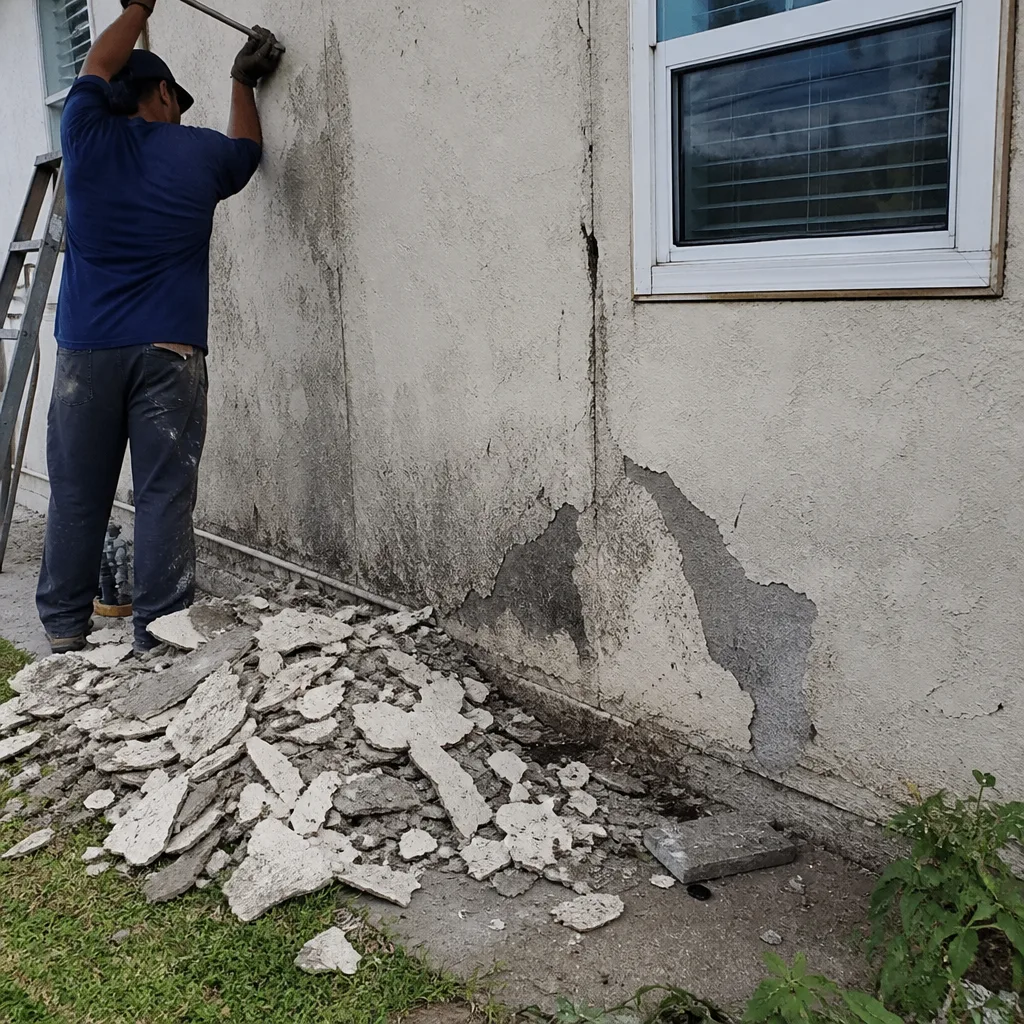 Before
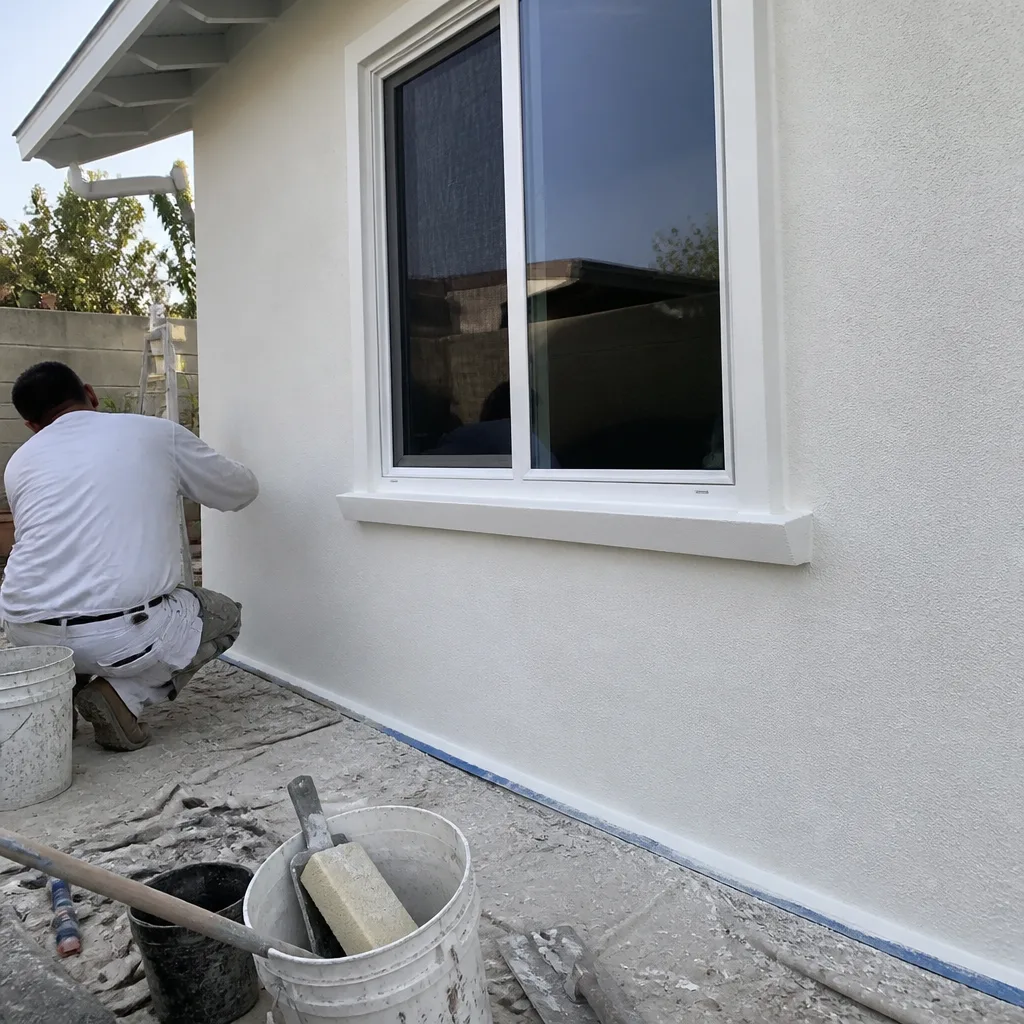 After
AfterReplacement Cost & What’s Included
Full GreenFiber attic insulation replacement in El Monte typically runs $2,800 to $4,500 for homes between 1,000 and 1,800 square feet of attic floor, with larger or complex attics (multiple HVAC platforms, vaulted sections, or active rodent damage requiring cleanup) pushing toward $6,000. That price includes removal and bagging of existing material, air sealing of all accessible bypasses with documented blower-door testing, installation of baffles at every eave, and new GreenFiber blown to a specified depth verified with depth rods and photographed.
The range moves with attic accessibility (truss spacing, whether there’s a permanent floor), the condition of existing material (wet or rodent-contaminated cellulose costs more to handle safely), and whether we find unsealed can lights that need Tenmat covers or similar fire-rated enclosures before insulation goes back in. We give you a written price before any work starts - Haven Standard Clause 1 - and that price includes the Documented Photo Record and, on every job, before-and-after blower-door numbers so you can see the actual air-leakage reduction. The 365-Day Done Right Promise covers all completed work; if the settled depth or blower-door reading doesn’t match what we documented, we return and correct it.
DIY or Call Us?
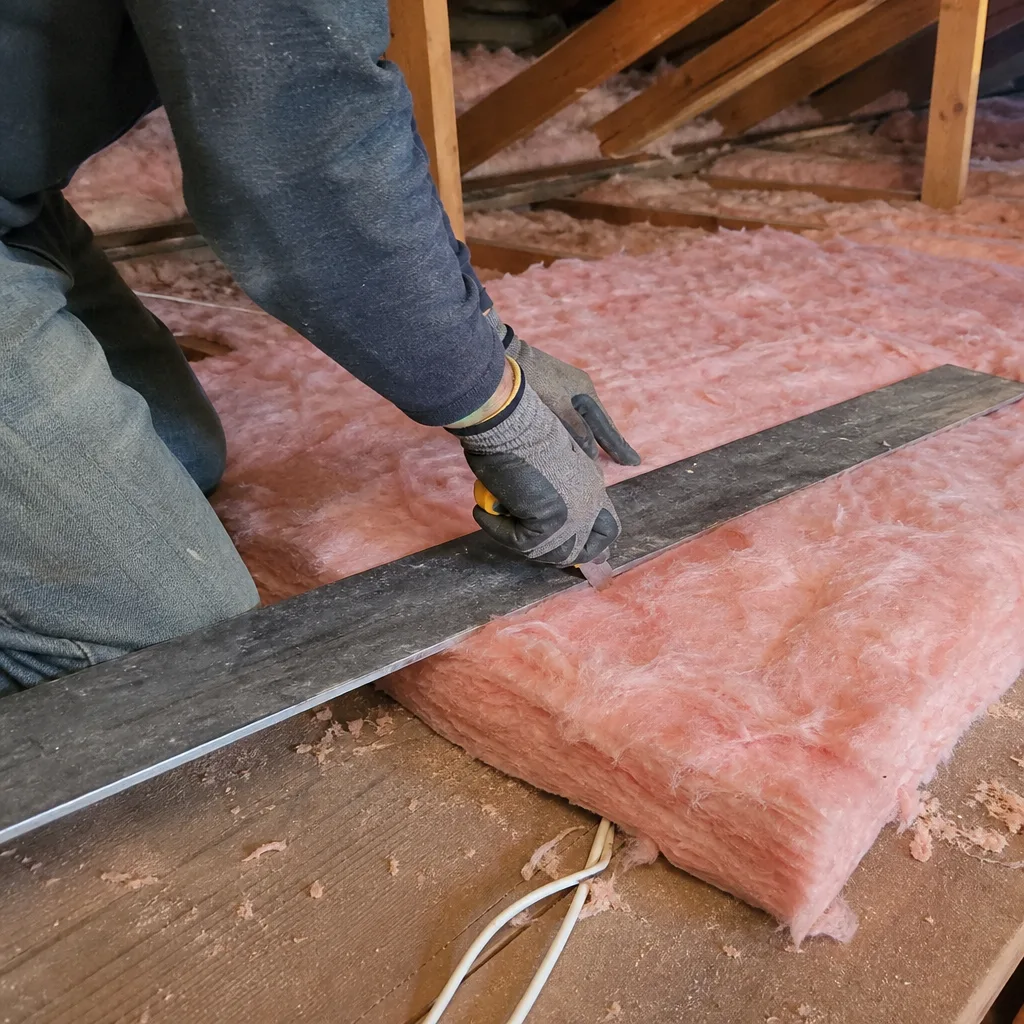
There is one thing every homeowner can safely check: open the attic hatch on a cool morning and look for depth. GreenFiber should read at or above the depth rod markings your original installer left (or the equivalent - 12 inches for R-38, 10 inches for R-30 in most of El Monte’s climate zone). If it’s thin, photograph it. If you see moisture, rodent droppings, or electrical junction boxes buried in insulation, stop there - those are hazards, not weekend projects.
What goes wrong with DIY cellulose: homeowners rent a blower and add material over unsealed bypasses, which can bury live electrical connections against code, block soffit ventilation and create moisture traps, or simply waste money because the conditioned air keeps escaping through gaps the new insulation can’t reach. We have pulled out DIY jobs in El Monte’s New Lexington and Five Points areas where the homeowner added six inches of fresh cellulose over four inches of settled material and saw zero change on their summer electric bill - because the bypasses were still leaking 3,000 CFM50 of conditioned air into the attic. Seal the bypasses first. Then insulate. The certificate tells you what you actually got. For a written price and a free second opinion on any estimate you’ve already received, call us at (626) 415-3454.
FAQs
GreenFiber cellulose maintains its labeled R-value for roughly 20 to 30 years if the attic envelope is properly sealed and ventilated, but in practice we see significant settling - 20 to 25 percent - within five to seven years in El Monte’s dry climate if the original installation didn’t account for density loss. The material itself doesn’t “go bad,” but its thermal performance degrades as it compresses. Call (626) 415-3454 and we can measure your settled depth against the original spec - estimates are free.
Yes, if the existing material is dry, uncontaminated, and not compressed beyond recognition - a condition we verify with moisture meters and visual inspection during our initial attic assessment. We air-seal all bypasses first, install baffles where needed, then blow new GreenFiber to the total depth required for your target R-value. If there’s rodent waste, mold, or water damage, removal is non-negotiable for health and performance reasons. Call (626) 415-3454 for an exact quote on your specific attic condition.
Most El Monte homes under 1,800 square feet are completed in one full day: morning for removal and air sealing, afternoon for blower installation and depth verification. Larger attics or those requiring extensive bypass sealing - common in the ranch homes south of Valley Boulevard with original 1950s top plates - may extend to a second day. We never rush the blower-door test; it’s the documentation that proves the sealing worked. Call (626) 415-3454 to schedule - we stock GreenFiber on every truck and can usually start same-week.
We stock GreenFiber Low Dust and Sanctuary cellulose on every truck, along with baffles, Tenmat covers, and the full air-sealing kit. We’re not a GreenFiber dealer - we’re an independent contractor who sources their material through standard distribution - which means no proprietary lock-in and no markup for “exclusive” product lines. If your job calls for GreenFiber specifically, we install it; if another spec makes more sense for your assembly, we’ll tell you that too and put it in writing before we start. Call (626) 415-3454 to confirm availability for your date.
Written by Wes Okafor, Owner, Topside Attic Insulation El Monte at Topside Attic Insulation El Monte, serving El Monte and nearby areas.