
Johns Manville Radiant Barrier Installation: The El Monte Owner’s Guide
We install Johns Manville-compatible radiant barrier systems in El Monte homes for $2,400-$4,800 depending on attic square footage and whether the existing insulation needs repositioning first. Most jobs we book are completed same-day once the written scope is signed, and we stock JM AP Foil-Faced and Polyiso radiant barrier sheathing on our trucks. Homeowners usually figure out something’s wrong when their second-story bedrooms won’t cool below 78°F even after sunset, or when their summer electric bill jumps $80-$140 over the previous year despite identical thermostat settings.
Which Johns Manville Models This Applies To
Johns Manville makes radiant barrier products in two main configurations, and knowing which one is on your rafters matters for matching.
- AP Foil-Faced Polyiso - R-6 to R-12 boards, foil on one or both sides, usually stamped with a lot number and thickness (1/2″, 1″, or 2″). Check the foil facing for the JM logo and the board edge for the pink polyiso core. These are common in El Monte homes built 2005-2018, especially in the Garvey and Cherrylee neighborhoods where tract builders specified it for Title 24 compliance.
- ComfortTherm or Kraft-Faced Batts with radiant properties - less common for dedicated radiant barrier work, but we’ve found them layered under foil in retrofit jobs near the 10 Freeway corridor where homeowners added barrier film later.
The compatibility gotcha: JM’s AP Foil-Faced in 1″ thickness measures a true 0.98″ compressed, while some aftermarket foil-faced polyiso runs 1.06″ and won’t seat cleanly against existing framing without shimming or planing. We source OEM-equivalent material from our Johns Manville distributor in City of Industry, not big-box stock, to avoid the thickness mismatch that leaves gaps at the top plate where radiant heat bleeds through. Topside Attic Insulation El Monte is an independent service provider, not affiliated with Johns Manville.
Signs Your Johns Manville Radiant Barrier Installation Is Failing
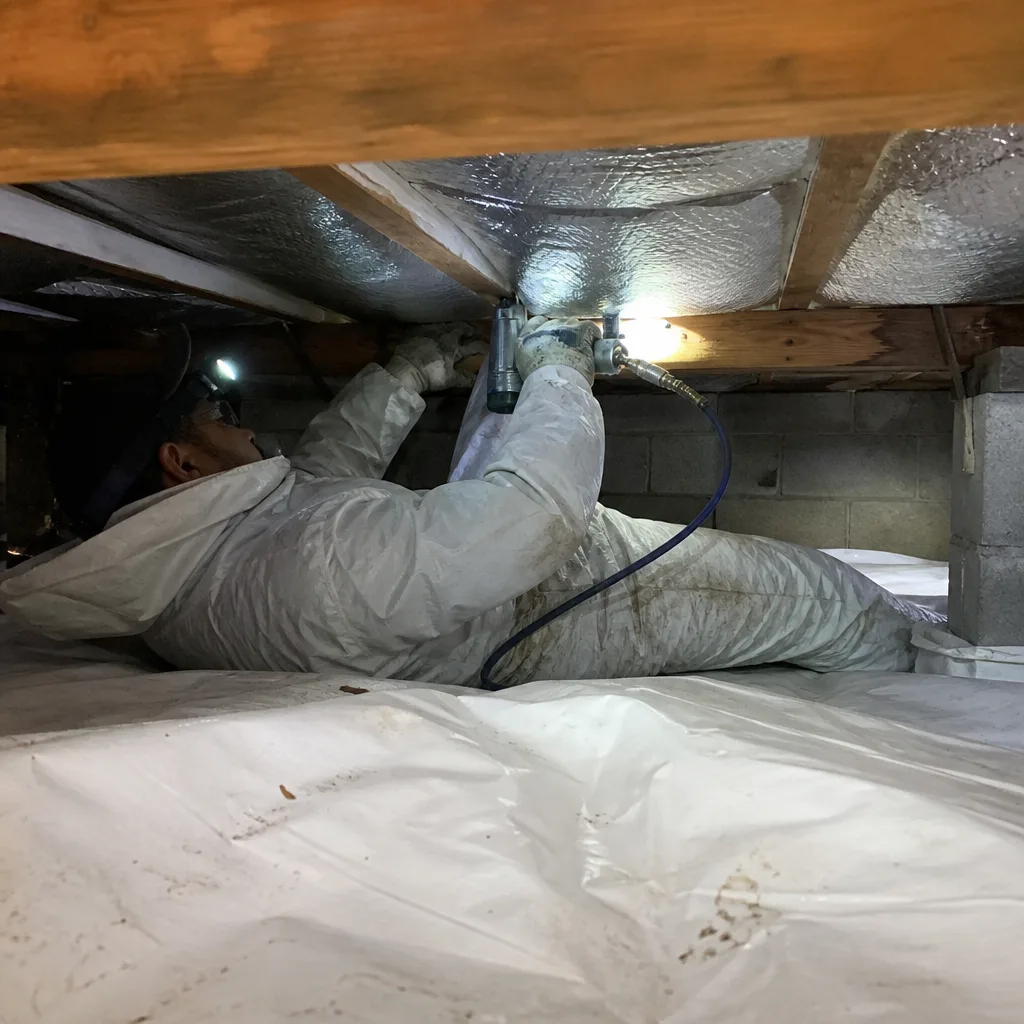
- Hot ceiling patches in late afternoon. The foil facing has torn or delaminated at the staple lines, usually from attic heat cycling the adhesive past 160°F repeatedly. In El Monte, that happens on south-facing roof pitches where attic peak temperatures hit 140-155°F in August.
- Dust-coated foil that looks matte gray instead of reflective. Radiant barrier only works when the aluminum surface stays clean and shiny. Once attic dust settles and embeds, emissivity drops from 0.03 to 0.30 or higher, and the barrier becomes a mediocre conductor instead of a reflector.
- Sagging boards between rafters. JM polyiso expands and contracts with humidity; if your attic ventilation is marginal (common in 1950s-1970s El Monte ranch homes with blocked soffits), the boards warp away from the rafters and create convection channels that bypass the barrier entirely.
- Water stains on the foil facing. This means a roof leak or condensation event already happened, and the polyiso core has likely absorbed moisture. Wet polyiso loses R-value permanently and can mold. We see this most near bathroom vents terminated in attics, which is a code violation we find weekly in the older stock south of Valley Boulevard.
- Your HVAC runs 20-30 minutes longer per cycle than it did three summers ago. The barrier hasn’t disappeared, but performance degradation of 40-60% is typical after 12-15 years in San Gabriel Valley attic conditions. The foil still looks intact from below, but microscopic oxidation and dust loading have killed the reflectivity.
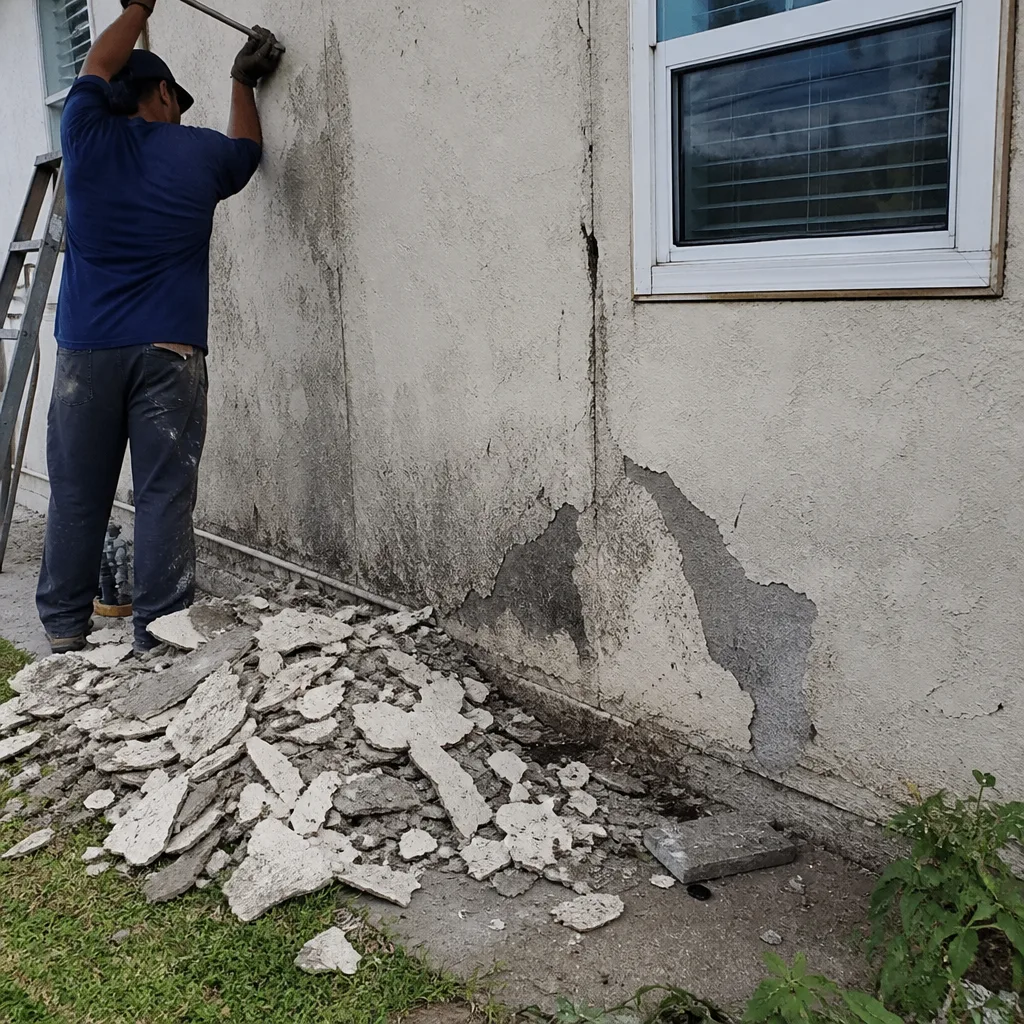 Before
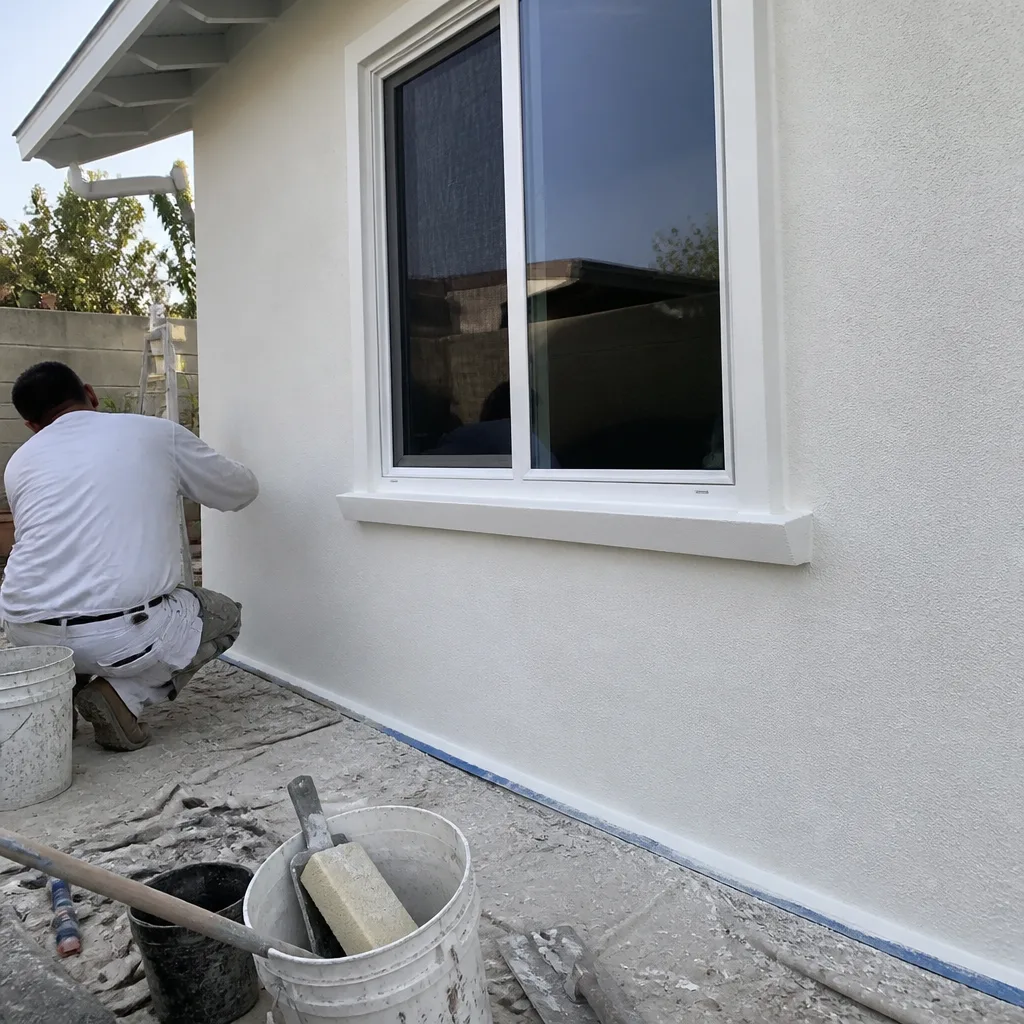 After
AfterReplacement Cost & What’s Included
| Scope | Price Range in El Monte |
|---|---|
| Partial replacement (1,000-1,500 sq ft, accessible attic, no insulation disturbance) | $2,400-$3,200 |
| Full replacement (2,000-2,500 sq ft, reposition existing blown-in, air seal top plates first) | $3,600-$4,800 |
| Add blower-door test with documented before/after readings | $295 (included free with full replacement) |
What drives the range: attic accessibility (truss spacing, ductwork obstruction), whether we need to remove and reinstall existing insulation to access the barrier, and how much air sealing the top plates and penetrations need first. We don’t price by square foot alone because a 1,200 sq ft attic with 24″ on-center trusses and a maze of flex duct takes longer than a 2,000 sq ft attic with open 16″ centers.
Every job closes with a Documented Photo Record, an R-value certificate left on-site, and under our 365-Day Done Right Promise, if the barrier fails or we missed a bypass, we return and make it right. Written Price Before Any Work Starts, always. Haven Standard Clause 1.
DIY or Call Us?
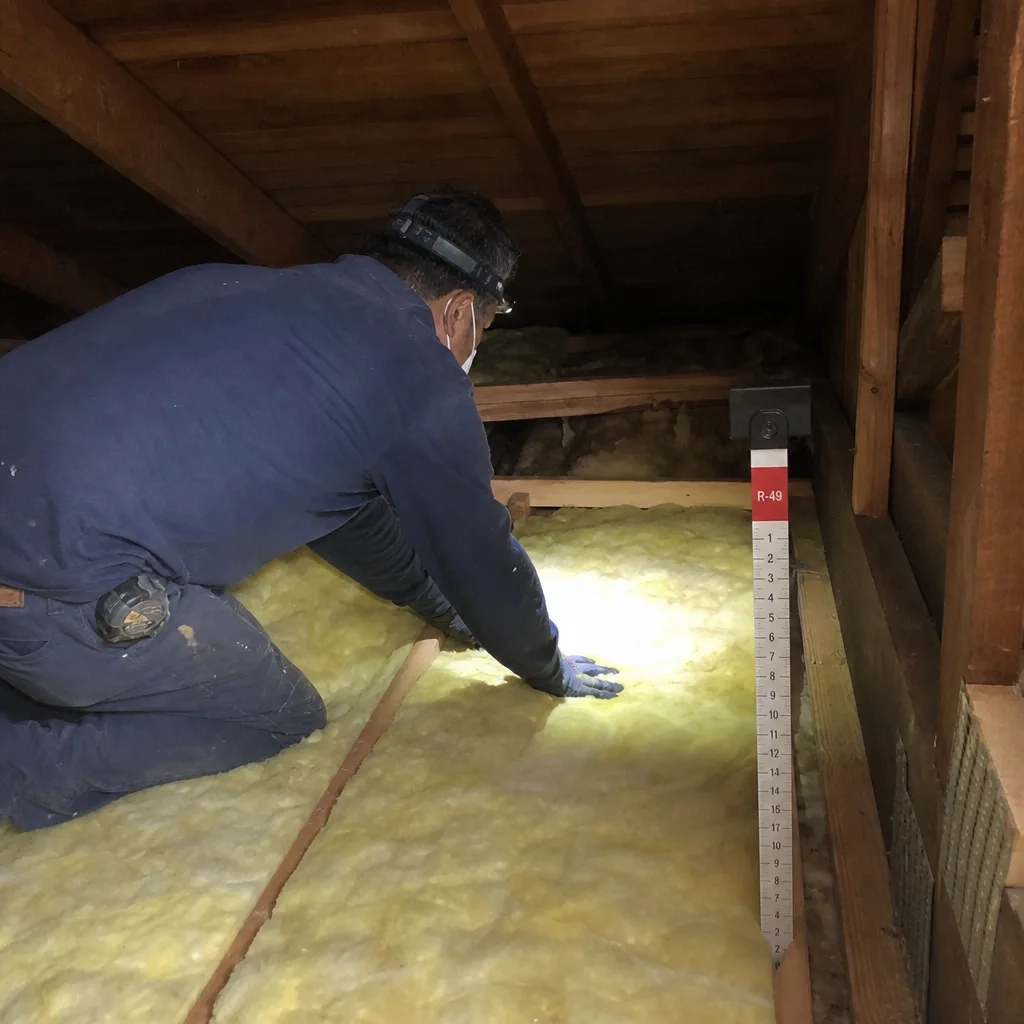
There’s no high-tension spring or electrical hazard here, but there is a sequencing hazard: most radiant barrier failures we diagnose in El Monte aren’t actually barrier failures, they’re air-sealing failures that made the barrier irrelevant. A homeowner can safely check for torn foil, sagging boards, or dust coating with a flashlight and phone camera. What you can’t see from the attic hatch is whether your top plates are sealed, whether your can lights are IC-rated and capped, or whether your soffit baffles are intact.
We find unsealed bypasses in about 70% of the attics we enter. Blow insulation over that, or hang new radiant barrier over that, and you’ve built a slightly better tent over a sieve. Seal the bypasses first. Then insulate. The certificate tells you what you actually got.
If you want a second opinion on another contractor’s scope, bring us their written estimate. We’ll read it with you. Call (626) 415-3454.
FAQs
In the San Gabriel Valley’s dry heat with peak attic temperatures regularly exceeding 140°F, expect 12-18 years before reflectivity degrades below useful levels. Dust accumulation is the primary killer here, not humidity, which is why we check attic ventilation on every job. Call (626) 415-3454 if your barrier is past 12 years and your cooling load has crept up.
Spot repairs work for isolated tears or small delamination zones, but they’re temporary. Once dust has embedded across the surface or multiple boards have warped, the labor to clean and re-adhere exceeds the labor to replace, and the result is weaker. We quote both options when spot repair is genuinely viable. For an honest assessment of your specific attic, call (626) 415-3454.
Most residential jobs in El Monte run one full day for crews of two. A partial replacement with clear attic access might finish by mid-afternoon. Full replacements requiring insulation removal, air sealing, and reinstallation typically need six to eight hours. We don’t leave until the depth rods are checked and the photo record is complete.
We stock JM AP Foil-Faced polyiso in 1″ and 2″ thicknesses, plus the compatible foil tape and cap nails for your framing type. For less common thicknesses or dual-foil configurations, we pull from our City of Industry supplier with next-day availability. Same-day installation is standard for the sizes we carry. Call (626) 415-3454 to confirm your framing specs.
Need a written price before any work starts? Call (626) 415-3454. A live person answers 24/7, and we’ll schedule a free estimate with a documented photo record of what we find. Free Second Opinion on any written estimate you already have.
Written by Wes Okafor, Owner, Topside Attic Insulation El Monte at Topside Attic Insulation El Monte, serving El Monte and nearby areas.