
Knauf Radiant Barrier Installation: The El Monte Owner’s Guide
Knauf radiant barrier installation in El Monte typically runs $2,400-$4,200 for a 1,200-2,000 square foot attic, including material, labor, and the air-sealing work that should precede it. We stock Knauf’s EcoSeal and Insulation Shield lines on our El Monte trucks and can usually schedule installation within 48 hours, same-day for emergency heat-gain situations. Most homeowners realize their radiant barrier is failing when their second-story bedrooms won’t cool below 78°F even with the AC running continuously, or when they spot the reflective foil turning dull and brittle in the attic.
Which Knauf Models This Applies To
Knauf manufactures radiant barrier products in two primary configurations relevant to El Monte homes: perforated foil-faced kraft paper rolls (typically 48-inch width, 125-250 square foot coverage per roll) and the newer Insulation Shield Plus, a heavier-gauge laminated product designed for unvented attic applications. The perforated version - the small holes visible when you hold a scrap to the light - is what you’ll find in most El Monte tract homes built between 1985 and 2010, particularly in the neighborhoods north of the 10 Freeway near Lambert and Peck.
To identify what you have, check the printed edge tape. Knauf labels include a lot number, R-value pairing recommendation, and a “ASTM C1313” compliance mark. The critical compatibility gotcha: Insulation Shield Plus requires a minimum 3/4-inch air gap on the reflective side to perform to spec. We’ve found El Monte homeowners who had it laid directly against roof decking, which nullifies the radiant barrier function entirely. For OEM versus aftermarket, Knauf’s foil is 99% pure aluminum at 0.0003-inch thickness; the commodity-grade “radiant barrier” sold at hardware stores is often polyester film with aluminum vapor deposition, which delaminates in San Gabriel Valley attic heat within 3-5 years. We source Knauf OEM through our distributor in City of Industry and keep both roll widths on the truck.
Signs Your Knauf Radiant Barrier Installation Is Failing
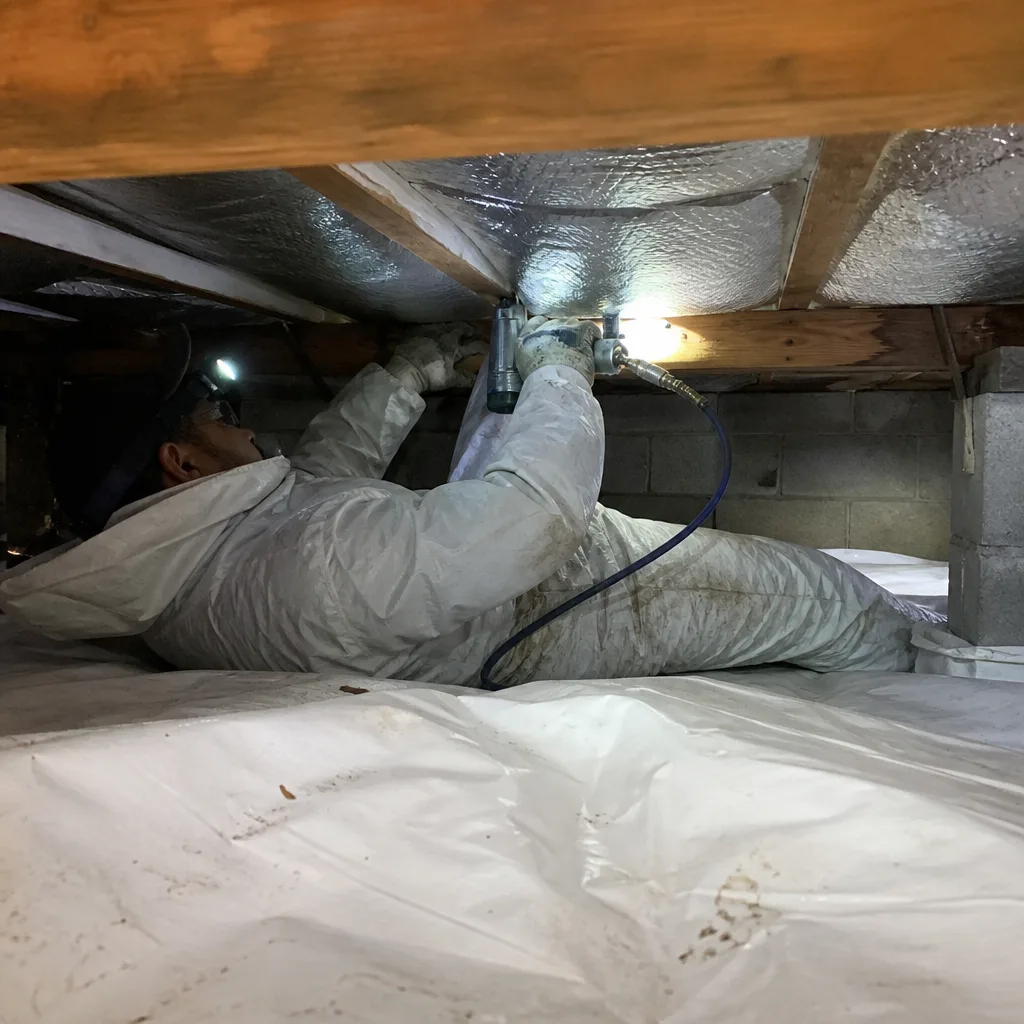
- Surface oxidation or chalking. The reflective surface turns matte white or gray, usually starting at the ridge line where attic temperatures peak. Aluminum oxidizes in the presence of moisture; in El Monte, this happens when bathroom vents dump humid air into the attic through unsealed penetrations, a bypass problem we correct before any new barrier goes in.
- Tears or sagging along truss chords. Knauf’s kraft-faced product is stapled every 6-8 inches to the underside of roof rafters. When staples pull through or the paper backing degrades, the foil drapes onto insulation below. Once it’s touching something solid, it’s no longer a radiant barrier - it’s just shiny wallpaper.
- Hot ceiling patches in afternoon sun. Walk your second floor at 4 p.m. on a July day. If the ceiling feels warm directly under the ridgeline but cooler near the eaves, your barrier has likely failed or was never continuous in that bay. We map these with an infrared camera during our initial assessment.
- Increased cooling runtime with no equipment change. Your AC unit hasn’t aged, but your summer electric bill has climbed 15-30%. A failed radiant barrier in an El Monte attic can raise ceiling surface temperatures from 95°F to 140°F, and your ductwork - often running through that same attic - absorbs that heat before the air ever reaches your vents.
- Rodent damage along the attic perimeter. The kraft paper backing is attractive nesting material. In El Monte’s older neighborhoods near the Rio Hondo, we regularly find barriers chewed through in the eave zones where roof rats travel. The foil itself may still be intact in the center of the attic while the edges are shredded to nothing.
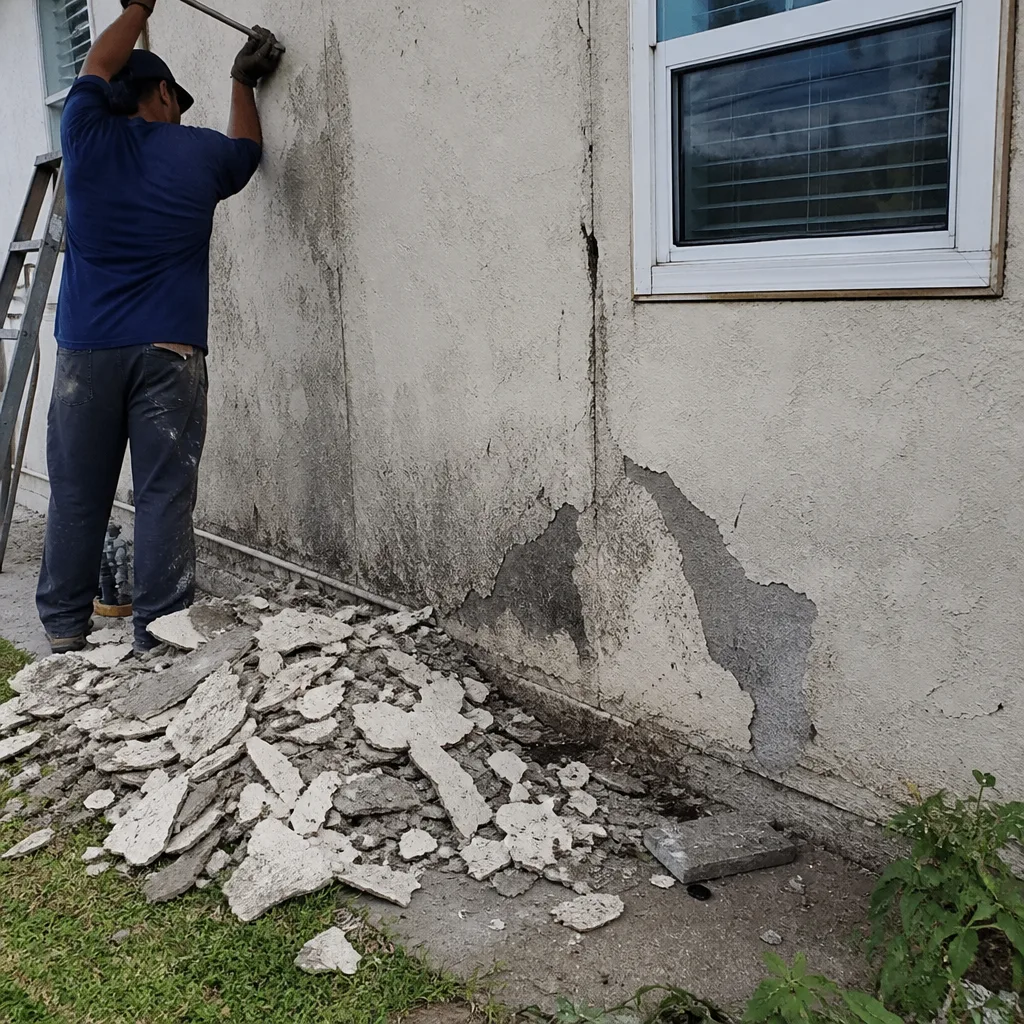 Before
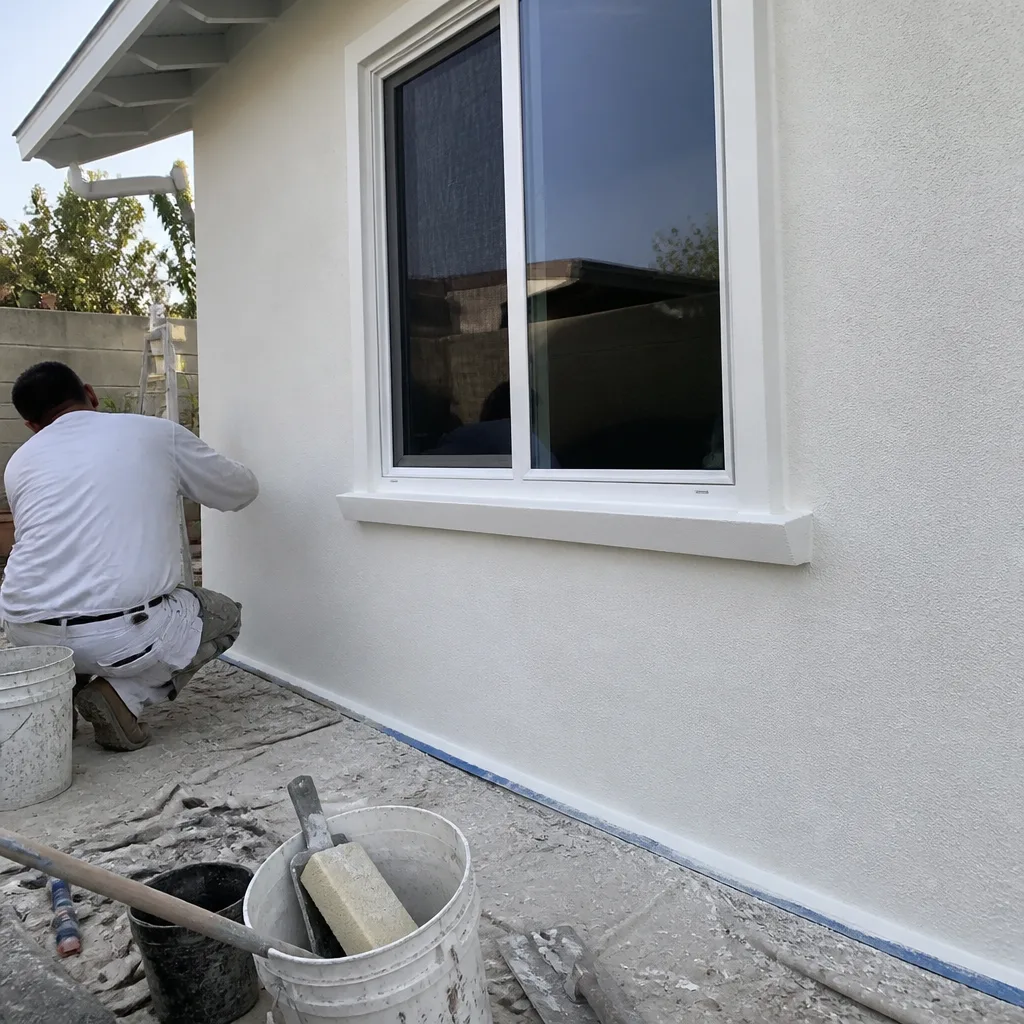 After
AfterReplacement Cost & What’s Included
Most Knauf radiant barrier replacements in El Monte fall between $2,400 and $4,200, with the spread driven by three factors: attic square footage, whether we can walk the space or need plank decking installed for safe access, and the condition of the existing air sealing. A 1,400-square-foot attic with good access and intact top-plate sealing runs toward the lower end; a 2,200-square-foot space with unsealed can lights, open soffit bypasses, and blown-in insulation that must be temporarily removed runs higher.
Every replacement includes removal of failed material, air-sealing of top plates, electrical penetrations, and duct chases (documented with before-and-after blower-door readings), installation of new Knauf barrier to manufacturer spec with proper air gaps, and a final R-value and installation certificate left on-site. Under our 365-Day Done Right Promise, if the barrier fails or the air-sealing performance doesn’t match the written scope, we return and correct it. We deliver the written price before any work starts - Haven Standard Clause 1 - and the photo record shows what your attic looked like at each stage.
DIY or Call Us?
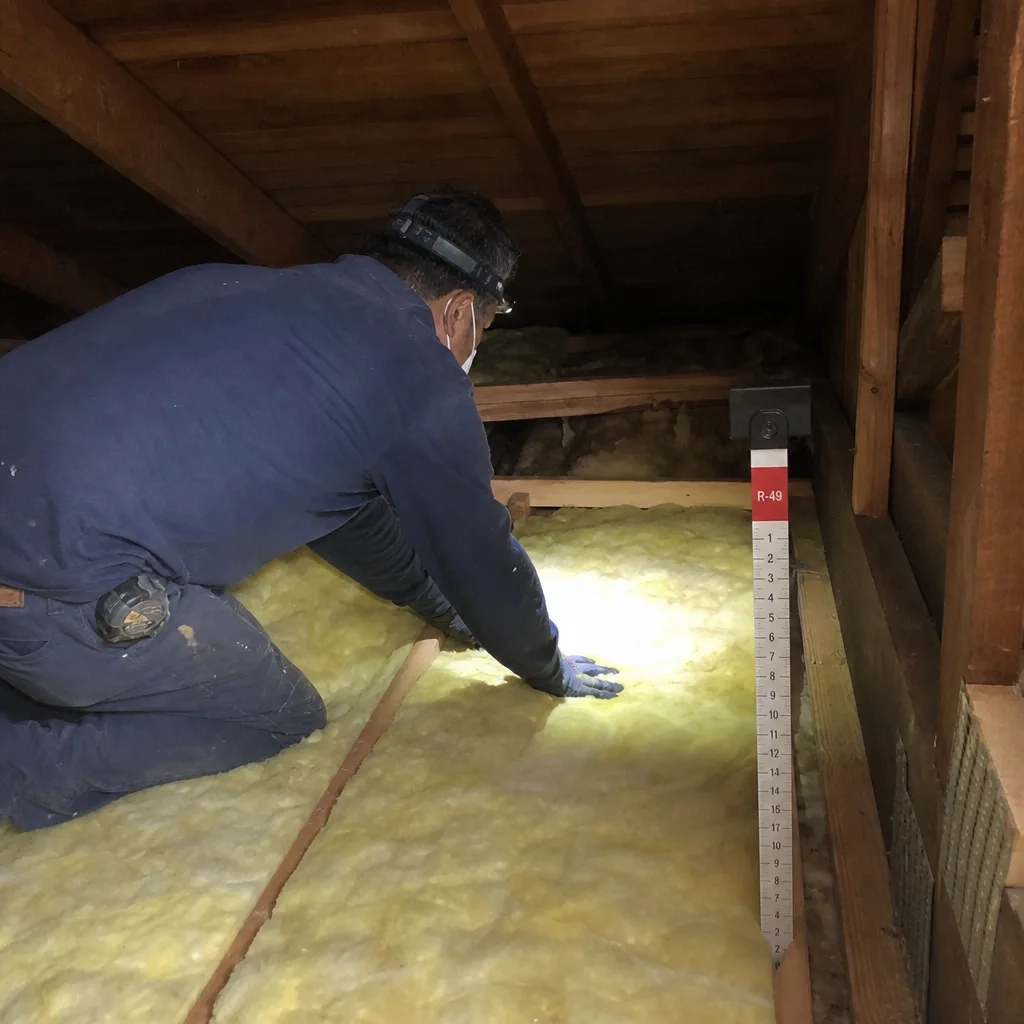
There’s a safe middle ground here. A homeowner can verify the problem: check the attic on a hot afternoon, photograph any visible damage, and note whether the reflective surface still shines. You can also confirm your bathroom vents and kitchen range hood actually exhaust outside, not into the attic - a common El Monte issue in 1960s-1980s construction that destroys radiant barriers from below.
Where DIY goes wrong is in the sequencing. Radiant barrier without air sealing is performance theater. We’ve tested El Monte attics where the barrier was pristine but the blower-door reading showed 3,800 CFM50 of leakage - conditioned air streaming out through bypasses before the insulation ever had a chance to work. The barrier also must maintain that 3/4-inch air gap; stapling it sloppily against rafters or letting it sag onto insulation defeats the purpose. And attic work in July heat is genuinely hazardous; dehydration and fall risk rise fast. For the actual installation, we recommend a crew that sequences it correctly: seal first, test, then barrier. Call (626) 415-3454 and we’ll walk through what your specific attic needs.
FAQs
In the San Gabriel Valley’s dry heat, a properly installed Knauf perforated barrier typically performs for 15-20 years before oxidation becomes significant. The limiting factor is usually attic moisture from unsealed bypasses, not the material itself. If your barrier is failing before year 10, the root cause is almost certainly a ventilation or air-sealing problem that new foil alone won’t fix. Call (626) 415-3454 for a free assessment - estimates include the blower-door test that tells you why it failed early.
Localized tears can be patched with matching Knauf foil tape if the surrounding material is still reflective and properly tensioned. However, if you’re seeing widespread oxidation, sagging, or rodent damage across more than 30% of the surface, piecemeal repair costs more in labor than replacement and leaves you with inconsistent performance. We don’t recommend patching over failed kraft backing - the structural integrity is gone. For an honest read on repair versus replace, text us photos at (626) 415-3454 or schedule a free second opinion.
A typical El Monte home - 1,500-2,000 square feet of attic - takes one full day for removal, air sealing, and new Knauf barrier installation. Larger homes or those requiring temporary removal of existing blown-in insulation may extend to a second day. We don’t rush the blower-door verification; the crew stays until the post-sealing reading meets the number written in your scope. You’ll get a text when we’re en route, and the documented photo record is emailed before we leave the driveway.
We stock both 48-inch and 24-inch Knauf perforated rolls and the Insulation Shield Plus on our El Monte trucks, sourced through our City of Industry distributor. For standard El Monte attic configurations, there’s no material wait. Specialty applications - unvented conditioned attics requiring the heavier laminated product in larger quantities - may need a 24-48 hour pull, but we’ll know that at the estimate and tell you before you sign. Call (626) 415-3454 to confirm current stock for your specific model.
Topside Attic Insulation El Monte is an independent service provider; we are not affiliated with Knauf. We also stock and install Reflectix radiant barrier products where they’re the better match for a specific application.
Seal the bypasses first. Then insulate. The certificate tells you what you actually got.
Ready to fix what’s failing in your attic? Call (626) 415-3454 for a free estimate with written pricing before any work starts. We answer live, 24/7.
Written by Wes Okafor, Owner, Topside Attic Insulation El Monte at Topside Attic Insulation El Monte, serving El Monte and nearby areas.