
Rockwool Radiant Barrier Installation: The El Monte Owner’s Guide
Rockwool radiant barrier installation in El Monte typically runs $2,800-$4,600 for a 1,200-2,000 square foot attic, including air sealing, material, and labor. Most homes we see in the San Gabriel Valley need the combination of Rockwool Comfortbatt or Comfortboard IS paired with a reflective radiant barrier layer, not one or the other. We stock both components on our trucks and can usually start the same day you call.
Homeowners usually figure out something’s wrong when their upstairs bedrooms won’t cool below 78°F even after sunset, or when their July electric bill jumps $80-$120 year-over-year. The radiant barrier has either delaminated, was installed with gaps that let heat bypass it, or was never paired with proper air sealing to begin with.
Which Rockwool Models This Applies To
Rockwool doesn’t manufacture a standalone radiant barrier product. What we install is a system: Rockwool stone wool insulation (the thermal layer) plus a perforated aluminum radiant barrier (the reflective layer). The Rockwool products we match this to are Comfortbatt (framed cavity batts, R-15 to R-23 depending on thickness) and Comfortboard IS (rigid board for continuous exterior or interior applications, R-4 per inch). For attic floors in El Monte’s 1940s-1970s housing stock, we most often see Comfortbatt R-30 or R-38 specified.
To identify what you have, check the kraft paper facing on any exposed batts. Rockwool labels include a lot code, density rating, and the product name in bold. If your attic has loose gray fibers without a facing, that’s likely older loose-fill mineral wool from a different manufacturer. The radiant barrier itself is usually stapled to the underside of the roof deck or laid over the attic floor insulation. Look for tears, oxidation (white powder on the aluminum surface), or gaps wider than 2 inches at seams. Those are failure points.
We source OEM-spec radiant barrier from brands including Reflectix, which we stock alongside Rockwool materials. There’s no quality drop with a matched aftermarket radiant barrier. The critical spec is emissivity below 0.05 and perforation rating that allows moisture to escape. Rockwool’s stone wool is hydrophobic and won’t degrade if moisture passes through, but the assembly still needs to breathe.
Signs Your Rockwool Radiant Barrier Installation Is Failing
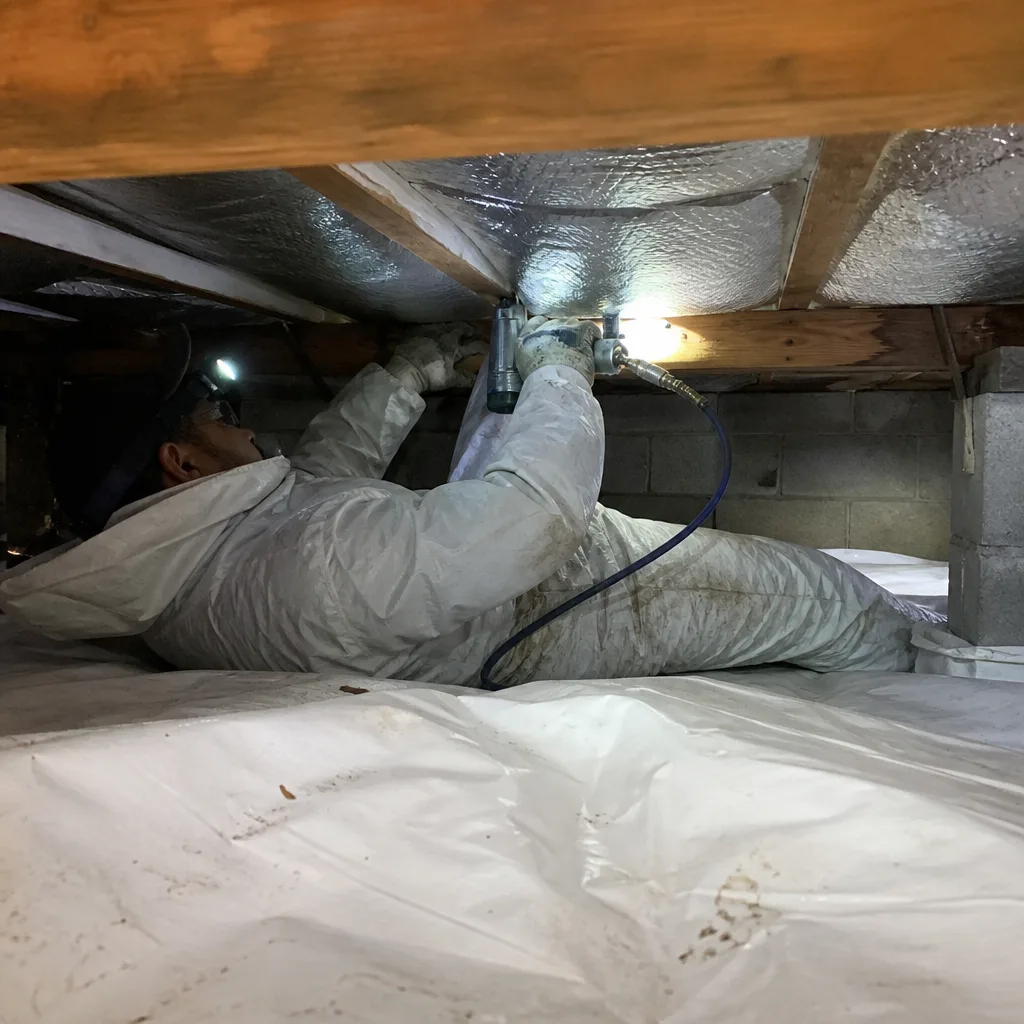
- Hot ceiling surfaces after 4 PM. A working radiant barrier drops ceiling surface temperature 20-35°F on a 95°F day in El Monte. If your ceiling feels warm to the touch in late afternoon, the reflective surface has likely oxidized or was installed with the wrong side facing down.
- AC runs continuously from 2 PM to 8 PM. The radiant barrier’s job is to reflect radiant heat back toward the roof deck before it reaches your insulation layer. When it fails, that heat load hits the Rockwool directly, and the insulation can’t shed it fast enough. Your equipment runs longer to maintain setpoint.
- Visible gaps or sagging at the ridge line. El Monte’s Santa Ana wind events, especially October through March, can pull poorly stapled radiant barrier away from the deck. Gaps as small as 5% of total surface area can reduce system effectiveness by 40% or more.
- White chalky residue on the aluminum surface. This is oxidation of the reflective coating, common in attics that exceed 140°F regularly. Once emissivity rises above 0.15, the material is essentially painted sheet metal, not a radiant barrier.
- Insulation compressed or displaced below the barrier. Homeowners or prior contractors sometimes walk on radiant barrier laid over loose-fill, compressing the Rockwool beneath. Compressed mineral wool loses 30-50% of its rated R-value. We check depth with calibrated rods as part of every assessment.
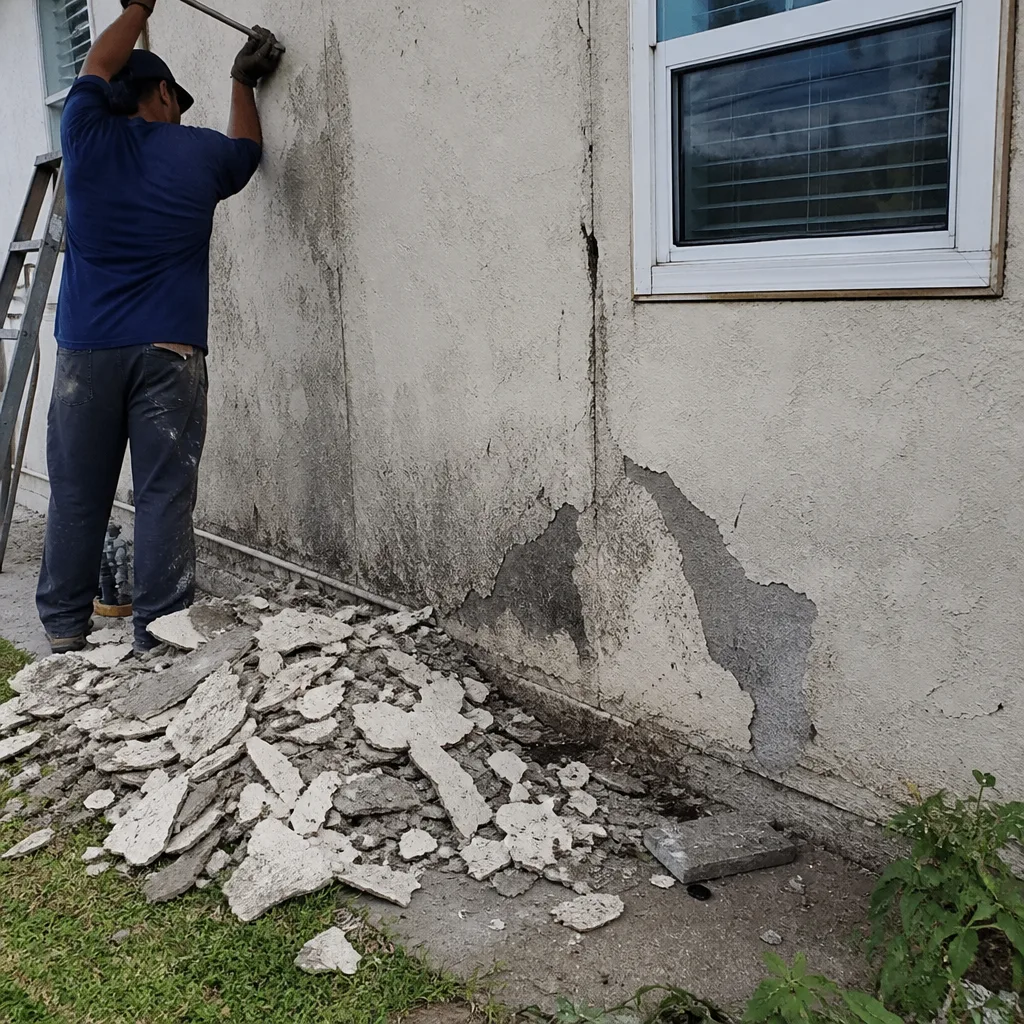 Before
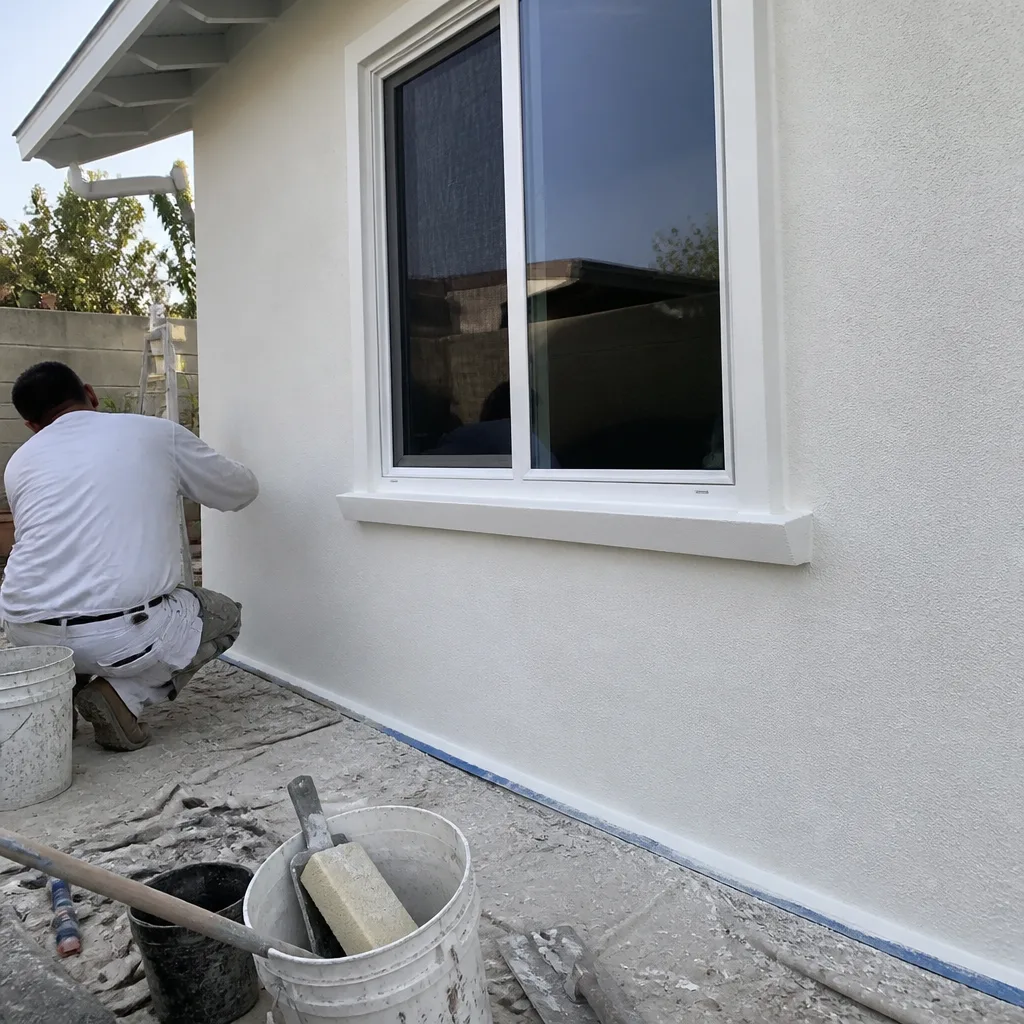 After
AfterReplacement Cost & What’s Included
| Component | Typical Range (El Monte) |
|---|---|
| Air sealing (top plates, can lights, penetrations) | $680-$1,200 |
| Radiant barrier material (perforated aluminum, attic-grade) | $1.10-$1.60/sq ft installed |
| Rockwool Comfortbatt or Comfortboard (if replacement needed) | $2.40-$3.80/sq ft installed |
| Blower-door test (before and after) | Included |
| Documented Photo Record | Included |
Most complete Rockwool radiant barrier installations in El Monte fall between $2,800 and $4,600. The range depends on attic square footage, whether we need to remove failed existing material, and how much air sealing the bypasses need. A 1,400 square foot attic with moderate sealing work and new radiant barrier over existing Rockwool typically lands near $3,200.
We don’t start work without a written price. Under Haven Standard Clause 1, you get a flat price, written scope, and written warranty before anyone lifts a tool. The 365-Day Done Right Promise covers the full installation. On completion, we leave the blower-door readings, the depth verification, and the photo record. Seal the bypasses first. Then insulate. The certificate tells you what you actually got.
DIY or Call Us?
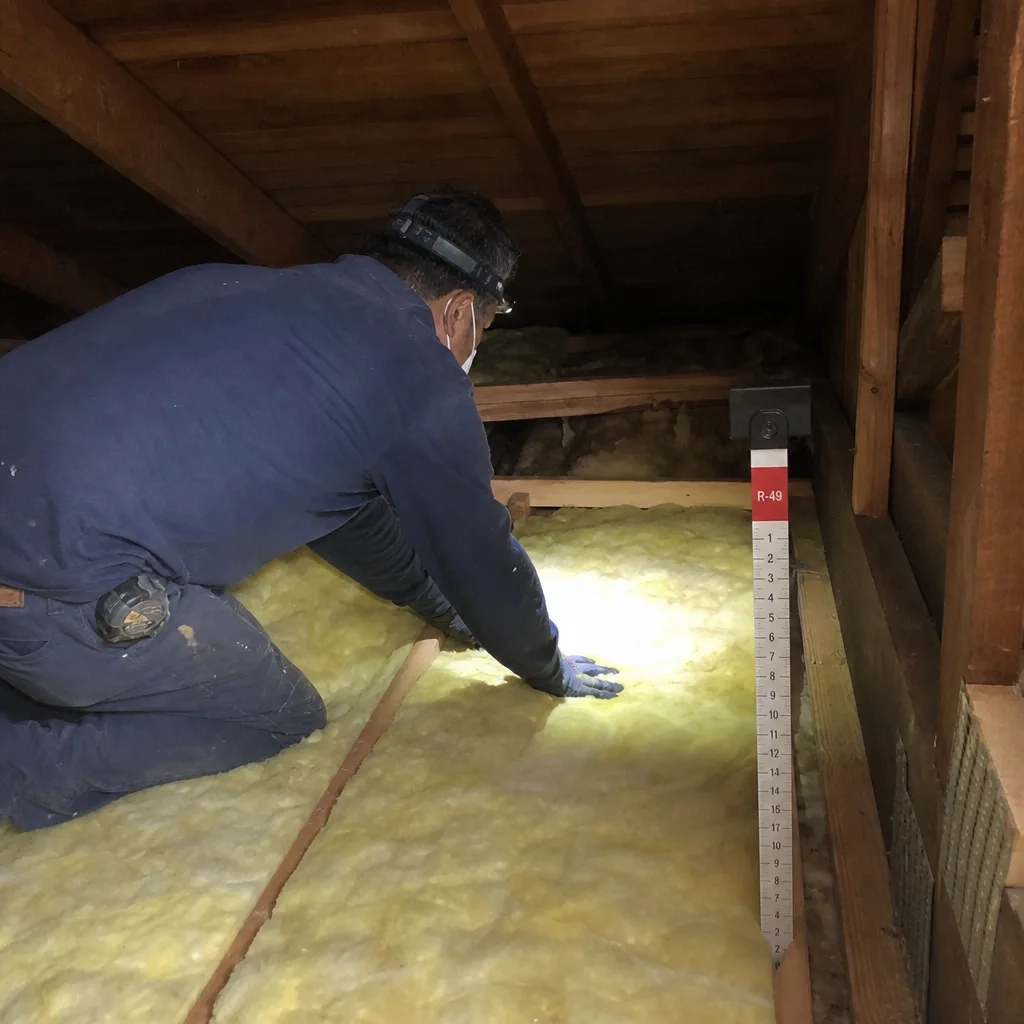
There’s no high-tension danger here like a garage door spring, but there are ways to waste money. A homeowner can safely check attic temperature with an infrared thermometer, photograph any visible damage, and verify the Rockwool product label. What goes wrong in DIY: installing radiant barrier with the reflective side facing the wrong direction (it must face an air gap, not touch insulation directly), leaving seams unsealed, or blowing insulation over an unsealed attic floor and trapping conditioned air leaks.
We’ve found attic bypasses in El Monte homes - gaps around plumbing chases, top plates, and electrical penetrations - that were dumping 400+ CFM50 of conditioned air before we touched the insulation. Sealing those first dropped the blower-door reading, then the radiant barrier actually had a chance to work. If you want us to assess what you’ve got and give you a written price, call (626) 415-3454. Estimates are free, and we stock Rockwool and Reflectix on the truck.
FAQs
In El Monte’s climate, a properly installed perforated aluminum radiant barrier lasts 20-30 years before oxidation becomes significant. The Rockwool insulation beneath it doesn’t degrade, though it can settle 5-10% in the first two years if not installed to proper density. We verify depth at installation and document it. Call (626) 415-3454 if you’re unsure of your attic’s age or condition.
Small tears can be patched with foil tape rated for high temperatures, but oxidation across the full surface means replacement. Once the reflective coating degrades, emissivity rises and the material stops reflecting radiant heat. We assess this during our free estimate and tell you honestly whether patching is worth it. Call (626) 415-3454 to schedule.
Most El Monte homes are completed in one day: 4-6 hours for air sealing, radiant barrier installation, and Rockwool placement or adjustment. Larger attics or those requiring full removal of failed material may need a second day. We give you a specific timeline in the written scope before work starts.
Yes. We carry Rockwool Comfortbatt in common R-values, Comfortboard IS for rigid applications, and Reflectix perforated radiant barrier in rolls sized for typical residential attics. For less common specs, we pull from our supplier in City of Industry and can usually have it next day. Call (626) 415-3454 to confirm availability for your specific job.
Topside Attic Insulation El Monte is an independent service provider. We are not affiliated with Rockwool, Owens Corning, Johns Manville, Knauf, CertainTeed, Icynene, Demilec, GreenFiber, or Reflectix. We source materials based on what the job requires, not proprietary partnerships.
Written by Wes Okafor, Owner, Topside Attic Insulation El Monte at Topside Attic Insulation El Monte, serving El Monte and nearby areas.