
How Much Does Radiant Barrier Installation Cost in El Monte?
Radiant Barrier Installation in El Monte, CA typically costs between $1,400 and $3,200 for a single-story home with an attic of 1,000 to 2,000 square feet, with most jobs landing around $1,800 to $2,400 when the attic is accessible and doesn’t require removal of existing material. That range reflects actual 2026 labor and material pricing in the San Gabriel Valley market – not a national average adjusted downward by a coefficient no one can explain.
If your home is in East El Monte near the 60 freeway corridor, has a hip roof with multiple valleys, or needs attic air sealing done first (which it almost certainly does), expect the number to sit closer to the upper end.
Radiant Barrier Installation Cost Breakdown (2026)
Most radiant barrier jobs in El Monte break into three cost categories: material, labor, and any prerequisite work the attic needs before the barrier goes in. Here’s what each piece looks like in dollar terms for this market.
| Line Item | Typical Range (El Monte, 2026) | Notes |
|---|---|---|
| Perforated foil radiant barrier – material only | $0.15 – $0.35 per sq ft | Perforated allows moisture to pass through; required in vented attics |
| Labor – staple-up application (rafter method) | $0.65 – $1.10 per sq ft | Stapled to the underside of roof decking; most common in El Monte tract homes |
| Labor – attic floor lay-over method | $0.45 – $0.80 per sq ft | Laid over existing insulation; faster but less effective in deep attics |
| Total installed cost – 1,000 sq ft attic | $1,400 – $1,900 | Accessible attic, single story, no removal required |
| Total installed cost – 1,500 sq ft attic | $1,800 – $2,600 | Mid-size home, rafter method, minor prep work |
| Total installed cost – 2,000+ sq ft attic | $2,400 – $3,200+ | Larger footprint, complex roofline, or low clearance areas |
| Attic air sealing (prerequisite work) | $650 – $1,400 | Top plates, can lights, penetrations – done before barrier is installed |
| Old insulation removal (if needed) | $1.20 – $2.00 per sq ft | Required when existing insulation is contaminated or below code |
| Attic hatch weatherstripping and sealing | $85 – $200 | Often overlooked; a leaky hatch undoes air sealing gains |
What These Numbers Actually Mean
The cost drivers aren’t mysterious. A 1,400-square-foot ranch-style home in the Norwood neighborhood of El Monte with a clean attic, a full-height ridge, and no existing rodent damage is a straightforward job. A two-story in the Garvey area with a low-pitch tile roof, multiple dormers, and blown-in insulation that’s been compacted for 20 years is a different job entirely – more setup time, more cuts, and more hands navigating tight spaces between joists.
The floor-lay method (placing the barrier over existing insulation rather than stapling to the rafters) costs less per square foot but delivers meaningfully less heat reduction in attics above 120 degrees – which is most El Monte attics from June through September. The rafter staple-up approach keeps the foil directly facing the air space below the roof deck, where radiant heat transfer is actually happening. The price difference is real; so is the performance difference.
One thing we won’t do: install a radiant barrier over an attic floor that hasn’t been air sealed first. It’s a sequencing issue that matters. Blow insulation (or lay foil) over unsealed top plates and penetrations, and you’ve just buried your air leaks under material that now costs money to remove if you want to fix the problem properly. Under the Haven Standard, air sealing is a prerequisite, not an upsell. If a competing quote skips that line item, ask why.
What Affects Radiant Barrier Installation Pricing in El Monte
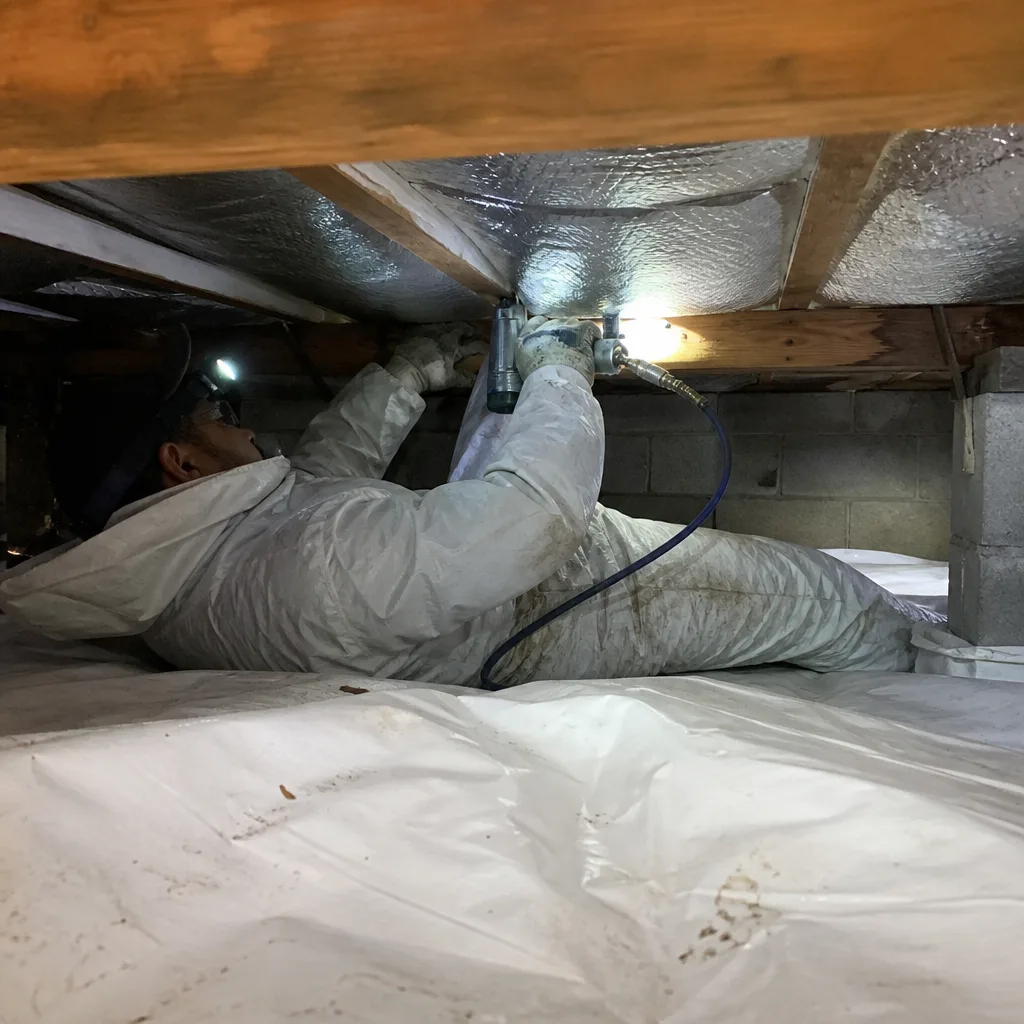
- Attic square footage and roof geometry: A simple gable roof over a rectangular footprint takes less time to cover than a hip roof with valleys, ridges running in multiple directions, or structural members that break up the open span. Many older homes in the Coffield and Potrero Heights parts of El Monte have non-standard additions that changed the original roofline, adding time to any attic job.
- Attic clearance and accessibility: The California Building Code minimum attic access opening is 22 by 30 inches, but what matters more for pricing is how much of the attic a technician can stand upright in. El Monte has a significant stock of 1950s and 1960s homes where the attic clearance drops to 24 inches or less at the eaves – that’s crawl work, not walk work, and it slows installation considerably.
- Existing insulation condition: If the attic floor already has adequate blown-in cellulose or fiberglass batts in good condition, the rafter staple-up method goes on top without touching the floor insulation. If that insulation is contaminated (rodent activity is common in El Monte attics near the Rio Hondo wash), removal has to happen first. Removal adds cost but also eliminates the health and odor problems that follow contaminated insulation for years.
- Ventilation configuration: Radiant barriers work best in attics with sufficient ridge and soffit ventilation – the hot air that builds up between the foil and the roof deck needs somewhere to go. Homes in El Monte’s older sections sometimes have blocked soffits or no ridge vent at all. Addressing ventilation before installation affects the final quote but also affects whether the barrier actually performs.
- Air sealing scope required: Every penetration through the attic floor – can lights, plumbing vents, top plates at partition walls, HVAC boots – is a pathway for conditioned air to escape into the attic. In El Monte homes built before 1990, it’s common to find 15 to 30 individual unsealed penetrations in a 1,500-square-foot footprint. Sealing each one with the right material (two-part spray foam, caulk, or rigid blocking depending on the gap size) takes time, and that time shows up in the quote.
- Permit requirements: The City of El Monte Building and Safety Division may require a permit for attic work depending on the scope – particularly if HVAC ductwork is being touched or if the job involves structural modifications to accommodate ventilation. Envelope Insulation Co. pulls any required permits; that cost is factored into the written price before work starts, not invoiced as a surprise line item at the end.
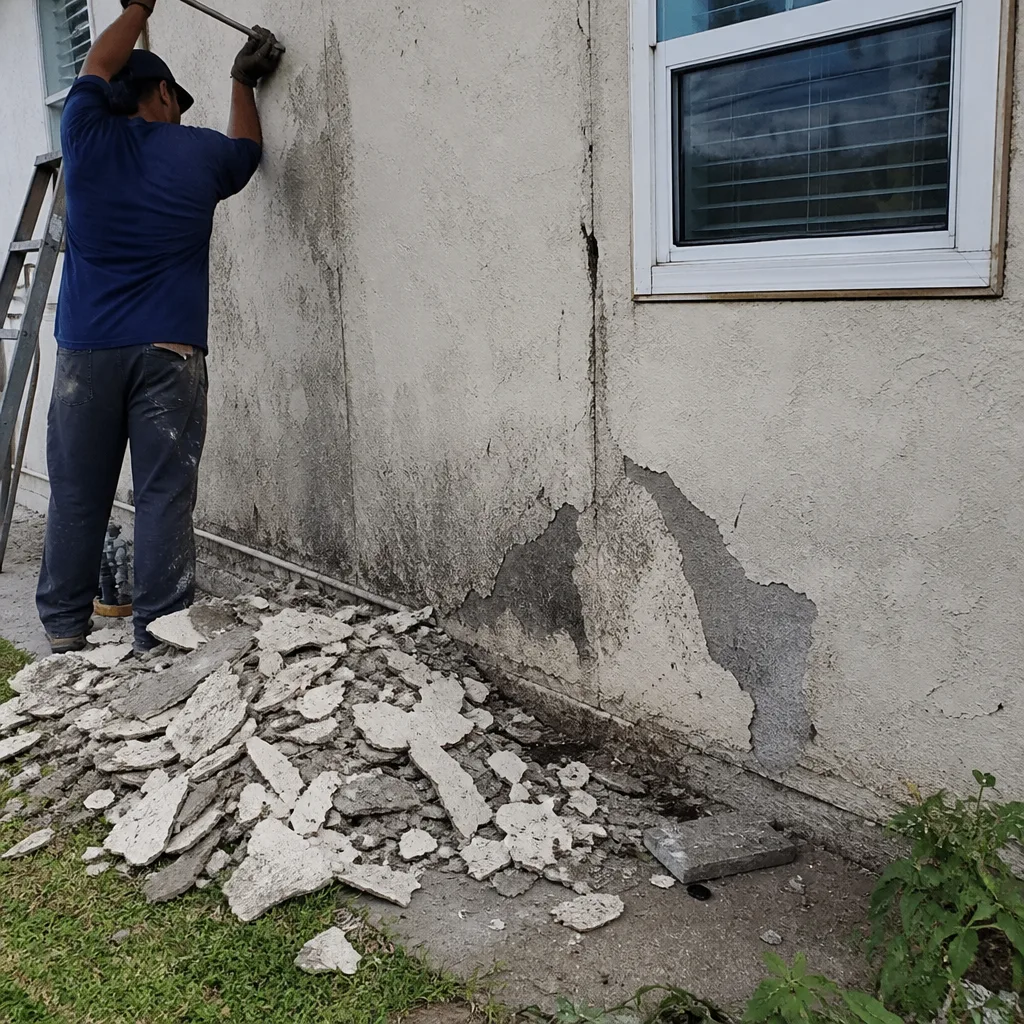 Before
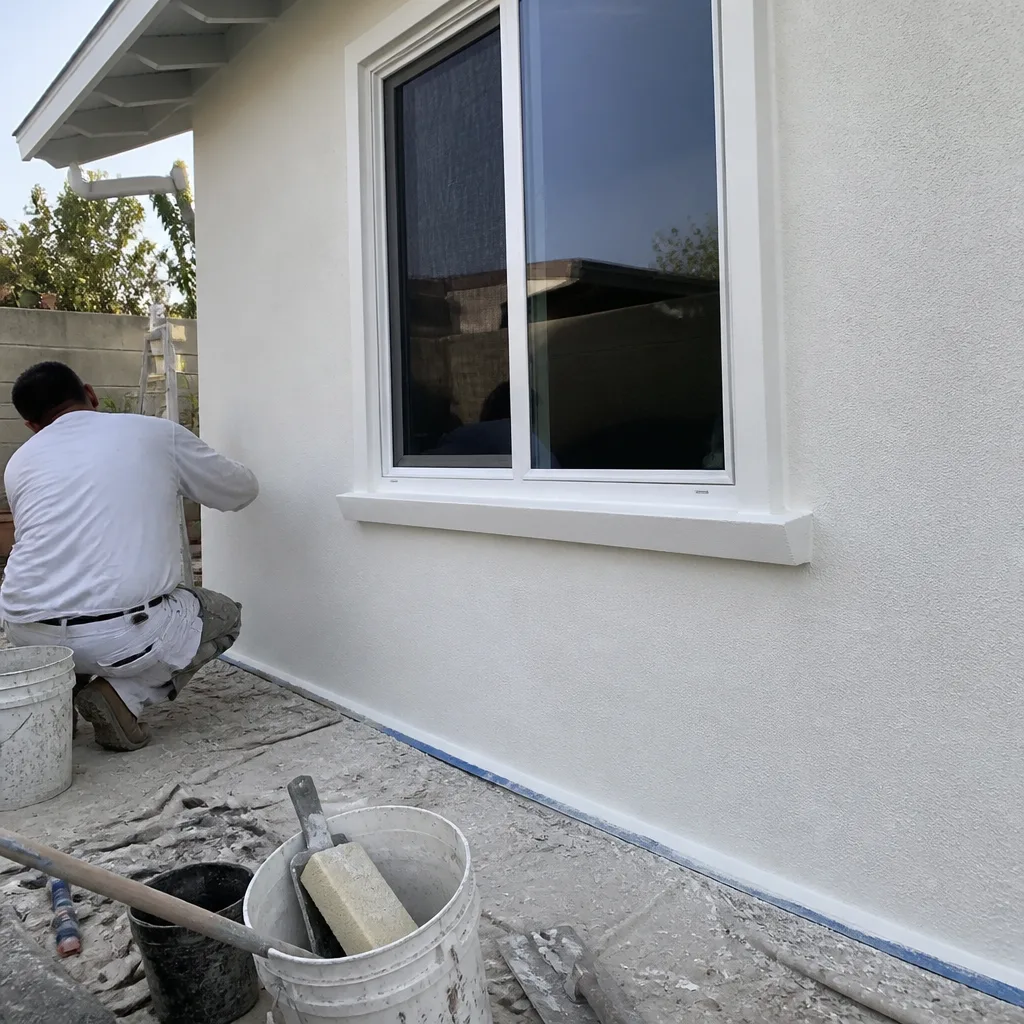 After
AfterEl Monte’s Climate Makes This More Than a Summer Upgrade
El Monte sits in the eastern San Gabriel Valley at roughly 250 feet elevation – inland enough to see summer attic temperatures regularly reach 140 to 160 degrees Fahrenheit on west-facing roof sections, and warm enough that even winter afternoon sun can push an unshaded attic to 100 degrees. The 10-Mile Zone rule that applies to coastal properties (which sometimes restricts certain reflective coatings due to glare ordinances) doesn’t apply here. El Monte is pure inland heat load, and radiant barriers address that specific problem directly.
What a radiant barrier does: the foil surface reflects radiated heat from the underside of the roof deck back upward rather than letting it radiate down into the attic air space. Studies from Oak Ridge National Laboratory put the cooling-season reduction in heat gain through the ceiling at 17 to 42 percent depending on attic configuration – the higher end applies when the foil faces a clear air space, which is why the rafter staple-up method outperforms the floor lay-over in high-heat climates like El Monte’s.
What a radiant barrier doesn’t do: it doesn’t replace insulation, and it doesn’t fix air leaks. In a home where the attic floor has R-11 batts (the minimum that was code in many 1960s builds) and open top plates, adding a radiant barrier without addressing those underlying issues is like putting a sunshade on a car with no windshield. The attic stays cooler; the living space still bleeds conditioned air through every gap in the floor below.
That’s why our process for Radiant Barrier Installation in El Monte starts with a written scope that lists air sealing work explicitly, before any foil goes in.
How to Save on Radiant Barrier Installation
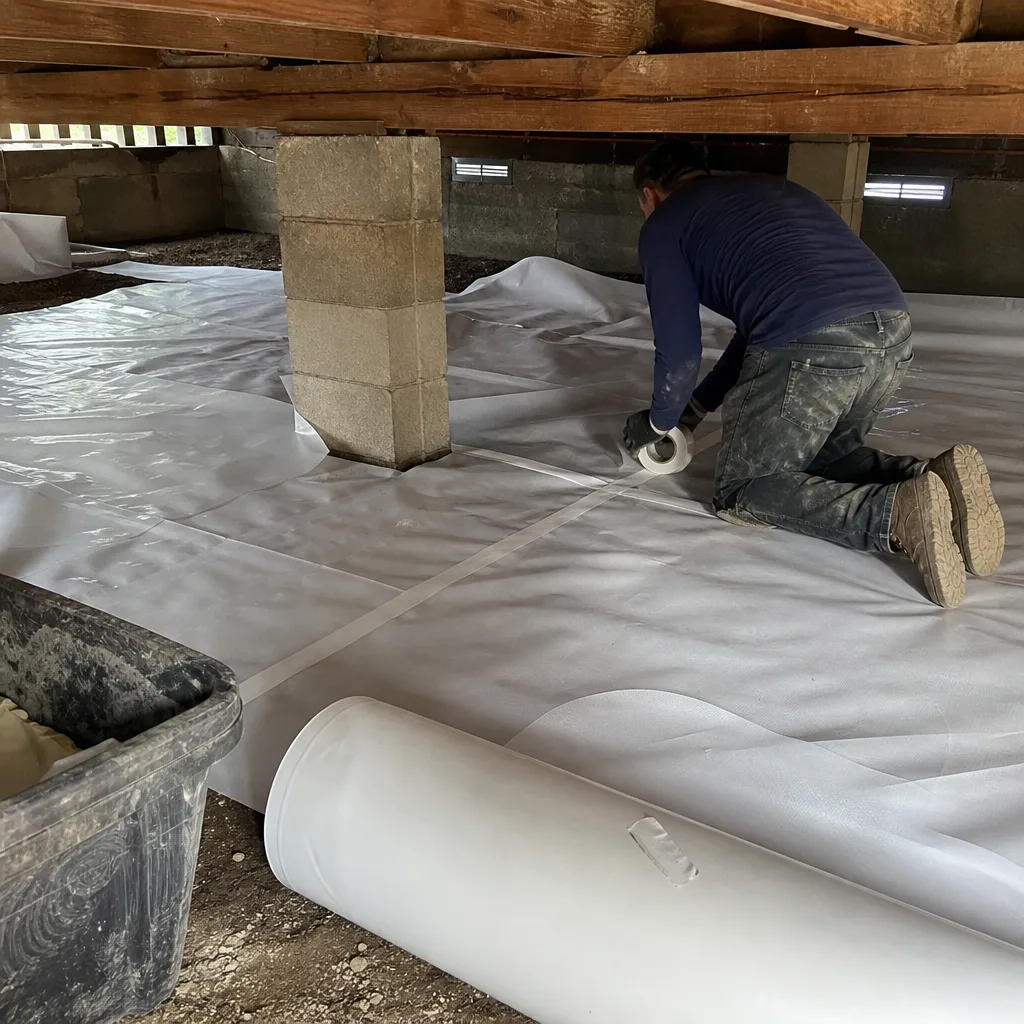
Combine Work to Reduce Mobilization Costs
Labor mobilization – getting a crew to your home, staging equipment, accessing the attic – is a fixed cost that doesn’t scale perfectly with job size. If you’re already considering attic insulation, air sealing, or insulation removal, scheduling that work at the same time as radiant barrier installation reduces the total cost of all three relative to doing each as a separate job. In El Monte, combining radiant barrier installation with air sealing and an insulation upgrade typically saves $200 to $500 compared to booking those jobs separately across different visits.
Get a Second Opinion on Any Written Quote
If you have a written estimate from another contractor, bring it to us. Under the Haven Standard, we offer a Free Second Opinion on any written estimate – we’ll go through the line items with you and tell you what’s reasonable, what’s inflated, and what’s missing. This isn’t a sales pitch; it’s a read-through. Some quotes we’ve reviewed for El Monte homeowners were priced fairly. Others were missing the air sealing scope entirely, which would have resulted in a barrier installed over unaddressed leaks.
Check for Utility Rebates Before You Book
Southern California Edison’s Energy Savings Assistance Program and SCE’s Residential Energy Efficiency Rebate programs have, in past cycles, included incentives for attic improvements including radiant barriers. Program availability and income eligibility requirements change annually. The California Energy Commission’s TECH Clean California initiative is another program worth checking – it has funded building-envelope improvements in the past. We don’t process rebates on your behalf, but we provide the documentation – including a written scope and photo record – that most programs require for reimbursement claims.
Don’t Pay for a Barrier Without Air Sealing in the Scope
A quote that skips attic air sealing looks cheaper on paper. In practice, you’re paying for a partial solution and leaving the largest source of energy loss in the home untouched. The money spent on a barrier that sits above unsealed penetrations returns less than a job that addresses both. If a quote doesn’t list air sealing, ask the contractor to add it – or compare the full-scope price against one that includes it. The written price we deliver before any work starts will always show both line items separately so you can see what each part costs.
Request a Free Estimate and Ask for the Attic Floor Condition Assessment
Before committing to any radiant barrier installation, have a contractor assess the existing insulation depth, condition, and air sealing state. This takes 20 to 30 minutes in the attic and produces a clear picture of what the job actually requires. Call (626) 415-3454 to schedule a free estimate – we’ll walk the attic, document what we find with photos, and deliver a written price before we leave. No pressure to book, no callback window measured in business days.
Radiant Barrier vs. More Insulation: Which Should You Do First?
This question comes up regularly in El Monte, especially in homes where the existing insulation is thin but the summer cooling bills are the primary complaint. The short answer: if your attic floor has less than R-30 (roughly 8 to 9 inches of blown fiberglass or 7 to 8 inches of cellulose), adding insulation to code depth will reduce your cooling and heating load more than a radiant barrier alone. If you’re already at R-38 or above and you’re still seeing excessive heat gain in upstairs rooms, a radiant barrier addresses what insulation can’t – radiated heat from the roof deck during peak sun hours.
The best answer for most El Monte homes built before 2000: do both, in the right order. Air seal the attic floor first. Bring insulation to R-38 minimum (California Title 24 requirement for climate zone 10, which covers El Monte). Then add the radiant barrier to the rafter undersides. That sequence addresses conductive heat loss, air infiltration, and radiant gain – the three separate heat-transfer mechanisms in an attic – rather than just one.
This is what a full building-envelope assessment from Envelope Insulation Co.’s home page is designed to surface: not what product to sell you, but what the attic actually needs and in what order.
What the Documentation Looks Like When We’re Done
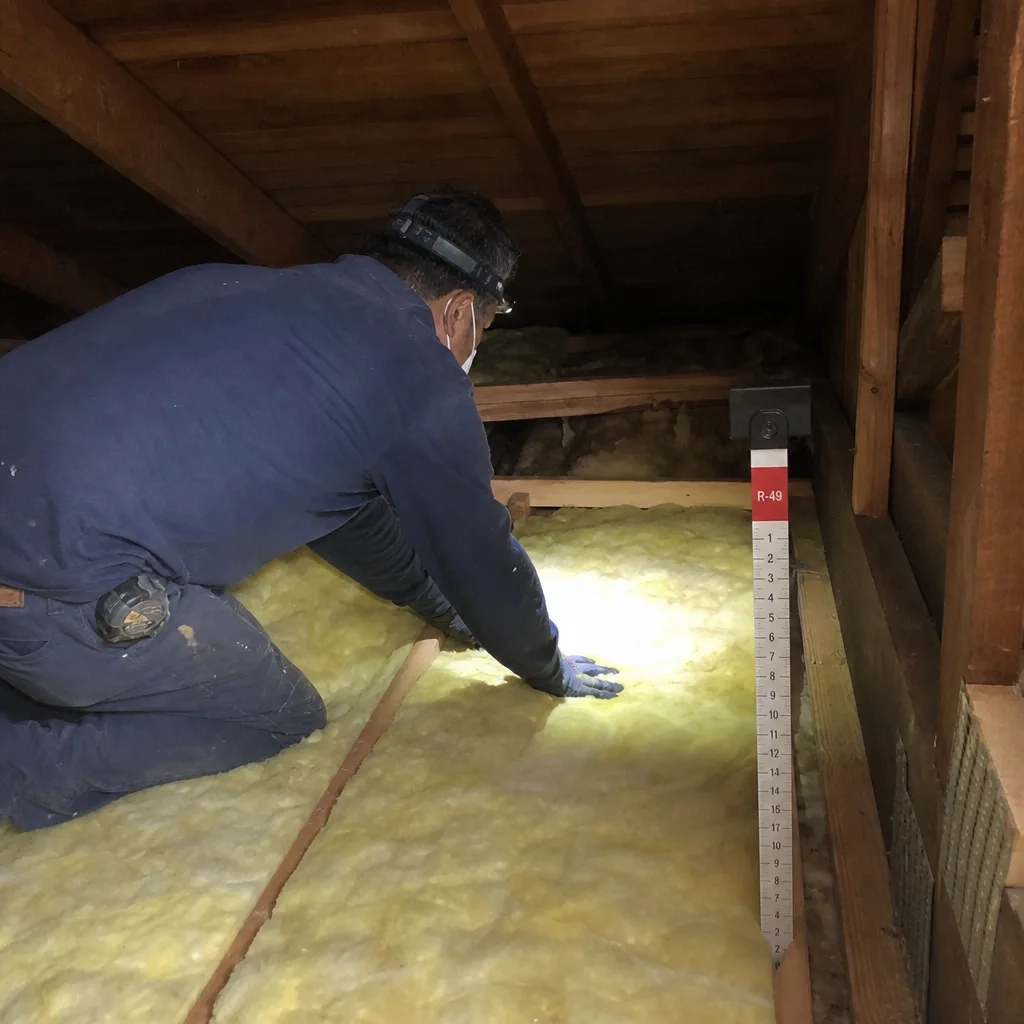
Under the Haven Standard, every job closes with a Documented Photo Record – timestamped photos taken before, during, and after installation. For radiant barrier jobs, that means photos of the existing attic condition, the air sealing work at each penetration point, the barrier installation at the rafter bays, and the finished state. You get a copy. It goes with the home if you ever sell.
On jobs where attic air sealing is part of the scope, we also provide before-and-after blower-door readings – a pressurization test that produces, in a single number (CFM50 – cubic feet per minute of air loss at 50 pascals of pressure), a measurable comparison of the envelope’s air tightness before and after sealing. A home in the Norwood area that we worked on in early 2025 read 3,800 CFM50 before sealing and 2,100 after – a reduction that’s visible in the numbers, not just described in a paragraph.
That’s the kind of documentation the Haven Standard requires on every applicable job. Written price before work starts. Documented photo record when we leave. Blower-door numbers on air-sealing jobs. All of it in writing before anyone lifts a tool.
FAQs – Radiant Barrier Installation Cost in El Monte
How much does radiant barrier installation cost in El Monte, CA?
Most El Monte homeowners pay between $1,400 and $3,200 for radiant barrier installation, with the majority of single-story homes in the 1,200 to 1,800 square foot range landing between $1,800 and $2,400 installed. That price includes material, labor, and minor prep work but does not include attic air sealing or insulation removal if those are needed. Get a written price with those line items shown separately before committing to any scope. Call (626) 415-3454 for a free estimate – we’ll give you a written number before we leave the driveway.
Is radiant barrier installation worth it in El Monte’s climate?
In El Monte specifically, yes – more so than in coastal cities like Santa Monica or Culver City where marine layer moderates summer heat gain. Attic temperatures in the San Gabriel Valley regularly hit 140 to 160 degrees on exposed roof sections from June through September. A properly installed rafter-staple-up radiant barrier reduces radiated heat gain through the ceiling assembly by 17 to 42 percent depending on attic configuration. That reduction is most noticeable in upstairs rooms during afternoon hours. It won’t eliminate your cooling bill, but it addresses a heat source that more insulation alone can’t solve.
What’s the difference in cost between the rafter method and the floor lay-over method?
The floor lay-over method (placing foil over existing attic insulation) typically costs $0.45 to $0.80 per square foot in labor, versus $0.65 to $1.10 per square foot for the rafter staple-up method. On a 1,500-square-foot attic, that’s a difference of roughly $300 to $450. The rafter method is more expensive because it takes longer to install precisely between rafter bays, but it outperforms the floor method in high-heat climates because the foil faces a clear air space rather than sitting on material that limits the facing distance. For El Monte summers, the rafter method is the more defensible choice from a performance standpoint.
Do I need a permit for radiant barrier installation in El Monte?
The City of El Monte Building and Safety Division may require a permit depending on the scope of work – particularly if any HVAC ductwork is disturbed or if ventilation modifications are part of the job. Straightforward radiant barrier installation with no structural or mechanical changes typically doesn’t trigger a permit requirement in El Monte, but that determination is made based on the actual scope, not a blanket rule. We pull any permits that are required and include that cost in the written price before work starts. Call (626) 415-3454 and we’ll confirm the permit requirement for your specific project during the estimate visit.
Can a radiant barrier be installed over existing attic insulation?
Yes, but with caveats. If the existing insulation is clean (no rodent contamination, no moisture damage, no significant compression) and at or near the current R-value recommendations for El Monte’s climate zone (R-38 minimum per California Title 24), installing a radiant barrier using the floor lay-over method is straightforward. If the insulation is contaminated, damaged, or well below code depth, removal and replacement should happen before the barrier goes in – not after. Installing foil over compromised insulation traps the problem underneath material that costs money to remove later. A free estimate includes an assessment of existing insulation condition so you know what the attic actually needs before any pricing discussion.
How long does radiant barrier installation take in a typical El Monte home?
A single-story El Monte home with a 1,200 to 1,600 square foot attic, good clearance, and no prerequisite removal work typically takes 4 to 7 hours for a two-person crew using the rafter staple-up method. Add 2 to 4 hours if attic air sealing is part of the scope. Larger homes, low-clearance areas, or complex rooflines can push that to a full day or, in some cases, two visits. The written scope delivered before work starts will include a time estimate so you’re not waiting for an open-ended job to finish.
A Note on Sequencing: Why Air Sealing Comes First
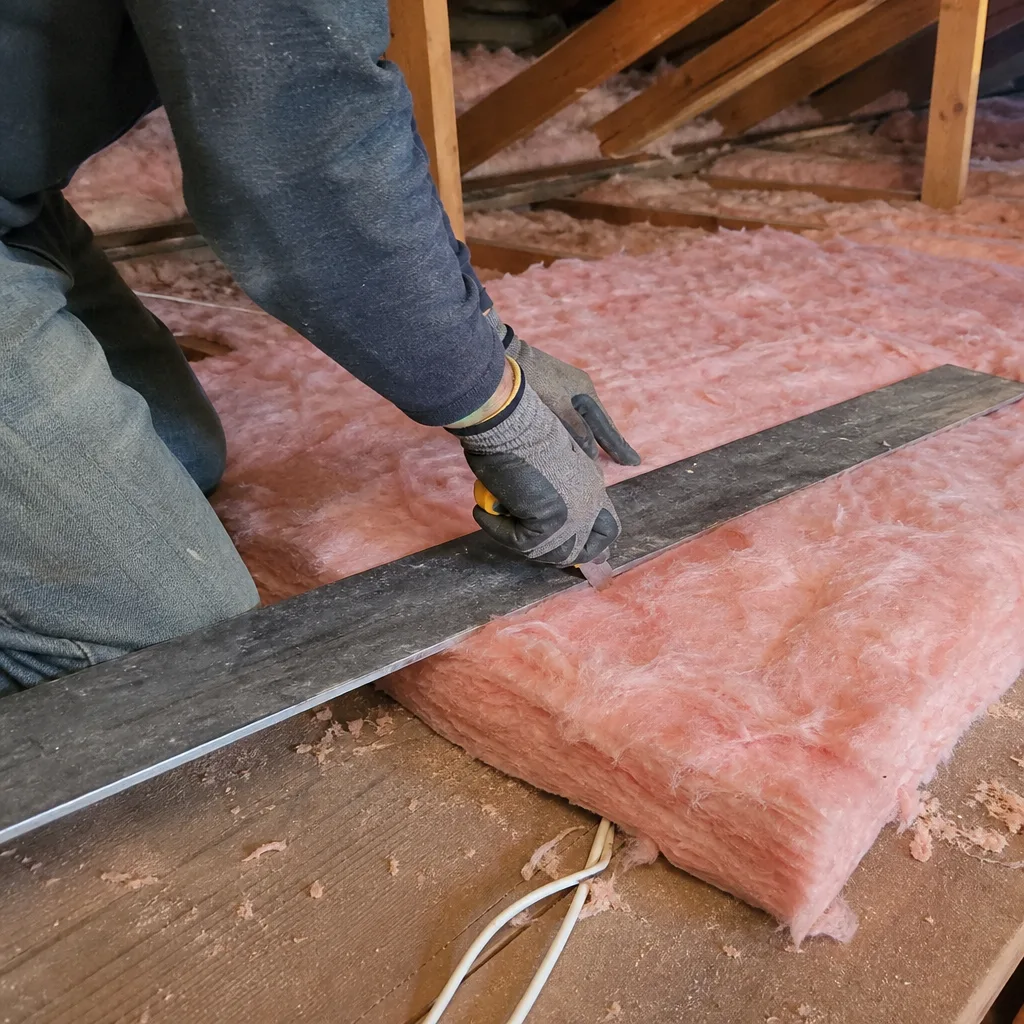
There’s a version of radiant barrier installation that contractors offer as a standalone product. Show up, staple foil to the rafters, leave. It’s faster to quote, faster to install, and easier to sell because the price looks lower without the air sealing line item.
Wes Okafor built Envelope Insulation Co. around a different position: sealed first, then insulated. That sequencing isn’t a sales strategy; it’s the correct order from a building-science standpoint. A radiant barrier in an attic with open top plates and unsealed can light penetrations reduces radiant heat gain while doing nothing about the conditioned air leaving through every gap in the floor below. You end up with a cooler attic and the same utility bills.
When we quote a radiant barrier job in El Monte, the written scope will always show whether air sealing is needed and what it costs. You decide what to do with that information. What we won’t do is install the barrier and skip the sealing conversation – that’s Haven Standard Clause 1 in practice, not just in print.
Key Takeaways
- Radiant barrier installation in El Monte costs $1,400 to $3,200 for most single-story homes, with the mid-range around $1,800 to $2,400.
- The rafter staple-up method outperforms floor lay-over in El Monte’s high-heat inland climate – and costs roughly $300 to $450 more on a 1,500-square-foot attic.
- Attic air sealing should be completed before any barrier goes in; skipping it means installing over the problem rather than solving it.
- California Title 24 recommends R-38 minimum insulation for El Monte’s climate zone – if you’re below that, insulation depth should be addressed alongside or before the barrier.
- Every quote from Envelope Insulation Co. is a written price with separate line items for each scope item, delivered before any work starts. The 365-Day Done Right Promise applies to all completed work.
- Utility rebate programs through Southern California Edison may offset part of the cost – ask about documentation requirements during your estimate visit.
- The job closes with a Documented Photo Record and, on air-sealing jobs, before-and-after blower-door readings.
Get a Written Price Before Any Work Starts
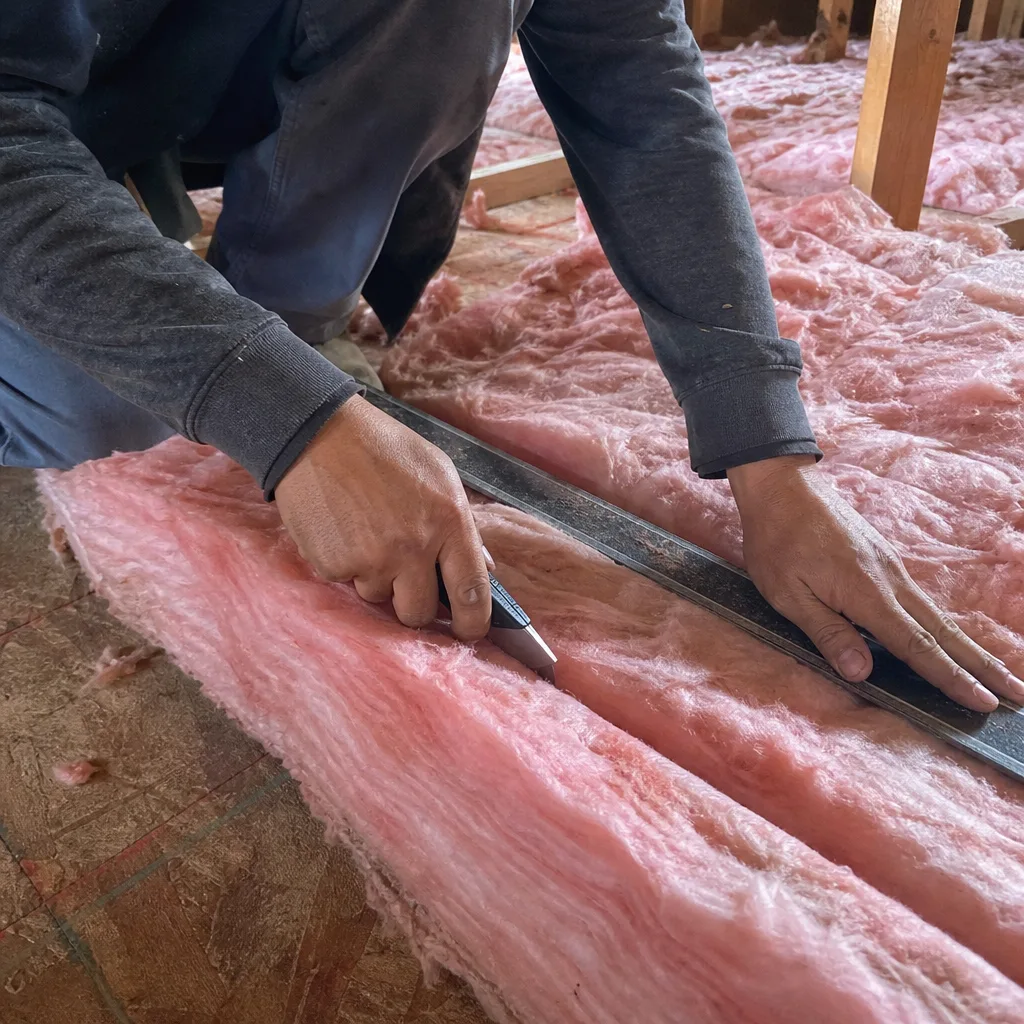
If you’re researching radiant barrier costs in El Monte, the next step is a free estimate that walks your attic and produces a written price – not a range, not a ballpark, a flat number with a written scope attached. Call Topside Attic Insulation El Monte at (626) 415-3454. A live person answers – no voicemail loop, no callback window. We’ll schedule an attic assessment, document what we find, and hand you a written price before we leave. Under the Haven Standard, that’s how every job starts.
Written by Wes Okafor, Owner at Envelope Insulation Co., serving El Monte and the San Gabriel Valley since 2016.
Pricing reflects the El Monte market as of 2026. Topside Attic Insulation El Monte offers free estimates – call (626) 415-3454.
What Our Customers Say
"Two other companies quoted to blow more insulation on top of what was there. These were the only ones who said the existing material had to come out first, and explained why."
- Clifford E."They photographed rodent damage in the old insulation that we had no idea about, and priced the exclusion work separately so we could decide."
- Harriet N."Fixed price, clean work, and they hauled the old material away as agreed."
- Todd M.