
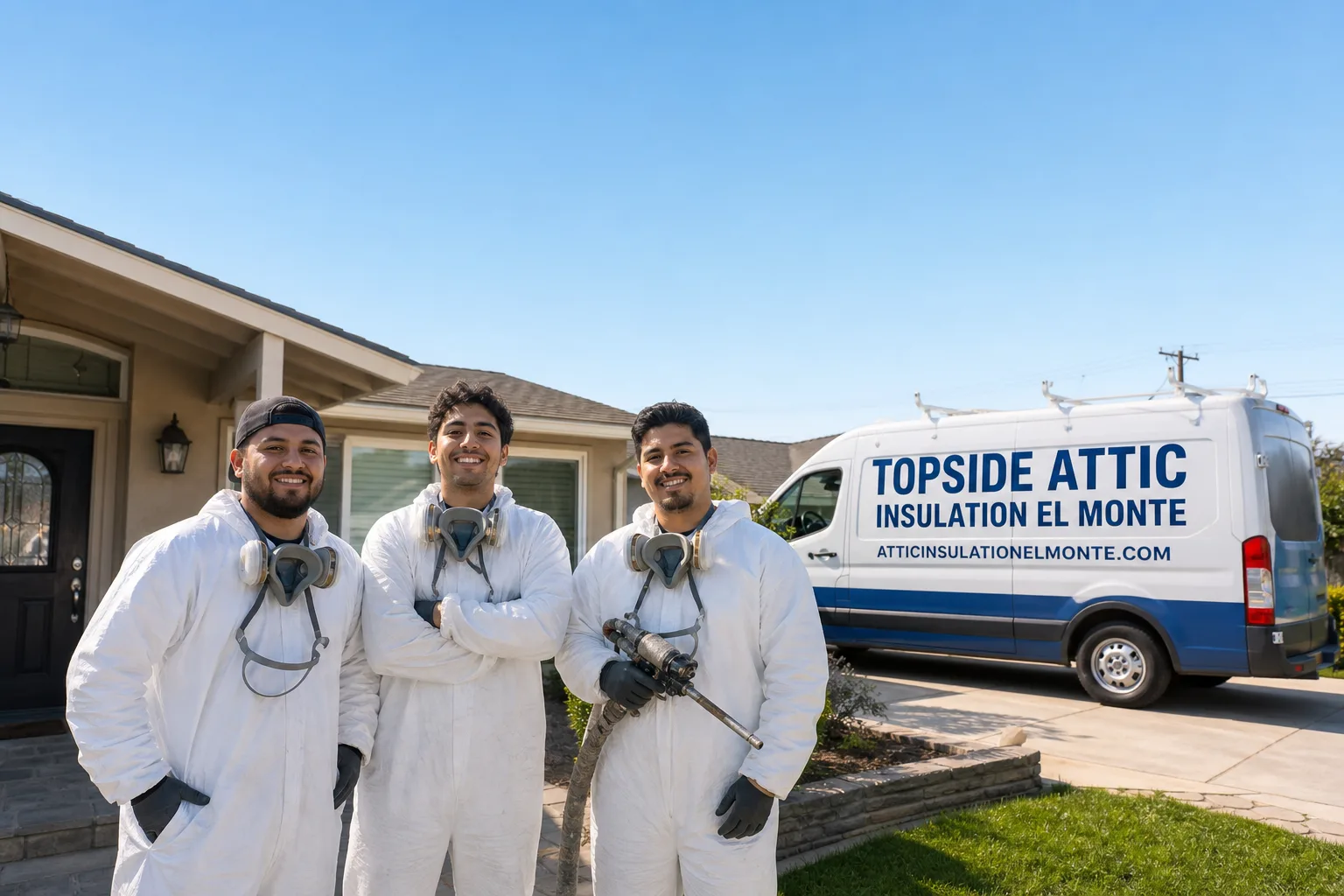
Fast, Reliable Spray Foam Insulation Across Temple City
Spray foam insulation in Temple City typically runs $2.80-$4.50 per board foot for open-cell and $4.50-$7.50 per board foot for closed-cell, with most garage conversions and ADU envelope buildouts falling between $3,200 and $6,800 depending on whether we’re starting from bare stud bays or topping existing insulation. We dispatch crews to Temple City from our Los Angeles office, and most properties off Las Tunas Drive, Lower Azusa Road, or near Temple City Park are on our route within the hour.
We’ve been sealing and insulating homes under The Haven Standard since 2016, and Temple City’s specific pattern of 1950s-60s garage conversions and multi-generational ADU additions is something our crews see weekly. The housing stock here was built to minimal post-war insulation standards, and the San Gabriel Valley’s inland heat corridor, where summer afternoons push past 100°F, makes the gap between original construction and actual thermal load one of the widest in greater LA.
Call (626) 415-3454 for a written price before any work starts. Estimates are free, and we provide a Free Second Opinion on any written estimate you’ve already received.
Why Topside Attic Insulation El Monte Is Temple City’s Preferred Spray Foam Insulation Company
We’ve sealed and insulated more than 9,000 homes since 2016, and a significant portion of those have been in the San Gabriel Valley corridor, including Temple City properties off Live Oak Avenue, Encinita Avenue, and the long stretch of Camellia Avenue where the post-war tracts sit shoulder-to-shoulder. Our Spray Foam Insulation in Temple City crews understand the local pattern: opened walls that reveal completely bare stud cavities, detached garages on uninsulated slabs, and attic floors with degraded 2-3 inch fiberglass batts that should have been replaced decades ago.
Our reviews from Temple City customers consistently note two things: the blower-door numbers we publish, and the fact that we actually seal before we insulate. One recent customer on Cloverly Avenue mentioned that two previous contractors had proposed blowing insulation directly over their unsealed attic floor; we spent the first day sealing top plates, can lights, and penetrations, then provided before-and-after pressurization readings showing the actual air loss reduction.
Response time to Temple City is typically same-day for estimates and within 24-48 hours for scheduled work. Calls are answered by a live person 24/7, and you’ll get a text when your technician is en route with a name and photo. Under Haven Standard: Arrive on schedule, you get a named technician.
Our Spray Foam Insulation Services in Temple City
Closed-Cell Spray Foam
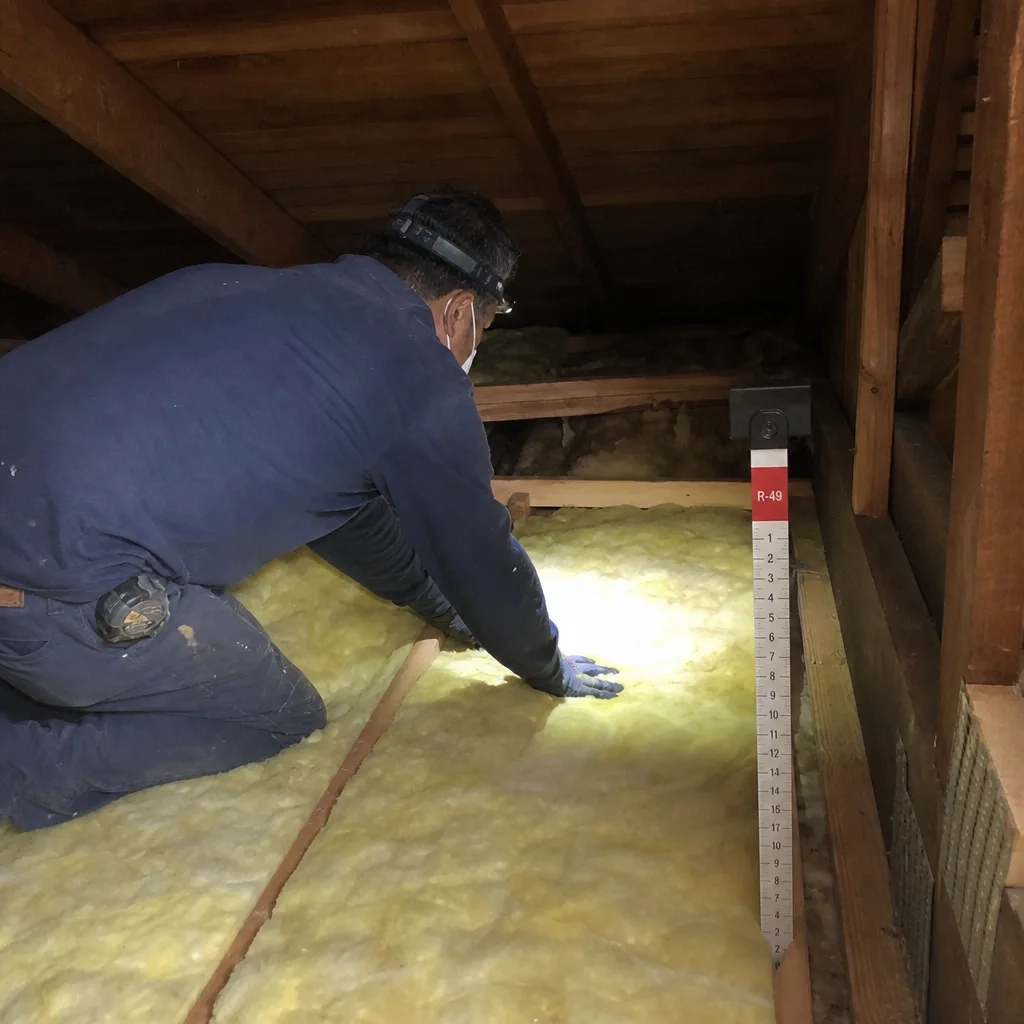
Closed-cell spray foam is our default recommendation for most Temple City garage conversions and ADU envelope buildouts. At roughly R-6.5 per inch, it provides the highest R-value per inch of any insulation we install, and its rigid structure adds shear strength to wall assemblies. More importantly for Temple City’s pattern of 1950s detached garages on bare concrete slabs, closed-cell acts as its own vapor barrier at thicknesses above 1.5 inches, which matters when you’re starting from a slab with no vapor control underneath. A typical closed-cell job for a two-car garage conversion in Temple City runs $3,800-$6,200.
Open-Cell Spray Foam
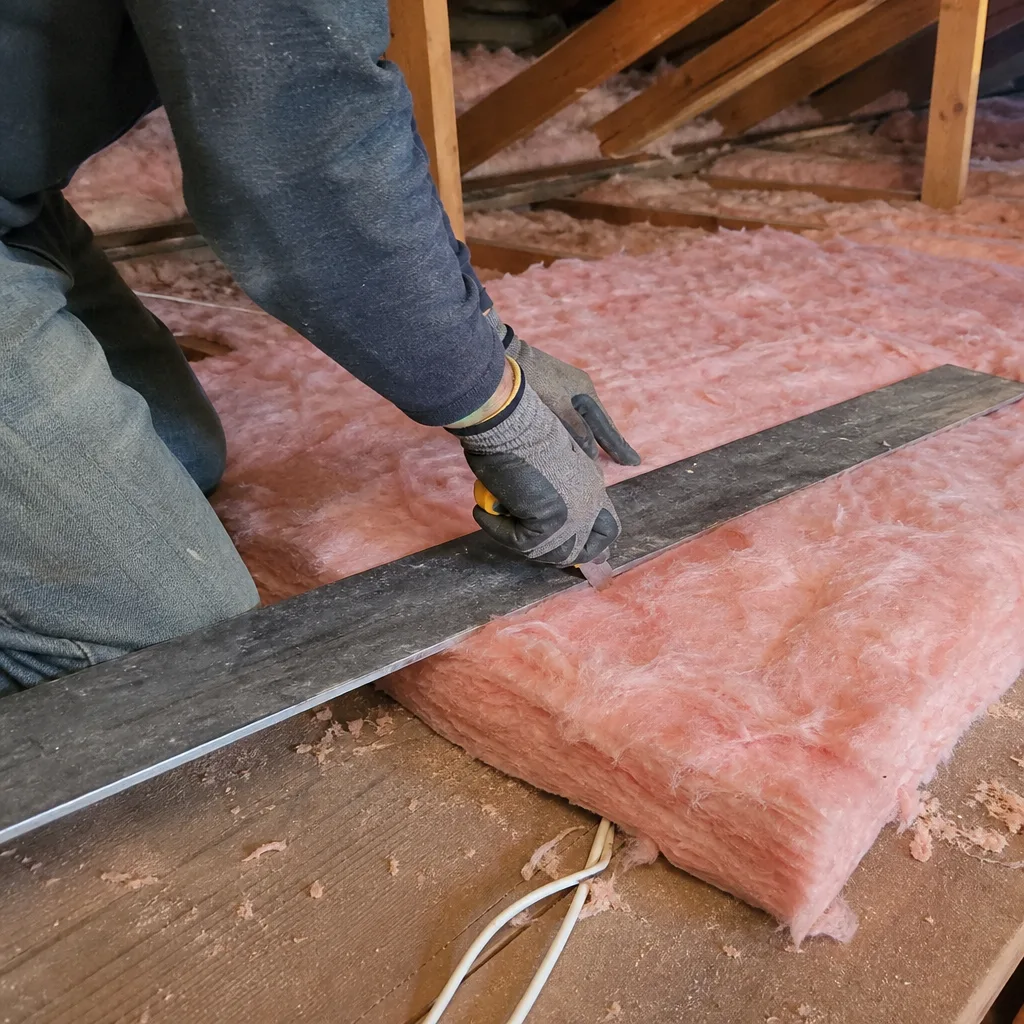
Open-cell runs lighter and less expensive at roughly R-3.6 per inch, and its permeability allows wall assemblies to dry to the interior, which can be useful in certain roof-deck applications. We use it selectively in Temple City, primarily for roof decks where the existing attic ventilation strategy needs to remain intact, or in above-grade walls where a separate vapor barrier will be installed. We do not recommend open-cell against unsealed concrete slabs, which is a common starting condition in Temple City garage conversions. A typical open-cell wall job runs $2,800-$4,500.
Rim Joist Spray Foam
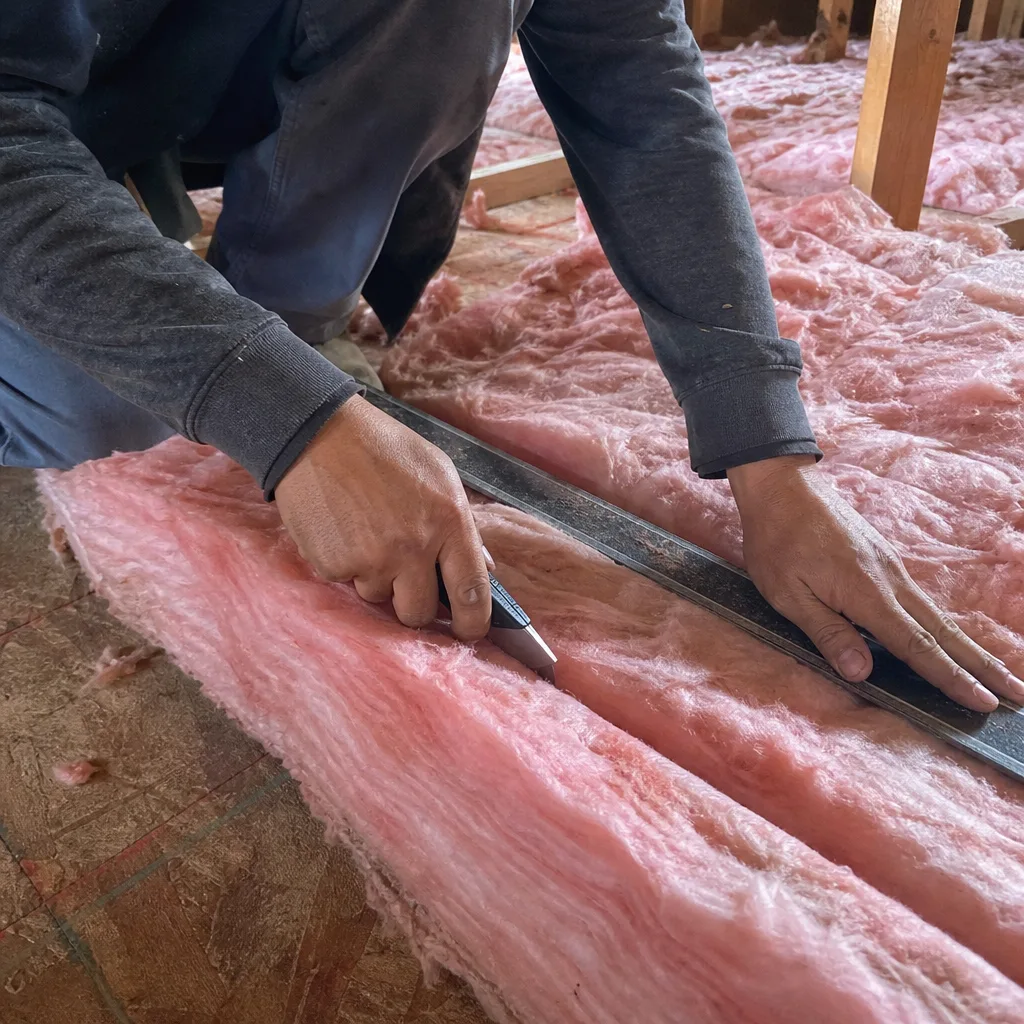
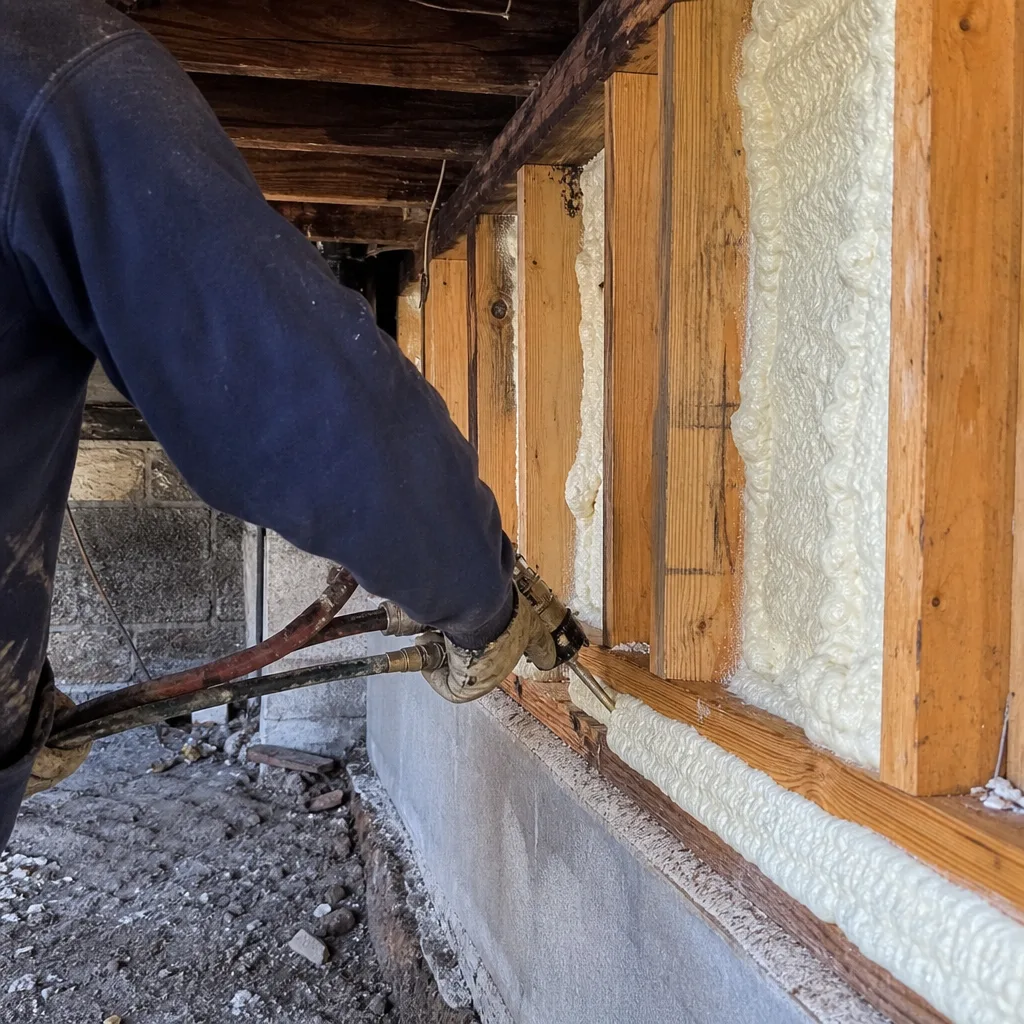
The rim joist, where the foundation wall meets the floor framing, is the single largest uncontrolled air leak in most Temple City garage conversions. In a 1958 detached garage on a small lot near Temple City Park, we pulled the drywall to find open stud bays and a slab with no vapor barrier. We sealed the rim joists with closed-cell first, creating the air barrier that everything else builds from. This is never optional in our work. Rim joist sealing alone typically runs $800-$1,400 for a standard two-car garage, and we won’t spray wall or ceiling foam until it’s done.
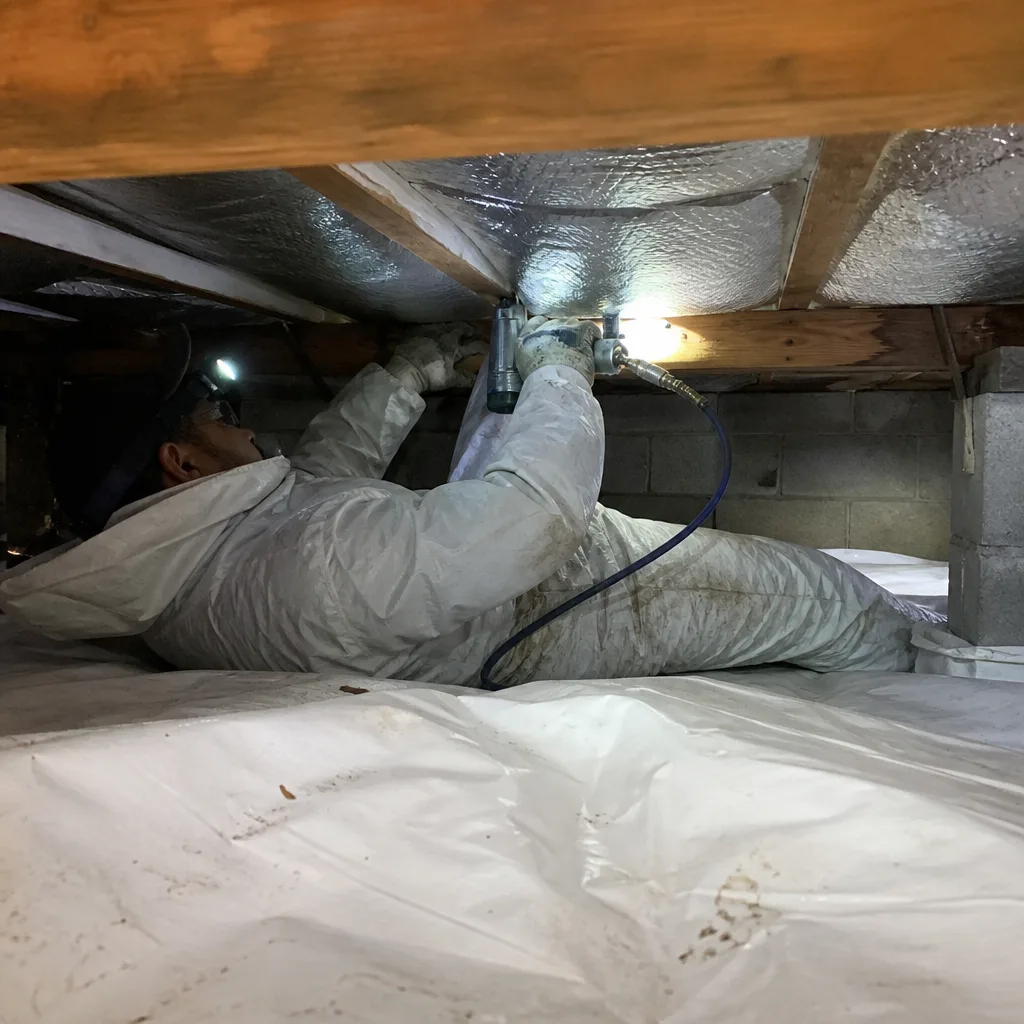
Garage Ceiling Spray Foam
Garage ceiling spray foam in Temple City presents a specific failure mode we see repeatedly: contractors foam the roof deck of a low-pitch garage ceiling without addressing the 2-3 inch degraded original fiberglass below, leaving a thermal bridge that still lets San Gabriel Valley afternoon heat soak through. Our Spray Foam Insulation team removes or works around existing degraded material, seals the assembly properly, then sprays to the specified thickness. For garage conversions that will become conditioned living space, we typically specify closed-cell on the roof deck to create a conditioned attic envelope. Typical range: $2,400-$4,200.
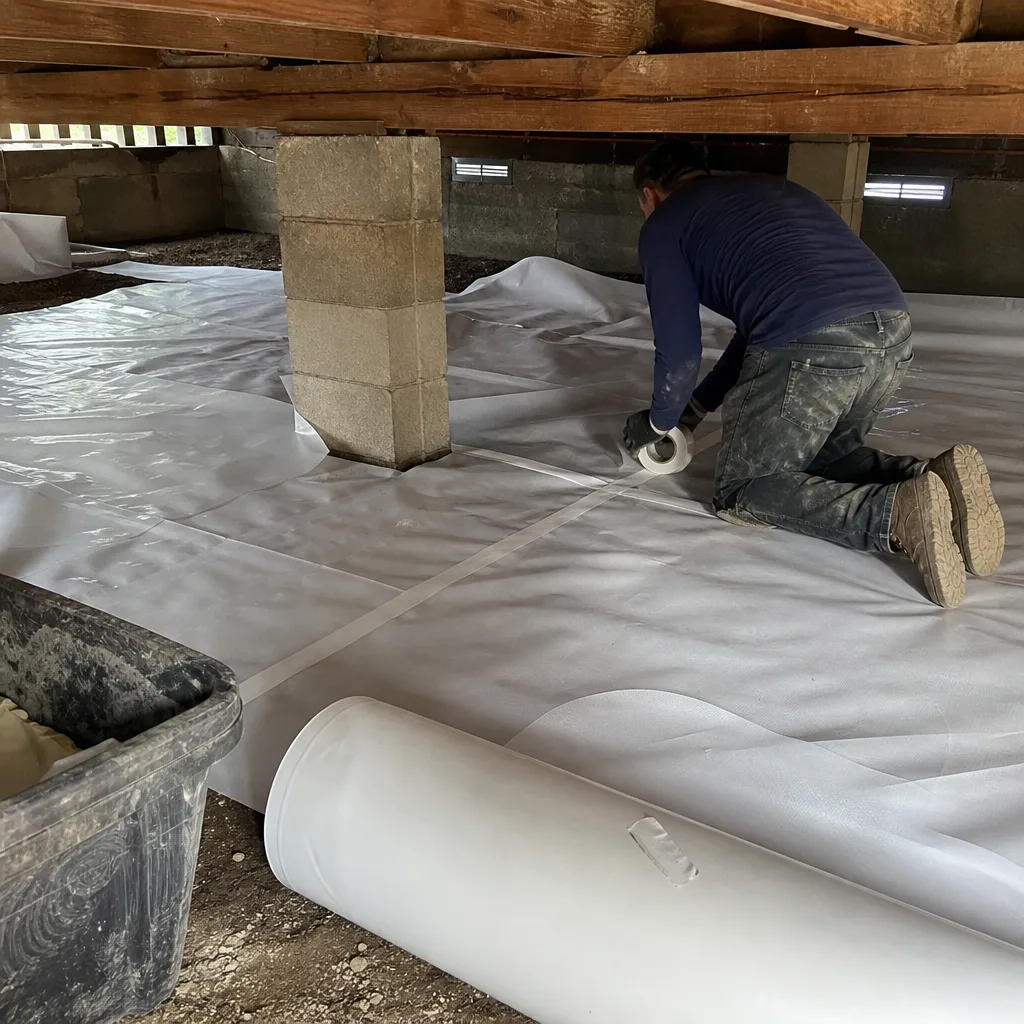
What happens when you call
- 1
A real person answersNo phone trees - you reach a local pro.
- 2
You get an upfront price rangeHonest numbers before anyone is dispatched.
- 3
A background-checked tech heads outLicensed & insured, dispatched right away.
- 4
You approve before work beginsNothing starts until you say go.
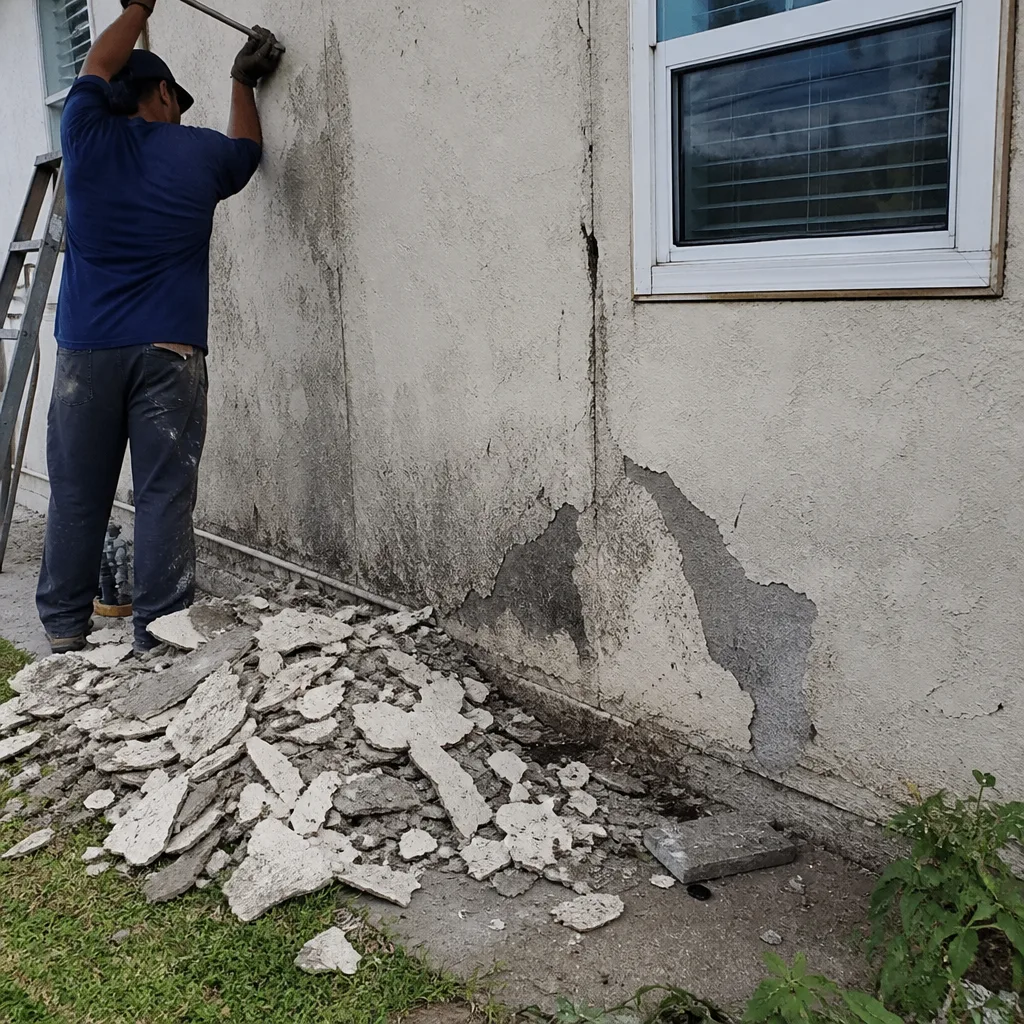 Before
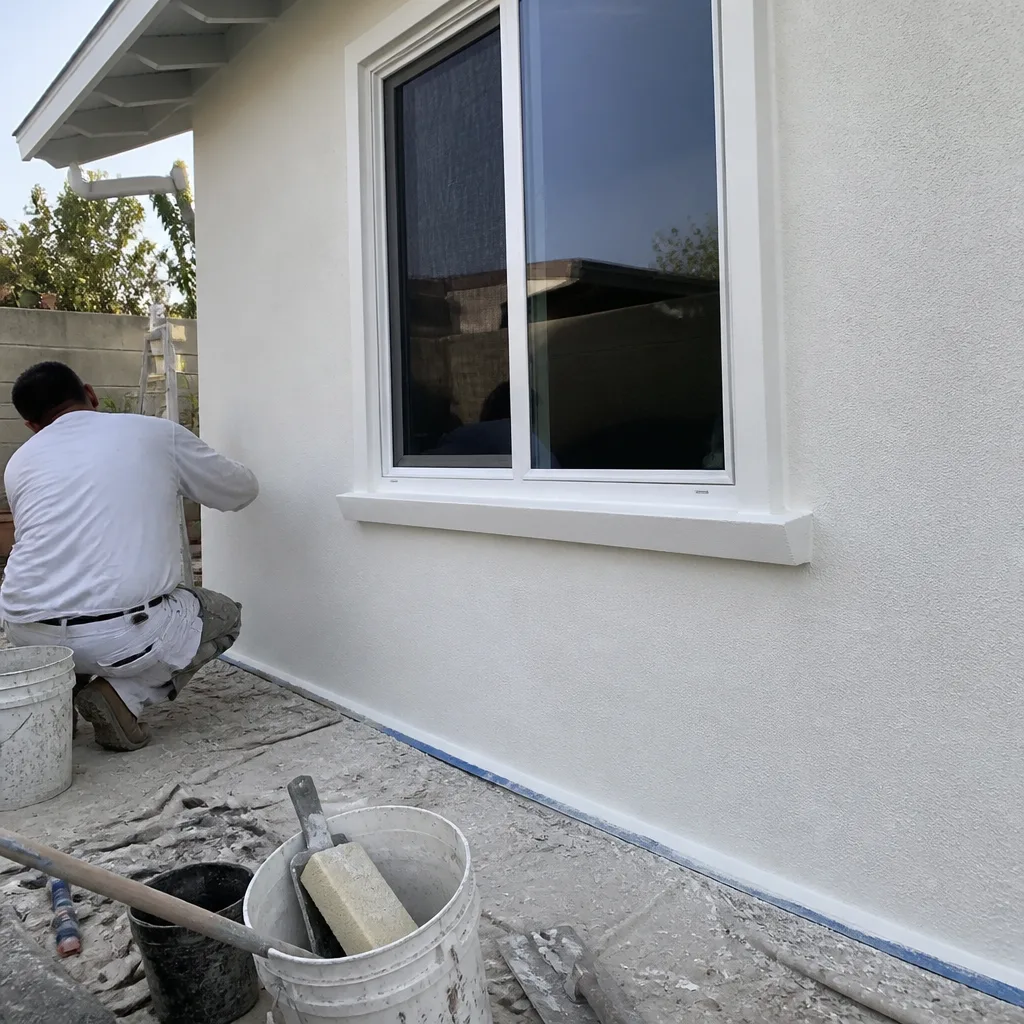 After
AfterTrusted Brands We Service in Temple City
We source materials from Owens Corning, Johns Manville, Demilec, and other manufacturers, with no proprietary lock-in that limits what’s appropriate for your specific assembly. For Temple City’s garage conversion and ADU market, we keep Demilec closed-cell formulations in regular stock for their vapor barrier performance and Johns Manville open-cell for roof-deck applications where drying potential matters. We don’t push one brand; we match the material to the assembly condition, the local climate load, and the specific thermal bridge pattern we’re addressing. Every job gets a written scope specifying exactly what product goes where, and why.
Common Spray Foam Insulation Problems We See in Temple City Homes
- Moisture wicking into open-cell from unsealed slabs. Converting a 1950s detached garage slab-on-grade with no vapor control: spraying open-cell foam directly against an unsealed slab wicks ground moisture into the foam and trapped framing, causing soft, musty stud bays. We see this on follow-up calls where the original contractor skipped the vapor barrier step. Closed-cell or a separate vapor barrier is mandatory.
- Thermal bridging from leftover degraded fiberglass. Foaming the roof deck of a low-pitch garage ceiling before addressing the 2-3 inch degraded original fiberglass below leaves a thermal bridge that still lets San Gabriel Valley afternoon heat soak through. The new foam performs; it just doesn’t perform alone.
- Air leaks through unsealed rim joists and top plates. Treating spray foam as a standalone fix in bare 1950s stud cavities without first sealing rim joists and top plates means air still moves through the assembly. The foam underperforms during Temple City’s cooler winter nights, and the homeowner wonders why the space still feels drafty.
- ADU conversions started without a full envelope plan. The surge of garage conversions in Temple City’s tight residential grid consistently exposes detached garages built with concrete slabs, no vapor control, and zero wall insulation. Drywall goes up before anyone addresses the thermal envelope, and the resulting space is uninhabitable without tearing back out. We start with a written scope that specifies the full envelope buildout sequence.
Pricing for Spray Foam Insulation in Temple City, CA
| Service | Typical Range in Temple City | Notes |
|---|---|---|
| Open-cell spray foam (walls) | $2.80-$4.50 / board foot | Not recommended against unsealed slabs |
| Closed-cell spray foam (walls/garages) | $4.50-$7.50 / board foot | Vapor barrier at 1.5″+; preferred for ADUs |
| Rim joist sealing (closed-cell) | $800-$1,400 | Prerequisite for wall foam in garage conversions |
| Garage ceiling / roof deck | $2,400-$4,200 | Includes removal of degraded existing material |
| Full garage conversion envelope | $3,200-$6,800 | Bare stud bays to conditioned shell; varies by size |
What moves the number: starting condition (bare studs vs. existing insulation to work around), accessibility of rim joists in older framing, whether we need to remove degraded material first, and the specific foam thickness required to hit target R-value. Every estimate includes a written scope, a written warranty, and a Documented Photo Record. We also offer a Free Second Opinion on any written estimate you’ve received from another contractor. Call (626) 415-3454 for your written price.
We Also Serve Cities Near Temple City
Our crews work throughout the San Gabriel Valley, including Temple City neighbors in El Monte, San Gabriel, Arcadia, and Rosemead. The same 1950s-70s housing stock, the same inland heat corridor, the same garage conversion patterns. We apply the same sequence everywhere: seal first, then insulate, with blower-door numbers to verify.
Serving Temple City, CA - Our Local Coverage Area
We’re based in the Temple City area and know this community well. Use the map below to see our service coverage - if you’re nearby, we can almost certainly help.
FAQs - Spray Foam Insulation in Temple City
No, not directly, and doing so will likely create moisture problems within two to three years. The bare slab has no vapor barrier, so any foam applied directly against it, especially open-cell, will wick ground moisture into the stud bays. We start with a vapor barrier or closed-cell at the slab interface, seal the rim joists, then build the full thermal envelope from the ground up. Call (626) 415-3454 for a written scope on your specific garage.
Temple City’s 1950s-60s homes were built with empty wall cavities, minimal attic insulation, and no attention to air sealing, so we’re building a thermal envelope from scratch rather than improving an existing one. Newer builds have continuous insulation and sealed sheathing; here, we’re sealing top plates, can lights, and penetrations that were never designed to be tight, then adding insulation that the original construction omitted entirely. The labor is more extensive, but the performance improvement is also more dramatic.
Yes, significantly, because Temple City’s inland microclimate creates a genuine year-round thermal burden that the original post-war construction was never engineered to address. Summer afternoons at 100°F push heat through poorly insulated assemblies; winter nights in the San Gabriel Valley basin drop lower than coastal LA, and unsealed cavities let conditioned air escape continuously. A properly sealed and foamed envelope reduces both loads measurably, and we publish the before-and-after blower-door numbers to prove it.
For garage conversions that will become conditioned living space, we typically specify closed-cell spray foam on the roof deck to create a conditioned attic envelope with built-in vapor control. If the garage will remain unconditioned storage with a flat ceiling below an attic space, open-cell on the ceiling plane can work with proper ventilation above. The wrong choice depends on whether you’re conditioning the space and what the existing ventilation strategy looks like. We specify this in writing before any work starts.
Yes. Southern California Edison and SoCalGas both run rebate programs targeting the San Gabriel Valley’s inland region, where cooling and heating loads are higher than coastal zones. The specific programs change seasonally, and we maintain current information on what’s available for insulation upgrades in the 91780 ZIP code and surrounding areas. We’ll review applicable rebates with you during your estimate and document what’s claimed in your written scope.
Written by Wes Okafor, Owner at Envelope Insulation Co., serving Temple City and the San Gabriel Valley under The Haven Standard since 2016.