
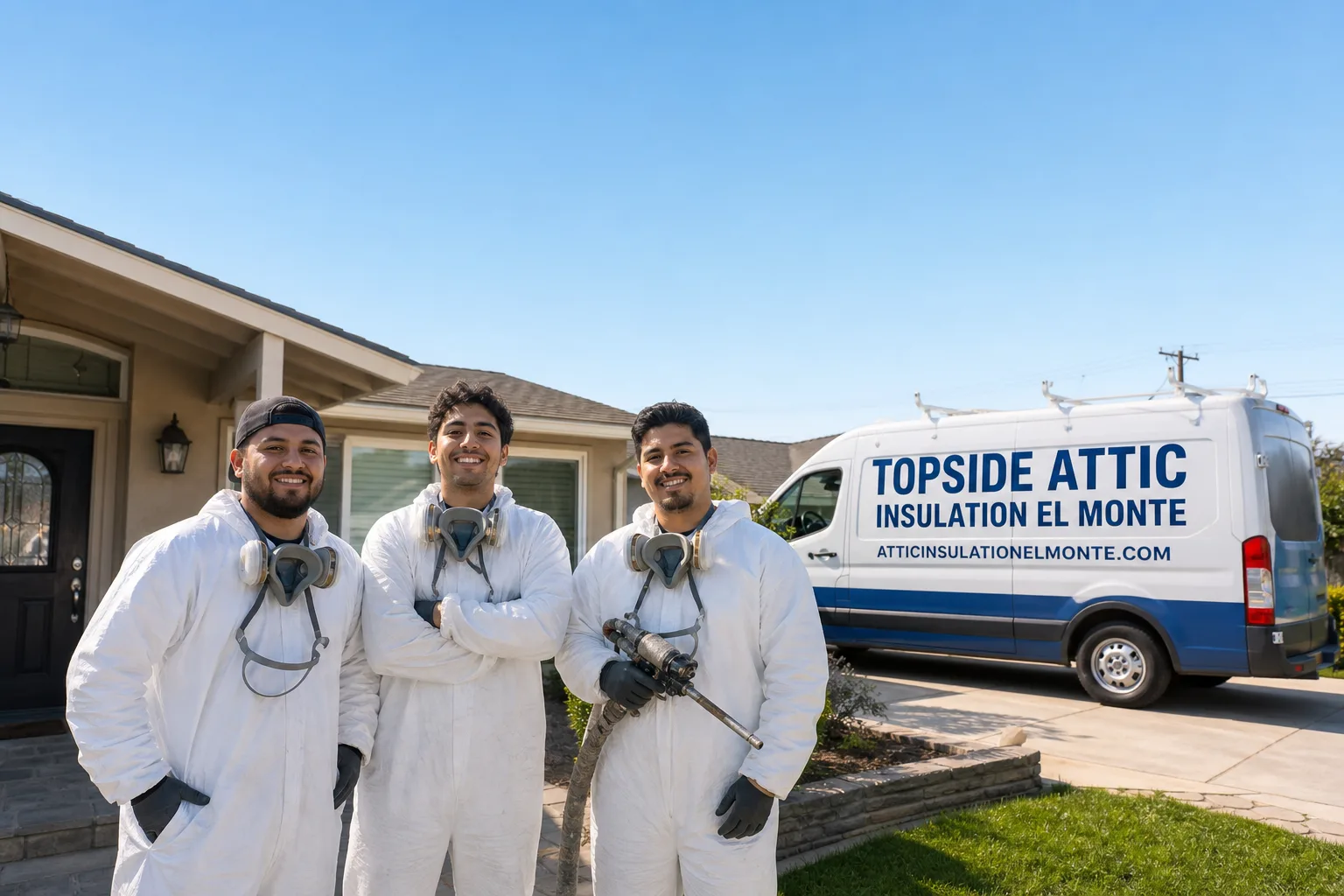
Fast, Reliable Spray Foam Insulation Across Whittier
Spray foam insulation in Whittier typically costs $2.80-$6.50 per square foot installed, with most whole-attic jobs running $3,200-$7,800 and rim-joist sealing in a typical crawl space or basement perimeter at $1,800-$3,400. We’re usually on-site in Whittier within 24-48 hours of your call, and same-day assessments are common for urgent comfort or moisture issues. Our crews know the difference between a 1920s Craftsman near Uptown with hollow post-earthquake walls and a 1960s ranch off Whittier Boulevard with settled fiberglass batts - that local knowledge changes what we test, what we seal first, and what foam chemistry we specify. Call (626) 415-3454 for a written price before any work starts.
Why Topside Attic Insulation El Monte Is Whittier’s Preferred Spray Foam Insulation Company
We’ve sealed and insulated over 9,000 homes since 2016, and a significant share of those have been in Whittier’s older neighborhoods where the building envelope challenges differ materially from newer construction. Our Whittier customers leave reviews that specifically mention the blower-door numbers we publish - the pressurization readings that show, in one figure, how much conditioned air their home was losing before and after our crew finished.
Dispatch and scheduling are coordinated from our Los Angeles office, but crews serve Whittier locally with trucks stocked for same-day starts on approved jobs. We know Whittier’s permit requirements for insulation retrofits in historic districts, and we’ve worked with enough local homes to recognize the telltale signs of post-1987 earthquake repairs - the patched stucco, the mismatched drywall, the wall cavities that sound hollow when you knock.
Every job runs under The Haven Standard: written price, written scope, written warranty before anyone lifts a tool. Our 365-Day Done Right Promise applies in Whittier exactly as it does everywhere else - if it’s not done right, we make it right, and you have the documentation to prove what “right” meant.
Our Spray Foam Insulation Services in Whittier
Closed-Cell Spray Foam
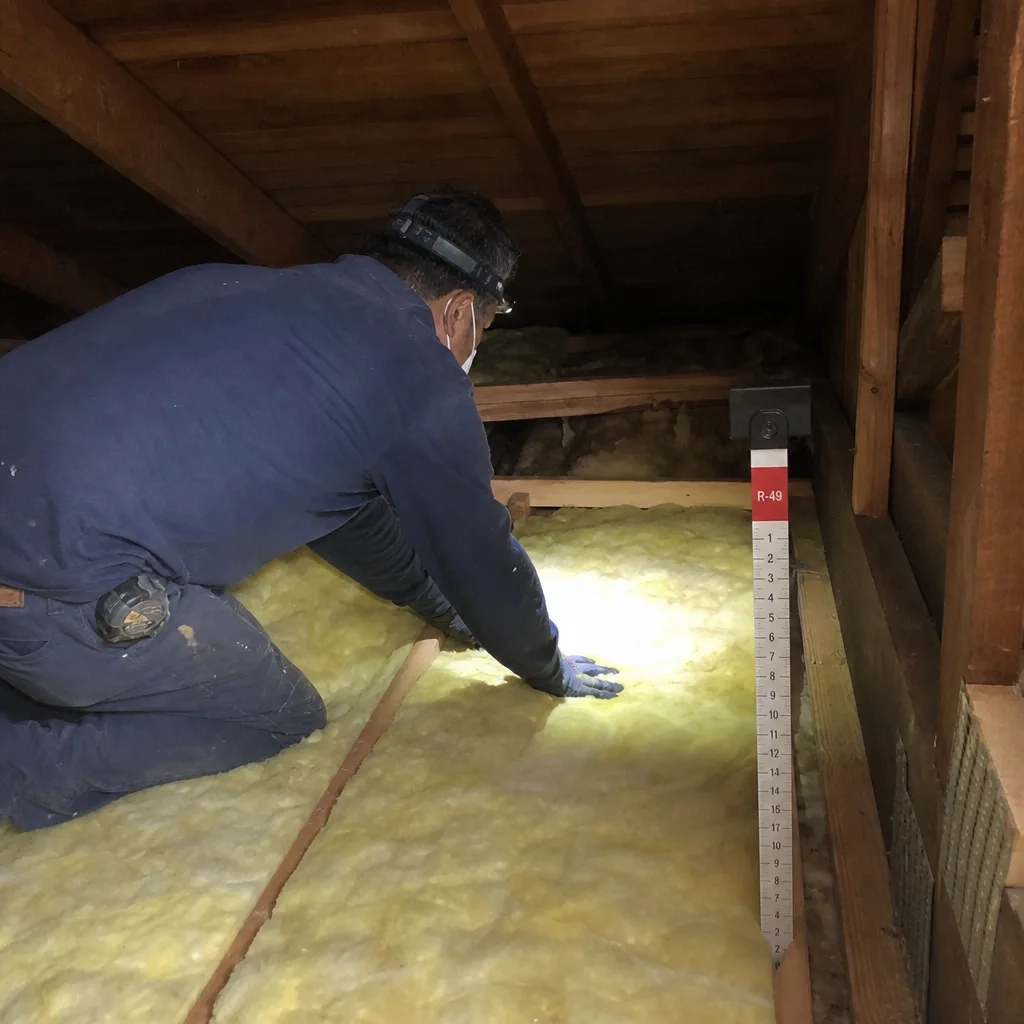
Closed-cell spray foam is our default specification for Whittier’s pre-1950 homes with hollow wall cavities - the rigid, high-density foam cures to R-6.5 per inch and adds structural rigidity to walls that may have been weakened by decades of Santa Ana wind infiltration or the 1987 earthquake itself. In a 1930s Spanish Colonial Revival home near Uptown Whittier, our crew recently injected closed-cell foam through small bore holes in walls that had been re-stuccoed after the Whittier Narrows earthquake but left completely empty inside. The homeowner immediately noticed a 15°F reduction in indoor temperature during a summer heatwave. Closed-cell also blocks moisture vapor, which matters in Whittier’s older crawl spaces where perimeter dampness is common.
Open-Cell Spray Foam
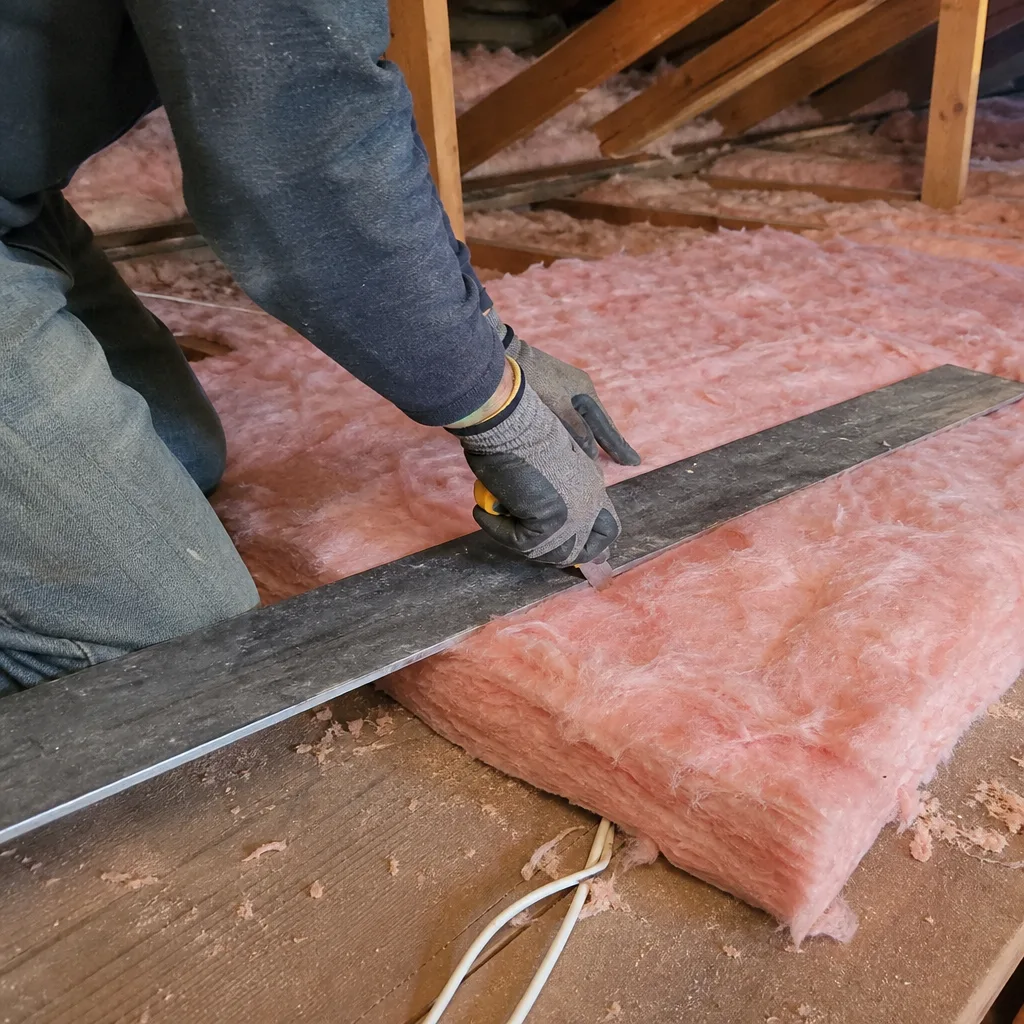
Open-cell spray foam runs R-3.6 per inch and remains slightly permeable to moisture vapor, making it appropriate for Whittier’s attic applications where you want the assembly to dry toward the interior. We specify open-cell for roof deck applications in homes with conditioned attics, particularly in the post-WWII ranch tracts east of Colima Road where original vented attics are being converted to sealed, conditioned space. The softer, more flexible cured material accommodates the thermal expansion and contraction that Whittier’s wider temperature swings - 10-15°F hotter than coastal Long Beach in summer - impose on roof assemblies.
Rim Joist Spray Foam
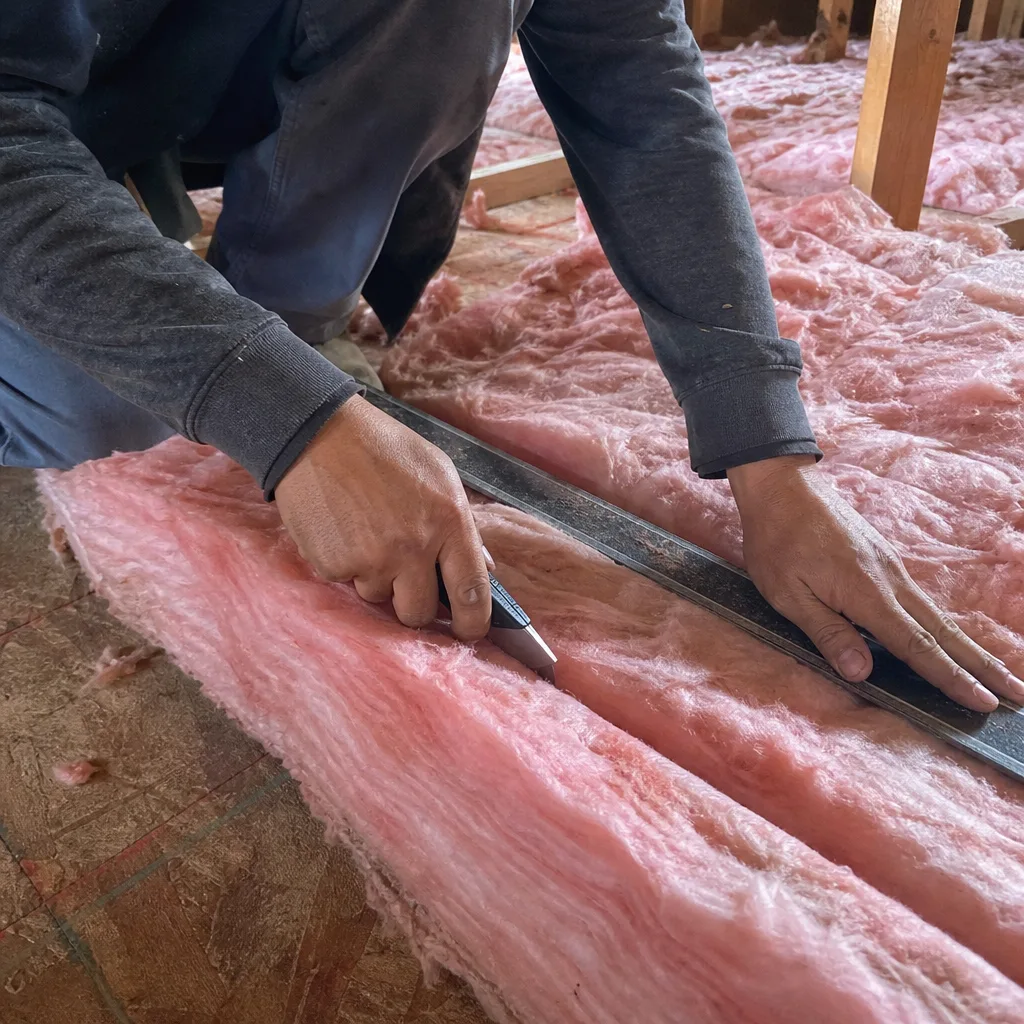
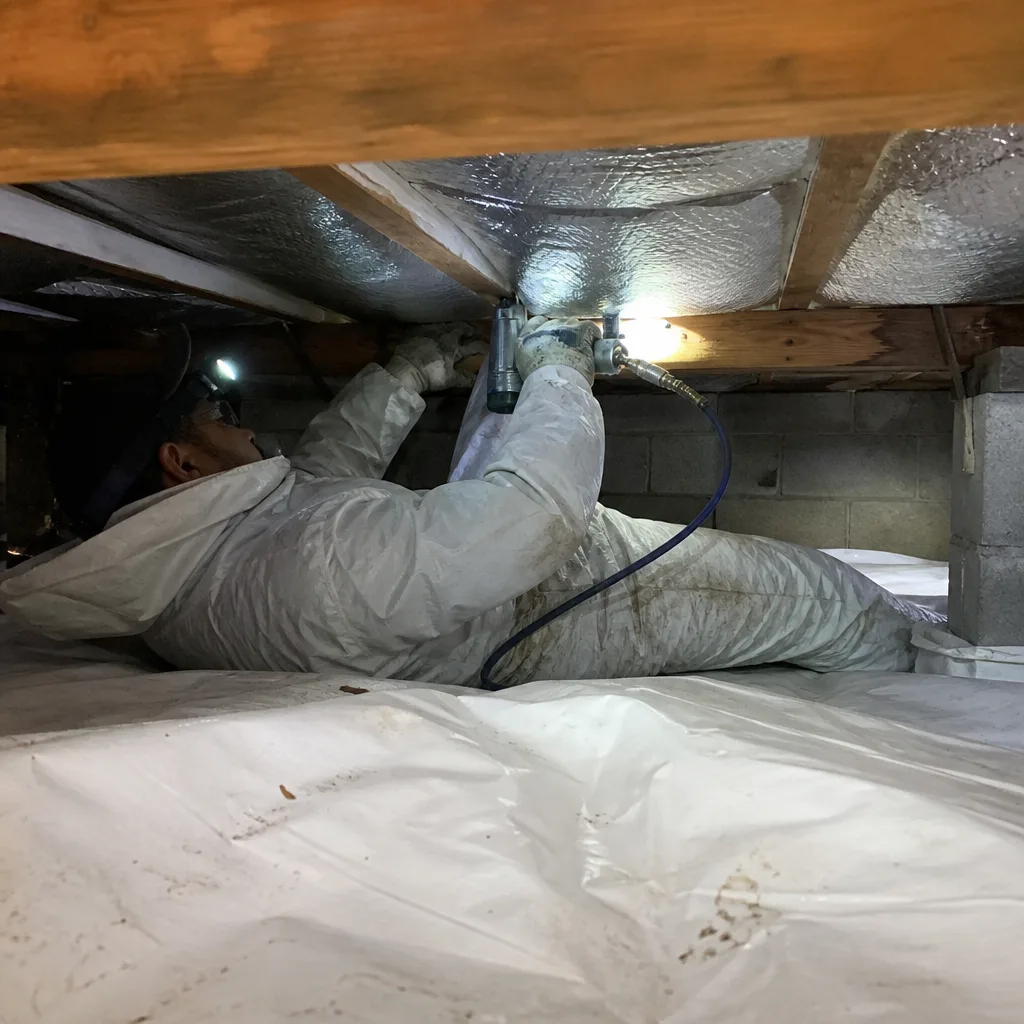
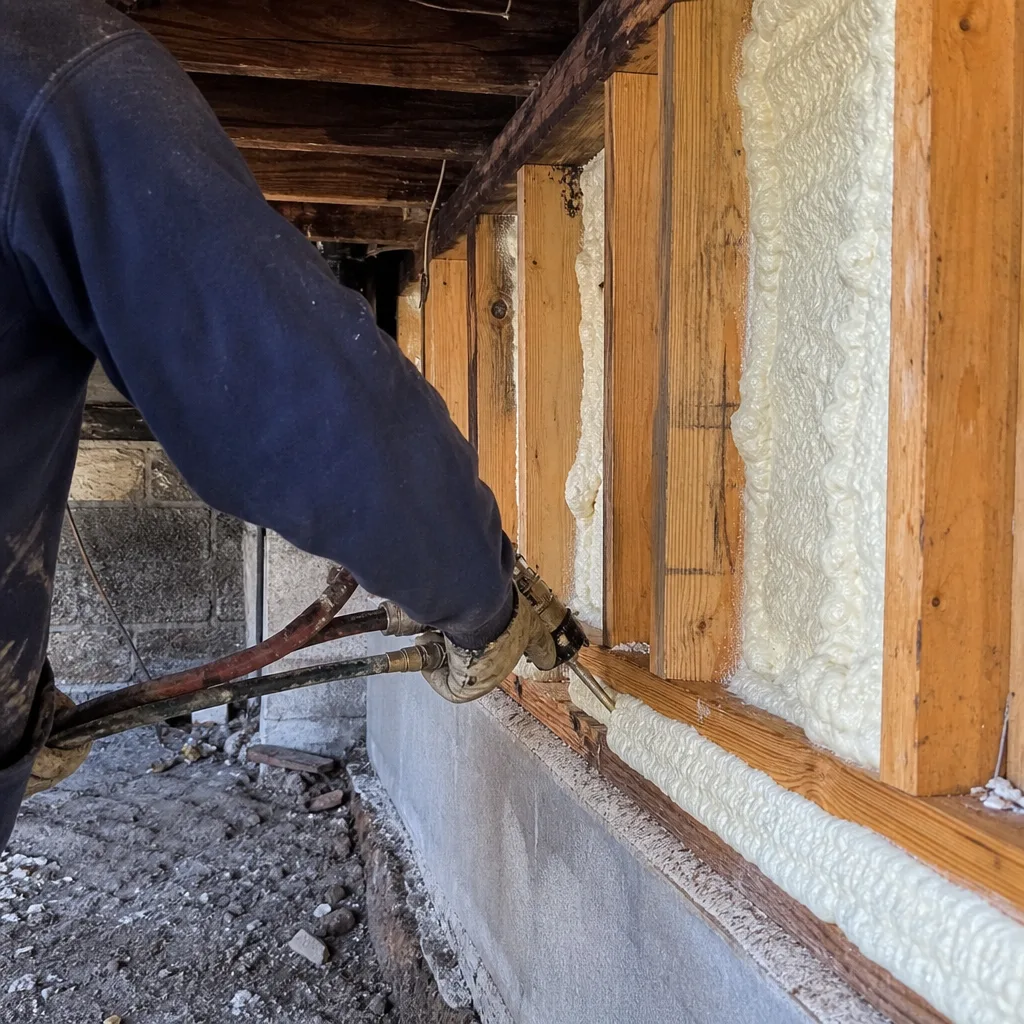
Rim joists are the perimeter band where your floor framing meets the foundation, and in Whittier they’re often the single largest unsealed gap in the building envelope. Santa Ana winds pressurize crawl spaces and basements, then drive conditioned air out through these gaps at surprising volume. Our crew seals rim joists with closed-cell spray foam after first inspecting for moisture intrusion - a common finding in Whittier’s older homes where perimeter drainage was never properly addressed. The foam bonds to wood, concrete, and existing framing irregularities, creating a continuous air barrier that blower-door testing can verify.
Garage Ceiling Spray Foam
Garage ceiling spray foam in Whittier addresses a specific local condition: attached garages with bedrooms above them, common in the city’s 1960s-1970s split-level and two-story additions. The unconditioned garage below acts as a thermal sink, and the ceiling plane is typically unsealed drywall with no insulation. We apply closed-cell spray foam to the garage ceiling underside, air-sealing around electrical and plumbing penetrations while adding R-value that keeps the floor above within the conditioned envelope. This is a frequent comfort complaint in Whittier’s eastern neighborhoods, where homeowners report cold floors in winter and bedrooms that overheat in summer despite central AC.
Spray Foam Roof Deck
Spray foam applied directly to the roof deck converts a vented attic into a conditioned, semi-conditioned, or unvented assembly - a retrofit we’re specifying more often in Whittier as HVAC equipment ages and homeowners consider moving ductwork out of the thermal extreme. The Puente Hills block the marine layer, so Whittier attics run hotter than coastal equivalents; a spray-foamed roof deck keeps ductwork and air handlers inside the thermal envelope, reducing cooling load and extending equipment life. We use open-cell for most roof deck applications in Whittier, with vapor-drive calculations to confirm the assembly will dry correctly.
What happens when you call
- 1
A real person answersNo phone trees - you reach a local pro.
- 2
You get an upfront price rangeHonest numbers before anyone is dispatched.
- 3
A background-checked tech heads outLicensed & insured, dispatched right away.
- 4
You approve before work beginsNothing starts until you say go.
 Before
 After
AfterTrusted Brands We Service in Whittier
We source spray foam materials from Owens Corning, Johns Manville, and Knauf - among others - with no proprietary product lock-in that would limit what’s specified for your particular Whittier home. Our trucks carry common densities and chemistries for same-day starts, and we maintain local supplier relationships that keep lead times short when a job calls for something specialized. The brand matters less than the installation: foam that’s sprayed too thin, too cold, or over an unsealed surface will underperform regardless of whose name is on the drum. We document every lift thickness with photos you receive in your Documented Photo Record.
Common Spray Foam Insulation Problems We See in Whittier Homes
- Hollow wall cavities behind post-1987 earthquake repairs. In Uptown Whittier and the historic district, we regularly find walls that were re-stuccoed or re-drywalled after the October 1987 Whittier Narrows earthquake but never insulated. Spray foam applied over these voids without injection through bore holes leaves air pockets that thermal imaging reveals immediately.
- Warped or damaged original wood framing. Pre-1950 Whittier homes often have studs that aren’t straight, plumb, or square. Spray foam adheres poorly to irregular surfaces, and the cured material can crack or delaminate where framing movement occurs. We assess framing condition before specifying foam thickness and chemistry.
- Santa Ana wind washing through unsealed rim joists and attic penetrations. Whittier’s exposure to Santa Ana events is more severe than coastal communities. Spray foam that stops at the attic floor, without extending to top plates, can lights, and duct penetrations, allows wind-driven infiltration to bypass the insulation entirely.
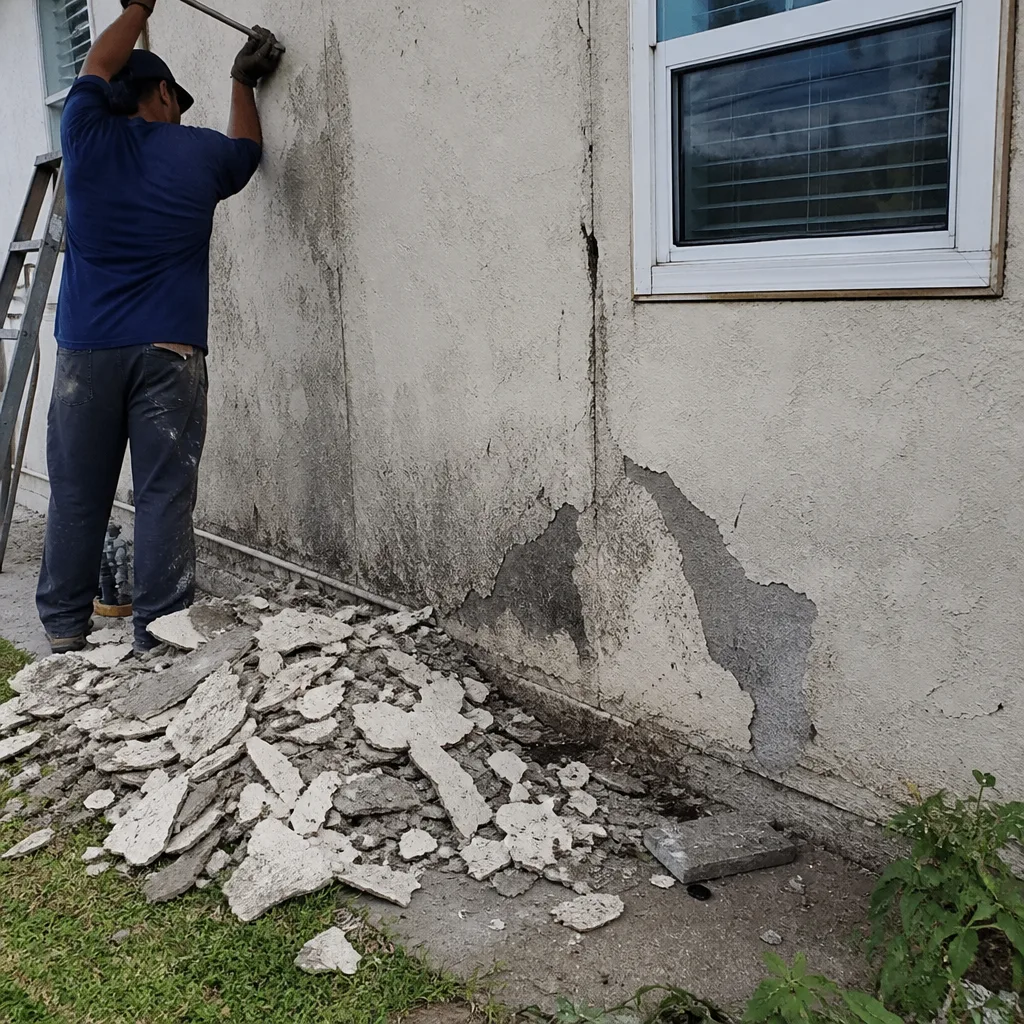
- Moisture-compromised crawl spaces. Whittier’s older homes with perimeter foundation planting often have chronic dampness at the rim joist. Spray foam applied over wet wood traps moisture and promotes decay. We test with moisture meters and specify drainage improvements or closed-cell vapor-impermeable foam as conditions require.
Pricing for Spray Foam Insulation in Whittier, CA
Most spray foam insulation jobs in Whittier fall within these ranges based on 2024-2025 local material and labor costs:
| Application | Typical Range | Notes |
|---|---|---|
| Open-cell attic (1,200 sq ft ceiling) | $3,200-$5,400 | Includes air sealing of top plates and penetrations |
| Closed-cell wall injection (small bore holes) | $4,800-$8,200 | Historic Uptown homes with hollow post-earthquake cavities |
| Rim joist sealing (typical perimeter) | $1,800-$3,400 | Crawl space or basement; moisture remediation extra |
| Garage ceiling (2-car, drywall underside) | $2,400-$4,100 | Closed-cell; includes penetration sealing |
| Roof deck (open-cell, conditioned attic) | $5,600-$9,800 | Varies with pitch complexity and accessibility |
What moves the number: accessibility (steep roofs, tight crawl spaces), the extent of pre-foam air sealing required, whether existing insulation must be removed first, and whether moisture remediation is needed before foam can adhere properly. We provide a written price before any work starts - Haven Standard Clause 1 - and a Free Second Opinion on any competing written estimate. Call (626) 415-3454 for an exact quote; estimates are free.
We Also Serve Cities Near Whittier
Our Spray Foam Insulation crews work throughout the San Gabriel Valley, including Whittier and the surrounding communities of Rosemead, El Monte, La Puente, and Monterey Park. Building age, housing stock, and local climate conditions vary across these cities, and we adjust our specifications accordingly - the same documentation, the same written price guarantee, the same blower-door verification where applicable.
Serving Whittier, CA - Our Local Coverage Area
We’re based in the Whittier area and know this community well. Use the map below to see our service coverage - if you’re nearby, we can almost certainly help.
FAQs - Spray Foam Insulation in Whittier
Spray foam insulation benefits older Whittier homes because it can be injected into hollow wall cavities without removing historic stucco or drywall, adding both air sealing and R-value where none exists. The 1920s-1940s Craftsman and Spanish Colonial Revival homes in Uptown were built before California had thermal envelope standards, and many were re-clad after the 1987 earthquake with their cavities left empty. Closed-cell spray foam through small bore holes fills these voids completely, stops Santa Ana wind infiltration, and adds structural rigidity to walls that have been thermally and structurally compromised for decades. Call (626) 415-3454 for a free assessment of your Uptown home’s wall cavities.
The 1987 earthquake led to widespread re-stuccoing and re-drywalling in Whittier’s historic core, and contractors at the time rarely insulated the wall cavities they exposed. Today, this means insulation contractors in Whittier routinely discover hollow walls that appear finished from the exterior but contain no thermal or air barrier. Our crew tests for this condition with thermal imaging and bore-scope inspection before specifying spray foam; injecting foam without confirming cavity continuity wastes material and leaves cold spots. The earthquake repair legacy makes Whittier’s insulation retrofit approach distinct from neighboring cities with similar housing ages but different repair histories. We document cavity conditions with photos you receive in your record.
Yes, spray foam insulation can be applied to historic stucco walls in Whittier through injection from the interior or small bore holes drilled through the stucco that are later patched to match. Our crew recently worked on a 1930s Spanish Colonial Revival home near Uptown where post-1987 earthquake stucco repairs had left the walls empty; we injected closed-cell spray foam through small bore holes, sealed air leaks, and added R-value without removing the historic stucco. The key is confirming cavity continuity first, then specifying closed-cell foam that cures rigid enough to provide structural benefit without expanding enough to stress fragile lath or stucco. We provide a written scope detailing bore hole placement and patching before any work starts.
We specify from Owens Corning, Johns Manville, and Knauf depending on the application: closed-cell for Whittier’s hollow wall cavities and rim joists where vapor impermeability and rigidity matter; open-cell for roof decks and some attic applications where vapor permeability supports assembly drying. Whittier’s climate - hotter than coastal equivalents due to the Puente Hills blocking the marine layer, with Santa Ana wind events that stress air barriers - favors closed-cell in below-grade and wall applications where infiltration pressure is highest. No single brand is right for every Whittier home; we select based on density, R-value, vapor permeance, and the specific failure mode we’re addressing. Your written scope names the product and why it was specified.
Spray foam insulation stops Santa Ana wind infiltration by creating a continuous air barrier at the building envelope’s weakest points: rim joists, top plates, attic penetrations, and wall cavities. Whittier’s exposure to Santa Ana events is more severe than coastal communities because the Puente Hills accelerate and funnel winds through the city’s older neighborhoods. Unsealed, uninsulated wall cavities act as bellows, pumping conditioned air out and hot, dry air in. Closed-cell spray foam bonds to irregular framing and cures rigid, eliminating the gaps and cracks that winds exploit. We verify the result with before-and-after blower-door testing - a pressurization measurement that shows, in one number, how much air your home was losing before and after sealing. Call (626) 415-3454 to schedule blower-door testing and see your home’s current infiltration rate.
Written by Wes Okafor, Owner at Envelope Insulation Co., serving Whittier since 2016.