
Last updated September 24, 2026
DIY vs Professional Insulation: The El Monte Homeowner’s Decision Guide
A homeowner can legally add blown insulation to their own attic in California without a contractor license. What they cannot do is sign a CF2R compliance document or operate a calibrated blower-door - which means DIY insulation in El Monte produces a result with no third-party evidence it was done correctly. In the San Gabriel Valley’s inland climate, where summer attic temperatures routinely exceed 140°F and winter overnight lows dip into the 40s, insulation that looks thick on inspection can still leak conditioned air through gaps the eye misses. This guide draws the line at what DIY can and cannot verify, not at what it can physically do. You’ll learn exactly which tasks California law permits, what documentation protects your resale value, and where the rental-equipment math actually saves money versus where it creates hidden costs - plus links to more guides & resources.
Quick Answer
DIY insulation in El Monte makes financial sense only for adding depth to existing, clean attic insulation in an accessible space with no air sealing needed. For any job involving spray foam, cathedral ceilings, crawl spaces, or work that will be inspected at sale, professional installation pays for itself through code-compliant documentation, verified blower-door results, and warranty protection that transfers to the next buyer.
Table of Contents
- What California Law Allows Homeowners to Do Themselves
- The Blower-Door Problem: Why Pressure Measurement Matters
- The Rental Equipment Math: Real Costs for a 1,200 Sq Ft El Monte Attic
- Where DIY Makes Sense - and Where It Creates Risk
- The Documentation Gap: What DIY Cannot Produce and Why It Matters at Sale
- El Monte Climate and Code Context
- What a Professional Scope Includes That DIY Cannot Replicate
- Common Mistakes to Avoid
- When to Call a Professional
- Frequently Asked Questions
- The Bottom Line
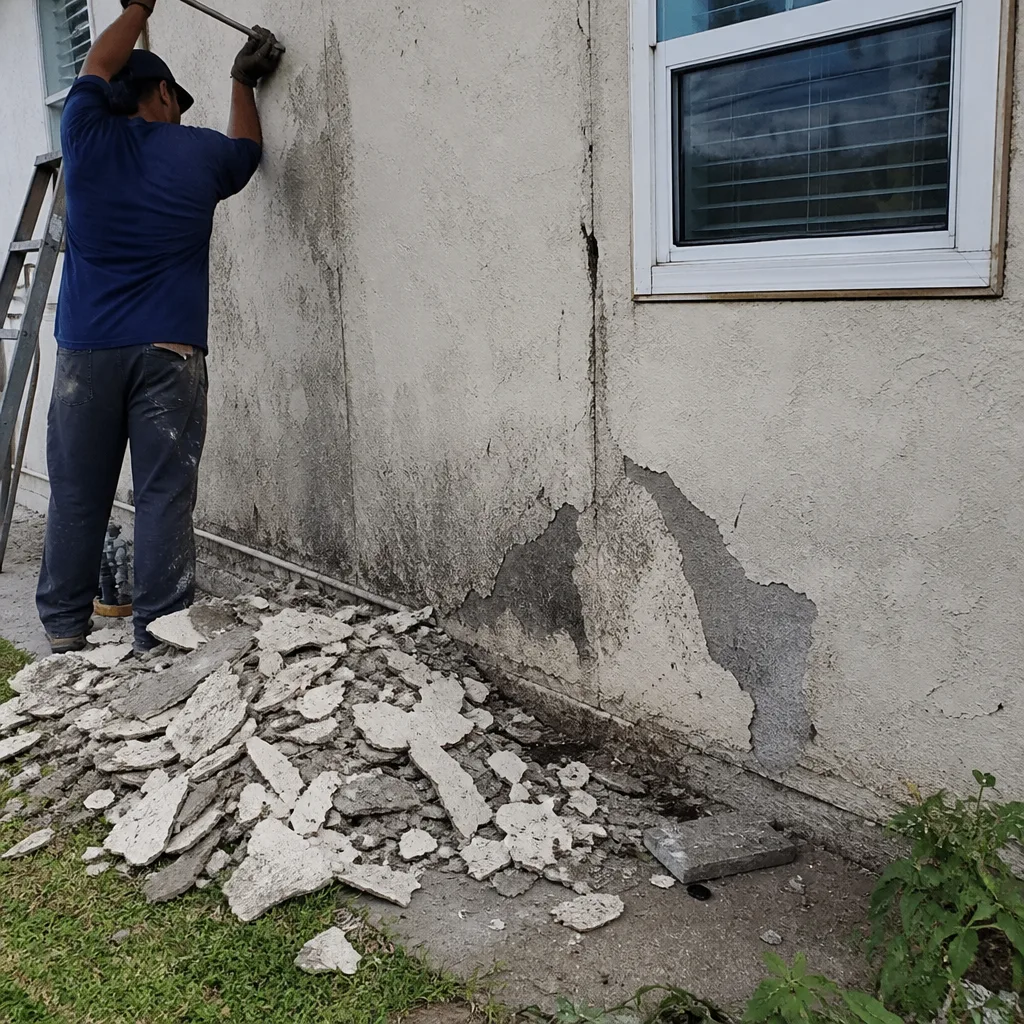 Before
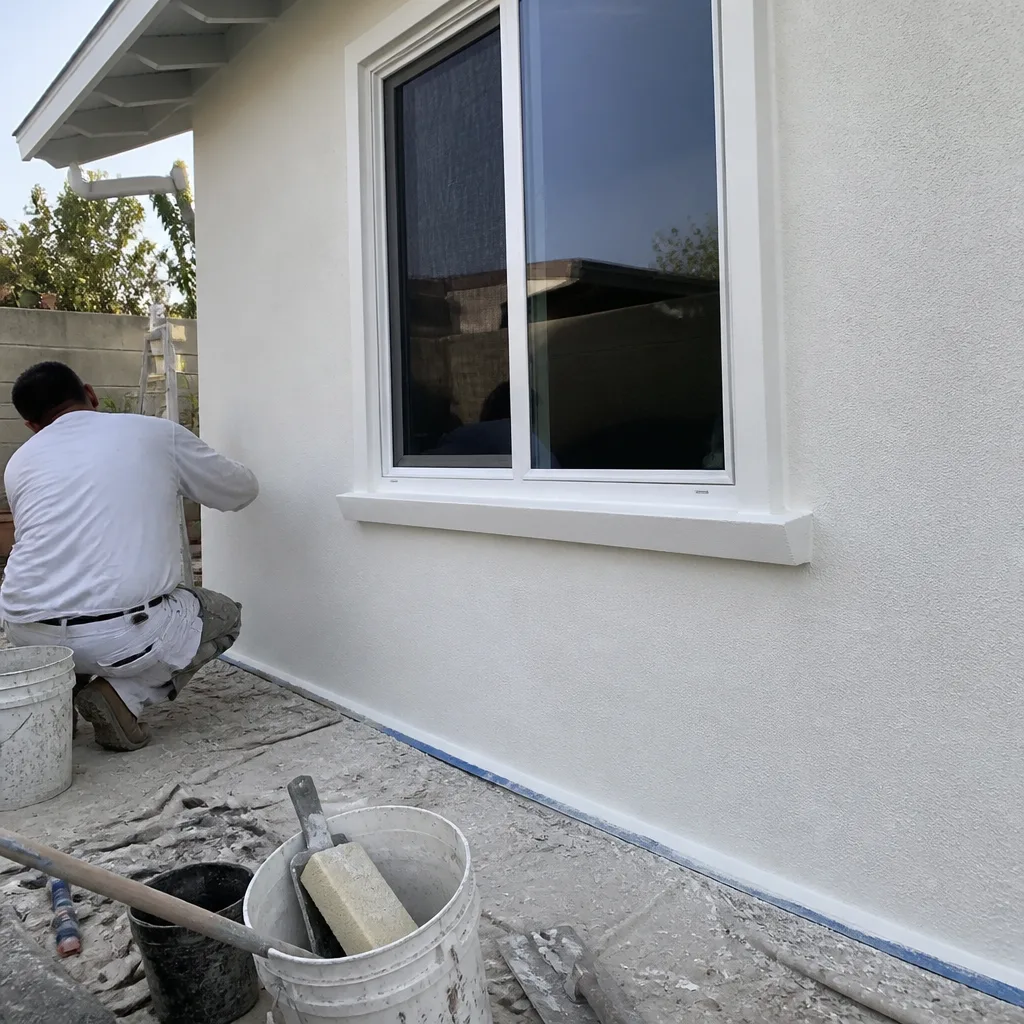 After
AfterWhat California Law Allows Homeowners to Do Themselves
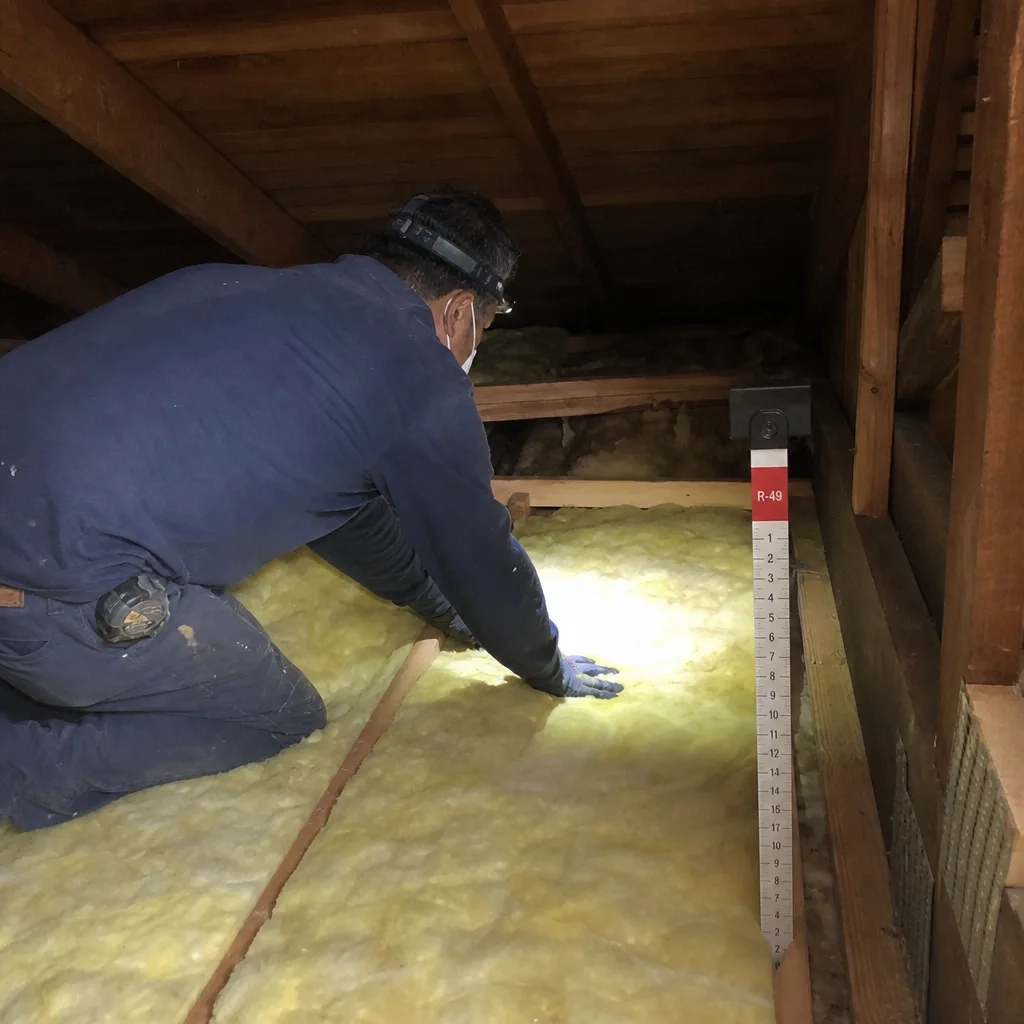
California Business and Professions Code Section 7044 sets the boundary clearly. An unlicensed homeowner may perform construction work on their own single-family dwelling without a contractor’s license, provided the work does not involve structural modifications, electrical, plumbing, or HVAC systems. Adding blown-in fiberglass or cellulose to an attic floor falls within this exemption. Removing old insulation and replacing it with new material of the same type also qualifies.
What crosses the line into licensed-contractor territory is anything that alters the building envelope’s pressure boundary or involves regulated materials. Spray foam insulation - whether open-cell or closed-cell - requires a C-2 Warm-Air Heating, Ventilating and Air-Conditioning license or a C-5 Framing and Rough Carpentry license when applied to structural cavities, per the Contractors State License Board. Crawl space encapsulation involving vapor barriers and conditioned-space conversion triggers similar licensing requirements. And any work that requires a building permit - which in El Monte includes insulation upgrades when they’re part of a larger remodel or when spray foam alters the thermal envelope - must be performed by or under the direct supervision of a licensed contractor. See Insulation Permits, Codes & Inspections in CA: What You Need to Know for details.
The CF2R form is where most DIYers discover the documentation wall. CF2R-ENV-ATT-01 is the California Energy Commission’s compliance document for attic insulation. It certifies that insulation meets Title 24, Part 6 standards for R-value, installation grade, and - critically - air sealing integration. Only a certified HERS rater or the licensed contractor who performed the work can sign this form. A homeowner’s signature has no legal weight. Without it, the insulation upgrade cannot be documented for energy-code compliance, which becomes relevant if the home is ever part of a HERS-verified energy-efficient mortgage, a PACE financing program, or a green-building certification.
In El Monte’s 91732 and 91731 ZIP codes, where postwar tract homes from the 1950s and 1960s dominate the housing stock, we’ve seen this issue surface repeatedly during pre-sale inspections. A homeowner adds insulation in 2019, sells in 2024, and the buyer’s inspector notes the attic work with no permit pull and no CF2R on file. The result: either a price concession or a rushed professional reinspection that costs more than the original DIY job saved.
The Blower-Door Problem: Why Pressure Measurement Matters
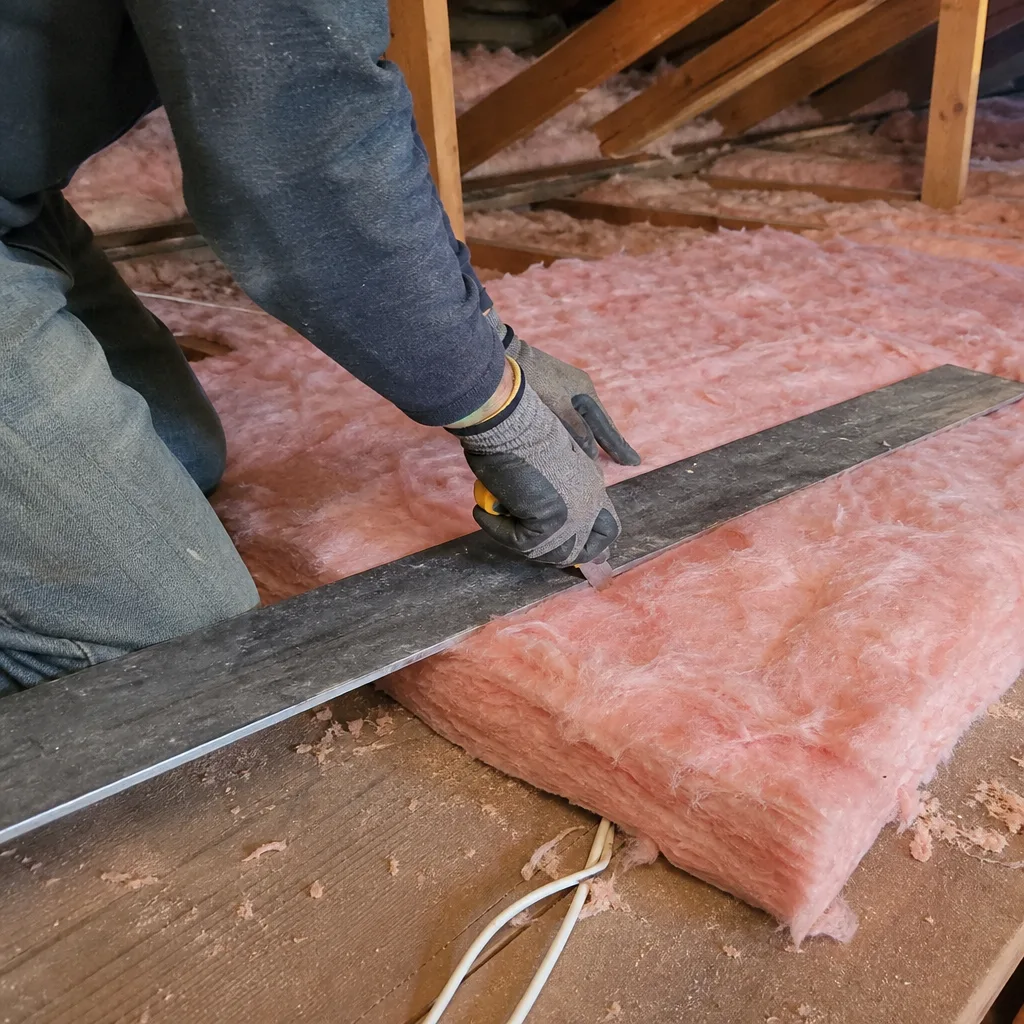
Air sealing and insulation are sequential operations, not alternatives. Insulation slows heat transfer; air sealing stops conditioned air from escaping through gaps. In our experience across El Monte and the broader San Gabriel Valley, attics with generous insulation depth but unsealed top plates, can-light penetrations, and chimney chases perform worse than attics with moderate insulation and thorough air sealing. The difference shows up on a blower-door test - a pressurization reading that shows, in one number, how much air your building envelope is losing.
A calibrated blower door consists of a powerful variable-speed fan mounted in an adjustable frame that fits a standard exterior doorway, plus pressure gauges that measure the pressure differential between inside and outside. The technician depressurizes the house to -50 Pascals, then reads the airflow in cubic feet per minute at that pressure (CFM50). A typical 1,200 square foot El Monte home from the 1950s might test at 3,500-4,500 CFM50 before any work. After comprehensive air sealing and insulation, that same home often tests at 1,800-2,400 CFM50. The number is unambiguous. It does not depend on visual inspection skill or the installer’s optimism.
DIY insulation has no access to this measurement. Rental equipment companies do not offer blower-door rentals to homeowners; the equipment requires certification to operate and interpret. A homeowner could hire a HERS rater independently to test after their DIY work, but this creates a scheduling and coordination problem. The rater cannot sign the CF2R for work they did not witness, so the test becomes informational only, not compliance documentation. The cost: $400-$700 for a standalone blower-door test in the Los Angeles basin, versus inclusion in a professional scope that also delivers the work itself.
We’ve published before-and-after blower-door numbers on every applicable job since 2016. A typical attic insulation in El Monte project might show 4,200 CFM50 before sealing and 2,100 after - a 50% reduction in envelope leakage that the homeowner can verify independently. No DIY installation produces this documentation.
The Rental Equipment Math: Real Costs for a 1,200 Sq Ft El Monte Attic
For a detailed Insulation Cost Breakdown: The El Monte Homeowner’s Reference for 2026, the rental counter at most Los Angeles-area home improvement stores quotes an insulation blower at $75-$125 per day, with a mandatory minimum cellulose purchase of 20 bags at roughly $12-$15 per bag. For a 1,200 square foot attic with existing insulation at R-19, bringing the total depth to R-38 (the current Title 24 prescriptive requirement for El Monte’s climate zone) requires approximately 30-35 bags of cellulose or equivalent fiberglass. The material cost runs $360-$525. Add the rental, and the DIY total lands at $435-$650.
Here’s what that math omits:
- Excess material: The 20-bag minimum often leaves homeowners with 5-10 unused bags that stores rarely accept for return. At $12-$15 per bag, that’s $60-$150 in stranded cost.
- Prep time: Moving stored items, laying walk boards, installing baffles at eaves to maintain soffit ventilation - this adds 4-6 hours before the blower arrives.
- Cleanup and disposal: Old insulation removal, if needed, requires separate bagging and disposal fees. Los Angeles County transfer stations charge $45-$65 per ton for construction debris; a typical attic yields 500-800 pounds.
- Personal protective equipment: Respirator rated for fine particulates ($25-$40), coveralls, eye protection, and headlamp - necessary for safe work in a 140°F attic.
A professional installed price for the same scope - adding R-19 equivalent to existing insulation, with air sealing of top plates and penetrations, plus cleanup - typically runs $1,800-$2,800 in El Monte’s market. The delta is $1,150-$2,365. But that professional price includes the blower-door test, the CF2R documentation, the 365-Day Done Right Promise, and a warranty that transfers to the next owner. For homeowners who plan to sell within five years, the documentation value often erases the price gap entirely.
Where DIY does save unambiguously: adding 6-10 inches of blown fiberglass to an attic that already has clean, undisturbed insulation at R-19 or better, with no air sealing needed, no old material to remove, and no sale timeline that requires documentation. This describes perhaps 15% of El Monte homes we’ve assessed - typically newer construction in the northern 91732 area built after 1990 with adequate initial insulation and simple rooflines.
Where DIY Makes Sense - and Where It Creates Risk
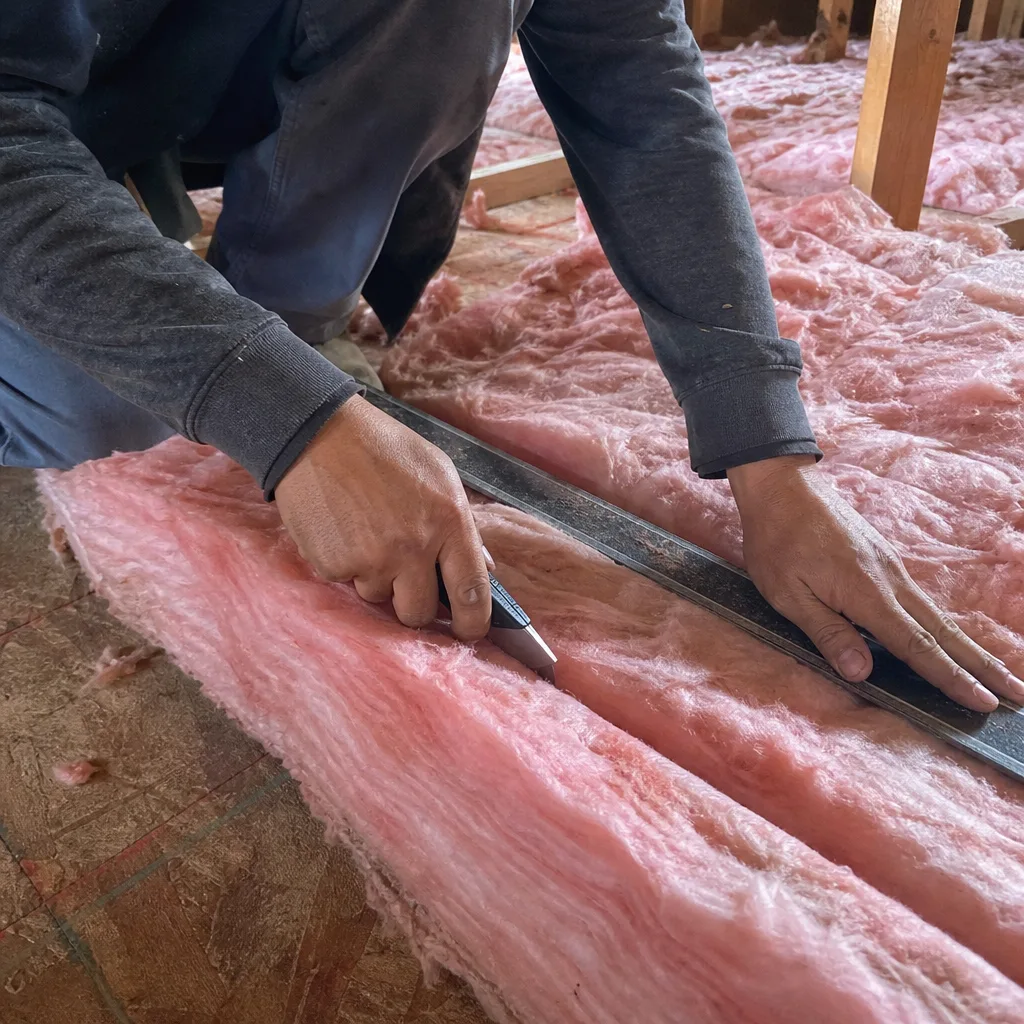
The decision framework is not skill-based. Most homeowners can learn to operate a rental blower in 30 minutes. The dividing line is verification - whether the work can be confirmed to specification without professional tools.
DIY-Appropriate Scenarios
- Attic floor, open blow, no air sealing needed: Existing insulation is clean, dry, and uniformly distributed. The attic has no recessed can lights, no HVAC ducts in the attic space, and no chimney or plumbing penetrations requiring fire-rated sealant. The roof has simple gable or hip geometry with continuous soffit vents and a ridge vent.
- Material addition only: The goal is to increase R-value from current code-minimum to above-code comfort, not to remediate a performance problem. The homeowner has verified through utility bills that energy costs are reasonable and the issue is purely thermal comfort in extreme weather.
- No near-term sale planned: The homeowner intends to occupy the home for 10+ years and has no need for transferable documentation or code-compliance certification.
High-Risk DIY Scenarios
- Cathedral ceilings: These assemblies have no attic space; insulation must be installed in the rafter bays with precise ventilation channel maintenance. Dense-pack cellulose in a cathedral ceiling requires specialized equipment and knowledge of moisture-drive physics. A mistake here traps moisture, rots sheathing, and requires roof replacement.
- Spray foam of any type: Open-cell and closed-cell polyurethane foams require precise temperature, humidity, and mixing-ratio control. Off-ratio foam crumbles, shrinks, or emits odors for years. Professional applicators use real-time monitoring equipment; DIY kits lack this capability.
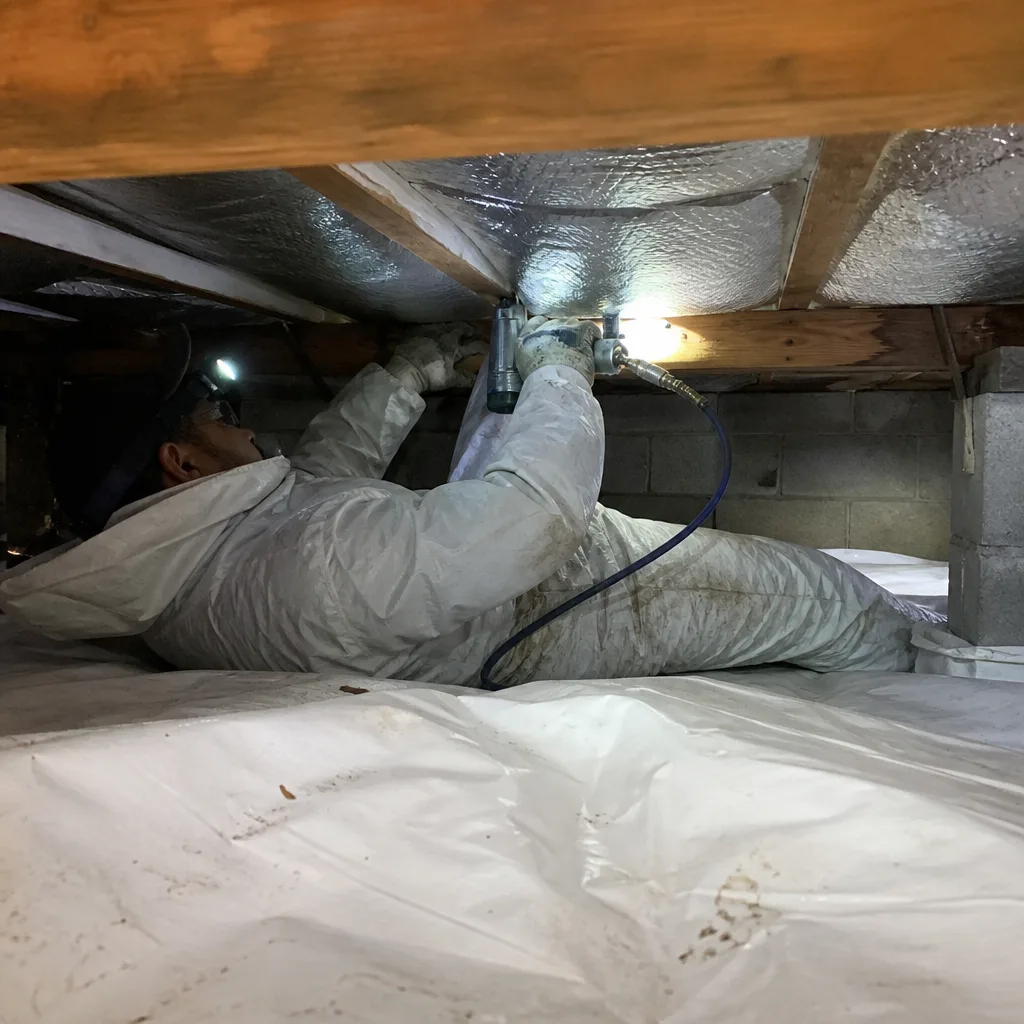
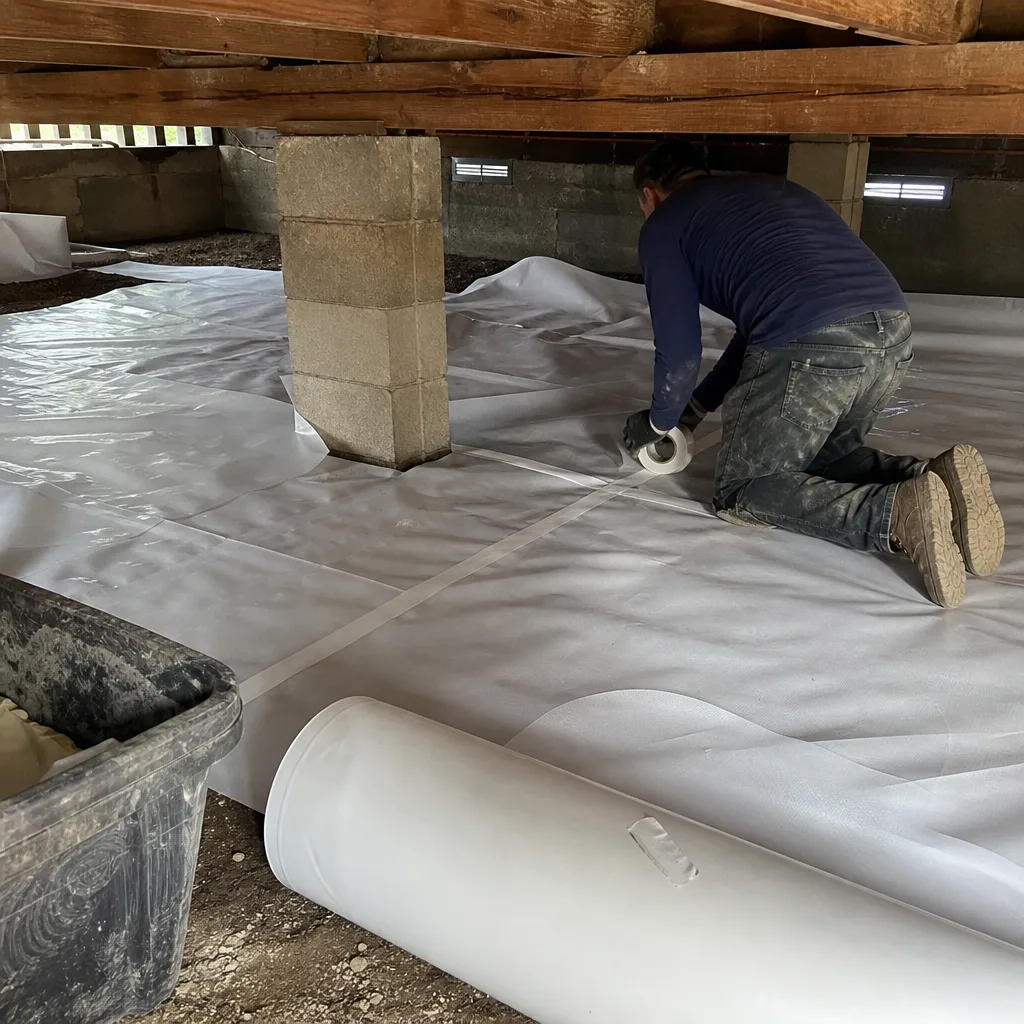
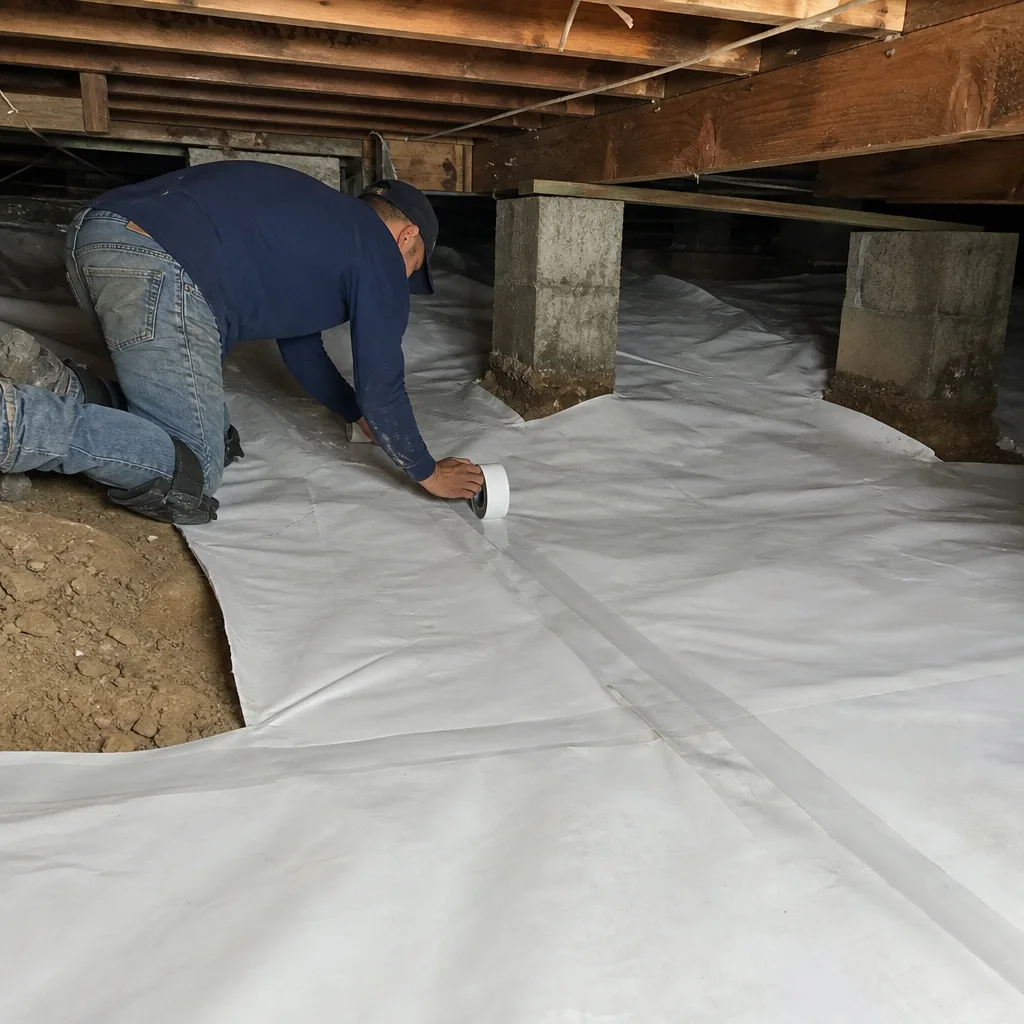
- Crawl space encapsulation: Vapor barrier installation, conditioned-space conversion, and dehumidification sizing require understanding of ground moisture dynamics and code-compliant mechanical ventilation. Crawl space encapsulation & vapor barrier in El Monte is a professional scope for good reason.
- Pre-sale preparation: Any insulation work performed within three years of anticipated sale should produce documentation a buyer’s inspector can verify. DIY work without permits or CF2R forms becomes a liability in negotiation.
In El Monte’s older neighborhoods south of the 10 Freeway - areas like the residential tracts near Peck Road and Lower Azusa - homes from the 1940s and 1950s often have knob-and-tube wiring remnants, irregular attic framing, and multiple generations of partial insulation. These attics look simple from the hatch but present electrical, structural, and air-sealing complexities that reward professional assessment.
The Documentation Gap: What DIY Cannot Produce and Why It Matters at Sale
El Monte’s real estate market has shifted in ways that expose undocumented insulation work. Buyer home inspections now routinely include attic checks, and some lenders for energy-efficient mortgages require HERS verification. The documentation gap between DIY and professional work is not abstract; it appears in specific forms that buyers and their agents recognize.
The CF2R-ENV-ATT-01: As noted, only a certified HERS rater or licensed contractor can sign this California Energy Commission form. It certifies R-value, installation grade (whether insulation fills cavities uniformly or has voids), and integration with air sealing. Without it, a buyer’s agent cannot represent the insulation as code-compliant.
Permit history: El Monte Building & Safety maintains records accessible through the city’s online permit portal. A permit pull for insulation work, with final inspection sign-off, creates a permanent record. DIY work without a permit leaves no trace - which sounds like freedom until a buyer’s inspector asks why the attic insulation looks newer than the home’s other systems with no corresponding permit.
Transferable warranty: Professional insulation work from an established contractor carries a warranty that transfers to subsequent owners. Our 365-Day Done Right Promise applies to the work, not the person; a new owner can invoke it if problems emerge. DIY work has no warranty, no recourse, and no party to contact if the insulation settles, compresses, or proves inadequate.
Photo documentation: We deliver a Documented Photo Record on every job - before, during, and after images with timestamps. This record shows insulation depth, baffle placement, sealed penetrations, and clearance around heat-producing fixtures. A DIY installation has no comparable record unless the homeowner is unusually meticulous, and even then, the images lack the contractor’s credibility in a dispute.
The financial impact at sale is difficult to quantify precisely but easy to illustrate. A 2024 transaction in El Monte’s 91732 ZIP code involved a home where the seller had added attic insulation DIY in 2021. The buyer’s inspector flagged the work as “appears professionally installed but no permits or documentation on file.” The seller faced a choice: accept a $3,000 price reduction, or pay $1,800 for a professional reinspection, permit pull, and CF2R filing retroactively. The retroactive route cost more than professional installation would have in 2021.
El Monte Climate and Code Context
El Monte sits in California Climate Zone 10, a hot-dry inland basin with significant marine influence moderation compared to the Mojave Desert but still demanding for attic thermal performance. Title 24, Part 6 prescribes R-38 for attic floor insulation in new construction and R-30 for alterations where existing insulation is present. These are minimums; performance modeling often shows R-44 to R-49 as cost-effective for homes with air conditioning loads typical of El Monte’s July and August weather.
The local climate creates specific risks for improper installation. Summer attic temperatures above 140°F can degrade certain insulation materials if installed with inadequate clearance around recessed lighting or exhaust fan housings. The temperature differential between attic and conditioned space drives powerful stack effect pressure in winter, pulling conditioned air upward through any unsealed penetration. El Monte’s occasional Santa Ana wind events pressurize building envelopes from the exterior, testing seal quality in ways that mild climates do not.
Local code enforcement has tightened since the 2019 Title 24 update. El Monte Building & Safety now requires HERS verification for insulation upgrades that are part of any project triggering mandatory measures - which includes most HVAC replacements and significant envelope alterations. A standalone insulation addition may not require HERS, but if the work is ever questioned, the absence of documentation becomes the homeowner’s burden to resolve.
Neighborhood context matters too. The older homes south of Valley Boulevard, built before widespread air conditioning, often have no attic ventilation designed for modern insulation depths. Adding insulation without assessing ventilation adequacy can create moisture problems. The newer construction north of the 10, including areas near the Whittier Narrows Recreation Area, typically has better initial envelope performance but may have been built to pre-2019 code standards that underperform current requirements.
What a Professional Scope Includes That DIY Cannot Replicate
A professional insulation scope from Topside Attic Insulation El Monte home begins with assessment, not material delivery. The sequence matters because the diagnosis determines the treatment.
Step 1: Blower-door baseline. We test before any work to quantify envelope leakage. The number establishes a performance target and identifies whether air sealing or insulation should be prioritized.
Step 2: Attic inspection with photo documentation. We photograph existing insulation depth and condition, identify penetrations requiring sealant, check for proper soffit baffles, and note any electrical or structural hazards. The homeowner receives these images before work begins.
Step 3: Written scope and price. Under Haven Standard Clause 1, we deliver a flat price, written scope, and written warranty before anyone lifts a tool. No work starts without this document.
Step 4: Air sealing before insulation. Top plates, wire and pipe penetrations, can-light covers, chimney chases, and duct boot connections receive fire-rated sealant or pre-formed covers as appropriate. This is never an upsell; it is prerequisite work.
Step 5: Insulation installation to specified depth. We use materials from established manufacturers - Johns Manville, Knauf, Rockwool, or CertainTeed depending on the application - installed with depth markers visible for inspection.
Step 6: Blower-door verification. On applicable jobs, we test after work to confirm leakage reduction. The before-and-after numbers are published to the homeowner’s record.
Step 7: Final documentation. CF2R filing where required, permit final inspection, photo record delivery, and warranty registration.
This sequence cannot be replicated DIY because the tools, certifications, and documentation authority are not available to homeowners. The cost difference is not merely labor; it is the cost of measurement, verification, and legal compliance.
For spray foam insulation in El Monte, the professional gap widens further. Spray foam requires precise substrate temperature control, real-time ratio monitoring, and post-installation thickness verification. Off-ratio or poorly adhered foam must be removed completely - a cost that dwarfs any DIY savings.
Common Mistakes to Avoid
- Blowing insulation over unsealed air leaks: In El Monte’s climate, this creates a filter effect - fiberglass or cellulose traps dust and debris at leak points, eventually creating visible stains that signal energy waste to any inspector.
- Blocking soffit vents with insulation: Attics need continuous ventilation from soffit to ridge. Insulation pushed into eave cavities without baffles chokes airflow, trapping moisture and voiding shingle warranties.
- Covering recessed can lights with non-IC-rated insulation: Older El Monte homes often have non-IC (insulation contact) rated fixtures that require clearance or retrofit covers. Covering them creates fire risk.
- Ignoring vermiculite insulation: Some pre-1990 El Monte homes have vermiculite attic insulation that may contain asbestos. Disturbing it without testing and abatement is hazardous and illegal.
- Assuming uniform depth equals uniform performance: Wind washing at eaves, compression from storage boards, and settling over time create invisible performance gaps that only pressure testing reveals.
- Skipping the permit for “minor” work: El Monte Building & Safety requires permits for insulation upgrades that alter the thermal envelope or exceed certain cost thresholds. Unpermitted work must be disclosed at sale and may trigger reinspection requirements.
When to Call a Professional
Call a professional when the job involves spray foam, cathedral ceilings, crawl spaces, old insulation removal, air sealing integration, or any work that will be inspected at sale. Not sure where to start? Read How to Hire a Insulation Contractor in El Monte: A Step-by-Step Guide. Call when you cannot verify the result with a blower-door test. Call when the attic contains electrical hazards, structural questions, or materials of unknown composition.
Topside Attic Insulation El Monte offers free estimates in El Monte - call (626) 415-3454. We’ll assess your attic, publish a written price before any work starts, and show you exactly what documentation you’ll receive. If you have a competing quote, bring it; we offer a Free Second Opinion on any written estimate and will read it with you line by line.
Frequently Asked Questions
Not for a standalone addition of blown or batt insulation to an existing attic floor in a single-family home. You do need a permit if the work is part of a larger remodel, involves spray foam that alters the thermal envelope, or exceeds El Monte’s cost threshold for minor work exemptions. Call El Monte Building & Safety at (626) 415-3454 to confirm for your specific scope. For a professional assessment that includes permit guidance, call us at (626) 415-3454 - estimates are free.
DIY blown-in insulation for a 1,200 sq ft attic runs $435-$650 including rental and material, but often leaves $60-$150 in excess material. Professional installation with air sealing, blower-door testing, and documentation typically runs $1,800-$2,800. The professional price includes verified performance, code-compliant documentation, and transferable warranty. For homes selling within five years, the documentation value often offsets the price difference. Call (626) 415-3454 for a written price on your specific home.
No - not in a way that produces code-compliant, warrantied results. Spray foam requires precise temperature, humidity, and chemical-ratio control that DIY kits cannot maintain. Off-ratio foam shrinks, crumbles, or emits persistent odors. In California, spray foam installation in structural cavities requires a licensed contractor. Spray foam insulation in El Monte should be performed by a professional with real-time monitoring equipment and manufacturer certification.
A blower-door test is a pressurization reading that shows, in one number, how much air your building envelope is losing. A calibrated fan and pressure gauges measure airflow at -50 Pascals, expressed as CFM50. The equipment requires certification to operate and interpret, and rental companies do not make it available to homeowners. A standalone HERS rater test costs $400-$700 in the Los Angeles basin but cannot certify DIY work for code compliance. Professional insulation scopes from Envelope include blower-door testing where applicable.
It depends on documentation. Undocumented DIY insulation becomes a liability when buyer inspections flag it as unpermitted or unverified. In El Monte’s market, where buyer home inspections now routinely include attic checks, insulation without CF2R forms or permit history can trigger price concessions or reinspection costs. DIY work with meticulous photo documentation and proper permits is less risky but still lacks the transferable warranty and verified performance numbers that professional work provides.
Air sealing is prerequisite, not optional. Insulation slows heat transfer through materials; air sealing stops conditioned air from moving through gaps. An attic with R-38 insulation but unsealed top plates and can-light penetrations can perform like R-19 or worse. In El Monte’s climate, where summer cooling loads are significant, air sealing typically delivers more comfort improvement per dollar than additional insulation alone. We never blow insulation over an unsealed attic floor - it’s the foundation of how we work.
You should receive a written scope, written price, written warranty, photo documentation of work, and - on applicable jobs - before-and-after blower-door numbers plus CF2R filing. Under Haven Standard, every job begins with a written price and ends with a documented record. Ask any contractor what you’ll hold in your hand when the crew leaves; if the answer is vague, keep looking. At Topside Attic Insulation El Monte, we deliver all of this on every job, no exceptions.
The Bottom Line
DIY insulation in El Monte is legally permitted, physically possible, and financially sensible in narrow circumstances: adding depth to clean, accessible attic insulation with no air sealing needed and no sale timeline requiring documentation. For everything else - spray foam, cathedral ceilings, crawl spaces, pre-sale preparation, or any job where performance verification matters - professional installation pays for itself through measurement, documentation, and warranty protection. The dividing line is not what a homeowner can do, but what they can prove. In a market where buyer inspections now routinely verify attic work, proof has become as valuable as the insulation itself.
Written by Wes Okafor, Owner at Topside Attic Insulation El Monte, serving El Monte since 2016.