
Crawl Space Insulation in El Monte, CA
Crawl space insulation in El Monte typically runs between $1,800 and $4,200 for a standard single-family home, depending on square footage, existing moisture conditions, and whether air sealing is needed first. Most jobs are completed in one day, and every one leaves the homeowner with a written price before the work starts, a documented photo record when the crew leaves, and – on applicable jobs – before-and-after blower-door readings so the result is measurable, not just claimed.
If your floors feel cold in January despite the heater running, or your energy bills climbed after you bought in South El Monte or the Garvey Avenue corridor, there’s a reasonable chance the crawl space under your home is doing almost nothing to resist heat loss. That’s the gap this service closes.
At Topside Attic Insulation El Monte, we’ve been doing this work under Envelope Insulation Co.’s Haven Standard since 2016 – independently owned and operated, with over 9,000 homes sealed and insulated and a written price on every single one before anyone lifted a tool. If you want an estimate now, call (626) 415-3454. A live person answers, not a voicemail queue.
Crawl space insulation is one component of a broader moisture and thermal control strategy. If you haven’t already read about the full service, the Crawl Space Encapsulation & Vapor Barrier in El Monte page explains how insulation, vapor barriers, and sealing work together – and why order of operations matters more than most contractors admit.
When You Need Crawl Space Insulation
Not every crawl space problem looks the same. These are the situations we see most often in El Monte homes – and the ones where proper insulation makes a measurable difference.
- Cold floors through winter, especially in older Craftsman and ranch-style homes near Ramona Boulevard. El Monte sits in the San Gabriel Valley, where winter nights drop into the low 40s and occasionally dip into the 30s. Without insulation between the floor joists, those temperatures transfer directly into living spaces. Radiant floor heaters and area rugs are band-aids; insulation is the fix.
- Energy bills that don’t match the square footage. A 1,400-square-foot home in El Monte with an uninsulated crawl space can lose 15 to 20 percent of its conditioned air through the floor assembly alone. If your utility costs feel out of proportion to how much you actually run the HVAC, the crawl space is a logical first place to look.
- Musty odors or humidity inside the home. Ground moisture in El Monte’s clay-heavy soils evaporates upward through unprotected crawl spaces. When that moisture reaches the subfloor, it feeds mold, degrades wood, and makes the interior smell stale. Insulation alone won’t stop this – the vapor barrier and air sealing have to go in first – but insulation is what holds the thermal boundary once the moisture source is controlled.
- HVAC ducts running through an uninsulated crawl space. This is common in El Monte homes built between the 1950s and 1980s. If your supply ducts are passing through a vented, uninsulated crawl space, the conditioned air inside them is losing temperature before it reaches your registers. Insulating the floor assembly – or in some cases, the crawl space walls – dramatically reduces this loss.
- Failed or missing existing insulation after a rodent intrusion. Rats and ground squirrels nest in fiberglass batts. Once the insulation is compressed and contaminated, it stops performing. El Monte sits near the Whittier Narrows and the Rio Hondo watershed, both of which feed rodent pressure into surrounding neighborhoods. If you’ve had an infestation, the insulation likely needs to come out and be replaced – not just patched.
- Recent home purchase with no documentation of crawl space condition. If you bought in El Monte in the last few years and haven’t had the crawl space inspected, there’s a reasonable chance the insulation – if it’s there at all – is original to the home. Pre-2000 fiberglass batts degrade, fall, and absorb moisture. A documented inspection tells you what’s actually under there before it becomes a larger problem.
Our Crawl Space Insulation Process
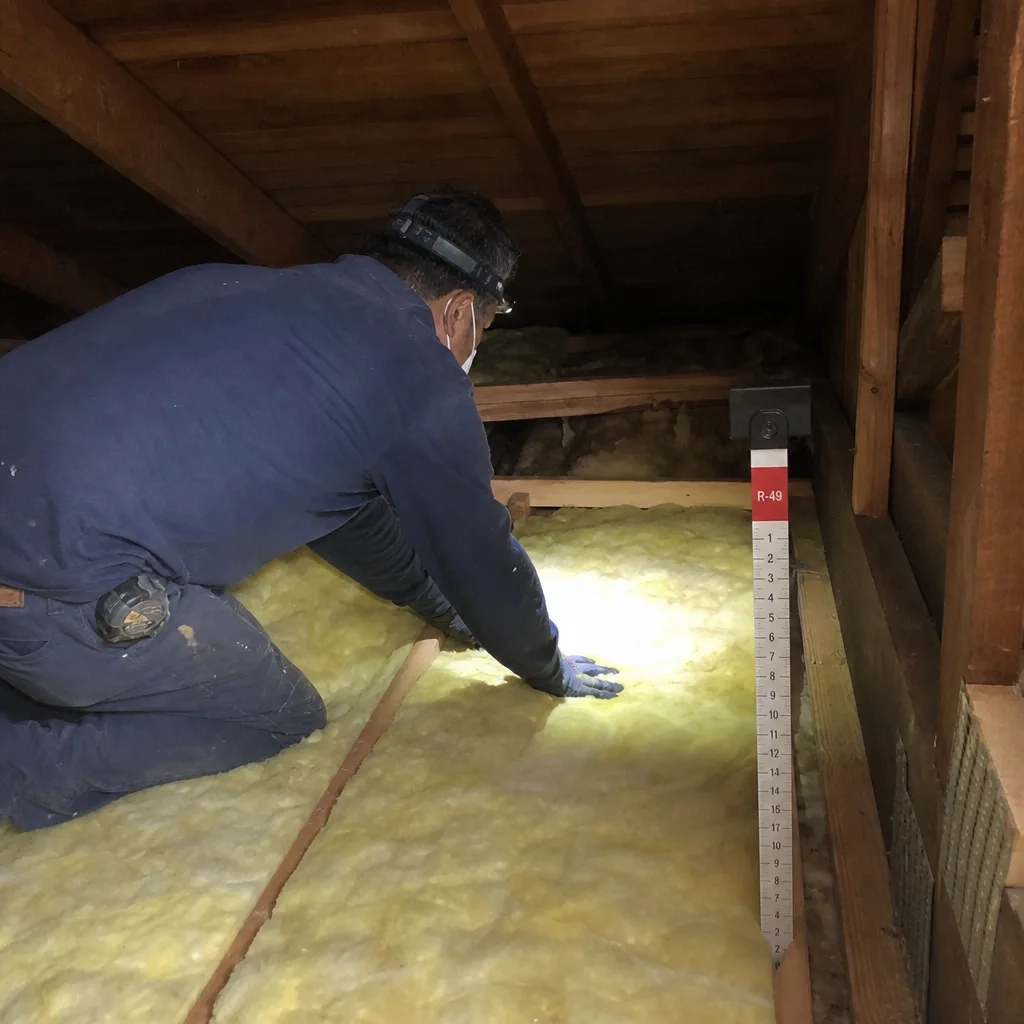
The sequence below is non-negotiable on every job we do. Air sealing comes before insulation. Always. Blowing new insulation over unsealed penetrations is one of the most common – and most expensive – mistakes in this trade, and it’s one we don’t make.
- Written scope and price before any work starts. Under Haven Standard Clause 1, you receive a flat written price and a written scope of work before anyone arrives with equipment. No verbal estimates, no ranges that expand on the day of service. The number you sign off on is the number on the invoice.
- Pre-job blower-door test and crawl space inspection. We take a baseline blower-door reading – a pressurization measurement that shows, in a single figure, how much conditioned air your home’s building envelope is losing – and document the crawl space condition with photos. This gives us (and you) a factual starting point, not an opinion.
- Existing insulation removal if required. Contaminated, water-damaged, or pest-compromised insulation comes out before anything new goes in. We don’t insulate over problems. Removed material is bagged and disposed of properly, and the space is documented again before the next step.
- Air sealing of penetrations, rim joists, and subfloor gaps. This is the step most contractors skip or treat as an optional add-on. We seal band joists, pipe penetrations, electrical runs, HVAC boots, and any opening in the floor assembly before a single batt or board goes in. Sealing after insulation is installed is both less effective and more expensive – so we do it first.
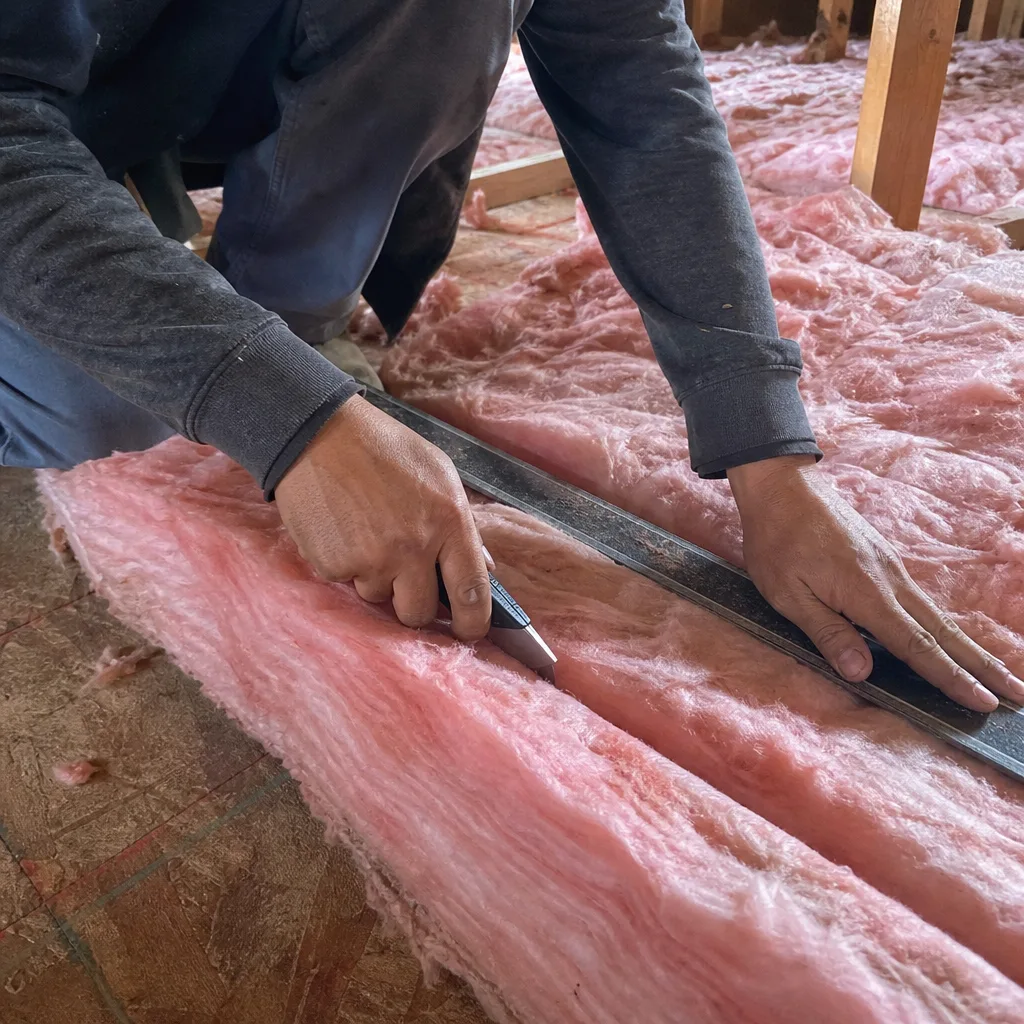
- Insulation installation to current California Title 24 minimums. For most El Monte homes, the floor assembly calls for R-19 to R-25 between the joists. We use materials sourced from Johns Manville and Owens Corning – no proprietary product lock-in, no upsell to materials that don’t fit the application. In crawl spaces with persistent moisture concerns, closed-cell spray foam on the rim joist is sometimes the right call; we’ll say so in writing before we do it.
- Post-job blower-door test, photo record, and written warranty delivery. We run the blower-door again after the work is done and give you both numbers – before and after – so you can see the performance change you paid for. The Documented Photo Record is included on every visit. The 365-Day Done Right Promise covers all completed work in writing: if it’s not done right, we make it right.
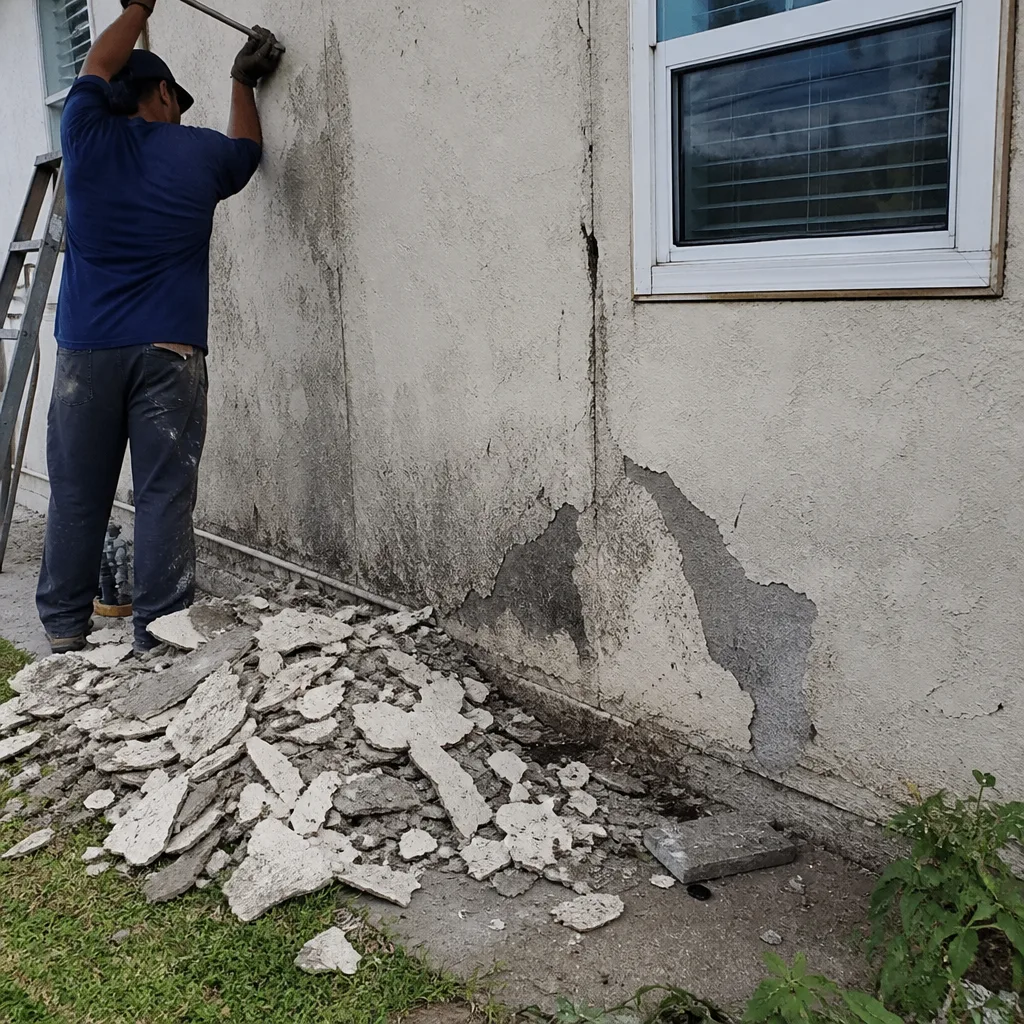 Before
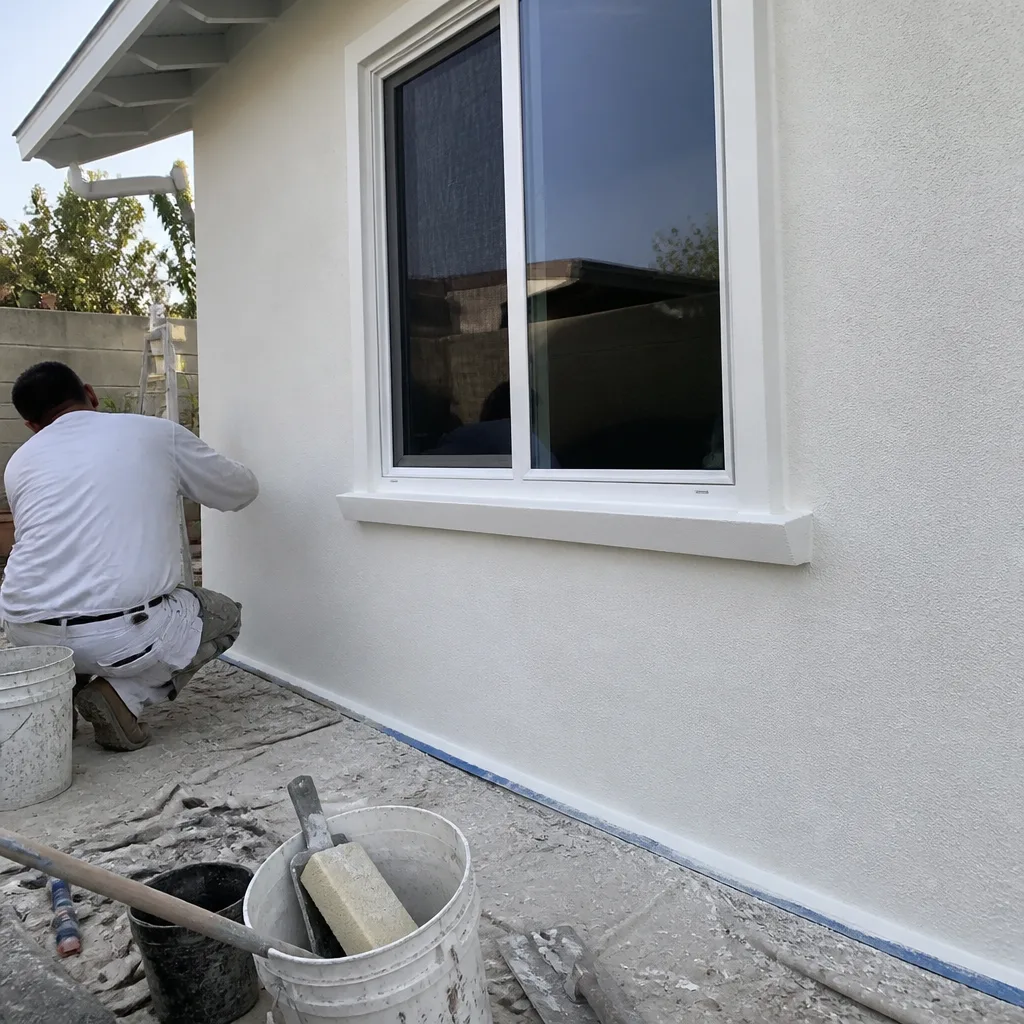 After
AfterCrawl Space Insulation Pricing in El Monte
Most crawl space insulation jobs in El Monte fall between $1,800 and $4,200 for a standard single-family home. The range is wide because the variables are real – here’s what moves the number.
| Scope | Typical Range |
|---|---|
| Basic floor joist insulation only (clean crawl, no removal needed, 800-1,200 sq ft) | $1,800 – $2,400 |
| Insulation + air sealing of rim joists and penetrations (same footprint) | $2,200 – $3,000 |
| Full remove-and-replace with air sealing (contaminated or failed existing insulation) | $2,800 – $4,200 |
| Closed-cell spray foam on rim joists and band boards (add-on to any job above) | $400 – $900 additional |
| Blower-door test (standalone, credited toward any job booked) | $150 – $250 |
A few specific factors push costs toward the higher end in El Monte:
- Access height. Crawl spaces under older homes in the Norwood and South El Monte areas are sometimes 18 inches or less in clearance. Tight access slows every step of the job and increases labor time.
- Clay soil and standing moisture. El Monte sits on alluvial soils that retain moisture longer than sandy substrates. If the ground is wet, a vapor barrier needs to go in before insulation – and that’s a separate line item on the written scope, not a surprise on invoice day.
- Existing rodent damage. Batt removal and sanitizing in a crawl space where rats have been nesting takes longer and requires protective equipment. The cost is real; we quote it before we start.
- HVAC duct location. If ducts run through the crawl space, working around them without disturbing connections adds time.
Under Haven Standard Clause 1, you receive a written price before any work starts – always. If you have a competing written estimate, bring it to us. We offer a Free Second Opinion on any written quote: we’ll read it with you, line by line, and tell you what we see.
To get your written estimate, call (626) 415-3454. The estimate is free, and you’ll leave the conversation with a number, not a callback window.
FAQs – Crawl Space Insulation in El Monte
What R-value does a crawl space need in El Monte?
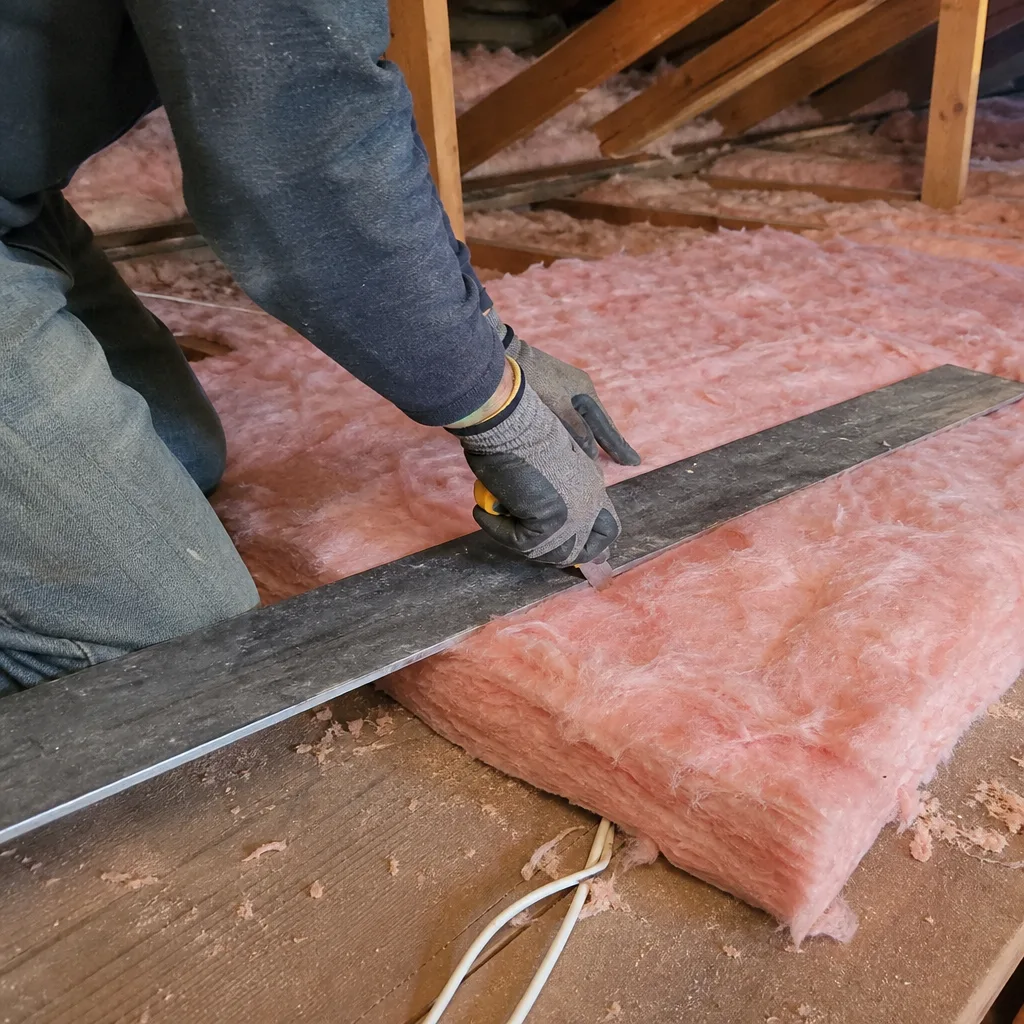
California’s Title 24 energy code currently requires a minimum of R-19 for floor insulation in Climate Zone 10, which covers El Monte. In practice, many of the older homes in the Garvey and Valley Boulevard neighborhoods are sitting at R-0 – bare joists, no insulation at all. We install to code minimums and will specify the target R-value in writing before work starts. If your goal is to exceed code for better thermal performance, R-25 fiberglass batts from Johns Manville are a common upgrade that fits most standard joist depths without modification.
Should I insulate the crawl space floor or the crawl space walls?
It depends on whether the crawl space is vented or unvented. Most El Monte homes have vented crawl spaces, meaning the foundation has small screened openings that allow outside air to pass through. In a vented crawl space, the insulation belongs between the floor joists above – not on the foundation walls. In an unvented (encapsulated) crawl space, insulating the walls and rim joists makes more sense because the crawl space itself becomes part of the conditioned building envelope. We’ll confirm the configuration during the inspection and specify the correct approach in the written scope.
Does crawl space insulation help with moisture problems?
Insulation slows heat transfer – it doesn’t stop moisture. If you have water vapor migrating up through the soil, insulation alone will absorb that moisture and lose its R-value within a few seasons. The correct sequence is: address the moisture source first (vapor barrier, drainage corrections), seal air pathways second, then insulate. We won’t install insulation over an active moisture problem, and we’ll document the condition in photos so you can see exactly what we found. If the crawl space needs encapsulation before insulation, that will appear as a separate line item in your written estimate. Read more about the full moisture-control process on the Crawl Space Encapsulation & Vapor Barrier in El Monte page.
How long does crawl space insulation last in Southern California?
Fiberglass batt insulation in a dry, properly sealed crawl space can last 20 to 30 years without meaningful performance loss. In a wet or pest-compromised crawl space – which is common in El Monte given the area’s clay soils and proximity to the Whittier Narrows – fiberglass degrades much faster: 8 to 12 years is realistic before the material compresses, absorbs moisture, or gets pulled apart by rodents. Installing a crawl space vapor barrier can help prevent this moisture damage. That’s why the condition of the crawl space matters as much as the insulation material itself. We document what we find with photos before and after, so you have a baseline record for future inspections.
Why the Order of Operations Matters Here
This is the part most contractors don’t talk about, so we will.
Insulation is a thermal resistor. It slows heat from moving through a material. But it doesn’t stop air. If the floor assembly has open top plates, unsealed pipe penetrations, or gaps around ductwork – and in El Monte homes built before 1990, those gaps are almost universal – conditioned air moves right past the insulation and out of the building envelope. New batts over unsealed framing is new material doing half the job.
The blower-door test – a pressurization reading that shows, in one number, how much air the building envelope is losing – makes this visible. We run it before we start. In homes around the Ramona and Tyler area, we regularly see pre-sealing readings above 3,500 CFM50 on crawl-space-heavy floor plans. After air sealing and insulation, the same homes typically read 30 to 45 percent lower. That’s the number that tells you whether the job worked.
We publish both numbers – before and after – on every applicable job. Not because it’s a good marketing point, but because it’s the only honest way to show that the work performed the way it was supposed to.
This is what Wes Okafor built the Haven Standard around: documented results, not described ones. Since 2016, every one of the 9,000-plus homes in our record has a written price from before the work started and a photo record from after it ended. El Monte homes are no different.
Key Takeaways
- Crawl space insulation in El Monte typically runs $1,800 to $4,200, with the final number in writing before work begins.
- Air sealing comes before insulation – always. Insulating over unsealed penetrations is a documented waste of money, and we don’t do it.
- El Monte’s clay soils and the moisture they hold mean vapor control is often a prerequisite to insulation, not an optional add-on.
- California Title 24 requires R-19 minimum for floor insulation in this climate zone; we install to that floor and document the specification in the written scope.
- Before-and-after blower-door readings come with every applicable job so the performance change is measurable.
- The 365-Day Done Right Promise covers all completed work. If it’s not right, we make it right – in writing, not as a verbal reassurance.
Get a Written Estimate for Your El Monte Home
If your crawl space insulation is original to the home, missing in sections, or has never been inspected, a documented assessment is the right starting point. Call (626) 415-3454 to schedule yours. A live person answers – no voicemail loop, no callback measured in business days. You’ll leave the call with a scheduled inspection and a clear picture of what the written estimate will cover.
If you have a competing written quote already, bring it. Under the Haven Standard, we offer a Free Second Opinion on any written estimate. We’ll read it with you and tell you exactly what we see.
Written by Wes Okafor, Owner at Topside Attic Insulation El Monte, serving El Monte since 2016.