
Last updated September 24, 2026
Insulation Warning Signs: A El Monte Homeowner’s Reference Guide
In El Monte, a room that won’t cool below 80°F in July could mean missing attic insulation, a disconnected flex duct, a failed radiant barrier, or air leaks at the top plate - four different repairs with four different price tags. The symptom alone tells you nothing. We’ve worked on over 9,000 homes since 2016, and the homeowners who get the right fix the first time are the ones who learn to read what their house is actually showing them. This guide - along with our complete guide to insulation in El Monte - connects each observable warning sign to its most likely envelope failure, tells you what measurement would confirm it, and shows you when the problem is dangerous enough to stop everything and call a professional.
Quick Answer
The most common insulation warning signs in El Monte homes are: rooms that stay hot despite cold supply air (duct or attic issue), warm supply air (attic insulation or equipment failure), dust streaking around outlets and recessed lights (air leaks that need sealing before insulation), and sudden bill spikes without rate or occupancy changes (envelope degradation). A $15 infrared thermometer and a windy-day check of your attic hatch perimeter will tell you more than most online symptom lists, and our Attic Insulation Maintenance Checklist for El Monte Homeowners shows exactly what to look for.
Table of Contents
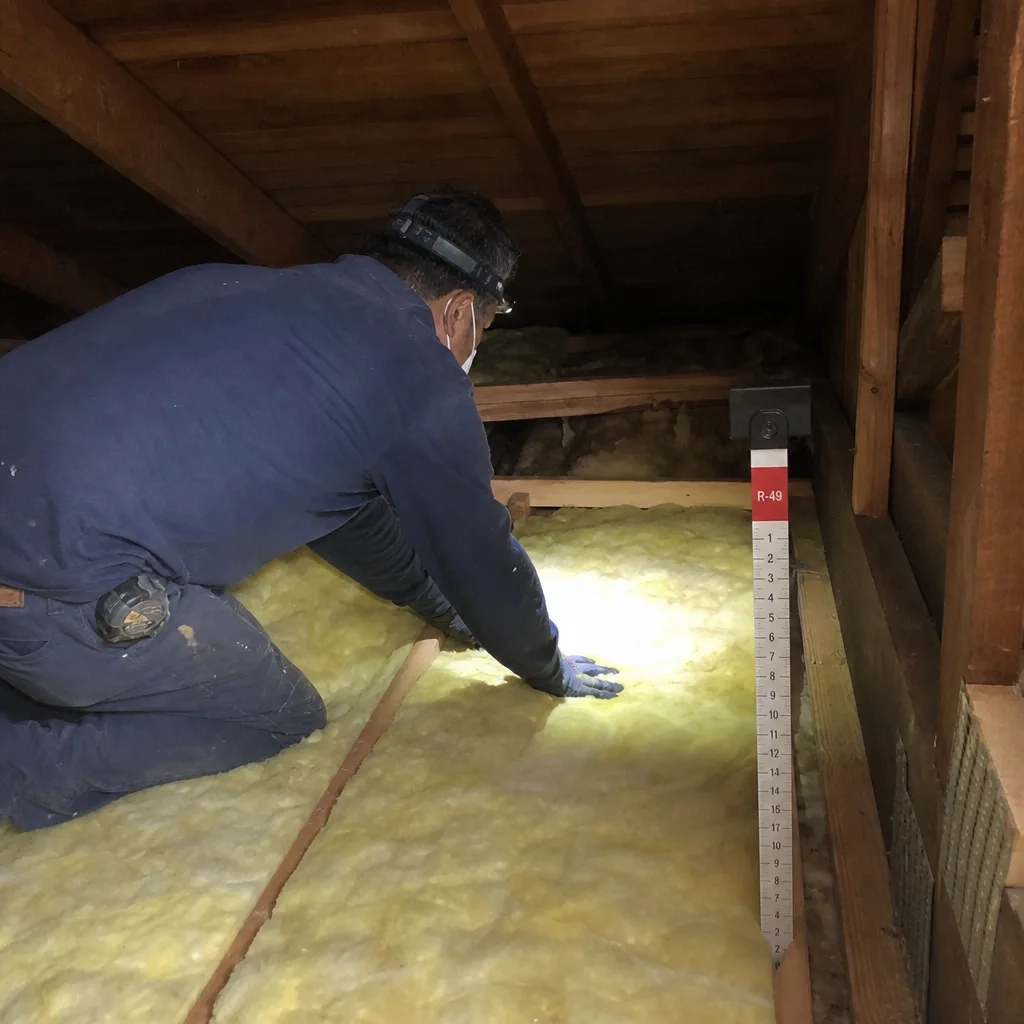
- Uneven Temperatures and Hot Rooms
- How to Read Supply Air Temperature
- Dust Streaking Around Lights and Outlets
- Using an Infrared Thermometer to Map Your Walls
- Sudden Bill Spikes and Why the Paper Trail Matters
- The One Sign That Means Stop and Call
- Crawl Space and Vapor Barrier Warning Signs
- Common Mistakes to Avoid
- When to Call a Professional
- Frequently Asked Questions
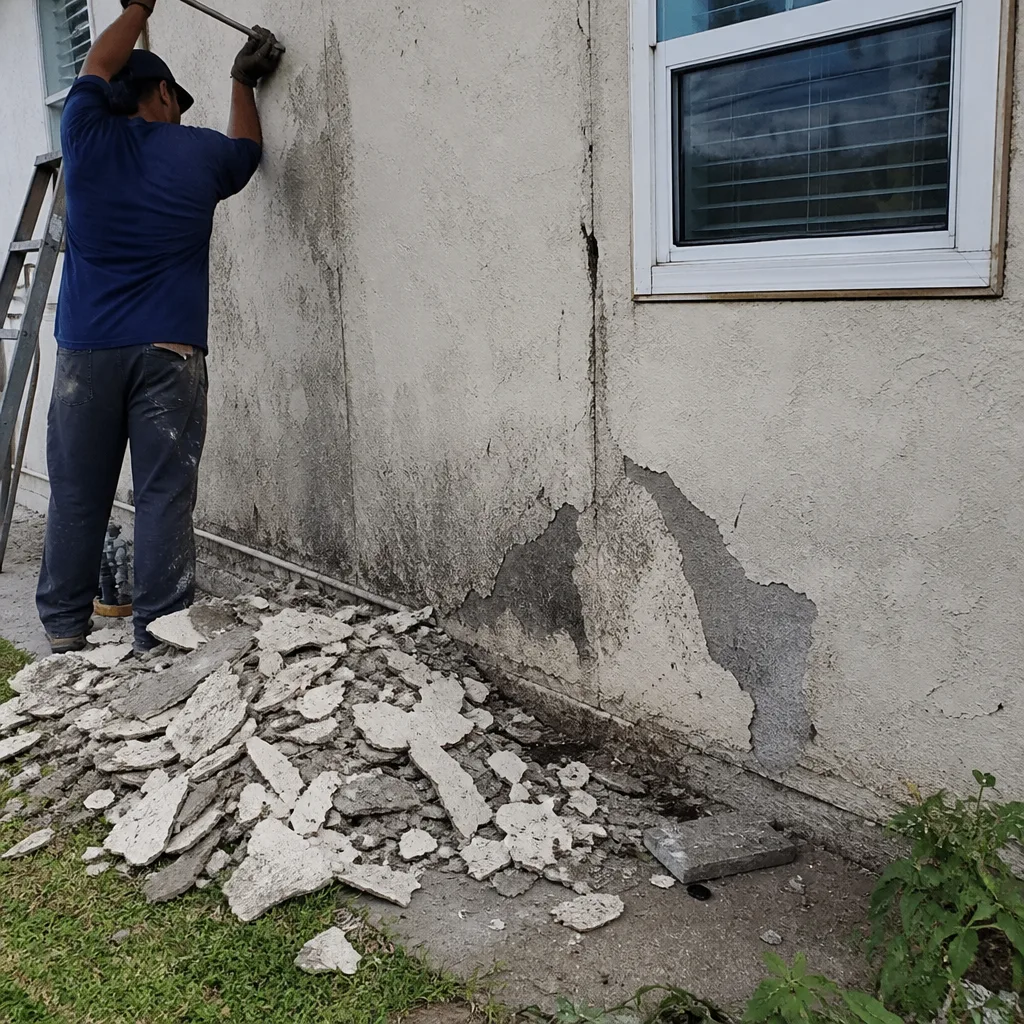 Before
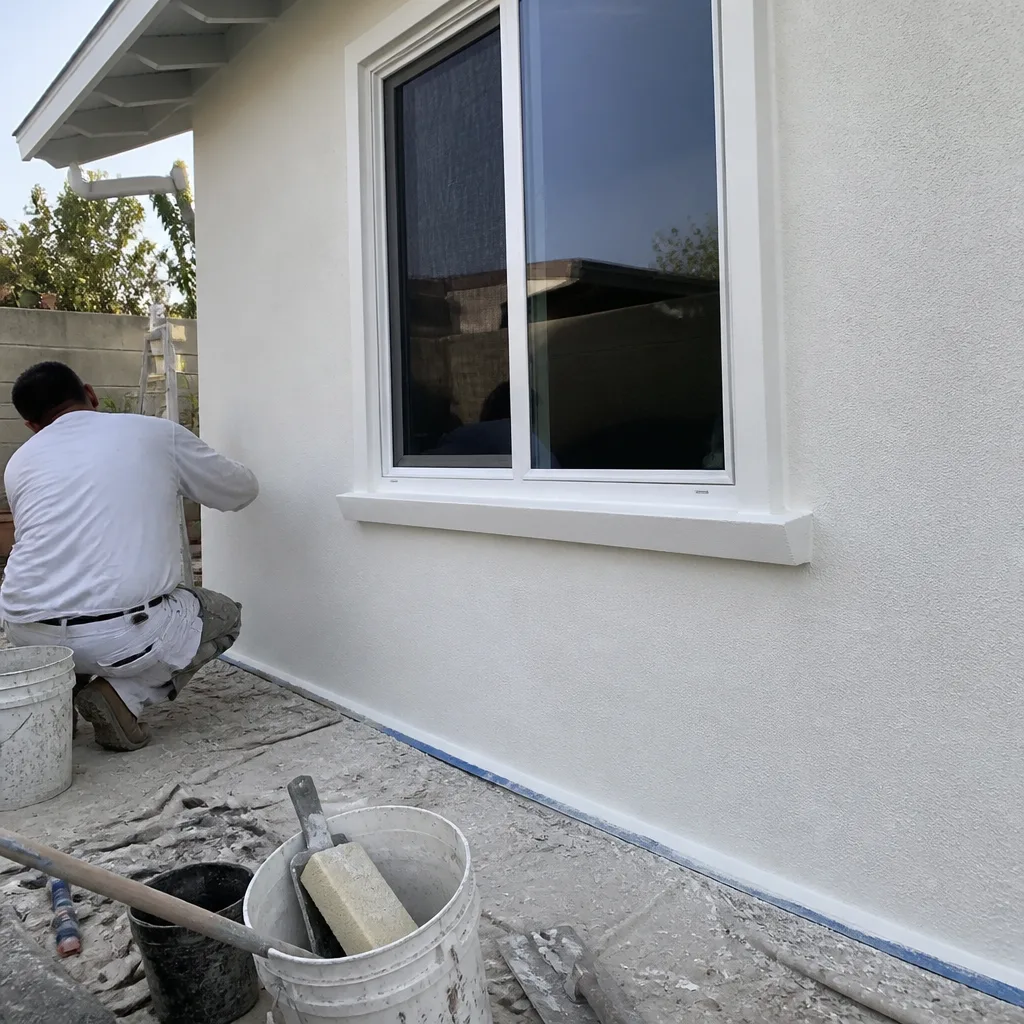 After
AfterUneven Temperatures and Hot Rooms
Every summer we get calls from El Monte homeowners who’ve already spent money on the wrong fix. One homeowner in the Mountain View area replaced their entire HVAC system because the master bedroom wouldn’t cool below 78°F. The new unit didn’t change a thing. The actual problem was a disconnected flex duct in the attic, blowing conditioned air directly into the insulation.
Here’s how to separate attic insulation problems from other causes:
- If one room is hot and the supply air feels cold: The duct is the suspect. Check for kinked flex duct, disconnected joints, or ducts buried in attic insulation (a common code violation in pre-2010 El Monte construction that blocks airflow).
- If one room is hot and the supply air feels warm: The attic or the equipment is the suspect. The duct is delivering air, but that air is gaining heat somewhere between the air handler and the register.
- If the entire upper floor is hot and the lower floor is comfortable: This pattern usually indicates missing or insufficient attic insulation, or a failed radiant barrier in homes built during El Monte’s 1980s-1990s construction boom.
The temperature differential that matters is 3°F or more between rooms on the same system, measured at the same time of day. Less than that could be solar gain, window quality, or normal thermostat cycling. More than that suggests an envelope or distribution problem.
El Monte’s climate amplifies these symptoms. Our cooling-degree days exceed heating-degree days by roughly 4:1, which means attic problems show up as comfort issues in summer rather than winter. A home with R-19 attic insulation (common in 1970s El Monte tract construction) will see ceiling surface temperatures 15-20°F above ambient on a 95°F July afternoon. That’s heat radiating down into living spaces regardless of what the thermostat says.
We document this on every attic insulation in El Monte job with before-and-after blower-door readings. The pressurization measurement - a single number in CFM50 - shows exactly how much conditioned air the home was losing before we sealed it and after.
How to Read Supply Air Temperature
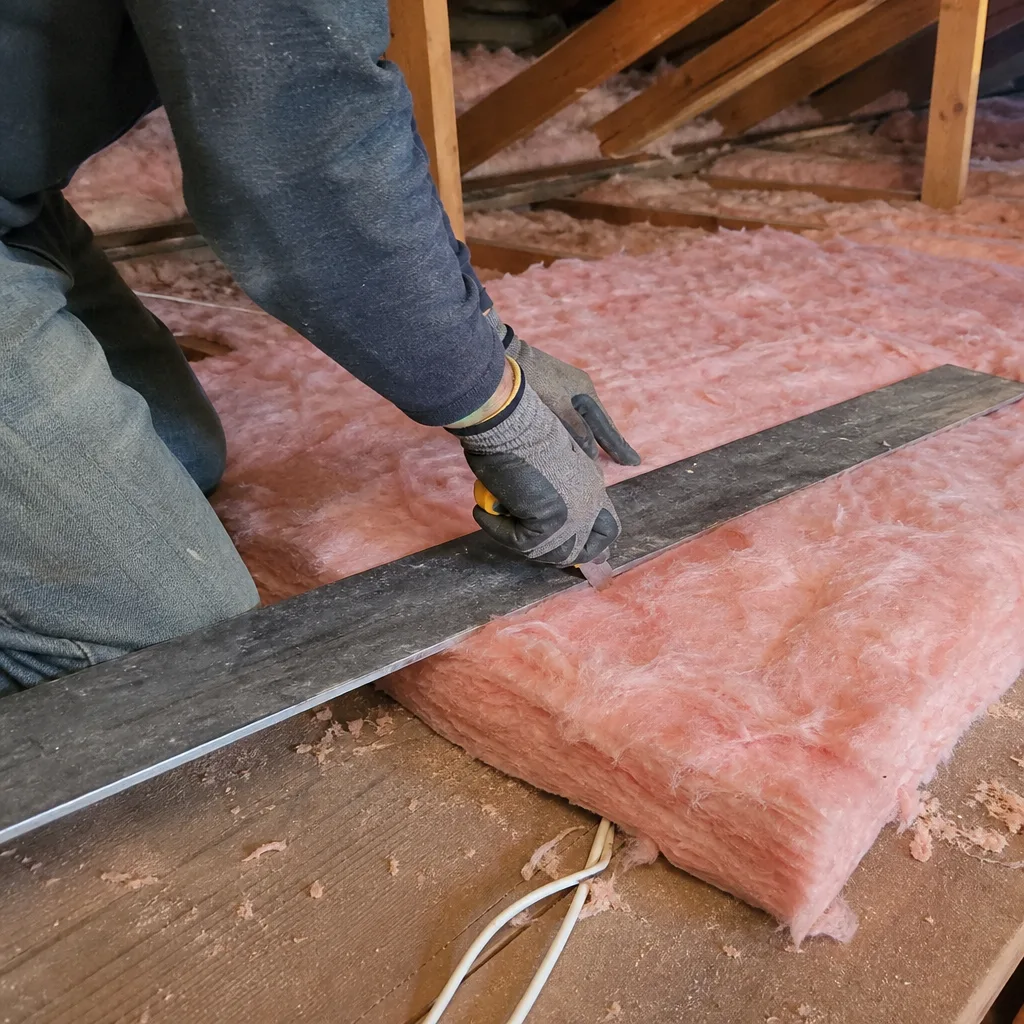
Your supply air temperature is the single most useful diagnostic you can collect without opening walls. Here’s how to measure it correctly:
- Set your thermostat to cooling mode and let it run for 15 minutes continuously.
- Hold a standard thermometer or the probe of a multimeter directly in the airflow at a supply register, not near the edges.
- Record the temperature. Then walk outside and record the ambient air temperature.
- Subtract: ambient minus supply. In El Monte’s climate, a properly functioning system should show a temperature split of 16-22°F.
What the number tells you:
- Split under 14°F: The air handler is working, but the air is gaining heat after cooling. Suspect: duct leakage (especially return ducts pulling hot attic air), low refrigerant, or - critically for insulation work - ducts running through an uninsulated or poorly sealed attic.
- Split over 24°F: Usually indicates restricted airflow, not an insulation problem. Check filters, closed dampers, or blocked returns before calling anyone.
- Split in normal range but room still hot: The envelope is the problem. The system is making cold air; the building is losing it faster than the system can replace it.
We’ve measured supply air at 62°F in a bedroom that wouldn’t drop below 82°F. The duct was fine. The ceiling had settled fiberglass batts with gaps at the eaves where wind washing had compressed the material to R-8 equivalent. The cold air was literally falling out of the room through leaks faster than the register could replace it.
Under Haven Standard Clause 1, we provide a written price before any work starts on Topside Attic Insulation El Monte home assessments. That written scope includes what we’ll measure, what we found, and what the fix costs - no surprises after the crew arrives.
Dust Streaking Around Lights and Outlets
Dust streaking is the most misread warning sign we see in El Monte homes. Homeowners see dark lines around recessed can lights, electrical outlets, or attic hatches and assume it’s dirty air from the HVAC system. They buy better filters. They duct-clean. The streaking returns.
The actual cause is air moving through gaps in the building envelope, carrying particulates that deposit where the airflow slows. It’s an air sealing issue, not a filtration issue, and it appears before insulation problems become severe enough to notice as temperature problems.
Where to look and what it means:
- Recessed can lights: The dark ring around the trim indicates attic air moving through the fixture housing. In pre-2012 El Monte homes, these are often non-IC (insulation contact) rated fixtures with large clearance gaps. Even IC-rated fixtures leak unless they’re specifically airtight models.
- Outlet and switch covers on exterior walls: Dust streaking here means the wall cavity is connected to the attic or exterior. The top plate - the horizontal framing member where the wall meets the ceiling - was never sealed during construction.
- Attic hatch perimeter: The most severe leakage path in most homes. A pull-down stair or scuttle hole without a weatherstripped, insulated cover operates like a chimney in reverse, pulling conditioned air up and out.
- Baseboards on exterior walls: Less common but indicates bottom plate leakage or missing sill seal, especially in homes with raised foundations common in El Monte’s older neighborhoods near Tyler Avenue and the 10 Freeway corridor.
The critical point: blowing insulation over these leaks makes the problem invisible without fixing it. The insulation blocks your view of the streaking, but the air still moves. We’ve removed batts from attics in the Five Points area and found the same dust patterns on top of the insulation, proving the leakage continued for years after the “upgrade.”
This is why Envelope Insulation Co. - the model we follow - treats air sealing as a hard prerequisite, not an upsell. Top plates, can lights, plumbing and electrical penetrations, and the attic hatch perimeter are sealed before any insulation is added. The blower-door test confirms the result: we’ve seen readings drop from 4,200 CFM50 to 2,100 after sealing alone, before insulation even enters the attic.
Using an Infrared Thermometer to Map Your Walls
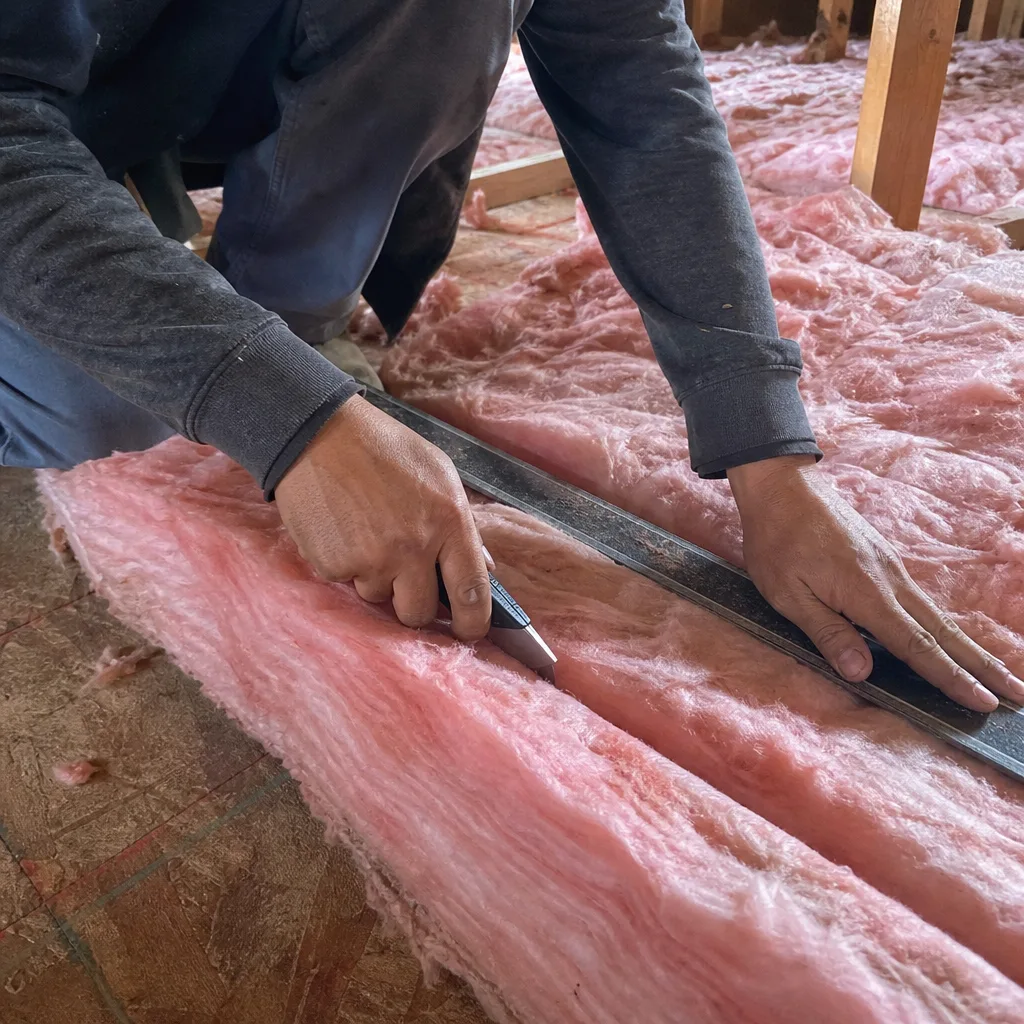
A non-contact infrared thermometer costs $12-18 at any hardware store and reveals insulation problems no visual inspection can. Here’s the protocol we teach El Monte homeowners:
- Wait for a day with at least a 20°F temperature difference between inside and outside. July afternoons in El Monte are ideal; January mornings work too.
- Turn off ceiling fans and close blinds to eliminate convective and solar interference.
- Stand 12-18 inches from the wall surface and scan in a grid pattern, moving slowly.
- Record temperatures at multiple points on each wall, marking locations with painter’s tape.
- Compare interior walls (your baseline, should be near thermostat setpoint) to exterior walls.
What the readings mean:
- Exterior wall 5°F or less above interior wall in summer: Well-insulated. The envelope is doing its job.
- Exterior wall 8-15°F above interior wall: Insulation is present but compromised - settled, moisture-damaged, or incomplete coverage. Common in 1960s El Monte homes with original rock wool or early fiberglass batts.
- Exterior wall more than 15°F above interior wall, with sharp horizontal or vertical lines: Missing insulation. The lines mark stud bays or areas where batts were never installed or have fallen. We’ve found entire stud bays empty in homes where the original contractor simply ran out of material.
- Cold spots in winter or cool spots in summer that align with outlets or switches: Air leakage at the electrical box, not missing insulation. Different fix, different price.
In the Las Lomas neighborhood, we mapped a home where the south-facing bedroom wall read 94°F surface temperature at 3 PM in August while the adjacent interior wall read 76°F. The infrared pattern showed a 16-inch vertical strip of missing insulation where a plumber had removed a section of batt to access a vent pipe and never replaced it. The homeowner had lived with that hot room for six years.
The photo record matters here. Under Haven Standard, every visit includes a Documented Photo Record - not available on request, included automatically. When we find thermal anomalies, the homeowner sees the infrared image, the explanation, and the proposed fix in writing before anyone lifts a tool.
Sudden Bill Spikes and Why the Paper Trail Matters
A sudden increase in your gas or electric bill without a rate change, occupancy change, or new appliance is one of the most reliable warning signs of envelope degradation. But the sign is useless without documentation.
Here’s what to log and why contractors need it:
- Exact dollar amounts for 24 consecutive months: Seasonal variation masks gradual degradation. A bill that jumps from $180 to $340 in July year-over-year is significant. A bill that creeps from $180 to $220 to $260 over three years is equally significant but easier to dismiss.
- Rate per kWh or therm: Southern California Edison and SoCalGas rates change. A 15% rate increase can look like an efficiency problem. Check your bill for the rate schedule, not just the total.
- Cooling or heating degree days for the billing period: Available from NOAA. A July with 450 cooling degree days versus 380 the prior year explains some increase. If degree days were flat and your bill jumped 40%, the building changed.
- Any changes to thermostat setting, schedule, or filter maintenance: Eliminate the variables you control before concluding the envelope failed.
What the pattern suggests:
- Electric spike in summer only: Cooling load increase. Suspect attic insulation, duct leakage, or air handler efficiency. In El Monte’s inland climate, this is the most common pattern.
- Gas spike in winter only: Heating load increase. Suspect wall insulation, crawl space conditions, or - in homes with furnaces in attics - duct leakage in the heating distribution.
- Spike in both seasons: Air leakage dominates. The building is losing conditioned air faster than equipment can replace it, and both heating and cooling systems work overtime.
- Gradual 10-15% annual increase with no other changes: Often indicates settled or compressed attic insulation. Fiberglass batts lose 20-50% of labeled R-value when compressed by storage, wind washing, or moisture. Blown cellulose settles 20% in the first year unless dense-packed.
We offer free second opinions on any written estimate for a reason. Bring us your paper trail and a competitor’s quote; we’ll read it with you. The written price we provide includes what we’ll measure, what we expect to find based on your documentation, and what happens if we’re wrong. That’s Haven Standard Clause 1: flat price, written scope, written warranty before anyone lifts a tool.
The One Sign That Means Stop and Call
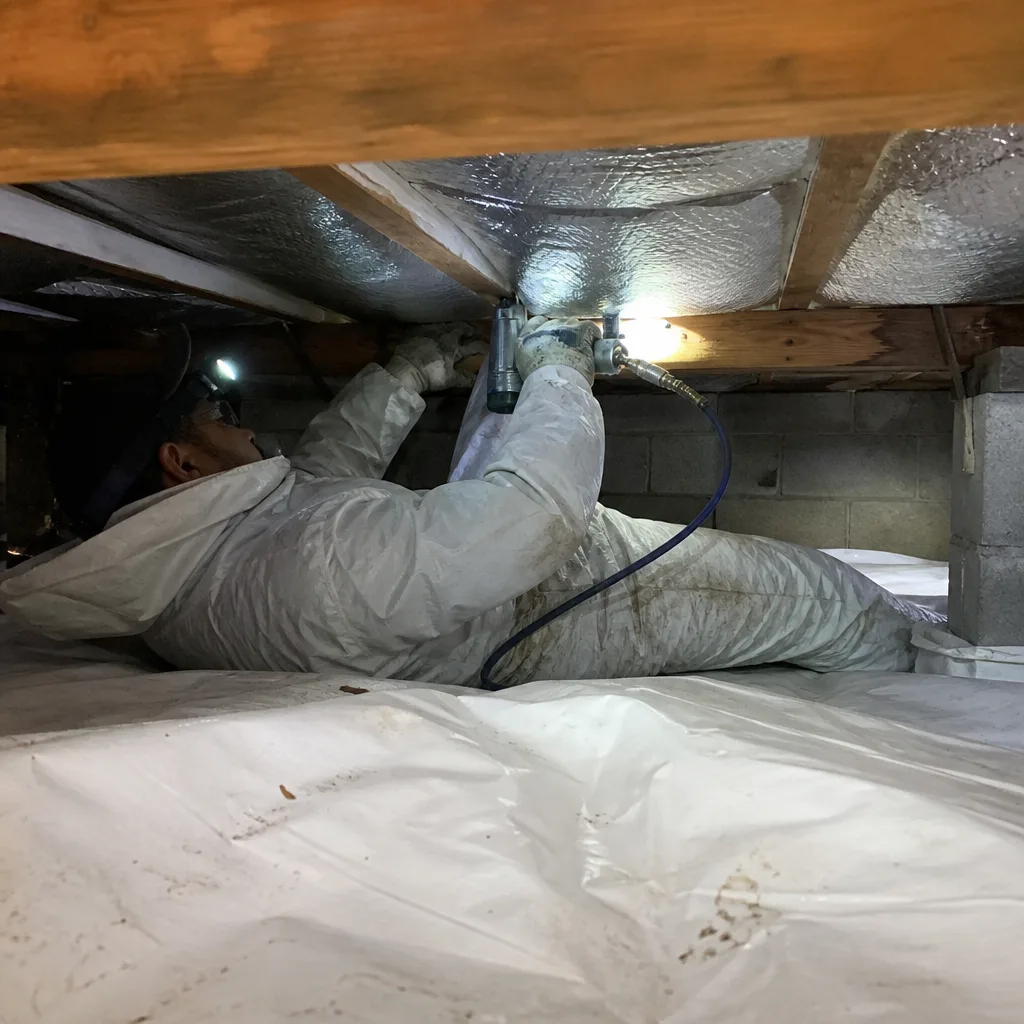
On a windy day - Santa Ana conditions are common in El Monte from October through March - go to your attic hatch. If you see visible daylight around the perimeter, or if you feel strong airflow with your hand held near the gap, your building is operating at near-ambient pressure. This is not a minor insulation problem. This is a condition that can:
- Pull combustion gases from water heaters or furnaces into living spaces (backdrafting)
- Drive moisture into wall cavities where it condenses on cooler surfaces
- Render any insulation investment nearly worthless by allowing unconditioned air to flow beneath or through it
Stop. Do not add insulation. Do not run to the hardware store for weatherstripping and attempt a DIY seal on a hatch that may be structurally compromised or improperly rated for the load above it. Call a professional who will pressurize the house with a blower door, quantify the leakage, and seal it systematically.
The materials we use for this work - including CertainTeed and GreenFiber products for insulation, and specialized sealants for air barriers - are selected after the leakage is measured, not before. No proprietary lock-in; we source from Owens Corning, Johns Manville, Knauf, Rockwool, Icynene, Demilec, and others based on what the specific assembly requires.
Our 365-Day Done Right Promise applies to all completed work. If the hatch still leaks after our seal, we make it right. The written warranty arrives before the crew starts, not after they finish.
Crawl Space and Vapor Barrier Warning Signs
El Monte’s combination of clay-heavy soils, seasonal rainfall, and older homes with vented crawl spaces creates a specific set of insulation warning signs that attic-focused guides miss entirely.
What to look for:
- Musty odor in ground-floor rooms that worsens in spring: Vapor from the crawl space is migrating through the subfloor. In homes near the Rio Hondo or in low-lying areas of the city, seasonal groundwater can raise crawl space relative humidity above 70% even without standing water.
- Floor surfaces that feel cold in winter despite adequate heating: Missing or degraded subfloor insulation, or - more commonly - insulation that fell because it was installed without proper support mechanisms (insulation hangers or mesh) and gravity took over.
- Cupping hardwood floors or tile grout cracking: Moisture cycling from below. The subfloor expands and contracts as crawl space humidity spikes and drops.
- Visible insulation hanging below the subfloor, wet or compressed: This is past the warning sign stage. The insulation is not only ineffective but likely harboring mold and acting as a wick for moisture.
- White or crystalline deposits on crawl space walls or piers: Efflorescence, indicating moisture is moving through concrete and evaporating. The crawl space has a water management problem that insulation alone won’t fix.
The diagnostic protocol for crawl spaces differs from attics. We start with moisture mapping, not thermal imaging. A crawl space encapsulation and vapor barrier in El Monte job begins with understanding whether the water source is bulk water (drainage failure), capillary rise (no vapor barrier), or seasonal vapor drive (vented crawl in a humid climate).
Encapsulation - sealing the crawl space with a heavy vapor barrier, conditioning the air, and insulating the walls rather than the floor - is often the correct fix for El Monte’s older homes. But it’s not the only fix, and anyone who proposes it without measuring moisture sources is selling a product, not solving a problem.
Our crews document the crawl space condition with photos before any recommendation is made. The homeowner sees what we see: the fallen insulation, the efflorescence, the rodent damage, the disconnected duct that no one knew was there. Then we provide a written price for the actual fix, not a package deal.
Common Mistakes to Avoid
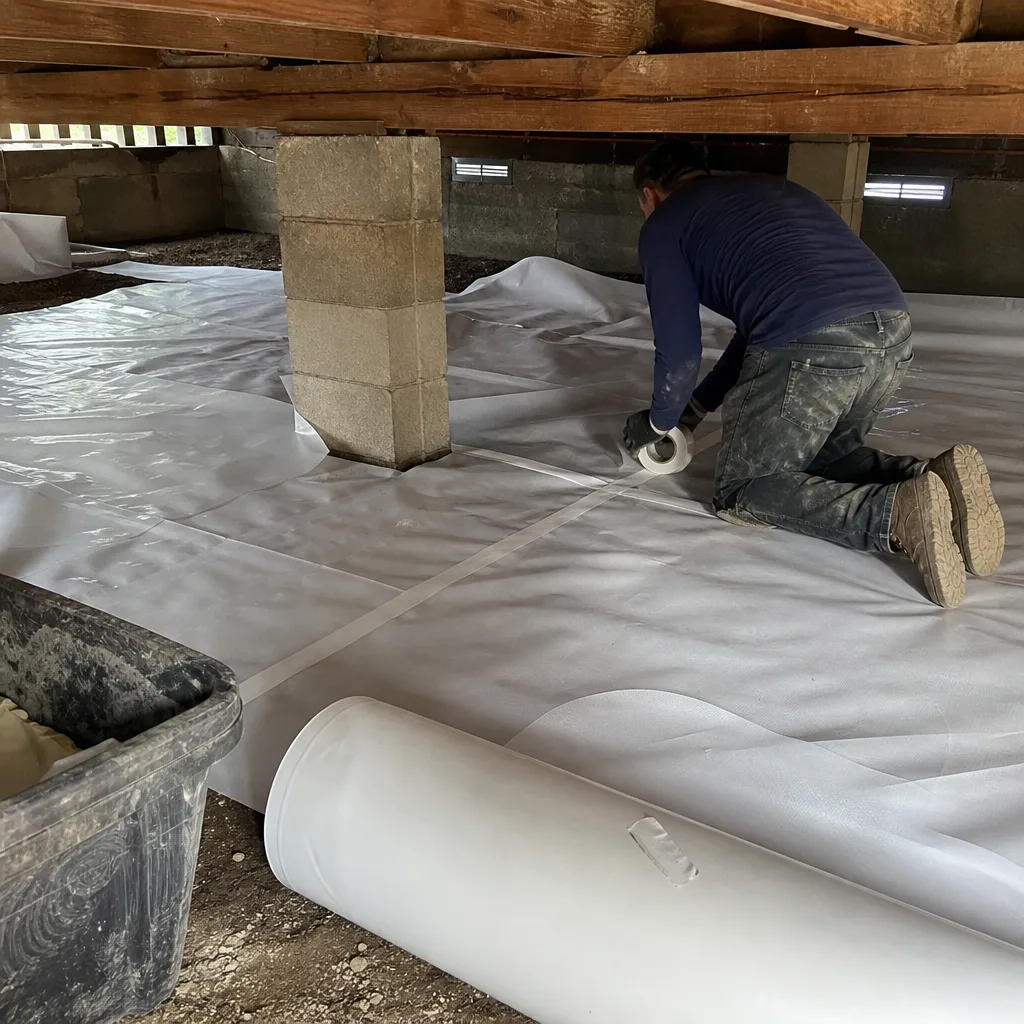
- Adding insulation over unsealed air leaks: This is the most expensive mistake we correct. In El Monte’s Arroyo High School area, we removed 18 inches of new blown cellulose from an attic where the homeowner had paid another contractor $3,400 - only to find the top plates still leaking, the can lights unsealed, and the insulation doing almost nothing. The fix cost more than doing it right the first time.
- Assuming R-value labels tell the whole story: An R-38 batt compressed into a 2×10 joist bay performs at roughly R-30. Blown fiberglass in an attic with wind washing (air moving through the material) can perform 20-40% below labeled value. We measure performance with a blower door, not a tape measure.
- Ignoring the duct system: A home with R-49 attic insulation and 30% duct leakage in the attic is losing more energy through the ducts than the attic would lose with R-19. The symptom is the same - high bills, hot rooms - but the fix is different.
- DIY spray foam in occupied spaces: The off-gassing from improperly mixed two-component foam can make a home uninhabitable for days. We’ve been called to remediate DIY spray foam insulation in El Monte jobs where the homeowner used the wrong product for the application. The material cost savings disappeared into removal and re-application.
- Replacing windows before addressing attic and walls: Windows are the most visible building component and the least cost-effective insulation upgrade in most cases. A typical El Monte home loses 2-3 times more energy through the attic than through all windows combined.
- Trusting visual inspection alone: Insulation that looks fine can be moisture-compromised, rodent-contaminated, or performing well below labeled R-value due to settling or compression. We test and measure; we don’t guess.
- Waiting for a “complete” failure: Insulation degrades gradually. The homeowner who acts when bills rise 15% gets a simpler fix than the one who waits for the 80% spike. Early intervention is cheaper intervention.
When to Call a Professional
Call when you’ve mapped symptoms you can’t explain, when you’ve measured temperature splits outside normal range, or when you’ve found the one sign that means stop: daylight or strong airflow at the attic hatch on a windy day. Don’t call because a blog post told you insulation “should be replaced every 15 years” - that’s not a thing, though our more guides & resources explain what actually determines when insulation needs attention. Call because your house is showing you specific, measurable problems and you need someone with a blower door, an infrared camera, and a written scope to tell you what they mean.
Topside Attic Insulation El Monte offers free estimates in El Monte. A live person answers calls 24/7 at (626) 415-3454 - no voicemail loops, no callback windows measured in business days. Every estimate includes a written price before any work starts, a Documented Photo Record, and on applicable jobs, before-and-after blower-door readings so you can verify the result yourself.
Frequently Asked Questions
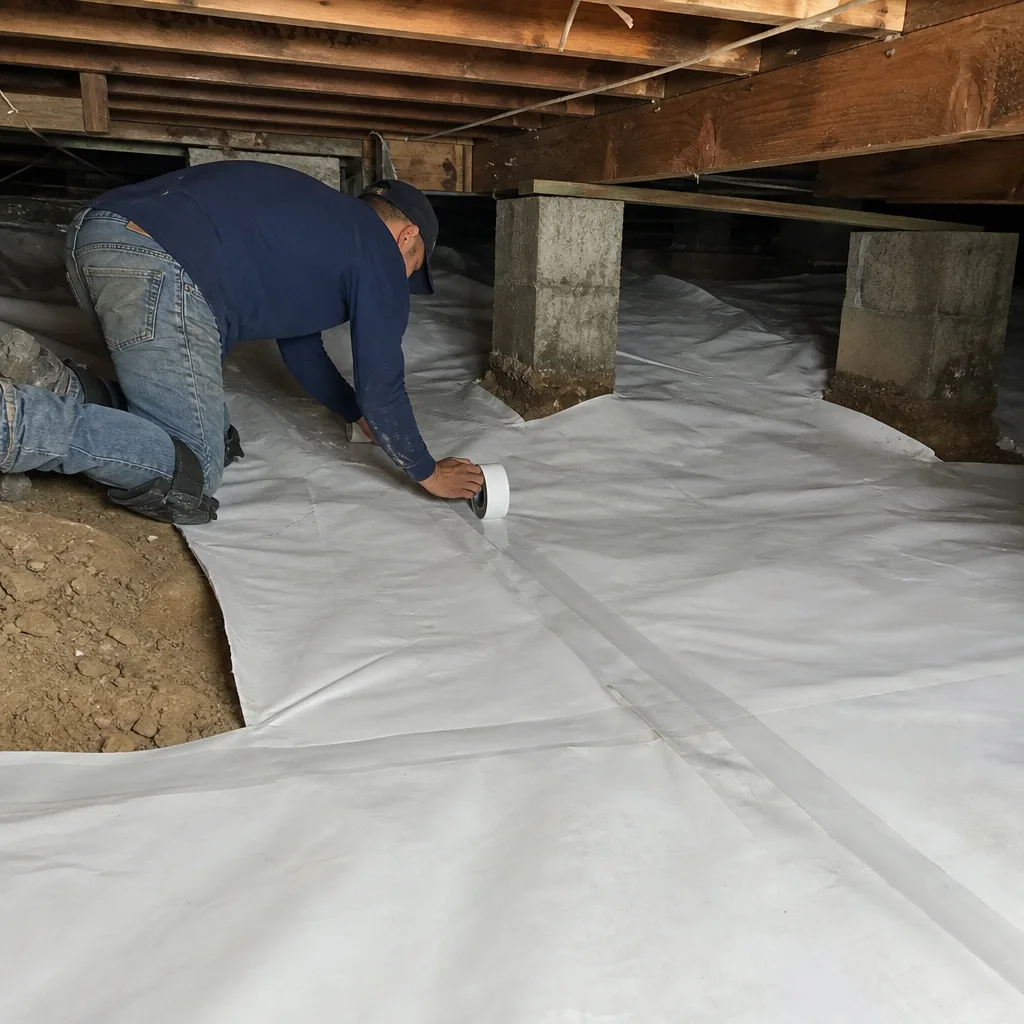
Most attic insulation jobs in El Monte homes run between $2,800 and $6,500 depending on square footage, existing insulation condition, and whether air sealing is needed first. A 1,200-square-foot home with R-19 batts that need removal and replacement with R-38 blown cellulose, including top plate and penetration sealing, typically falls in the $3,800-$4,800 range. Call (626) 415-3454 for an exact quote - estimates are free and include a written price before any work starts.
Air sealing and minor insulation repairs can often be completed same-day, but full attic insulation replacement requires preparation including rodent remediation if present, moisture assessment, and material ordering. We schedule based on what the house needs, not what fits our calendar. Under Haven Standard, you get a named technician and a text when they’re on the way.
Repair is cheaper only when the existing insulation is in good condition and the problem is localized - a few fallen batts, a small area of moisture damage, or gaps at the eaves. If insulation is compressed, settled, rodent-contaminated, or installed over unsealed leaks, repair is a band-aid that costs more over time. We assess and give you both options in writing.
Vermiculite insulation (pebbly, gray-brown, often installed 1940s-1980s) may contain asbestos and should not be disturbed without testing. Fiberglass batts and blown cellulose do not contain asbestos. If your El Monte home was built before 1980 and has loose-fill insulation that doesn’t look like fiberglass or cellulose, stop and call for assessment. We do not remove vermiculite; we refer to certified abatement contractors.
Stack effect - the natural rise of warm air through a building - reverses intensity with season. In summer, hot attic air is driven downward through leaks as cooled air falls. The pressure differential is strongest on the hottest days, which in El Monte means July through September. The streaking pattern tells you where the leaks are; the seasonality tells you the attic is involved.
Our audits include blower-door testing, infrared thermal imaging, duct leakage measurement, combustion safety testing, and a Documented Photo Record of all findings. You receive a written scope with prioritized recommendations, flat pricing for each, and a written warranty summary. The audit itself is priced separately from any remediation work; there’s no obligation to hire us for the fix.
The Bottom Line
Insulation warning signs are symptoms, not diagnoses. A hot room could be a duct, a leak, or missing material. A high bill could be rate creep, equipment failure, or envelope degradation. The homeowner who learns to read these signs - measuring supply air temperature, mapping walls with an infrared thermometer, logging exact bill amounts, and checking the attic hatch on a windy day - gets the right fix the first time and avoids paying for insulation that can’t work because the air leaks were never sealed.
We’ve sealed and insulated over 9,000 homes since 2016, every one with a written price before work started and a documented record when the crew left. The 365-Day Done Right Promise backs every job. If you’re seeing warning signs you can’t explain, or if you’ve received a quote you don’t fully understand, call (626) 415-3454. We’ll read it with you.
Written by Wes Okafor, Owner at Topside Attic Insulation El Monte, serving El Monte since 2016.