
Last updated September 24, 2026
Seasonal Insulation Care for El Monte: Year-Round Homeowner’s Guide
El Monte doesn’t have four textbook seasons, but it does have four distinct envelope stress periods that punish insulation and air sealing in completely different ways. The same Santa Ana wind event that scatters leaves across your driveway in October is forcing particulates through every unsealed top plate, recessed can light, and wire penetration in your attic. One inspection, scheduled at the right moment, catches both the summer heat gain problem and the winter pressure leak problem. In this guide, we’ll walk through a maintenance calendar built around El Monte’s actual climate stressors, not generic spring-cleaning advice, and we’ll give you a one-page documentation template so you have a three-year record before any contractor ever sets foot in your house. For the complete picture on insulation in El Monte, see our dedicated resource.
Quick Answer
Seasonal insulation care in El Monte means timing four specific inspections to local stress periods: pre-June checks for ridge vent blockage and radiant barrier attachment, post-Santa-Ana fall checks for pressure-driven air leaks, January-through-March moisture checks for attic sheathing condensation, and year-round HVAC filter monitoring to prevent duct leakage into unconditioned space. A homeowner who follows this calendar can catch most envelope problems with a flashlight, incense sticks, and 20 minutes per season.
Table of Contents
- Marine Layer Spring: The Hidden Moisture Window
- Peak Radiant Summer: Pre-June Preparation
- Santa Ana Fall: Pressure Testing Your Envelope
- Cool-Wet Winter: Condensation Detection
- The HVAC Filter Connection Most People Miss
- Your Seasonal Documentation Template
- Common Mistakes to Avoid
- When to Call a Professional
- Frequently Asked Questions
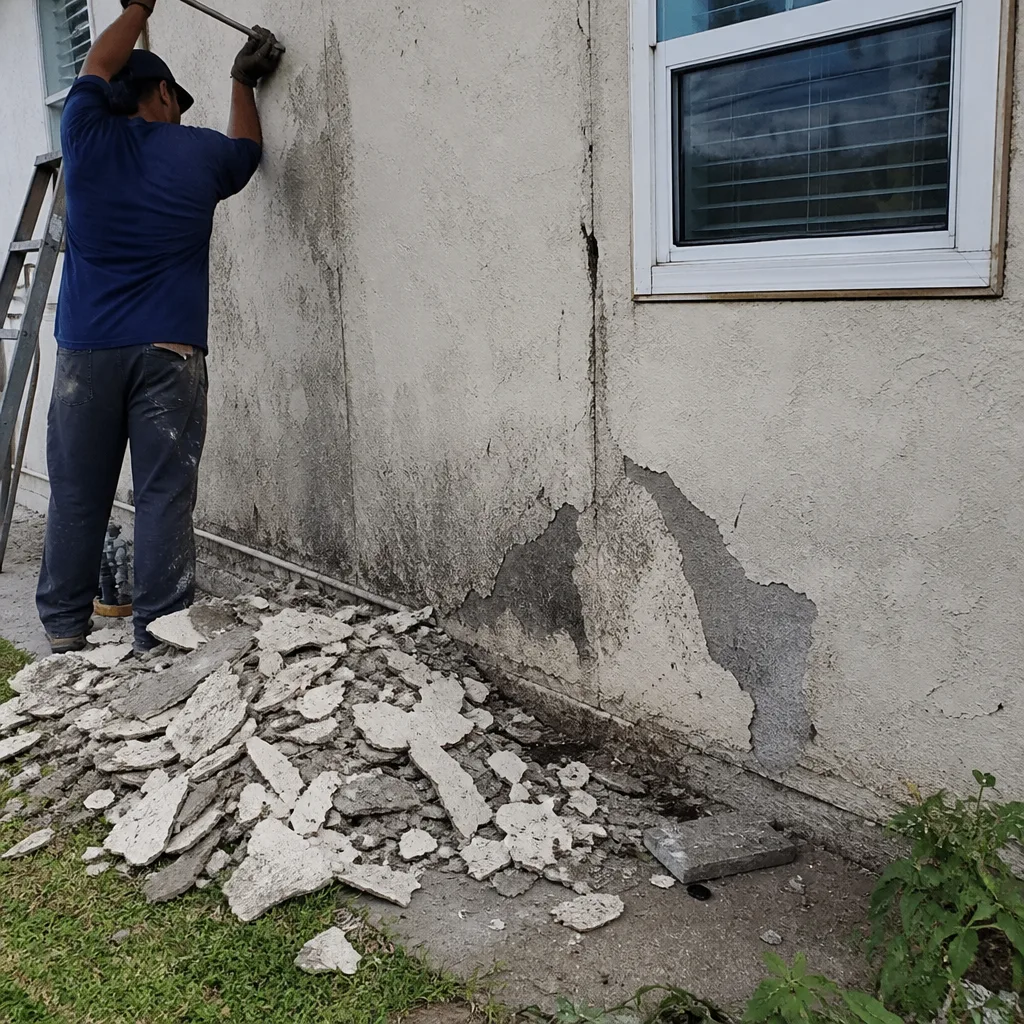 Before
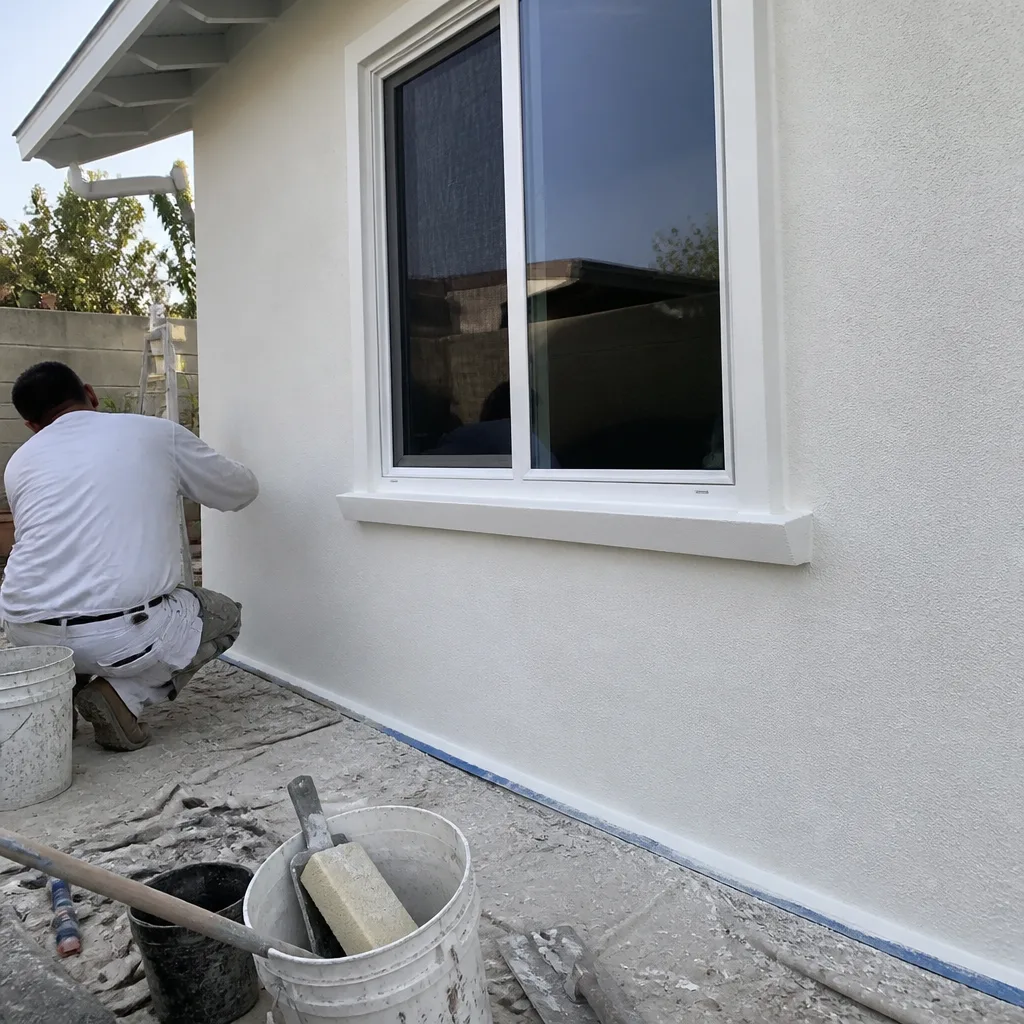 After
AfterMarine Layer Spring: The Hidden Moisture Window
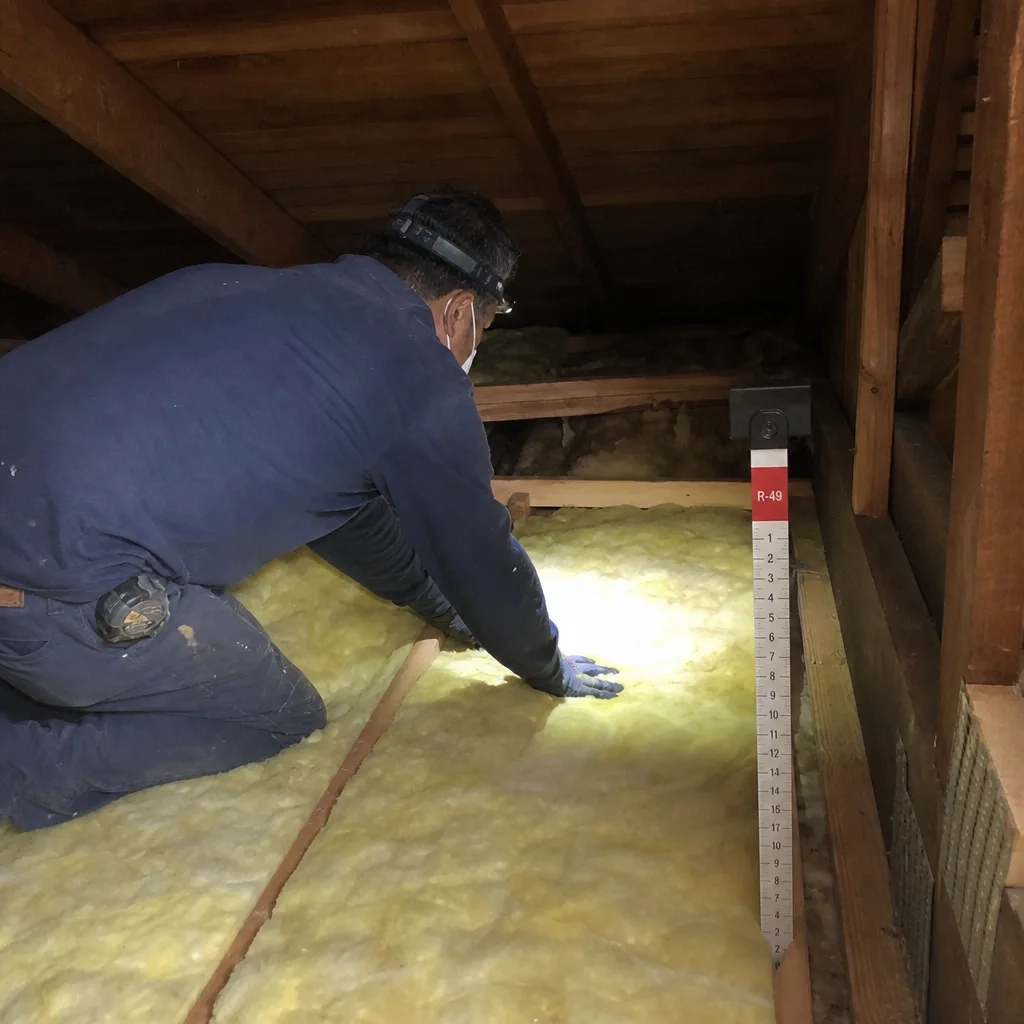
March through May in El Monte brings marine layer penetration that doesn’t match the inland reputation. Morning fog burns off by 10 a.m. in most of the San Gabriel Valley, but the moisture load lingers in attics with inadequate ventilation. We’ve opened hatches in April to find sheathing damp enough to darken a moisture meter, especially in neighborhoods north of the 10 Freeway where overnight lows stay below 55°F longer into the season.
The spring inspection is simple but specific. Wait for a morning when the marine layer is thick, then check your attic between 11 a.m. and 1 p.m., when the sun has had time to drive moisture upward. You’re looking for three things:
- North-facing sheathing discoloration. In El Monte’s spring sun angle, north roof planes dry slowest. Dark streaks or graying on plywood or OSB indicate moisture is hanging longer than it should. This is often condensation, not a roof leak, caused by warm moist air hitting cool sheathing.
- Bath fan terminations. Every bath fan in El Monte should terminate through the roof or a gable wall, not into the attic space. Spring is when we find the evidence: damp insulation directly below the termination point, sometimes with mold staining on the rafters. Flex duct that sags collects condensation and drips.
- Attic ventilation balance. For every square foot of intake venting at the soffit or eave, you need roughly equal exhaust venting at the ridge or gable. Spring marine layer conditions reveal imbalance faster than any other season because the moisture has nowhere to go when intake vents are blocked by insulation or paint.
If you find damp sheathing, note the location on your documentation template and photograph it. Most spring moisture in El Monte attics resolves with better ventilation, not a new roof. But the documentation matters because moisture that repeats for three springs will degrade structural sheathing and compress fiberglass batts, reducing their effective R-value permanently.
Materials matter here. We’ve replaced compressed fiberglass in El Monte homes with blown-in cellulose from GreenFiber, which handles incidental moisture cycling better than batts when ventilation is corrected first. But we never add insulation over an unsealed attic floor. Air sealing of top plates, can lights, and penetrations comes first, always. That’s Haven Standard practice.
Peak Radiant Summer: Pre-June Preparation
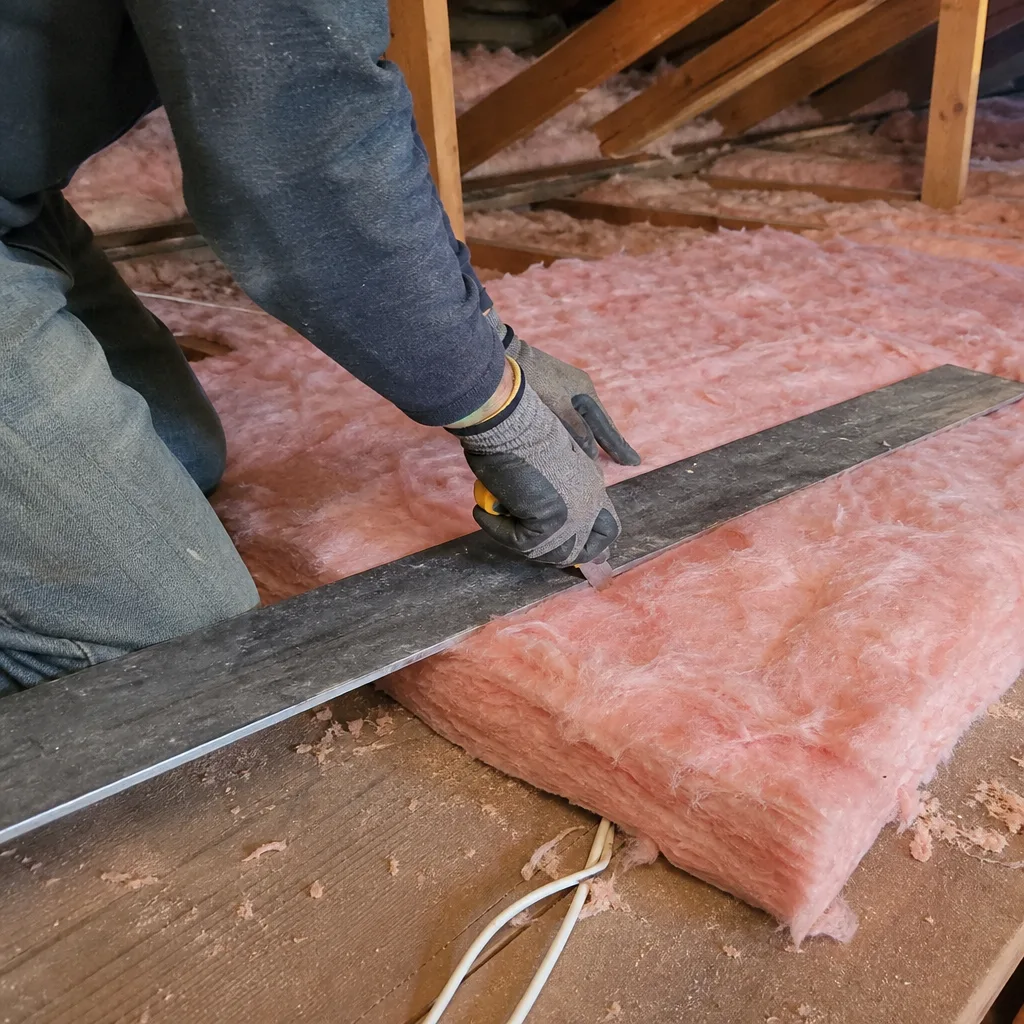
The San Gabriel Valley summer is radiant heat, not just air temperature. Attic temperatures in El Monte regularly reach 140°F to 160°F from July through September. The difference between a home that stays comfortable until 6 p.m. and one that overheats by 2 p.m. often comes down to two things checked in May: ridge vent airflow and radiant barrier attachment.
Ridge vent blockage is the single most common summer failure we see. Ridge vents work by creating a negative pressure zone along the peak that draws air from soffit intakes below. When they’re blocked by paint overspray, wasp nests, or degraded mesh, attic air stagnates. The insulation below becomes a heat sink that radiates downward for hours after sunset.
Checking takes 20 minutes. From inside the attic, shine a flashlight along the ridge line. You should see daylight through the vent slot continuously. Gaps, dark spots, or debris accumulation mean restricted flow. From outside, binoculars work: the vent should show uniform opening along the entire ridge. In El Monte’s older neighborhoods like Mountain View and the area south of Valley Boulevard, we’ve found ridge vents partially covered during reroofing by crews who didn’t understand the product.
Radiant barrier attachment is the second pre-June check. Staple-up radiant barriers in El Monte attics loosen over time from thermal cycling. A barrier lying on top of insulation is doing almost nothing. It needs an air gap to function, which means it must be attached to the underside of rafters with the reflective surface facing down toward the attic floor.
Walk your attic and look for:
- Sagging sections that touch insulation below
- Torn or disconnected edges, especially near gable ends where wind enters
- Dust accumulation heavy enough to dull the reflective surface
A dusty radiant barrier can lose 30% of its effectiveness. In our experience, barriers in El Monte near construction zones or the 605 corridor need cleaning or replacement more often due to particulate load.
The cost of this 20-minute May inspection versus an August emergency call is substantial. Most El Monte homeowners who call us in peak summer have already spent money on HVAC service calls, refrigerant top-offs, or even equipment replacement when the real problem was a 140°F attic overwhelming a properly sized system. Topside Attic Insulation El Monte home inspections include ridge vent airflow verification and radiant barrier condition documentation as standard.
Santa Ana Fall: Pressure Testing Your Envelope
October and November in El Monte bring Santa Ana wind events: hot, dry, high-velocity air from the northeast that creates positive pressure against the windward side of your home. This pressure forces air through penetrations that are completely invisible during mild weather. The same leak that loses conditioned air in July is pulling dust, pollen, and attic particulates into your living space in October.
The critical insight: Santa Ana conditions reveal leaks that blower-door tests at neutral pressure might miss. We’ve documented homes in El Monte that tested at acceptable leakage rates in calm conditions but showed significant pressure-driven infiltration during wind events. The homeowner’s clue is often a dust streak on carpet near baseboards, or a room that smells like attic after a Santa Ana day.
Here’s the homeowner test we recommend, best done on the first calm morning after a Santa Ana event:
- Close all windows and exterior doors. Turn off HVAC fans and any exhaust fans. You want the house as pressure-neutral as possible.
- Light an incense stick. Hold it near common leak sites: electrical outlets on exterior walls, window frames, baseboard gaps, recessed can lights, and the attic hatch perimeter.
- Watch the smoke. Steady vertical rise means no leak. Horizontal drift or suction toward the surface means air movement you need to document.
- Mark locations with painter’s tape. Number each spot and photograph it for your seasonal record.
The most productive leak sites in El Monte homes are consistent. Top plates where interior walls meet exterior walls leak because the drywall gap was never sealed. Recessed can lights in pre-2010 construction are almost always unsealed penetrations. The attic hatch perimeter leaks because the trim doesn’t include weatherstripping.
What you do with this information depends on severity. A few outlet gaskets and some caulk around window frames are homeowner-level fixes. Multiple can lights with smoke draw, or any attic hatch with visible leakage, warrant professional air sealing. At Spray Foam Insulation in El Monte, we use Demilec and Icynene products for targeted air sealing of complex penetrations, applied after the primary air sealing of top plates and framing joints is complete.
The Santa Ana inspection has a second purpose: it predicts your winter performance. The same leaks that pull attic air in October will pull heated air out in January when stack effect reverses the pressure gradient. Fixing them in fall means both seasons improve.
Cool-Wet Winter: Condensation Detection
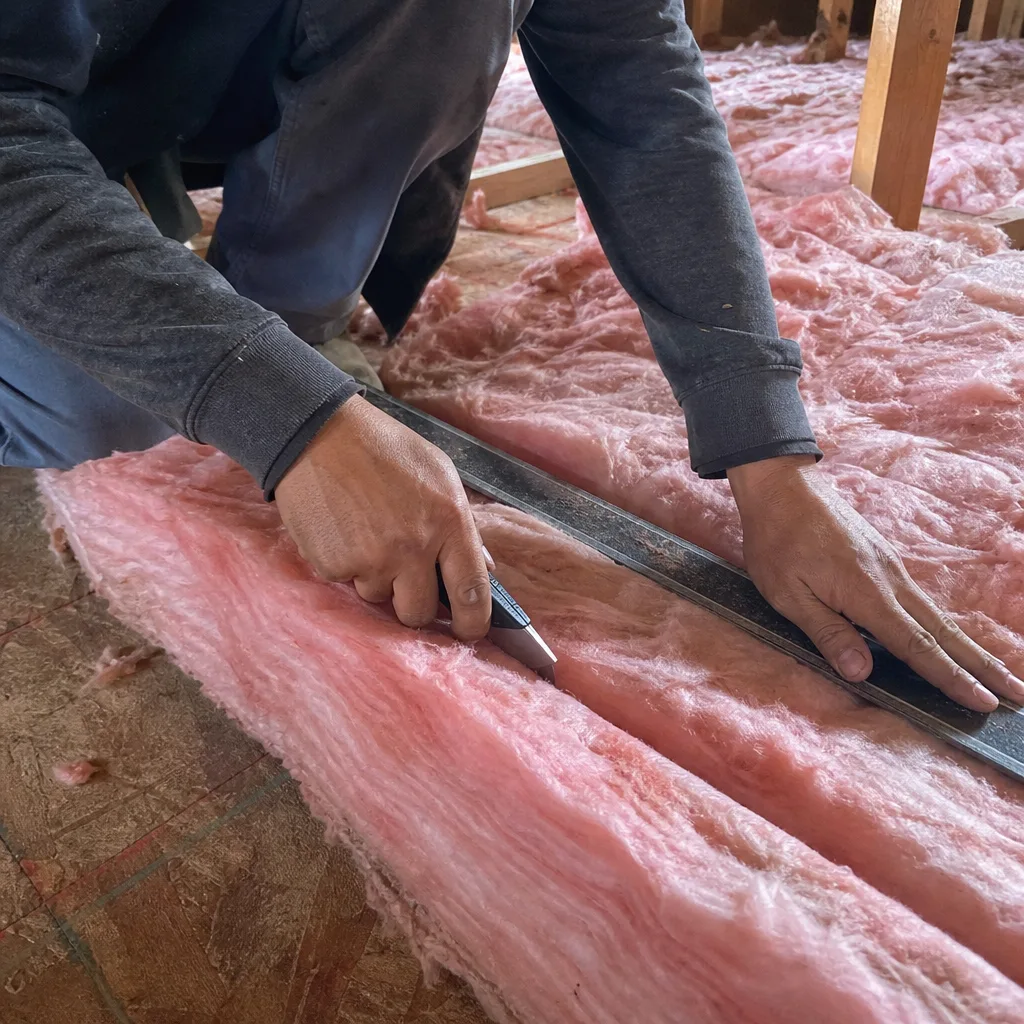
El Monte’s rain concentrates between January and March, typically 3 to 5 inches total across those months. That’s not Seattle, but it’s enough to create a moisture risk window that most homeowners miss because they’re looking for roof leaks when they should be looking for condensation.
The pattern we see: a homeowner spots a water stain on a ceiling in February, assumes it’s a roof leak, and calls a roofer. The roofer finds intact shingles and no penetration. The real source is warm, moist interior air reaching cold attic sheathing through bypasses that were never sealed, condensing on the underside of the roof deck, and dripping onto insulation below. The insulation compresses, its R-value drops, and the cycle worsens.
Winter inspection timing matters. Go into your attic on a clear, cold morning after a rainy period, when the roof deck is at its coldest. Bring a flashlight and look specifically at:
- North and west sheathing. These planes cool first and stay cold longest. Any darkening, staining, or wood grain raised by moisture indicates condensation history.
- Nail shanks. Rust on roofing nail points protruding through sheathing is a reliable indicator of repeated wetting. Bright steel means dry conditions.
- Insulation directly below bath fans, kitchen vents, and dryer ducts. These are the bypass highways. Even “insulated” flex duct leaks at connections.
Neighborhood context helps. In El Monte’s older areas with original stucco, we’ve found wall-to-attic bypasses where balloon framing or missing fire blocking creates a direct path. Newer construction with tight envelope sealing has different problems, usually related to inadequate mechanical ventilation in bathrooms and kitchens.
The documentation you create in winter becomes your baseline. Photograph the same sheathing areas each January. If staining spreads or darkens over three years, you have a progressive condensation problem that needs professional intervention. If it’s stable, your ventilation and air sealing are adequate.
Crawl Space Encapsulation & Vapor Barrier in El Monte addresses the ground-up moisture path that many homeowners overlook. In El Monte’s clay-heavy soils, especially in areas near the Rio Hondo, crawl space moisture migrates upward through rim joists and into wall cavities. Winter is when this path is most active because the temperature differential between soil and interior air is greatest.
The HVAC Filter Connection Most People Miss
There’s a direct, measurable relationship between your HVAC filter condition and your insulation performance that almost no homeowner connects. A clogged filter increases static pressure in the duct system. Higher static pressure forces more air through duct leaks into unconditioned attic or crawl space. That lost air creates negative pressure in the house, which pulls unconditioned air through envelope leaks. The result is uneven room temperatures that homeowners blame on insulation when the root cause is a $15 filter.
We’ve traced this exact chain in El Monte homes. The homeowner calls because the back bedroom is 8 degrees warmer than the thermostat setting. They assume they need more attic insulation. Our blower-door test, combined with duct blaster testing, shows the attic insulation is adequate but the duct system is losing 25% of its airflow through leaks, driven by a filter that hasn’t been changed in eight months and a return duct with a separated connection.
The seasonal filter protocol for El Monte:
| Season | Filter Check Interval | Visual Indicator |
|---|---|---|
| Spring (Mar-May) | Every 30 days | Marine layer particulates + pollen load |
| Summer (Jun-Aug) | Every 30-45 days | Peak dust + wildfire smoke potential |
| Fall (Sep-Nov) | Every 45 days | Santa Ana dust events |
| Winter (Dec-Feb) | Every 60 days | Lowest particulate load |
But the filter is only half the equation. The other half is the return duct path. In El Monte’s tract construction from the 1950s through 1980s, return ducts often run through unconditioned attic space with minimal insulation. When these ducts leak, they’re not just losing air, they’re pulling 140°F attic air into the system in summer. A filter change won’t fix that. It requires duct sealing with mastic and, in some cases, duct insulation upgrade with Owens Corning or Johns Manville products.
We document this on every job where we perform blower-door testing. The before-and-after numbers show the interaction: seal the envelope, duct leakage becomes more significant. Seal the ducts, envelope leakage becomes more significant. Both matter, and the filter is the maintenance item that keeps the system in balance between professional inspections.
Your Seasonal Documentation Template
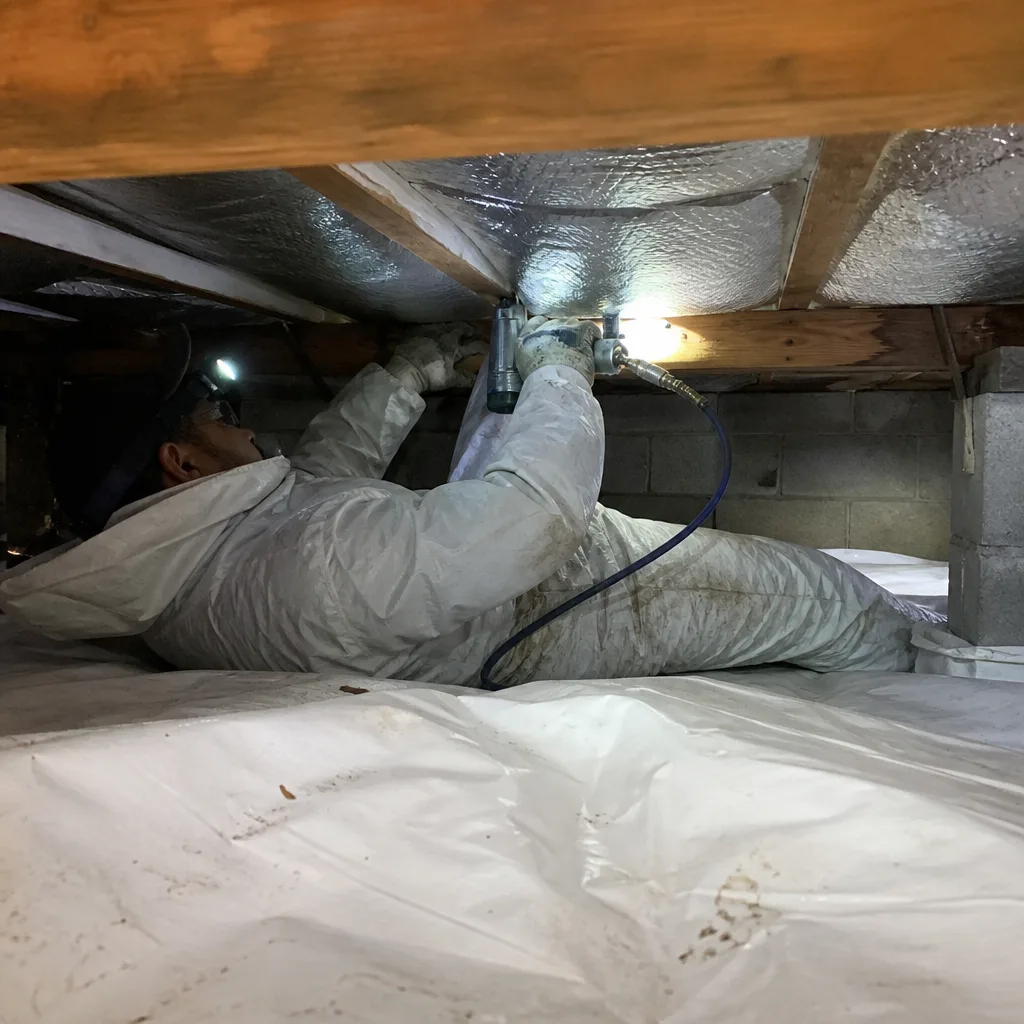
A three-year record of seasonal observations gives any contractor who arrives at your door more useful information than a single current complaint. It also protects you from unnecessary work. We’ve declined jobs in El Monte because the homeowner’s documentation showed a problem was seasonal and resolving, not progressive and worsening.
Here’s the one-page template we recommend, kept in a folder or digital file:
PROPERTY: [Address] | INSPECTED BY: [Name] | DATE: [MM/DD/YYYY]
SEASON: [ ] Marine Layer Spring [ ] Peak Radiant Summer [ ] Santa Ana Fall [ ] Cool-Wet Winter
ATTIC:
- Sheathing condition: [Dry / Damp / Stained / Previous stain unchanged]
- Ridge vent: [Clear / Partially blocked / Blocked] - Location of issue:
- Radiant barrier: [Tight / Sagging / Dusty / Missing sections]
- Insulation depth at hatch: [inches] - Uniform? [Y/N]
- Visible bypasses: [List locations]
ENVELOPE LEAK CHECK (incense test):
- Outlets with draw: [Count and locations]
- Window/frame leaks: [Locations]
- Baseboard gaps: [Locations]
- Can light draw: [Count]
- Attic hatch seal: [Tight / Loose / No weatherstripping]
HVAC:
- Filter date changed:
- Filter condition at inspection: [Clean / Moderate / Dirty]
- Room temperature variance: [Max differential, thermostat vs. warmest room]
PHOTOS TAKEN: [List numbers and subjects]
NOTES:
Repeat this four times per year. After three years, you’ll have twelve data points that reveal patterns any single inspection cannot. A stain that appears every March and dries by May is marine layer condensation. A stain that appears in January and grows through March is a more serious moisture problem. Temperature variance that worsens every summer regardless of filter changes suggests envelope or duct issues beyond maintenance.
Common Mistakes to Avoid
- Adding insulation before air sealing. We’ve removed insulation from El Monte attics that was installed directly over unsealed top plates. The insulation hid the leaks but didn’t stop them. Conditioned air still escaped, and the insulation became a filter for dust and moisture. Seal first, then insulate. No exceptions.
- Ignoring the HVAC filter until the system struggles. The filter is a maintenance item, not a repair trigger. By the time you notice temperature problems, the clogged filter has already stressed ducts, increased leakage, and potentially damaged the blower motor.
- Assuming all water stains are roof leaks. In El Monte’s winter moisture window, condensation from interior air bypasses is more common than actual roof failure for homes under 30 years old. Calling a roofer first often leads to unnecessary work.
- Checking the attic at the wrong time of day. Summer afternoon inspections miss morning moisture. Spring inspections at 4 p.m. miss marine layer effects. Time your checks to the stressor, not your convenience.
- Using the wrong incense for leak detection. Cheap incense that burns fast and produces heavy smoke is actually better for this test than thin, low-smoke varieties. You need visible, persistent smoke to track air movement.
- Documenting only problems, not normal conditions. A photo of dry sheathing in January is as valuable as a photo of staining. It establishes your baseline and proves progression if a dispute arises.
- Waiting for a contractor to create your record. Your observations, dated and photographed, carry weight. We’ve resolved disagreements between homeowners and previous contractors because the homeowner had a three-year file.
When to Call a Professional
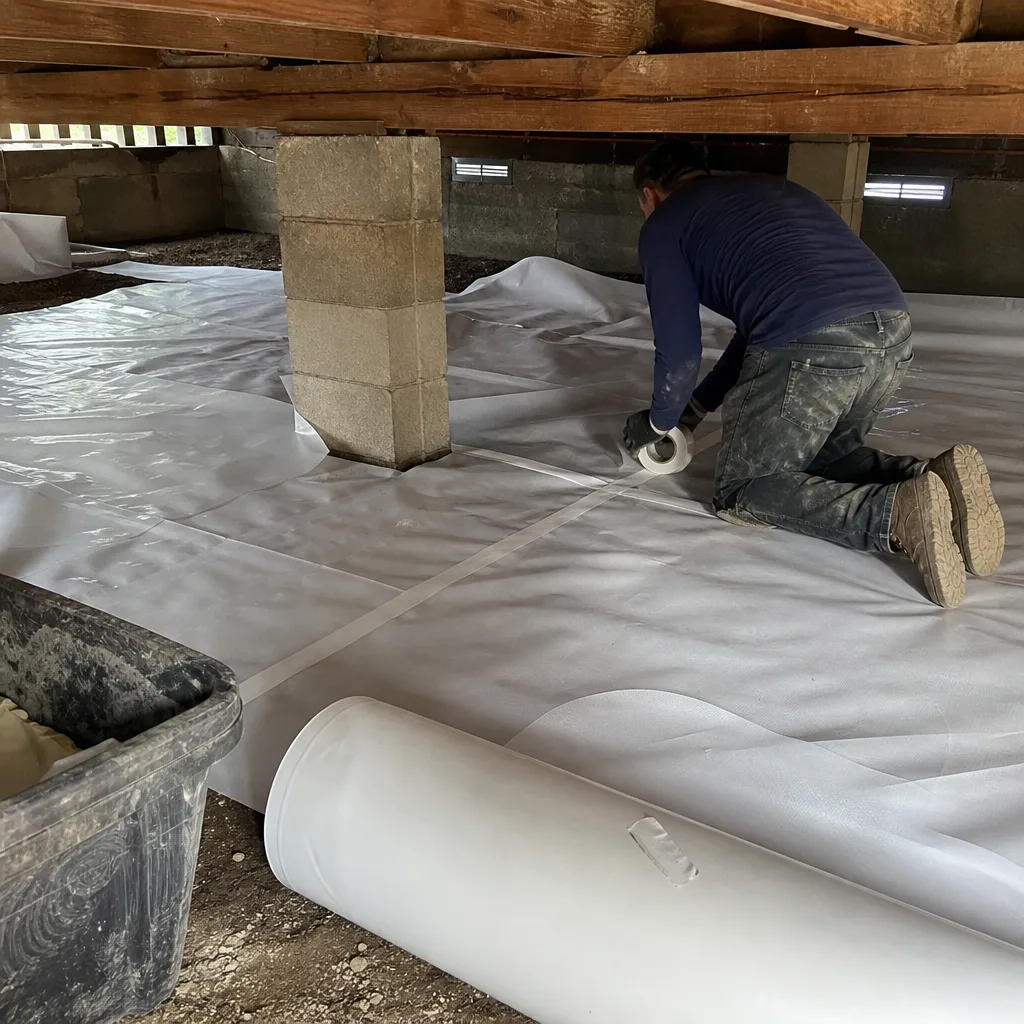
Some conditions exceed homeowner-level intervention. Call for professional assessment if you find: active water dripping from sheathing or framing, any mold growth covering more than a few square inches, ductwork disconnected or crushed in attic or crawl space, a blower-door reading above 3,000 CFM50 for a home under 2,500 square feet, or temperature differentials exceeding 10°F between rooms that persist after filter replacement. Also call if your documentation shows progressive worsening over two or more years, even if the absolute condition seems manageable.
Topside Attic Insulation El Monte offers free estimates in El Monte. We’ll review your documentation with you, perform blower-door testing on applicable jobs, and provide before-and-after pressurization numbers so you can verify the result. Every job begins with a written price before any work starts, and every visit includes a Documented Photo Record. Call (626) 415-3454 to schedule.
Frequently Asked Questions
Homeowner-performed seasonal checks cost nothing beyond a flashlight, incense, and 20 minutes per season. Professional inspection with blower-door testing typically runs $250 to $450 in the El Monte market, depending on home size and whether duct blaster testing is included. Call (626) 415-3454 for an exact quote, estimates are free.
Homeowner-level air sealing covers outlet gaskets, caulk around window frames, and weatherstripping at the attic hatch. Top plate sealing, recessed can light boxing, and duct mastic application require training and safety equipment for attic work. We’ve seen DIY attempts in El Monte that compressed existing insulation or created fire hazards around can lights. The boundary is safety and effectiveness. For help deciding your approach, read our DIY vs Professional Insulation: The El Monte Homeowner’s Decision Guide.
Properly installed insulation with adequate ventilation lasts 20 to 30 years. We replace insulation in El Monte most often due to: rodent contamination, water damage from unresolved leaks, or compression from foot traffic or storage. If your insulation was installed before 1990, it may contain asbestos and requires professional testing before disturbance.
The positive pressure from Santa Ana events forces attic air through unsealed penetrations into your living space. The smell is dust, insulation particulates, and whatever else is in your attic. Find the leaks with an incense test on the first calm morning after a wind event, then seal them. Persistent odor after sealing may indicate a dead rodent or mold, which requires professional remediation.
Spray foam provides superior air sealing and higher R-value per inch, which matters in El Monte’s limited attic spaces. However, it’s not automatically the right choice. Open-cell spray foam, like Demilec products we use, allows moisture diffusion and works well when ventilation is adequate. Closed-cell is denser and more expensive, typically reserved for specific applications. The decision depends on your envelope condition, budget, and whether the attic is conditioned or vented. We publish before-and-after blower-door numbers so you can compare performance, not just product names.
Photograph it, note the size and location on your documentation template, and call a professional. Small surface mold on sheathing, under 10 square feet, sometimes results from a single moisture event and can be addressed with source correction. Larger areas, or any mold with visible thickness, require remediation before insulation work proceeds. We do not install new insulation over active mold growth, Haven Standard Clause 1 applies: the scope must be correct before work starts.
The Bottom Line
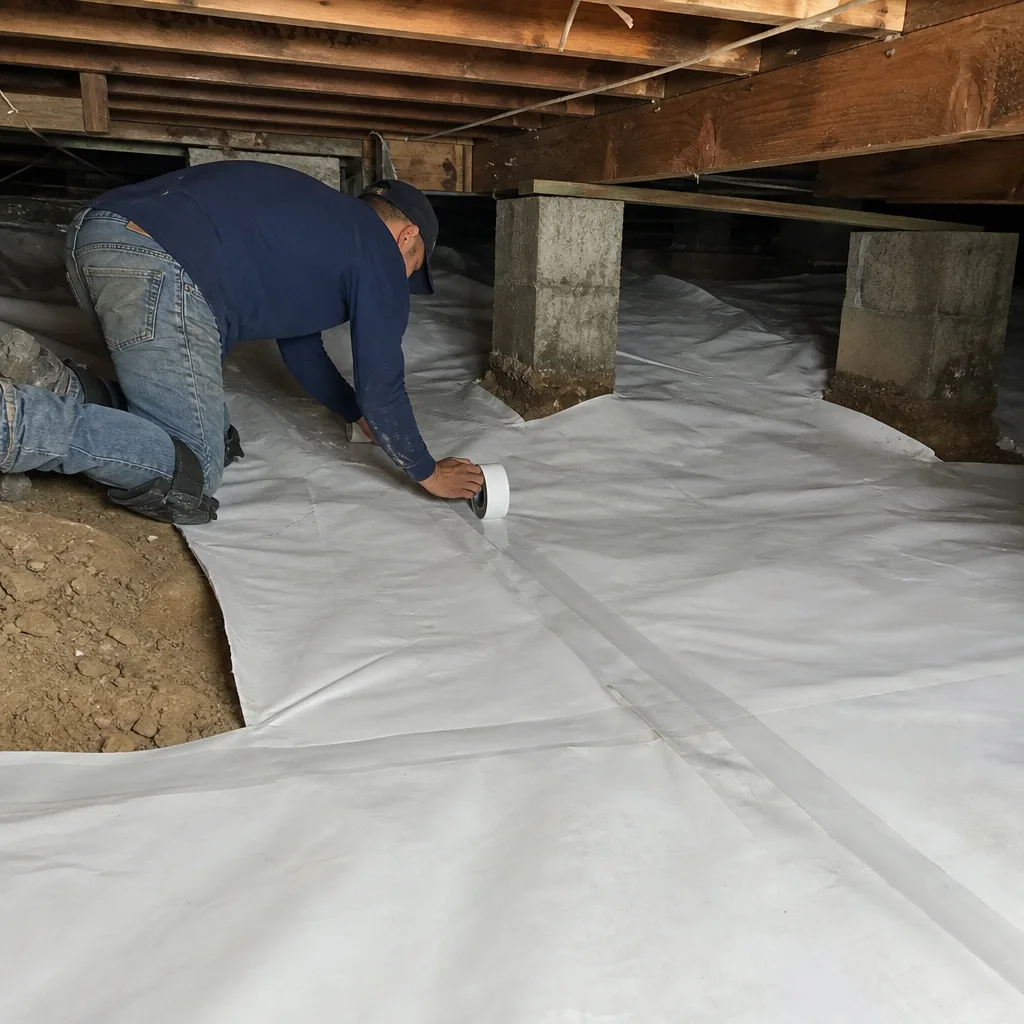
El Monte’s insulation maintenance calendar runs on four stress periods, not four seasons. Marine layer spring demands ventilation checks. Peak radiant summer requires pre-June ridge vent and radiant barrier verification. Santa Ana fall reveals pressure-driven leaks no other condition exposes. Cool-wet winter separates roof leaks from condensation patterns. Connect your HVAC filter changes to this calendar, document everything with photographs and dated notes, and you’ll have a three-year performance record that saves money and prevents emergencies. The 20 minutes per season is the cheapest insulation upgrade you’ll ever make.
Written by Wes Okafor, Owner at Topside Attic Insulation El Monte, serving El Monte since 2016. Browse more guides & resources from our team.